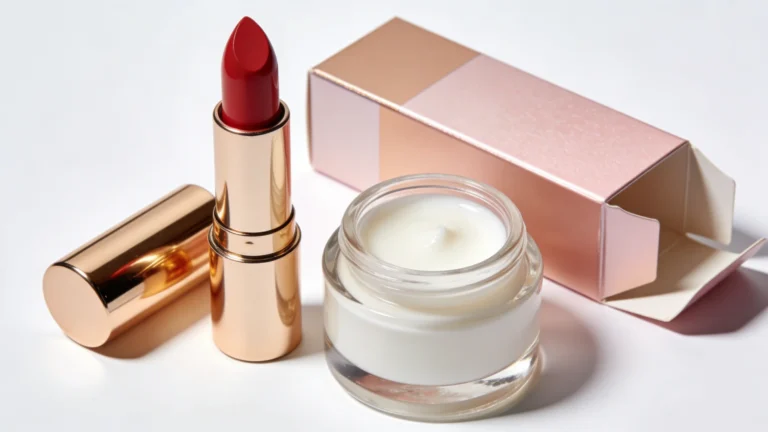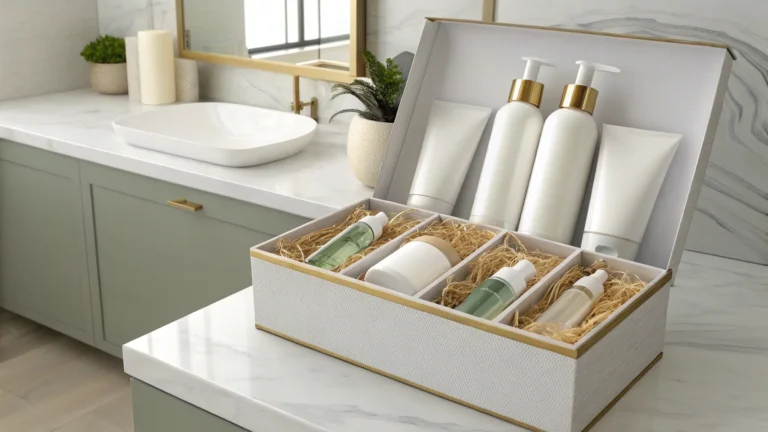
Choosing the right packaging is hard. The wrong choice can damage your products and your brand's reputation. Kraft packaging1 might be the simple, effective solution you've been looking for.
Kraft packaging%%%FOOTNOTE_REF1%%% is a strong paper-based material made from [wood pulp](https://en.wikipedia.org/wiki/Pulp(paper))2. It is known for its durability3, natural brown appearance, and eco-friendly properties4 like recyclability5 and biodegradability6, making it a top choice for boxes, bags, and mailers.
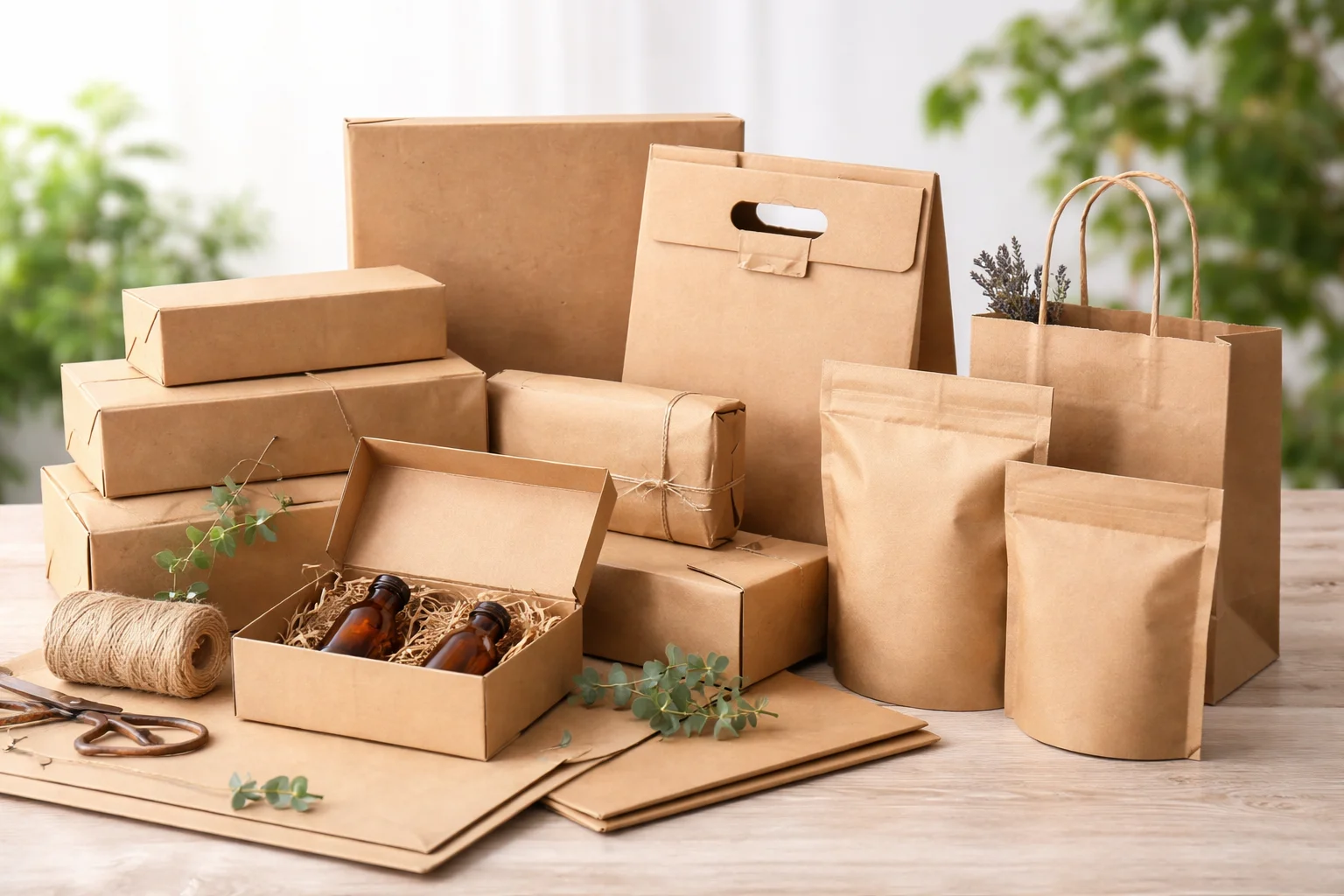
There is more to kraft than just its rustic look7. As someone who works with packaging production every day, I have seen brands succeed and fail with it. The key is to understand how it works, what it can do, and what it can't. This guide will walk you through everything you need to know to make the right choice for your brand, so you can avoid common and costly mistakes. Let's get started.
What Is Kraft Packaging in Plain English?
Packaging jargon like "virgin pulp" can be confusing. This confusion often leads to poor decisions and wasted money. I will break down exactly what kraft is in simple terms.
Kraft packaging%%%FOOTNOTE_REF1%%% is made from [wood pulp](https://en.wikipedia.org/wiki/Pulp(paper))2 using the "kraft process8," a method that creates very strong paper fibers. This is why it's so durable. It's naturally brown but can be bleached white.
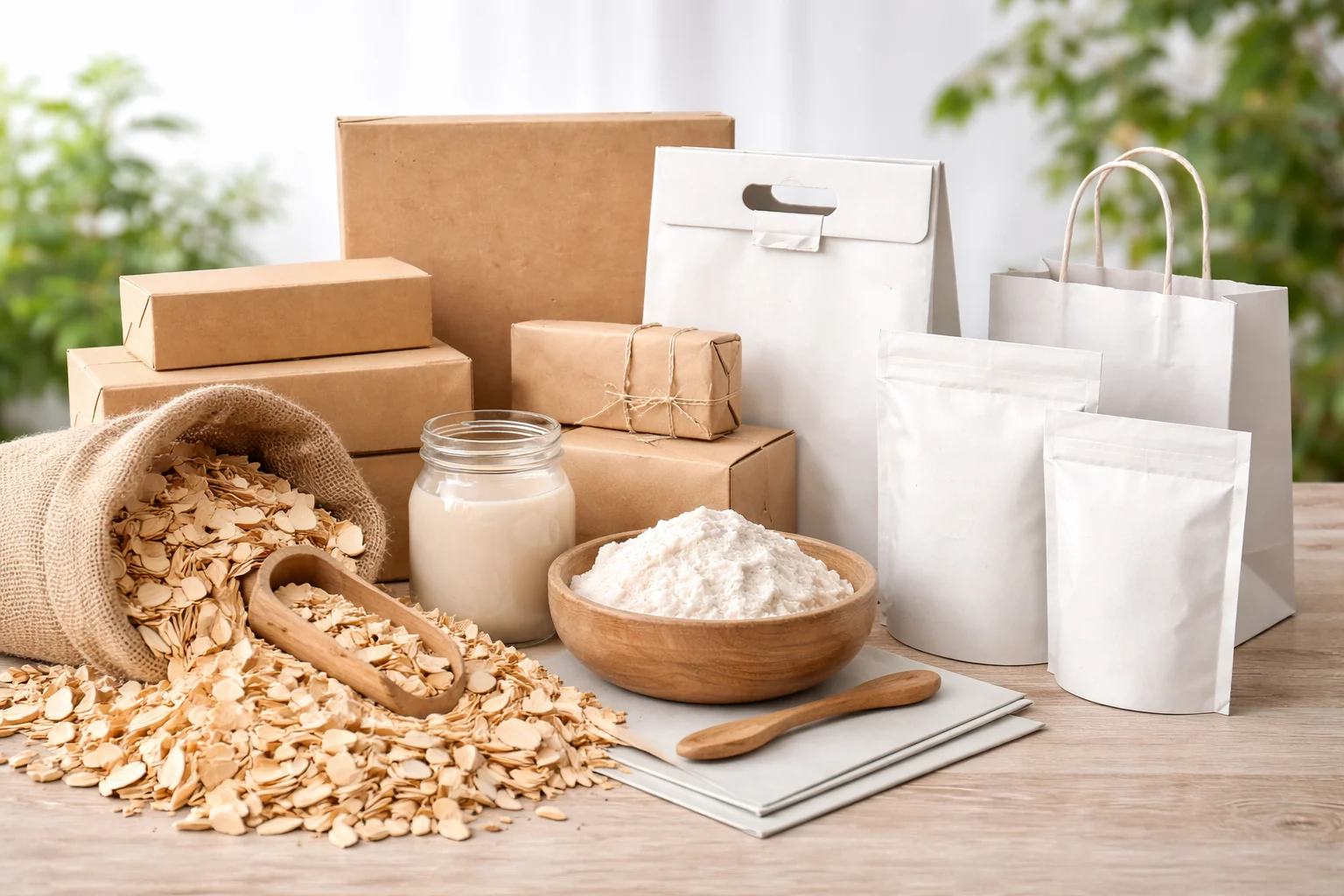
To really understand kraft, you need to know about the process behind it. The kraft process8 uses a chemical solution to break down wood chips into pulp. This method is very effective at separating the strong cellulose fibers from lignin, the stuff that holds wood together. The result is a pulp with long, strong, and interlocked fibers. This is what gives kraft paper its signature strength, which is even in its name—'kraft' means 'strength' in German.
From my perspective in the factory, the type of kraft matters. There are a few key distinctions you should know.
Key Types of Kraft Paper
| Type | Description | Best For |
|---|---|---|
| Unbleached Kraft9 | The classic brown paper. It's strong and has a natural, earthy look. The pulping process is simpler. | Shipping boxes, grocery bags, rustic product packaging. |
| Bleached Kraft | The pulp is whitened to create a clean, white surface. It's a bit weaker than unbleached kraft. | Premium packaging, food-safe applications, better printing surface. |
| Recycled Kraft | Made from post-consumer recycled materials. It's more eco-friendly but can be weaker. | Inner packaging, void fill, brands with a strong eco-focus. |
Understanding these basic differences is the first step. It helps you align the material with your brand's goals, whether that's durability3, a premium feel, or sustainability.
Why Do So Many Brands Choose Kraft Packaging?
You see kraft packaging everywhere, from small Etsy shops to major retailers. Are you missing out on a key strategy? Let's explore the main reasons why so many brands love it.
Brands choose kraft for its strength, eco-friendly image, and cost-effectiveness10. Its natural, rustic look7 connects with customers who value sustainability and authenticity, making it a powerful marketing tool for many businesses.
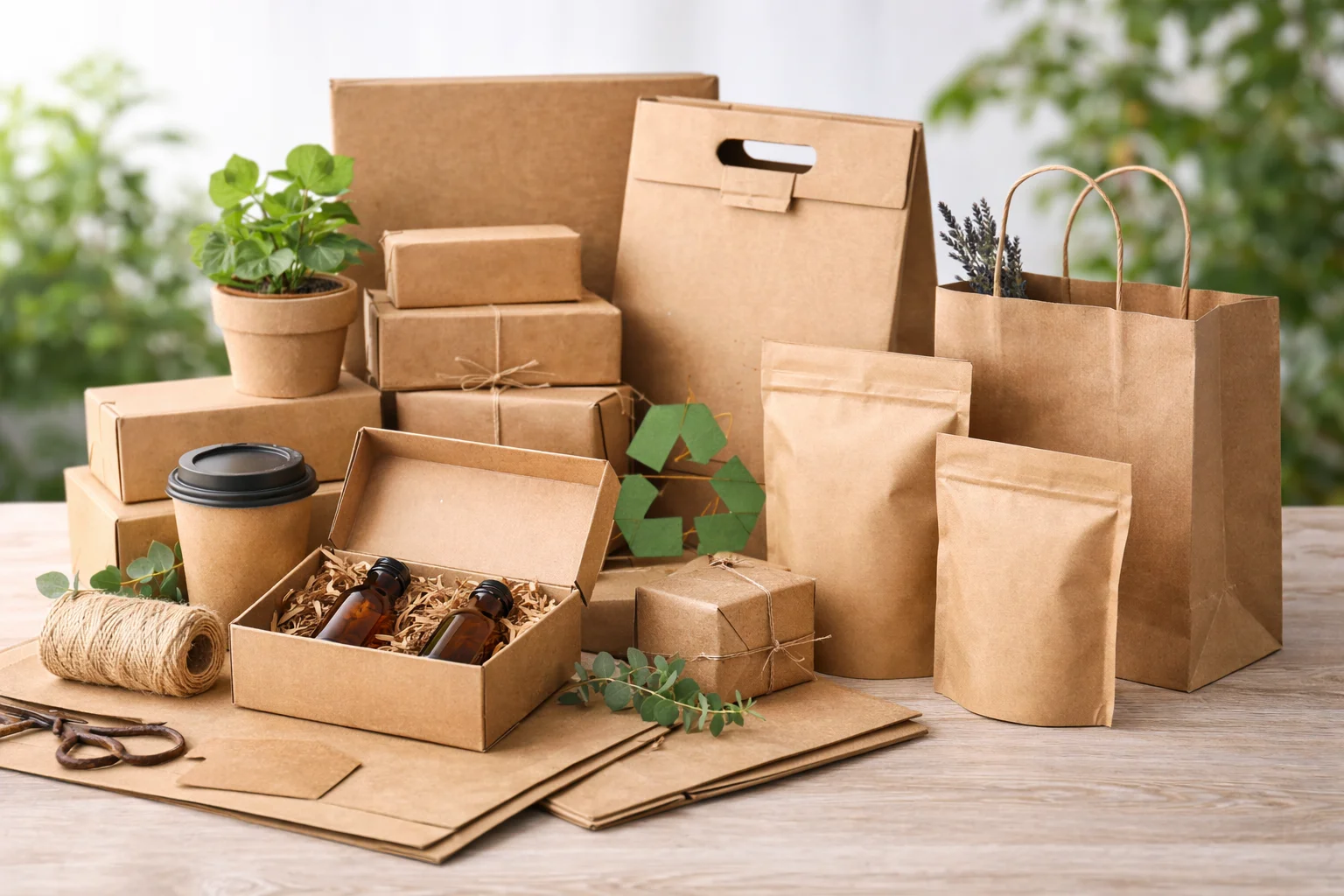
In my work, I talk to brand owners every day, and a few key advantages of kraft come up again and again. It is not just a trend; it's a practical business decision that solves several problems at once. The brands that use it effectively leverage these core strengths to build a better customer experience and a stronger bottom line.
Strength and Durability
This is the most practical benefit. The long fibers in kraft paper make it resistant to tearing and punctures. This is critical for e-commerce brands that need their products to survive the rough journey of shipping. When a customer receives an intact product in a sturdy box, it builds trust. We often recommend kraft-based corrugated boxes11 for this very reason. They provide an excellent balance of weight and protection.
Eco-Friendly Image
Today's consumers care about the environment. Kraft packaging1 is a powerful visual cue that your brand does, too. It is made from a renewable resource (trees, often from certified sustainable forests), it is widely recyclable, and it is biodegradable. This "green" perception is not just a feeling; it helps brands connect with a growing market of conscious consumers. A simple brown box can say more about your brand's values than a paragraph of text.
Cost-Effectiveness
Compared to highly processed, coated, or laminated paperboards, kraft is often a more affordable option. The manufacturing process is efficient, especially for unbleached kraft. For startups and small businesses, managing costs is crucial. Kraft allows them to get a durable, attractive packaging solution without breaking the bank, making it one of the most scalable options available.
When Is Kraft Packaging a Good (or Bad) Choice for Your Product?
Kraft seems like the perfect solution for almost any product. But using it in the wrong situation can be a disaster for your product and brand. Here is how to know when it fits.
Kraft is great for dry goods, e-commerce shipping12, and products with an earthy brand identity. It's a bad choice for oily or wet products without a protective barrier, or for luxury brands wanting vibrant, full-color printing.
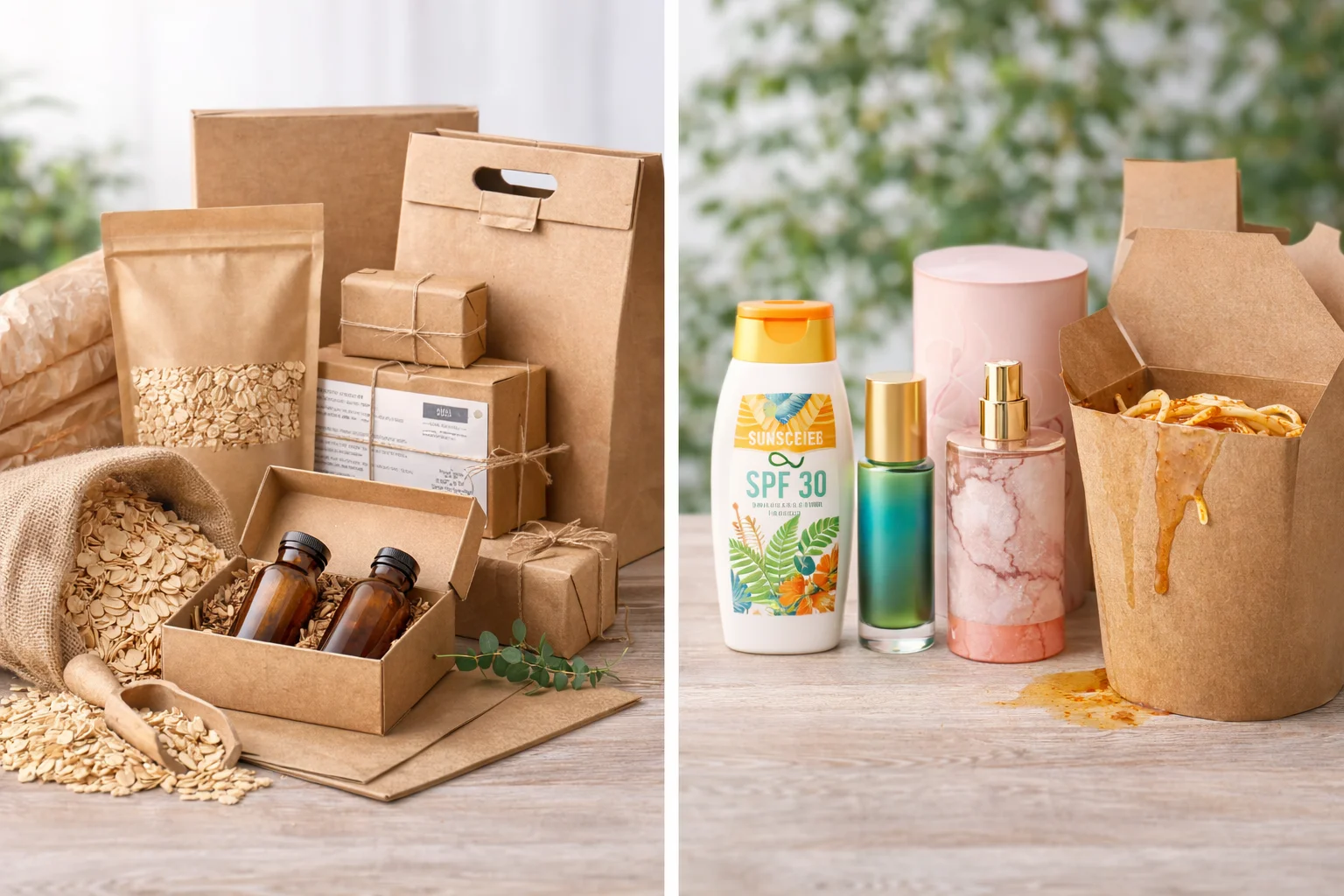
One of the most common issues I see in production comes from brands choosing kraft for its looks alone. They love the natural vibe but do not consider the technical limitations. A beautiful design on a screen can turn into a production nightmare if the material is not right for the product or the printing process. It is essential to think about this before you commit to a design.
To make it clearer, let's break down where kraft shines and where it falls short.
Kraft Packaging: Use Cases
| Good Fit (When to Use It) | Bad Fit (When to Avoid It) |
|---|---|
| Dry Goods: Clothing, books, candles, soaps, coffee beans. | Oily or Wet Products: Face oils, lotions, greasy foods (unless it has a grease-proof liner). |
| E-commerce Shipping: Strong mailer boxes and void fill. | Frozen or Refrigerated Foods: It can lose strength when exposed to moisture and condensation. |
| Rustic & Natural Brands: Organic skincare, handmade crafts, artisanal foods. | High-Tech Electronics: Often requires a sleeker, more modern aesthetic. |
| Simple, High-Contrast Printing: Black, white, or dark single-color designs. | Vibrant, Full-Color Graphics: The brown paper base dulls and darkens ink colors. |
For example, a brand selling handmade soap bars in a kraft box works perfectly. The packaging reinforces the natural, handcrafted feel of the product. But if that same brand launched a liquid face oil in a simple kraft box, they would have a problem. Any small leak would create an ugly oil stain, ruining the unboxing experience. In that case, they would need a box with an internal coating or a different packaging material altogether.
What Are the Most Common Types of Kraft Packaging?
You have decided that kraft is the right material for you. But now you are faced with a dozen different options, from boxes to bags. Let's review the most common types you will encounter.
The most common types are kraft mailer boxes for shipping, kraft paper bags for retail, and kraft stand-up pouches for food products. You will also find kraft paper wrap and void fill for protection inside boxes.
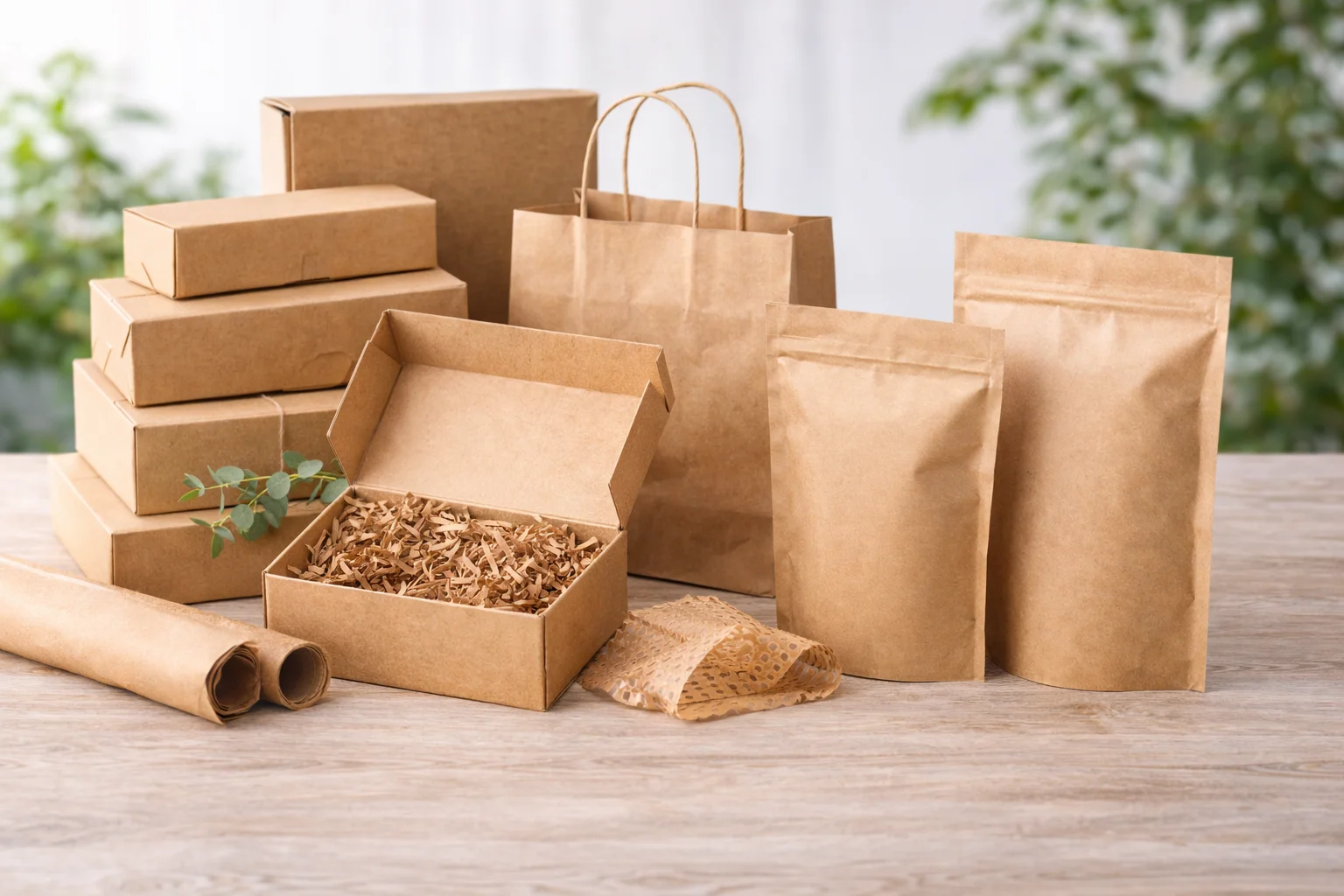
In the factory, we produce these different types of packaging every day. Each one is designed for a specific purpose. Choosing the right format is just as important as choosing the right material. A great design on the wrong type of box can lead to damaged products or a frustrating experience for your customer. Let's look at the main categories.
Kraft Boxes
These are the workhorses of the packaging world. They come in two main styles:
- Product Boxes: Thin paperboard boxes, like for a bar of soap or a candle. They are great for retail shelves but need to be placed inside a shipping box.
- Mailer Boxes: Made from corrugated cardboard (which is a layer of wavy paper sandwiched between two flat layers of kraft paper). These are strong enough to be shipped on their own. They are perfect for e-commerce.
Kraft Bags
Ideal for retail environments or for packaging lighter goods.
- Shopping Bags: The classic retail bag with handles. They are strong and reusable.
- SOS (Self-Opening Satchel) Bags: The flat-bottomed bags you see at bakeries or for small takeout orders. They stand on their own, which is great for easy filling.
Kraft Pouches and Mailers
These offer flexible and lightweight solutions.
- Stand-Up Pouches: Often used for coffee, snacks, or powders. They usually have a plastic or foil lining to keep the product fresh, combining the natural look of kraft on the outside with the protection needed on the inside.
- Paper Mailers: A lightweight and eco-friendly alternative to plastic poly mailers for shipping soft goods like clothing.
Each of these formats can be customized with your branding, but the structure you choose should always be based on your product's needs first.
How Strong Is Kraft Packaging for Shipping Really?
You need your products to arrive at your customer's doorstep safely. A broken product is not just a loss of money; it is a lost customer. So let's talk about how strong kraft actually is.
Kraft packaging1 is very strong for its weight because of the long, interlocked fibers created during the manufacturing process. Its final strength depends on the paper's weight (GSM) and the box's structure (like the flute type in corrugated boxes11).
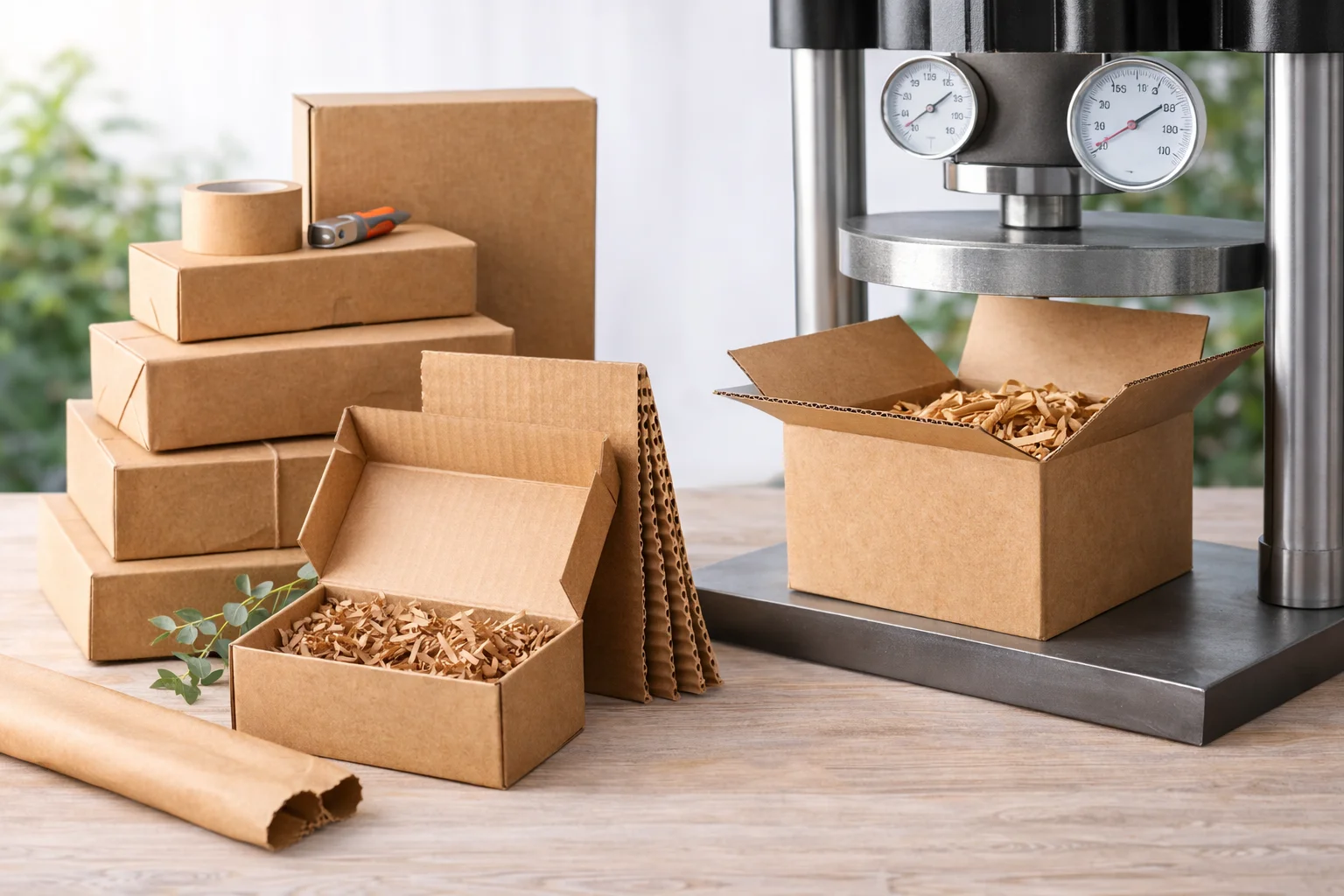
I once worked with a brand that was shipping heavy glass candles. They chose beautiful, thin kraft product boxes for their packaging. The problem was, they were shipping these thin boxes directly in a flimsy mailer bag. The breakage rate was over 20%. It was a disaster.
We helped them fix it by making two simple changes. First, we switched them to a corrugated kraft mailer box. Second, we increased the paper weight13. The problem disappeared overnight. This shows that when structure and material weight are planned together, kraft is one of the most reliable options for shipping.
To get it right, you need to understand two concepts:
1. Paper Weight (GSM or PT)
This measures the density of the paper.
- GSM (Grams per Square Meter): The higher the GSM, the heavier and generally stronger the paper. A simple product box might use 300 GSM paperboard, while a sturdy shipping box will use linerboard with a specific weight.
- PT (Point): This measures the thickness of the paper. 1 point is one-thousandth of an inch.
2. Structure (Corrugation)
For shipping boxes, the structure is key. Corrugated board is made by gluing a fluted (wavy) sheet of paper between two flat linerboards. The flutes create air pockets that provide cushioning and incredible structural strength.
- E-Flute: A very thin flute, great for product boxes that need to be strong but also have a smooth surface for printing.
- B-Flute: A thicker flute, providing more cushioning. It's the standard for most e-commerce shipping12 boxes.
Never choose a box based on looks alone. Always tell your packaging supplier exactly what you are shipping—including its weight and fragility—so they can recommend the right GSM and structure.
Can Kraft Packaging Actually Look Premium?
Many people think kraft packaging only works for rustic, farm-to-table brands. You might worry that its simple, brown look will make your premium product feel cheap. Here is how to make kraft look high-end.
Yes, kraft packaging can absolutely look premium. The secret is to use sophisticated design techniques like metallic foil stamping, embossing, or debossing. A clean, minimalist design14 with high-contrast black or white ink also creates an elegant look.
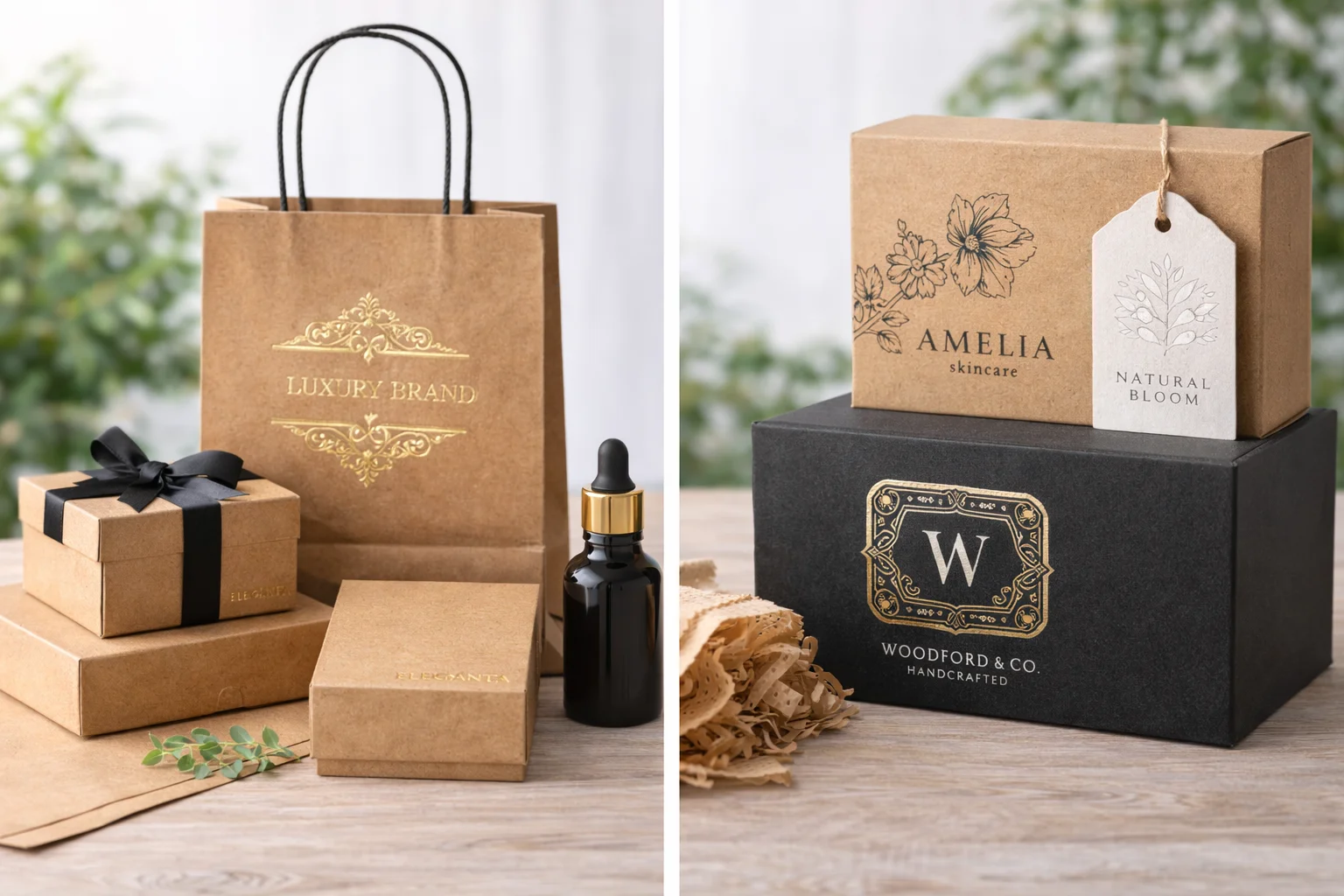
Achieving a premium feel with kraft is all about embracing its natural texture, not fighting against it. You can't get bright, vibrant CMYK colors to pop on brown paper. Instead, focus on techniques that add texture, contrast, and a touch of luxury. I have seen brands create stunning, high-end unboxing experiences using kraft. They just used the right approach.
Here are some of the best methods to elevate your kraft packaging:
Minimalist Design
Less is often more. A simple, well-placed logo in crisp black or white ink on a clean kraft box can look incredibly chic and modern. It communicates confidence and focuses attention on the quality of your product and the packaging material itself.
Special Finishes
These techniques add a tactile and visual element that screams premium.
- Foil Stamping: Applying a thin layer of metallic foil (like gold, silver, copper, or rose gold) using heat and pressure. The metallic shine against the matte kraft paper creates a stunning contrast.
- Embossing & Debossing: This is the process of creating a raised (emboss) or indented (deboss) impression on the paper. It adds a 3D texture that invites customers to touch and feel the packaging.
- White Ink: Printing with white ink on brown kraft paper creates a beautiful, soft, and high-end look that is very popular.
By combining a simple design with one of these special finishes15, you can create packaging that feels both earthy and luxurious.
What Are the Common Mistakes Brands Make with Kraft Packaging?
You want to get your packaging right the first time and avoid rookie errors. Packaging mistakes are not only expensive to fix, but they are also very public. I have seen them all, so let me share the most common ones.
The biggest mistakes are expecting bright color printing on brown kraft, choosing a paper weight13 that's too thin for the product, and not ordering a physical sample before placing a large order.
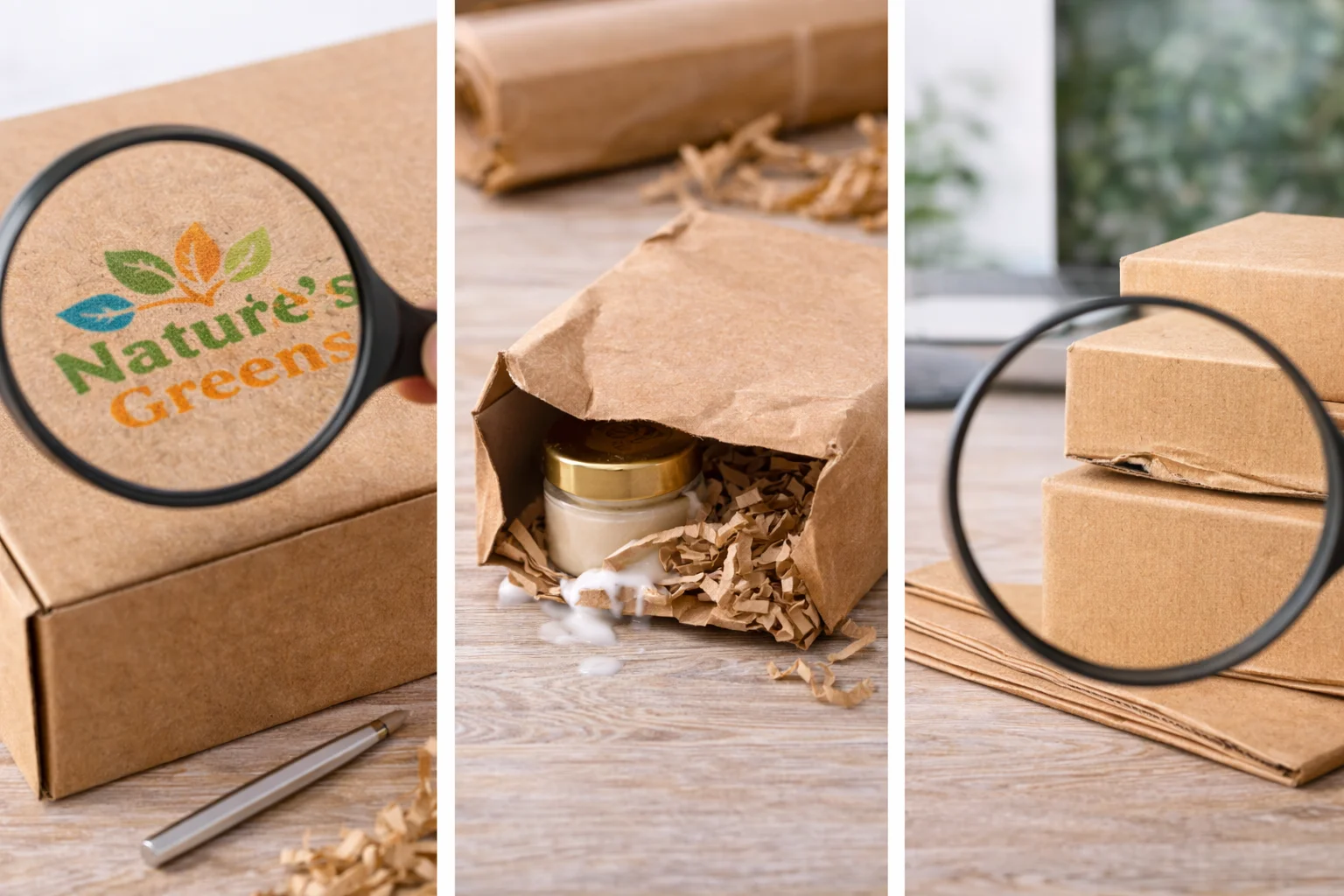
The most successful brands I work with are the ones who design with manufacturing in mind. They understand the material's limits and plan for them from the beginning. Avoiding these common mistakes will save you time, money, and a lot of headaches down the road.
Mistake 1: Expecting Bright Colors
This is the number one issue we see. A client will send us a beautiful, vibrant design with bright yellows, pinks, and blues. They don't realize that when you print those ink colors on a brown paper surface, they become dull and muddy. The brown of the paper mixes with the ink color. That bright yellow sun in your design will look like a murky brown circle.
- The Fix: Design for high contrast. Use black, white, or very dark colors. If you need a specific color, consider printing on a white label and applying it to the kraft box.
Mistake 2: Choosing the Wrong Strength
A brand falls in love with the look of a thin kraft paperboard box. They put their heavy glass jar inside and are shocked when the boxes start to tear or get crushed during shipping. They chose the packaging for aesthetics, not function.
- The Fix: Always consider your product's weight and fragility. For anything heavy or fragile that will be shipped, you need a corrugated kraft mailer box, not a thin product box.
Mistake 3: Skipping the Sample
This is a critical error. A digital mockup on a screen can look very different from the final physical product. The color can be off, the texture might not be what you expected, or the box might not feel sturdy enough.
- The Fix: Always, always order a physical sample first. Test it. Put your product inside. Shake it. Mail it to yourself. This is the single best way to ensure your packaging will work in the real world before you spend thousands on a full production run.
Is Kraft Packaging Really as Sustainable as People Say?
"Sustainable" is a popular buzzword in marketing today. But you are right to be skeptical and wonder if kraft packaging is just another form of greenwashing. Let's look at the facts.
Kraft is generally more sustainable than plastic and many other paper types. It comes from renewable trees, is highly recyclable, and is biodegradable. However, the pulping process uses chemicals and energy, so it is not perfectly "green."
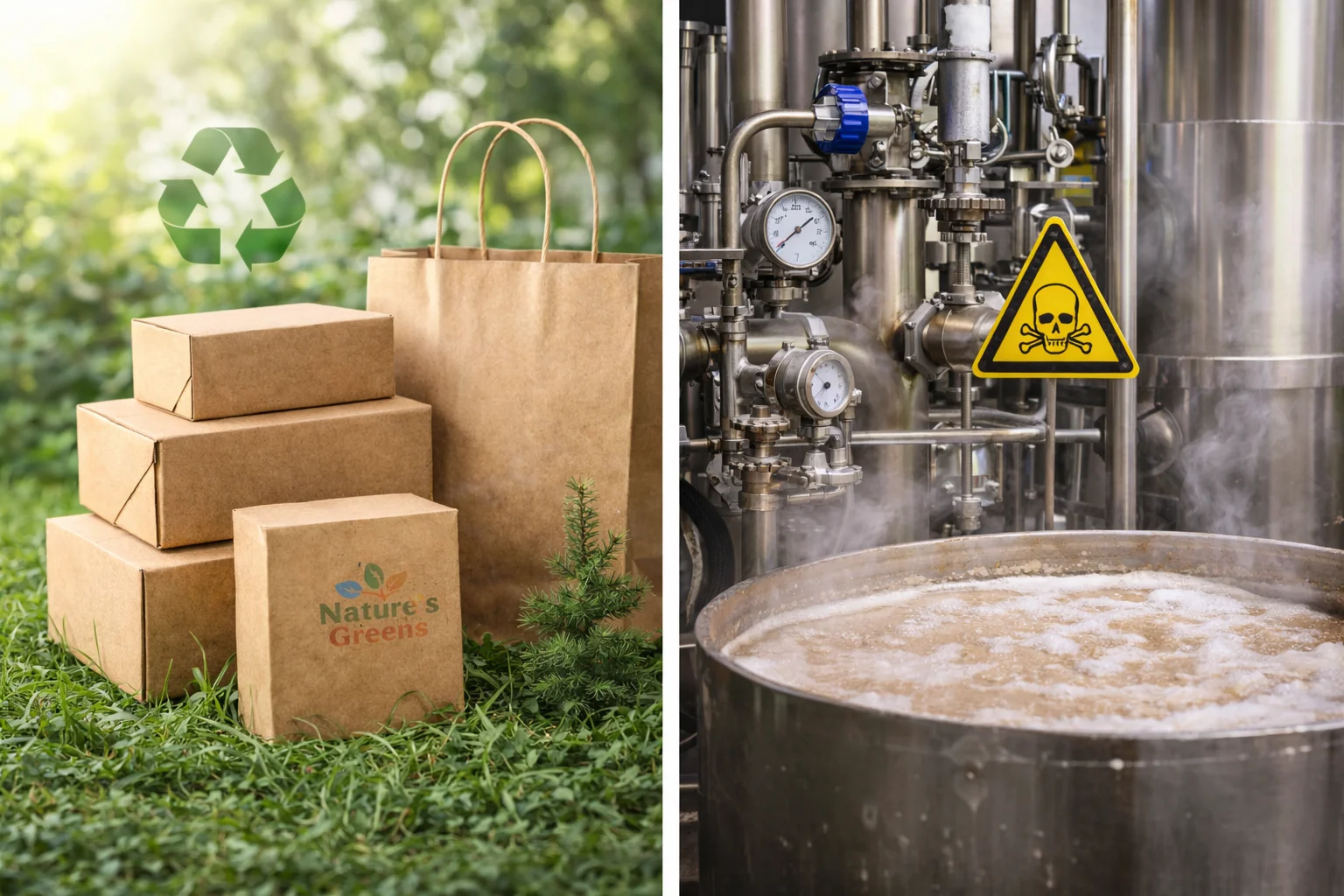
There is no such thing as a perfectly sustainable packaging solution. Every material has an environmental impact. The goal is to choose the better option. From a supply chain and manufacturing perspective, kraft is often one of the best practical choices a brand can make to reduce its environmental footprint. Here is a balanced look at its pros and cons.
The Good: Why Kraft is a Sustainable Choice
- Renewable Resource: Kraft paper comes from trees, which can be regrown. Look for paper from forests certified by the Forest Stewardship Council (FSC). This ensures they are managed responsibly.
- High Recycling Rate: Paper and cardboard have one of the highest recycling rates of any material. The fibers in kraft paper can be recycled multiple times to make new paper products.
- Biodegradable: If it ends up in a natural environment, unbleached kraft paper will break down relatively quickly, unlike plastic, which can persist for hundreds of years.
The Complicated: Where It's Not Perfect
- Chemicals & Energy: The kraft pulping process, while efficient, uses energy and chemicals. Modern mills are very good at recovering and reusing these chemicals in a closed-loop system, but it's still an industrial process.
- Water Usage: Paper production requires a significant amount of water.
- Transportation Footprint: Paper is heavier than plastic. This means shipping it (both from the mill to the factory and from you to your customer) can use more fuel and create more emissions.
In summary, kraft packaging is a significant step in the right direction compared to single-use plastics. It's a choice that has real, positive environmental benefits. But it's important to be honest about its full life cycle.
How Do You Choose the Right Kraft Packaging for Your Brand?
You have learned about the pros, cons, and different types of kraft packaging. Now, making the final decision can feel a little daunting. Here is a simple checklist to guide you.
Choose the right kraft packaging by first analyzing your product's weight and fragility. Then, define your brand's aesthetic (rustic or premium) and consider your printing needs. Always request and test physical samples before committing to a full order.
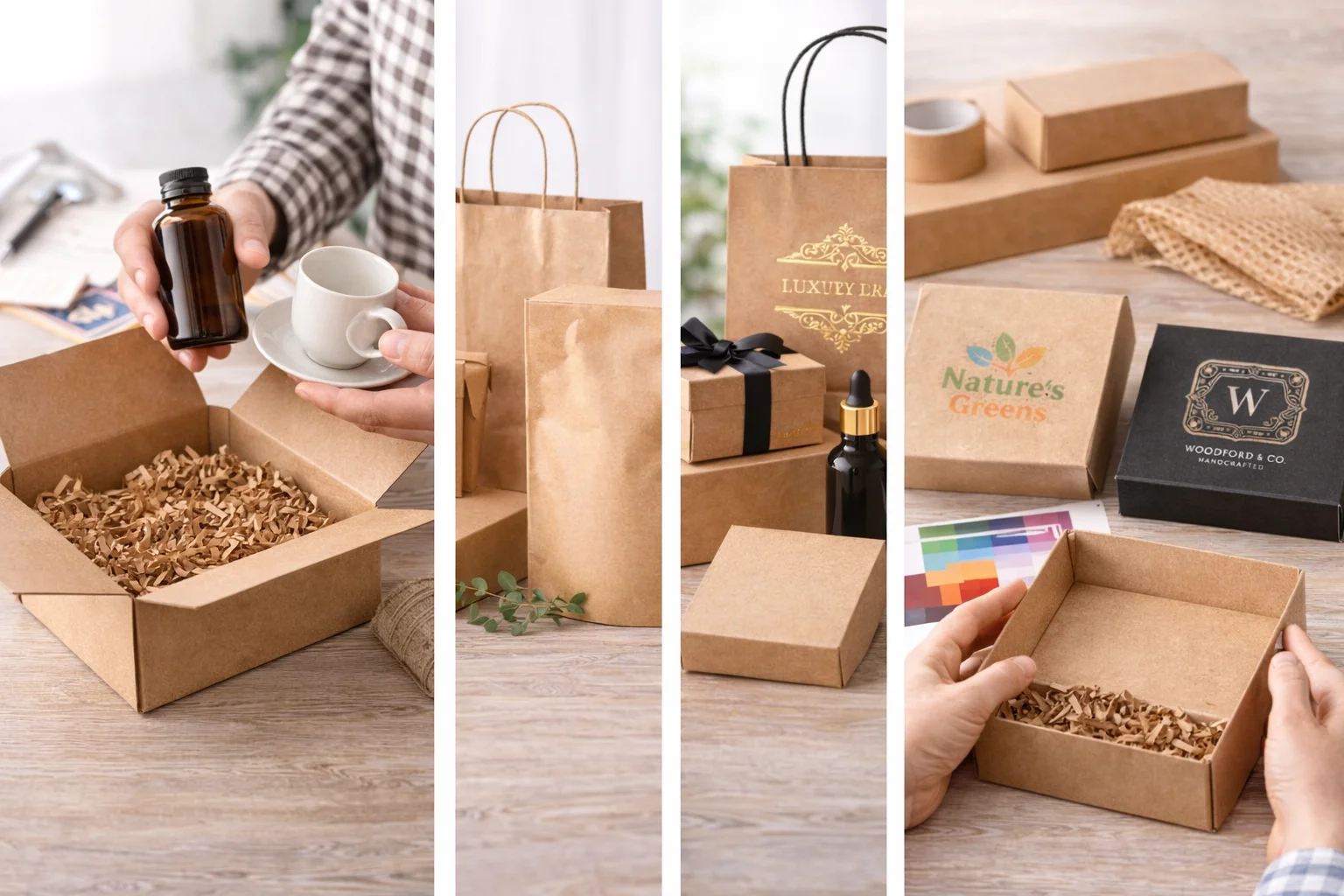
As I always say from my factory experience, the brands that win at packaging are the ones who plan carefully. They think about the entire journey, from production to the customer's unboxing. Follow these steps to make a smart decision.
Step 1: Analyze Your Product
This is the most important step. Ask yourself these questions:
- Weight & Size: How heavy and large is my product? This will determine the necessary paper weight (GSM) and structure (e.g., corrugated).
- Fragility: Is it fragile like glass, or durable like a t-shirt? This will decide if you need a sturdy mailer box and internal void fill.
- Form: Is the product a solid, a liquid, or oily? This will tell you if you need a protective coating or liner inside the packaging.
Step 2: Define Your Brand and Unboxing Experience
What do you want the customer to think and feel when they receive your package?
- Rustic & Earthy: Unbleached kraft with a simple black print is perfect.
- Modern & Minimalist: A clean design on a white bleached kraft box or a brown box with crisp white ink works well.
- Premium & Luxurious: Consider a brown kraft box with gold foil stamping or an embossed logo.
Step 3: Plan Your Design and Printing
Your design choices are limited by the material.
- If you need bright, multi-colored graphics, kraft is not for you unless you use a printed sticker.
- If you are using a simple logo or text, think about high-contrast colors like black or white.
- If you want a premium feel, budget for special finishes like foil or embossing.
Step 4: Test, Test, and Test Again
I cannot stress this enough. Before you place an order for 1,000 boxes, order one. Or five. Get physical samples. Put your product in it. See how the printing looks in real life. Mail it to your friend across the country. See how it holds up. This small investment upfront will save you from huge, expensive mistakes.
Conclusion
Kraft packaging is a strong, affordable, and eco-friendly option for many brands. Its success depends on understanding its strengths and planning for its weaknesses. Plan carefully, and it will work well.
Explore the advantages of Kraft packaging, including its durability and eco-friendly properties, to enhance your brand's packaging strategy. ↩
Learn about wood pulp's role in creating strong packaging materials and its impact on sustainability. ↩
Understand the significance of durability in packaging and how it affects product safety and customer satisfaction. ↩
Discover the key features that define eco-friendly packaging and how they can benefit your brand's image. ↩
Find out how recyclable materials can enhance your brand's sustainability efforts and appeal to conscious consumers. ↩
Explore the importance of biodegradable materials in reducing environmental impact and promoting sustainability. ↩
Discover the impact of rustic packaging on consumer preferences and brand identity. ↩
Learn about the kraft process and how it contributes to the strength and quality of kraft paper. ↩
Understand the applications of bleached Kraft paper and its advantages in premium packaging. ↩
Find out how Kraft packaging can help businesses save money while maintaining quality. ↩
Explore the advantages of corrugated boxes in providing protection during shipping. ↩
Explore how kraft packaging enhances the shipping experience for e-commerce businesses. ↩
Understand the importance of paper weight in ensuring the strength and durability of packaging. ↩
Learn how minimalist design can enhance packaging appeal and communicate brand values effectively. ↩
Discover how special finishes can enhance the tactile and visual appeal of kraft packaging. ↩