Your beautiful products get lost on a crowded shelf. You need packaging that grabs attention. I will show you how to create boxes that sell your product for you.
To craft irresistible cosmetic packaging1 in 2026, you must focus on a complete system. Combine smart material choices2, an engaging user experience3, and real sustainability4. The key is integrating your manufacturing partner5 early in the design process to ensure your vision is both achievable and affordable.
This sounds simple, but I see many brands get it wrong. They focus on one part and forget the others. Let's break down how you can get it right. It all starts with understanding why the box itself is still so important for your business.
Why Does Packaging Still Drive Sales?
You spend a lot of time and money on product development. But customers choose with their eyes first. Great packaging makes the first impression6 and closes the sale for you.
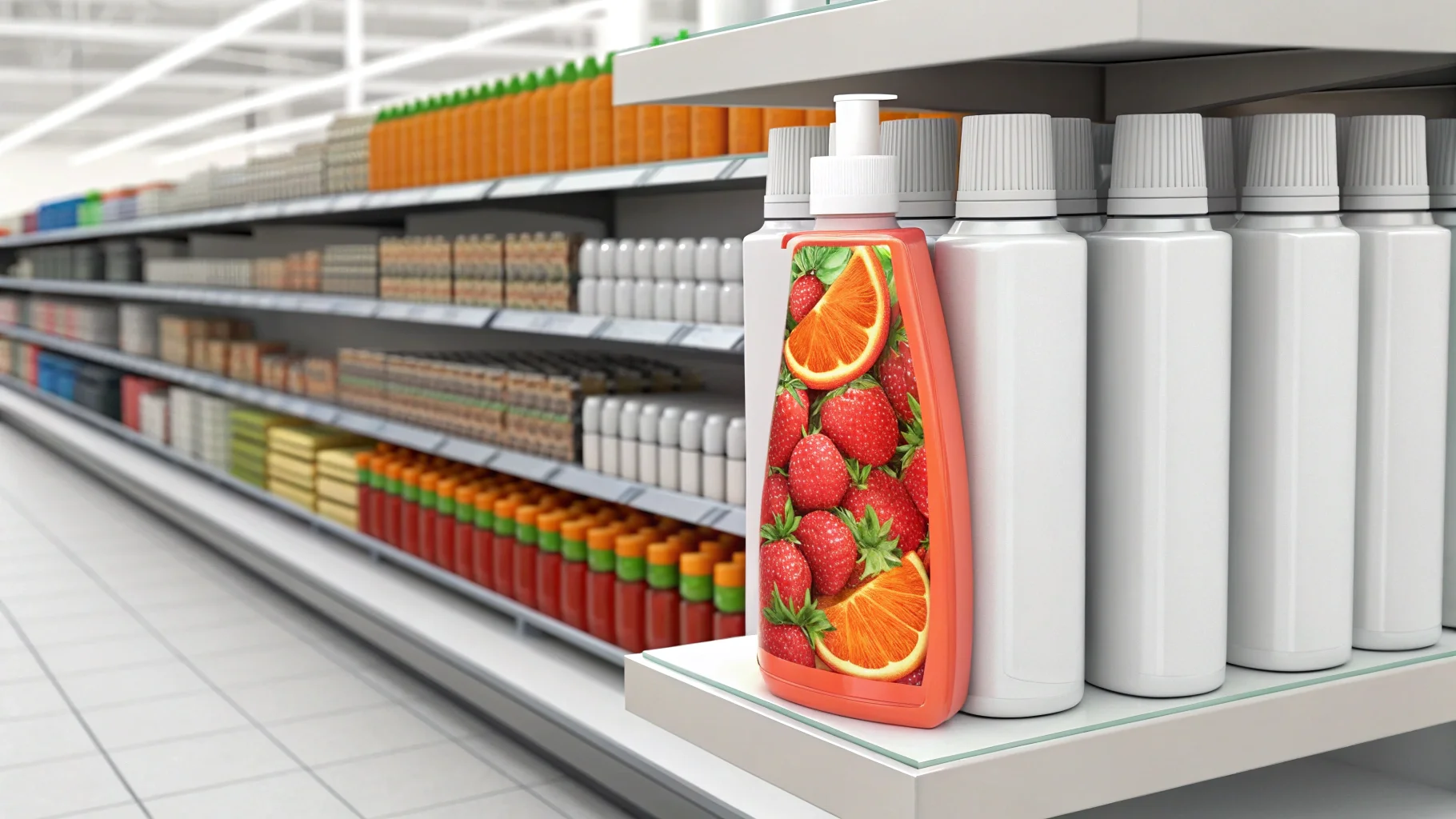
Packaging is your silent salesperson. It communicates your brand value, product quality, and creates an emotional connection7 before the customer even tries the product. In a crowded market, your box is the first, and sometimes only, chance to stand out and make a sale.
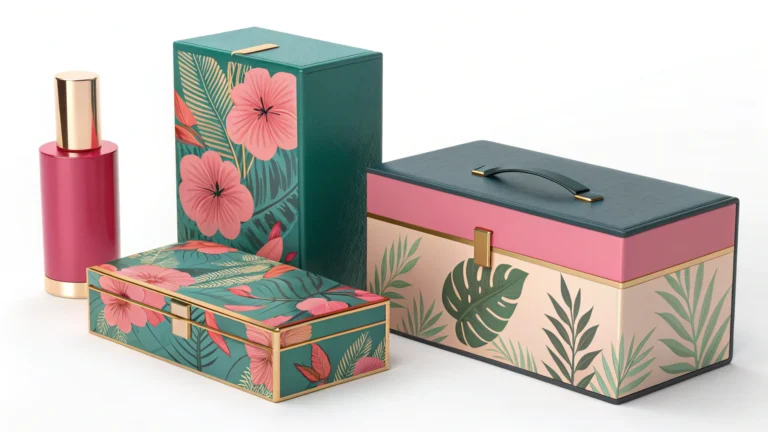
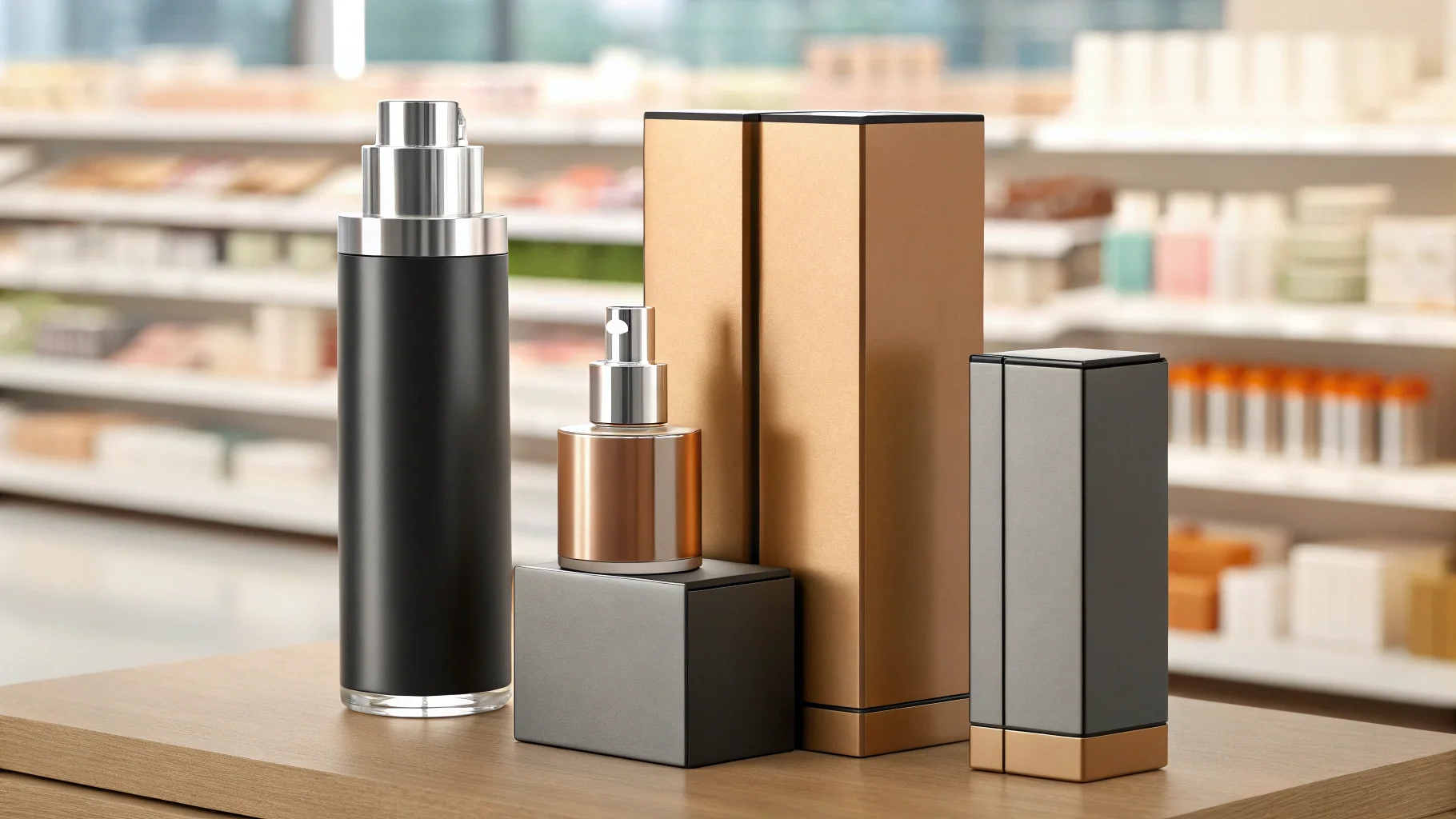
I've seen it time and again. A great product in a bad box fails. A good product in a great box succeeds. Your packaging is more than just a container. It is a critical business tool. It works for you on the shelf, online, and in the customer's home. It is the physical handshake between your brand and your customer. The look and feel of the box instantly tell a story about the quality inside. A flimsy, poorly printed box suggests a cheap product. A sturdy, beautifully finished box suggests luxury and care. This perception is formed in seconds and is very hard to change. The unboxing experience8 is another huge factor. A package that is a joy to open extends the customer's positive experience with your brand.
The First Handshake
Your packaging is the first physical interaction a customer has with your brand. It needs to be a good one. It must feel good in their hands and look appealing to their eyes. This first touchpoint sets the expectation for everything else that follows.
Communicating Value
The materials, colors, and finishes you choose all send signals. They tell the customer if your brand is fun, clinical, natural, or luxurious. You must make sure these signals match the product inside and the price you are asking for.
| Feature | Poor Packaging | Great Packaging |
|---|---|---|
| First Impression | Looks cheap, gets ignored | Looks premium, attracts attention |
| Brand Message | Confusing or non-existent | Clear, consistent, and strong |
| Perceived Value | Lowers the value of the product | Increases the value of the product |
| Customer Action | Customer walks away | Customer picks it up and buys |
What Are The Common Challenges?
You have a great design idea. But it's too expensive to produce. Or it breaks easily in transit. These common problems can kill your product launch before it even starts.
The biggest challenges are balancing cost, quality, and speed. Brands often design in a vacuum, which leads to concepts that are impossible to manufacture affordably. Other issues include sourcing materials, ensuring structural integrity, and meeting tight deadlines without compromising the final look.

The root of most problems is a disconnect between the creative team and the production team. A designer might create a beautiful box on screen, but it uses a process that is too slow or a material that is too expensive for the budget. I have seen projects get delayed for months because the initial design had to be completely re-engineered for manufacturing. This creates stress, adds cost, and forces compromises that hurt the final product. Getting your manufacturing partner5 involved from the beginning is the best way to avoid this. They can tell you right away if an idea is practical. They can suggest alternative materials or construction methods that achieve the same look for a lower cost. This collaboration is the secret to a smooth process.
The Design vs. Reality Gap
Designers focus on aesthetics. Manufacturers focus on physics and efficiency. When these two worlds don't talk, you get designs that can't be made well or on budget.
Budget and Timeline Constraints
Everyone wants their packaging fast and cheap. But quality takes time and investment. A common challenge is setting a realistic budget and timeline9 that allows for proper development, prototyping, and production.
| Challenge | Impact on Project | How to Solve It |
|---|---|---|
| Unrealistic Design | High costs, production delays | Involve manufacturer in the design phase |
| Poor Material Choice | Product damage, cheap feel | Consult with a packaging expert10 early |
| Budget Overruns | Reduced profit margin, project cancelled | Get production quotes on initial concepts |
| Rushed Timeline | Quality mistakes, missed deadlines | Plan the production schedule with your supplier |
What Are The Top Packaging Trends in 2026?
Trends change very fast. Using last year's style can make your brand look dated. I will show you what's new and what will actually last for your brand.
In 2026, top trends are "quiet luxury11" minimalism, interactive elements12, and textured materials. Customers want packaging that is both beautiful and functional. Smart packaging with QR codes and truly sustainable, reusable designs are also becoming standard expectations, not just novelties.
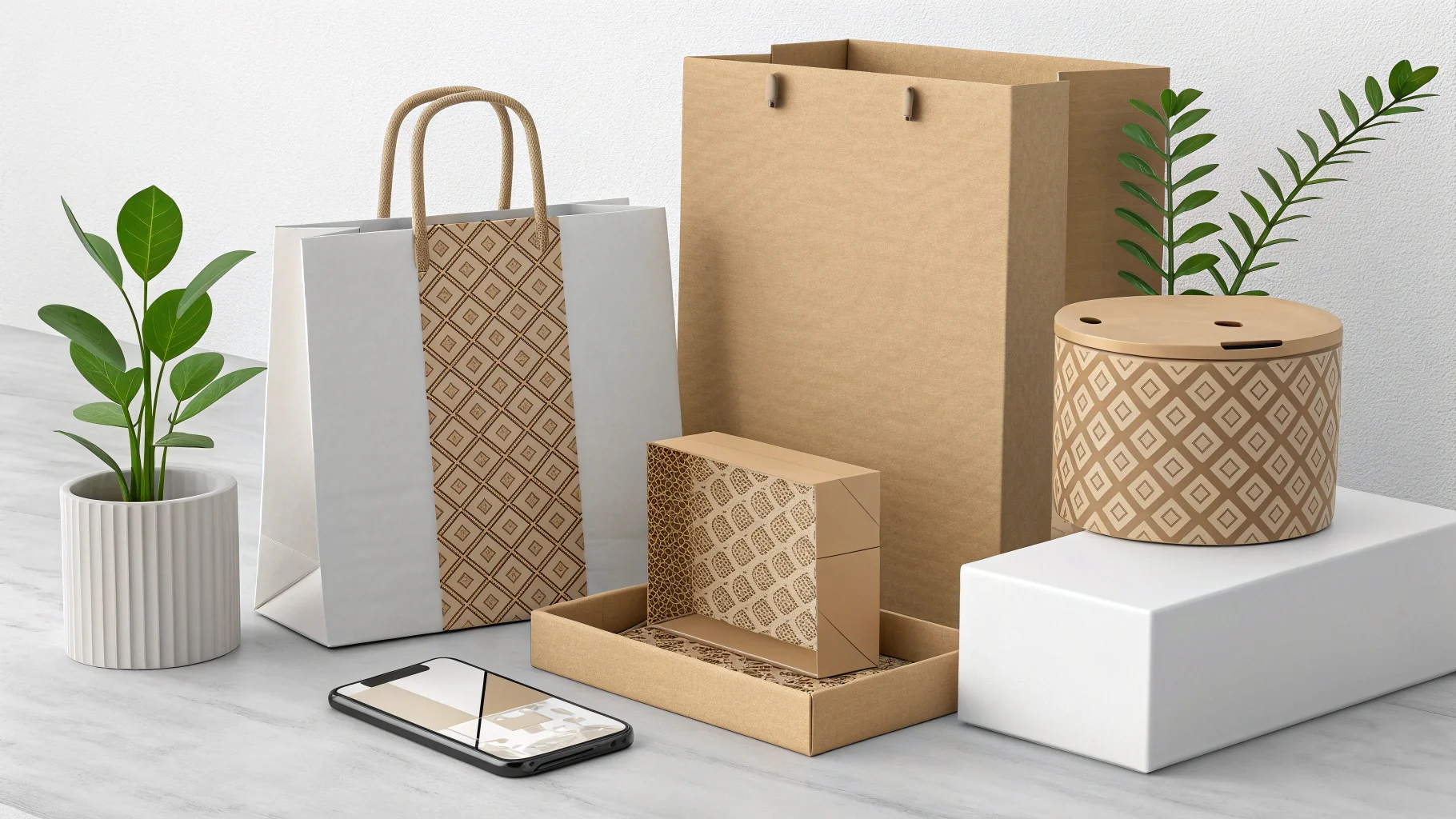
It is easy to get caught up in trends. But I always tell my clients that reliable, repeatable production beats trendiness every time. A perfectly made, simple box is far more luxurious than a trendy box with sloppy foil stamping or uneven color. The real luxury is in the quality of the execution. That said, you can't ignore what customers want. The move toward minimalism is about focusing on high-quality materials and perfect craftsmanship. Textured papers and subtle debossing feel more premium than loud, glossy graphics. Interactive elements, like a unique opening mechanism, create a memorable unboxing experience8. The key is to choose a trend that fits your brand's core identity and can be produced to a very high standard by your manufacturing partner5.
"Quiet Luxury" and Minimalism
This trend is about less being more. It uses simple layouts, premium uncoated papers, and subtle finishes like embossing to communicate quality without shouting.
Interactive and Smart Features
This includes unique structural designs that make opening the box an experience. It also includes QR codes that link to tutorials, ingredient information, or augmented reality experiences.
| Trend | Pro | Con | My Take |
|---|---|---|---|
| Minimalism | Looks timeless and high-end | Can look boring if not done well | A great choice, but material quality is key. |
| Bold Textures | Very tactile and memorable | Can be expensive to produce | Use it on a key area for maximum impact. |
| Smart Packaging | Adds value and engagement | Can feel gimmicky if not useful | Only use it if it helps the customer. |
| Vintage Revival | Creates nostalgia and trust | Can look dated if not updated | Works for brands with a history. |
How Do You Choose The Right Materials?
The wrong paper feels cheap. The wrong plastic hurts the environment and your brand's reputation. Choosing your materials is a huge decision that can make or break your brand's image.
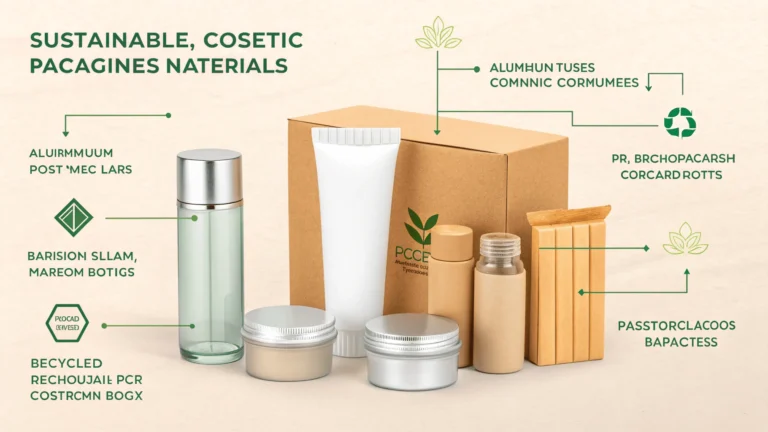
Choose materials based on three factors: your brand perception, product protection needs, and sustainability4 goals. Consider paperboards like SBS for excellent print quality, or thick rigid boards for a heavy, luxurious feel. Always think about the material's weight, texture, and recyclability.
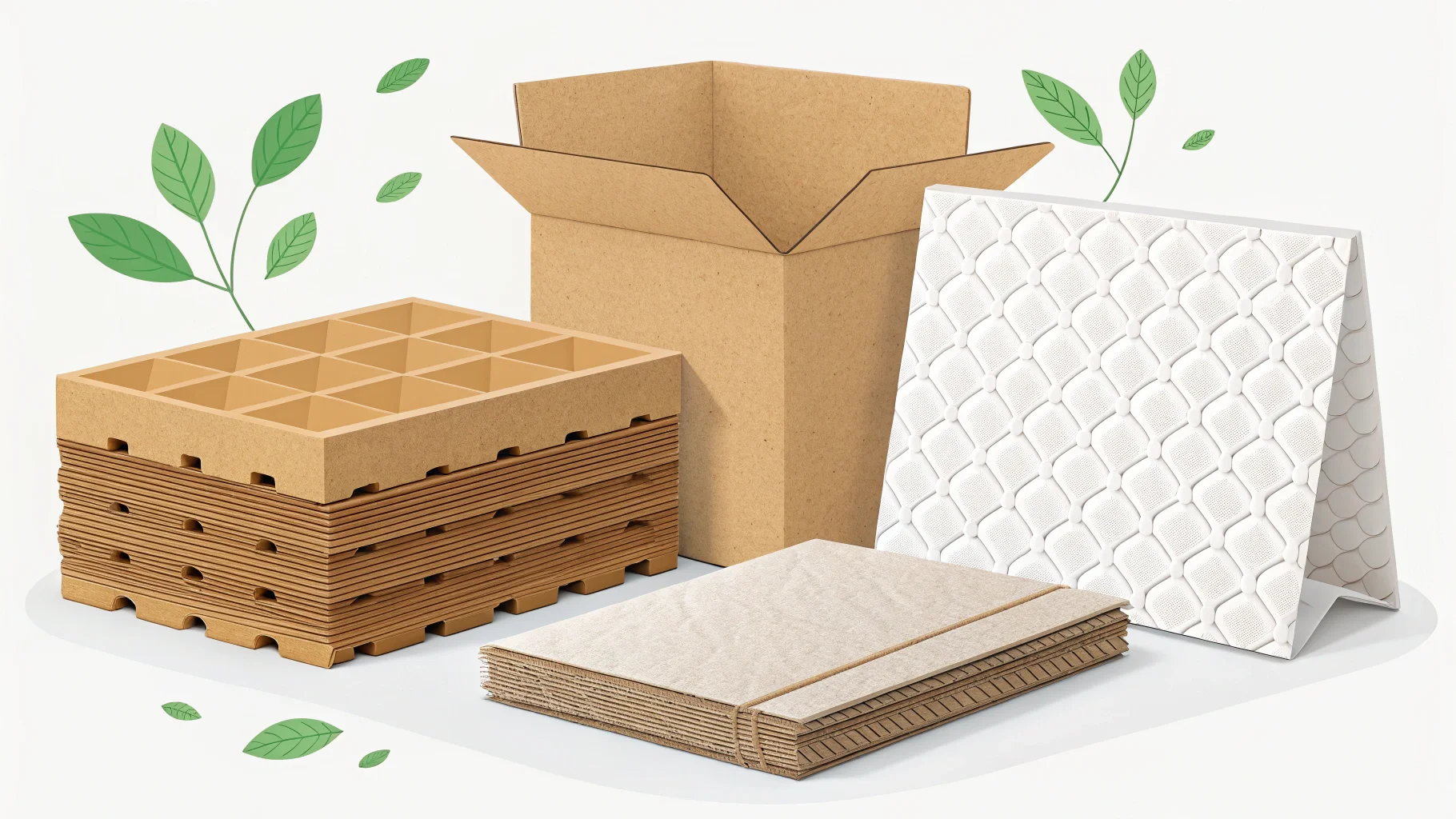
When I start a project, we spend a lot of time just touching and feeling paper samples. The material is the foundation of the entire package. It determines how well it prints, how strong it is, and how it feels in the customer's hand. For a premium cosmetic product, you want a material with some weight and substance. A rigid box, made from thick greyboard wrapped in specialty paper, communicates luxury before it's even opened. For a product that is sold in a high-volume retail store, a folding carton made from SBS paperboard is a better choice. It offers a great printing surface and can be produced efficiently. You also have to think about inserts. Foam inserts can feel cheap and are bad for the environment. A custom-designed paperboard insert can hold the product just as securely and looks much more premium.
Paperboard Options
These are used for folding cartons. They are great for printing and can be die-cut into complex shapes. They offer a good balance of protection and cost-effectiveness.
Rigid and Specialty Materials
These are used for high-end, gift-style boxes. They are non-collapsible and provide a sense of weight and permanence. You can wrap them in a huge variety of textured and colored papers.
| Material | Best For | Feel & Perception | Sustainability |
|---|---|---|---|
| SBS Paperboard | Folding cartons, retail boxes | Smooth, clean, professional | Widely recyclable, can be FSC certified |
| Uncoated Paper | Natural or eco-brands | Textured, raw, authentic | Often high recycled content, recyclable |
| Rigid Board | Luxury gift sets, PR kits | Heavy, durable, premium | Recyclable, but depends on wrap/glue |
| Molded Pulp | Protective inserts, eco-luxe | Organic, protective, modern | Compostable and made from recycled material |
Which Surface Finishes Elevate Luxury?
Your box looks flat and boring on the shelf. You want a premium feel but don't know where to start. Simple finishes can transform your packaging from basic to truly luxurious.
To elevate luxury, use tactile finishes13. Matte or soft-touch lamination provides a sophisticated feel. Spot UV adds a high-gloss contrast to specific areas. Embossing and debossing create physical texture, while foil stamping adds a metallic shine that signals premium quality.
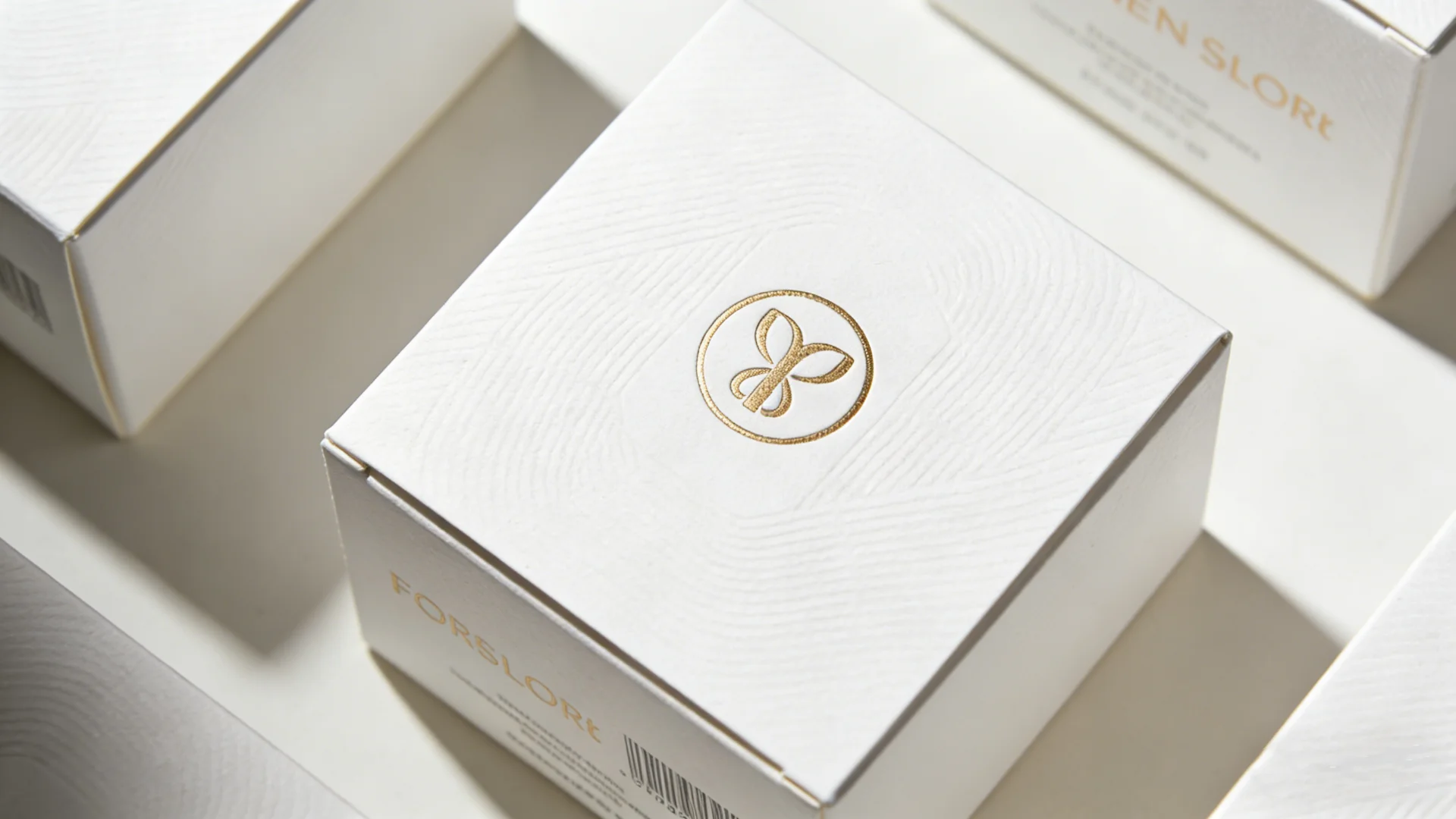
Here is a secret I've learned over many years: true luxury is process control, not just decoration. A simple design with a perfectly applied matte lamination and a crisp, clean emboss looks far more expensive than a box covered in poorly registered foil and sloppy gloss. The key is working with a manufacturer who has excellent quality control. They ensure the pressure on the emboss is consistent. They make sure the foil is sharp with no bleeding. They keep the color the same from the first box to the last. When you are planning your finishes, think about contrast. A high-gloss Spot UV logo on a super-matte background creates a powerful visual and tactile effect. A deep, blind deboss (an indent with no ink or foil) on a textured paper is the definition of quiet luxury11.
Tactile Finishes
These are finishes you can feel. They include soft-touch lamination, embossing (raised), and debossing (indented). They make the packaging more engaging to hold.
Visual Finishes
These finishes are about what you see. Foil stamping adds metallic elements. Spot UV adds targeted areas of high gloss. These are used to draw the eye to a logo or key design element.
| Finish | Effect | Best Use Case |
|---|---|---|
| Matte Lamination | Smooth, non-reflective, elegant | The base for most luxury packaging |
| Spot UV Gloss | High-gloss, wet look on specific areas | Logos, patterns, text callouts |
| Foil Stamping | Metallic, shiny, reflective | Logos, borders, premium accents |
| Embossing/Debossing | Raised or indented texture | Logos, patterns, adding a tactile feel |
How Do You Design for Function and Experience?
A beautiful box is useless if it is hard to open. Or if the product rattles around inside. Frustrating packaging can ruin a customer's perception of your high-quality brand.
Design for the entire user journey. The box must be easy to open, protect the product perfectly, and present it beautifully when it is revealed. Consider custom paperboard inserts to hold items securely. The "unboxing experience8" should feel like a special, seamless ritual.
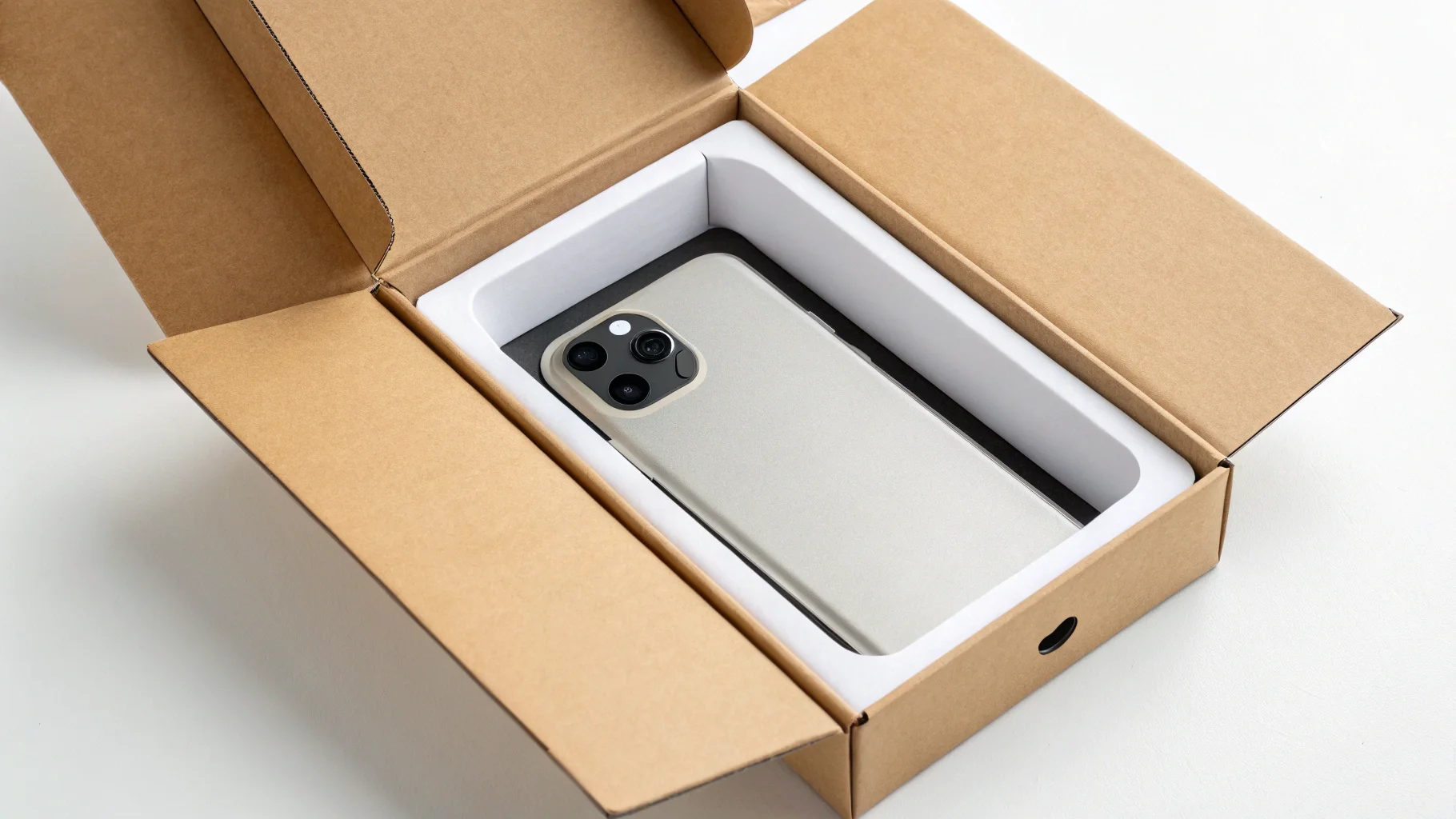
I always think about the moment the customer opens the box. This is the big reveal. The product should be held securely in place, presented like a jewel in a case. A custom insert is critical for this. It stops the product from moving during shipping, which prevents damage. It also controls the presentation. A well-designed insert can hold a bottle at the perfect angle. It can have a ribbon pull to make it easy to lift out. The structure of the box itself is also part of the experience. A magnetic closure gives a satisfying "snap" when it closes, which feels very premium. A sleeve that slides off smoothly builds anticipation. You must prototype and test these things. Put the product in the box and ship it to yourself. Try to open it one-handed. These small functional details make a huge difference.
The Unboxing Ritual
This is the process the customer goes through from receiving the package to holding the product. Every step should be easy and enjoyable. Avoid tight seals, too much tape, or complex folds.
Protective and Presentational Inserts
Inserts are not just for protection. They are a stage for your product. A custom-fit, color-matched paper insert is a much better choice than a generic foam or plastic tray.
| Element | Purpose | Design Tip |
|---|---|---|
| Box Structure | Protection and initial impression | Choose a style that is easy to open (e.g., lid-off, magnetic). |
| Inserts | Secure the product and present it | Use die-cut paperboard inserts matched to the product shape. |
| Opening Mechanism | Ease of access and user experience3 | Add a thumb-notch or ribbon pull for easy opening. |
| Reveal | The "wow" moment of unboxing | Ensure the product is the first and main thing the customer sees. |
What Makes Sustainability Work?
Customers say they want sustainable packaging. But "green" options often look cheap or don't protect the product. I will show you how to do sustainability the right way.
Working sustainability means choosing materials that are genuinely recyclable or compostable, like FSC-certified paper. It also means designing for less waste (right-sizing) and using eco-friendly inks. The key is being transparent and authentic, not just "greenwashing" with vague claims.
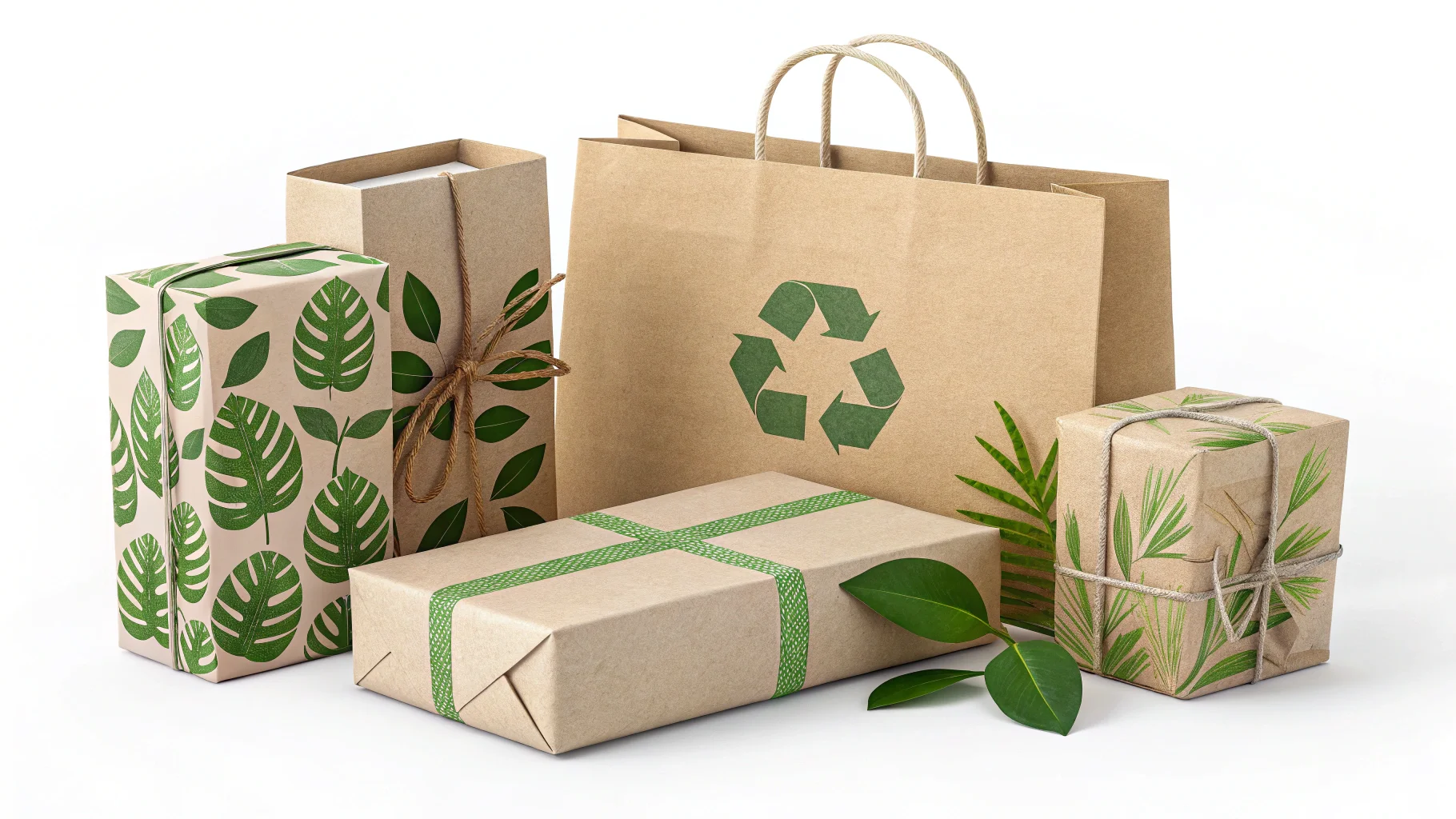
Sustainability has to be real. You can't just put a green leaf logo on your box and call it a day. Customers are smart and will see through that. Real sustainability starts with material choices. Using paper from responsibly managed forests (FSC certified) is a great start. Using mono-materials is even better. This means the entire box, including the insert, is made from paperboard, making it easy for the customer to recycle. Avoid mixing materials like plastic windows or foam inserts. Another big part of sustainability is design. Don't make the box bigger than it needs to be. This "right-sizing" reduces material use, lowers shipping costs, and creates less waste. I worked with a brand that reduced their box size by 20%. This saved them thousands in materials and shipping, and their customers loved the change.
Material Choices
Focus on materials that are easy for consumers to recycle in their local systems. Paper and paperboard are almost universally recyclable. Avoid complex laminates that can't be separated.
Design for Disassembly
If you must use multiple materials, design the package so they can be easily separated. A plastic insert that lifts out easily is better than one that is glued in permanently.
| Level | Description | Example |
|---|---|---|
| Good | Using Recyclable Materials | A box made from FSC-certified paperboard. |
| Better | Using High Recycled Content | A box made from 100% post-consumer waste paper. |
| Best | Designing for Circularity | A mono-material box designed to be easily refilled or repurposed. |
Why Should You Integrate Manufacturing Early?
Your beautiful design gets rejected by the factory. Or the final quote is double your budget. This last-minute chaos is stressful, expensive, and completely avoidable. There is a better way.
Involving your manufacturer from the start is the single best way to reduce risk, save time, and control costs. They can provide immediate feedback on your design's feasibility, suggest better materials, and engineer the structure for efficiency. This collaboration prevents costly redesigns later.
I cannot stress this enough. This is the most important piece of advice I can give you. I had a client who came to me with a "finished" design. It was beautiful, but it required five different complex machine processes. The cost was astronomical. We spent two weeks working with their designer to simplify the construction. We achieved 90% of the original look for 40% of the cost. If they had just talked to us first, they would have saved weeks of time and a lot of frustration. When you bring in a manufacturing partner early, they become part of your team. They can guide you on material tolerances, printing capabilities, and assembly methods. This is called Early Supplier Involvement (ESI), and it turns the process from a gamble into a predictable plan.
The Cost of Late-Stage Changes
A change to a digital design file is easy. A change after printing plates have been made or materials have been ordered is incredibly expensive and causes major delays.
The Power of Collaboration
Your manufacturer knows what their machines can do best. They can often suggest a small structural change that will make the box stronger, faster to produce, and less expensive, without changing the look.
| Stage | Traditional Process (Late Involvement) | ESI Process (Early Involvement) |
|---|---|---|
| Concept | Design is created in a vacuum. | Manufacturer provides feedback on ideas. |
| Design | Designer finalizes the art and structure. | Manufacturer suggests efficient structures. |
| Quoting | First time manufacturer sees the file. Quote is a surprise. | Budgetary quotes are provided during design. |
| Production | Problems are discovered. Redesigns and delays. | Smooth production, as the design is pre-vetted. |
What Are The Common Mistakes to Avoid?
You've finally launched your new product. But the packaging has typos, the brand colors are wrong, or the boxes fall apart during shipping. These mistakes are very common, and they are very embarrassing.
The most common mistakes are over-designing, ignoring structural needs, and poor proofreading. Brands also forget to test the packaging in real-world shipping conditions. Another huge error is choosing a supplier based on the lowest price alone, which often leads to major quality issues.
A low price from a supplier is often a red flag. It can mean they are using thin, low-quality materials or they have poor quality control. I've seen brands save a few cents per box only to have an entire shipment ruined because the boxes couldn't handle the stress of shipping. Another mistake is forgetting about the little details. A single typo on a box can destroy your brand's credibility. Always have multiple people proofread every single word. And please, test your packaging. Pack your product, put it in a shipping box, and mail it across the country and back. See how it holds up. This simple test can save you from a disaster. Your manufacturing partner should be helping you avoid these mistakes, not causing them.
Design and Pre-press Errors
These include typos, low-resolution images, and incorrect colors. A simple mistake here gets printed thousands of time. It's critical to have a detailed pre-press review process.
Forgetting the Supply Chain
Your box doesn't just sit on a shelf. It gets packed, stacked on pallets, loaded on trucks, and handled by many people. The structure must be strong enough to survive this entire journey.
| Common Mistake | Why It Happens | How to Prevent It |
|---|---|---|
| Typographical Errors | Rushing the approval process | Have 3 different people proofread the final file. |
| Structural Failure | Not testing for real-world shipping | Create prototypes and do physical ship tests. |
| Inconsistent Color | No color standard was set | Use a Pantone (PMS) color standard and ask for a press-check. |
| Choosing Lowest Price | Focusing only on unit cost | Vet suppliers on quality, service, and reliability, not just price. |
What Are The Actionable Steps to Take?
You have learned a lot. But you might not know where to begin. It can feel overwhelming. I will give you a clear, simple checklist to get started right now.
Start by defining your brand, budget, and timeline clearly. Next, find a manufacturing partner, not just a printer. Collaborate with them on design and material selection. Finally, always get a physical prototype and test it thoroughly before you approve the final production run.

This is not a creative process you do alone. It is a technical and collaborative project. The most successful brands I work with treat us, the manufacturer, as a partner from day one. They share their vision, their budget, and their worries. In return, we share our expertise to guide them to the best possible result. Start by writing down everything you know. Who is your customer? What is your budget per box? When do you need them? Then, start talking to potential suppliers. Don't just ask for a price. Ask them how they would approach your project. Ask them to show you examples of similar work. The right partner will be excited to work with you to solve your challenges and create something amazing together.
The Discovery Phase
This is where you do your homework. Define what you need before you start designing or asking for quotes. Clarity at this stage saves a huge amount of time later.
The Development and Production Phase
This is the collaborative part. Work with your designer and manufacturer together to create prototypes, refine the design, and prepare for the final production run.
| Step | Key Question to Answer | Who to Involve |
|---|---|---|
| 1. Define | What is my budget, timeline, and brand message? | Marketing Team, Leadership |
| 2. Partner | Who is the right manufacturer to bring this to life? | You, Potential Suppliers |
| 3. Collaborate | How can we design a box that is beautiful and manufacturable? | You, Your Designer, Your Manufacturer |
| 4. Prototype | Does the physical sample meet all our requirements? | You, Marketing Team |
| 5. Test | Does it protect the product during shipping? | You, Logistics Team |
| 6. Produce | Are we ready to approve the final production run? | You, Your Manufacturer |
Conclusion
Crafting great cosmetic packaging is a partnership. By focusing on smart design, quality materials, and early collaboration with your manufacturer, you create a box that protects and sells your product.
Explore effective strategies for creating eye-catching cosmetic packaging that enhances brand appeal. ↩
Learn about the critical factors in selecting the right materials for your packaging. ↩
Learn how to design packaging that provides a delightful user experience and boosts customer satisfaction. ↩
Discover innovative sustainable packaging solutions that resonate with eco-conscious consumers. ↩
Understand the benefits of collaborating with manufacturers early in the design process for better outcomes. ↩
Find out how packaging influences customer perceptions and can drive sales. ↩
Explore ways to design packaging that resonates emotionally with consumers. ↩
Explore the importance of creating a memorable unboxing experience for your customers. ↩
Gain insights into managing budget and timeline effectively in packaging projects. ↩
Understand the value of consulting with packaging experts during the design process. ↩
Explore the concept of quiet luxury and how it can influence packaging choices. ↩
Learn how interactive packaging can engage customers and enhance their experience. ↩
Understand the role of tactile finishes in creating a premium feel for packaging. ↩