
Your brand is growing, but finding reliable packaging1 is tough. A bad supplier means delays and budget overruns. Let's find you a partner that ensures your success.
To choose a reliable manufacturer, focus on more than just price. Look for a partner with a stable supply chain2, clear communication3, and proven scalability. Prioritize long-term consistency4 and manufacturing expertise5 over the lowest initial quote. This ensures quality and avoids future disruptions as you grow.

I have seen too many brands stumble when choosing a packaging supplier. They focus on the wrong things and end up paying for it later. So, how do you avoid these common mistakes? It all starts with understanding the basics. Let's break it down so you can make a choice you will not regret.
What Is Wholesale Cosmetic Packaging and Who Is It For?
You hear "wholesale" and think it is just for big players. You worry your brand is too small. But this thinking might be holding you back from saving money.
Wholesale cosmetic packaging is buying containers, jars, and tubes in large quantities directly from a manufacturer or distributor. It's for growing indie brands, established companies, and anyone needing consistent, cost-effective packaging6g solutions](https://beautypluspacking.com/what-is-the-best-packaging-for-cosmetics/)%%%FOOTNOTE_REF_7%%% at scale, not just the massive corporations.
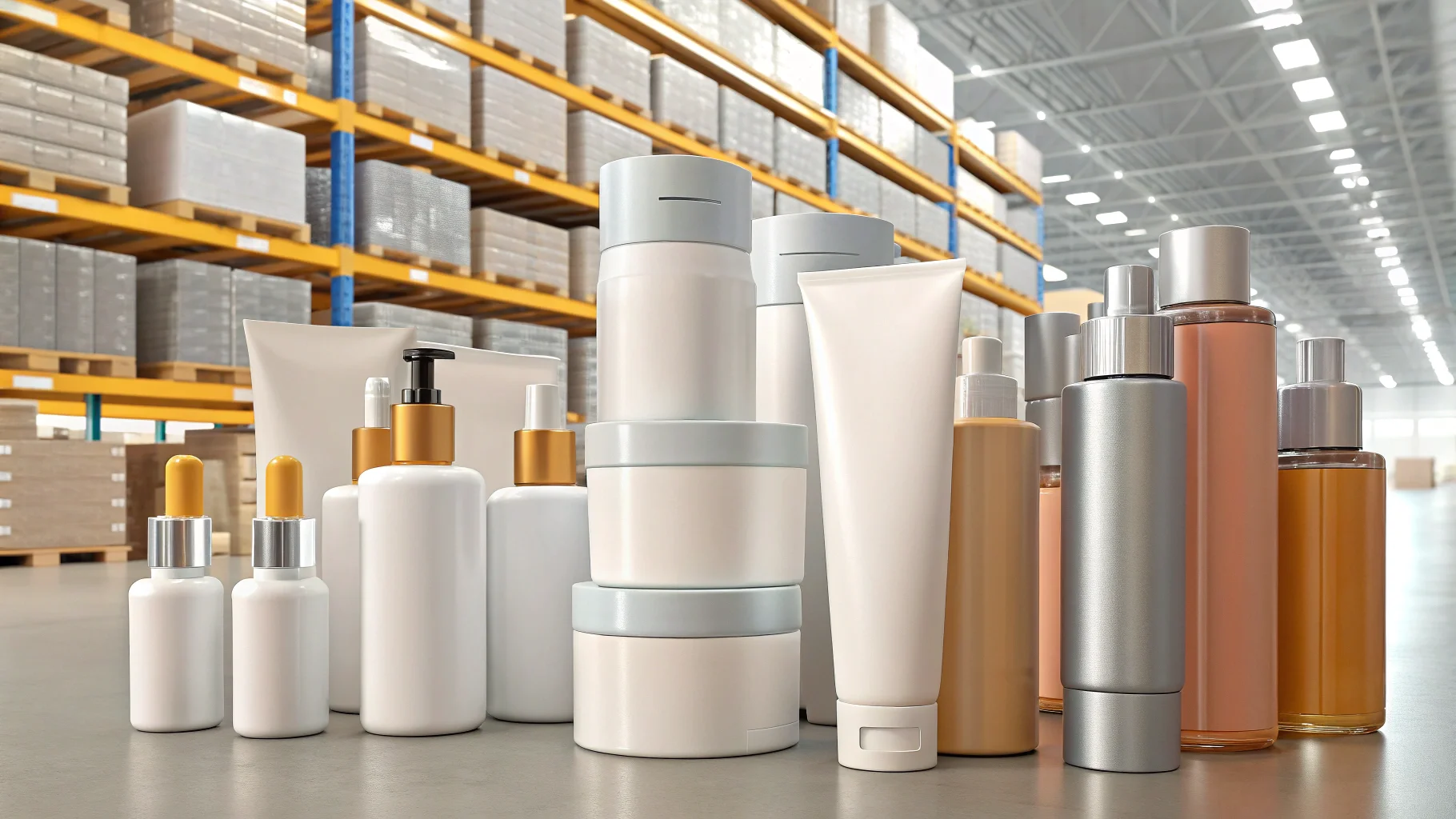
Wholesale simply means buying in bulk to get a better price. It is the next logical step when your brand outgrows buying a few hundred pieces at a time. This transition is crucial for scaling your business. I remember working with a small skincare brand that started on Etsy. They were buying 100 jars at a time from a local distributor. When their sales took off, they needed 5,000 units for a new production run. They thought wholesale was out of reach. We showed them how meeting a manufacturer's Minimum Order Quantity (MOQ)8 would cut their unit cost by 60%. This is the power of buying directly.
Who Benefits Most?
Growing brands are the primary beneficiaries. When you move from 500 units to 5,000, your old supply method becomes too expensive and unreliable. Established brands also use wholesale manufacturers to optimize their supply chain, reduce costs, and innovate with custom packaging9 that distributors do not offer.
The Minimum Order Quantity (MOQ)8 Myth
Many brands fear the MOQ. They see 10,000 units and think it is impossible. But the MOQ exists for a reason. It is the minimum number of units needed to run the production machinery efficiently. Below that number, the setup cost makes each piece too expensive. A good partner will be transparent about their MOQs and might even offer solutions for smaller runs on stock items.
| Feature | Retail/Small Batch | Wholesale/Manufacturer |
|---|---|---|
| Unit Cost | High | Low |
| Customization | Limited to None | Extensive Options |
| Quality Consistency | Can Vary by Batch | High and Standardized |
| MOQ | Very Low (1-100) | High (5,000+) |
| Lead Time | Short (Days) | Long (Weeks/Months) |
What Really Matters When Choosing a Wholesale Cosmetic Packaging Supplier?
You get dozens of quotes, and they all look the same. How do you pick a winner? Choosing the cheapest one feels risky, and you are right to worry.
The most important factors are not just price. Look for manufacturing expertise5, quality control systems10, supply chain stability11, and transparent communication. A true partner helps you prevent problems, not just fix them. They should understand your brand's long-term goals and be able to scale with you.
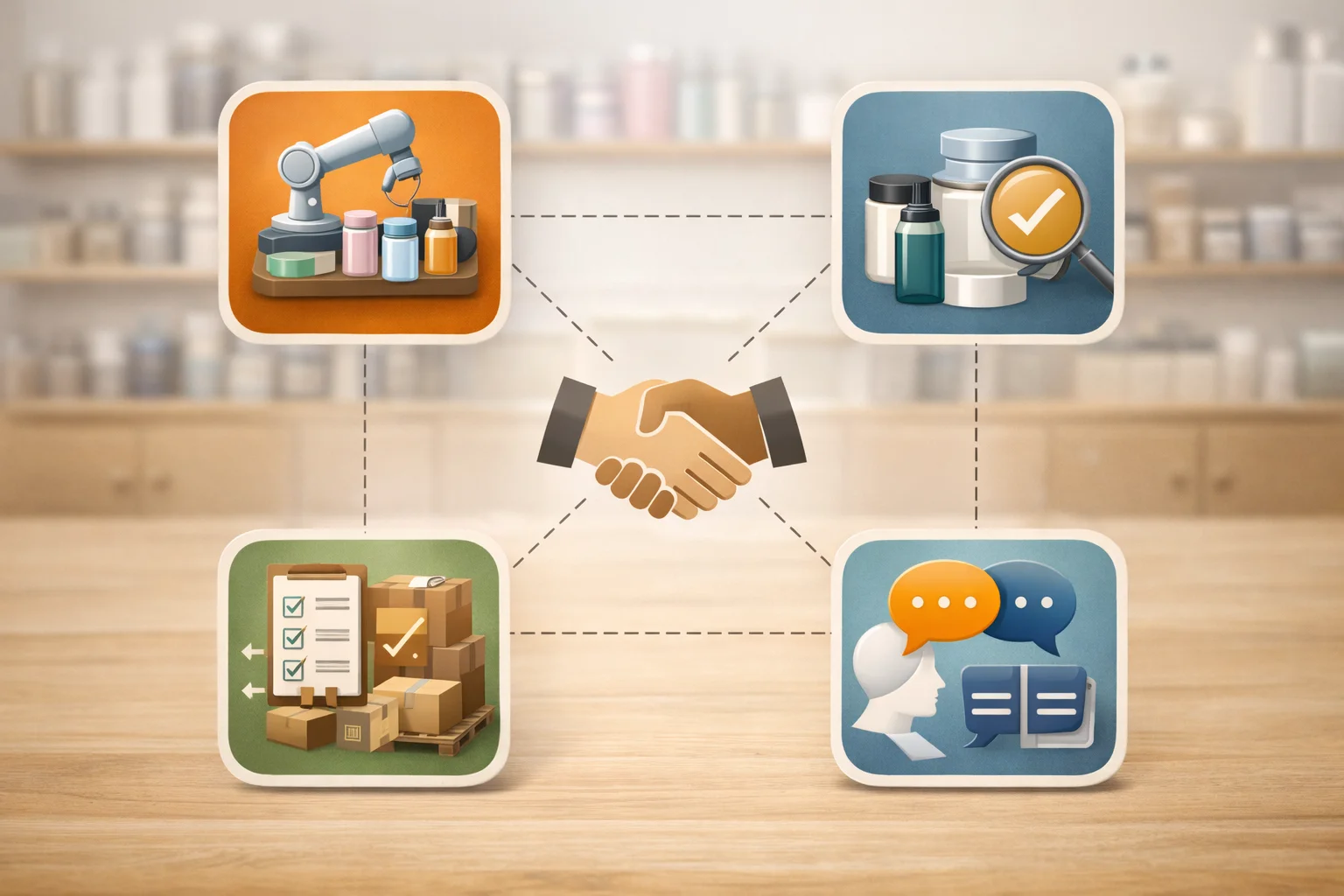
I once had a client come to me after a terrible experience. They chose a supplier based on a rock-bottom price for a custom cap. After paying for the mold, the supplier admitted they could not produce the design without defects. The project was delayed by months, and they lost their initial investment. This is why expertise matters more than price. A real manufacturing partner would have identified the design flaw from the beginning. They would have worked with the brand to adjust the design for manufacturability before any money was spent on tooling. This is the difference between a simple vendor and a long-term partner.
Beyond the Price Tag
A low unit price can hide many problems. You must look deeper. Does the supplier own their factory, or are they a middleman? Do they have robust quality control procedures? Can they show you examples of similar projects they have completed? A cheap price is worthless if the packaging leaks, the colors do not match, or the shipment is two months late.
The Partnership Litmus Test
You can tell a lot about a supplier by how they communicate. A good partner is proactive. They ask smart questions about your product and your brand. They offer suggestions to improve your packaging or save you money. A vendor just sends a price list.
| Factor | Vendor (Red Flags) | Partner (Green Flags) |
|---|---|---|
| Communication | Slow, vague answers, hard to reach | Proactive, provides detailed updates |
| Problem Solving | Blames you or other suppliers | Suggests solutions, takes ownership |
| Focus | Lowest possible unit price | Best long-term value, Total Cost of Ownership |
| Expertise | Accepts any design without question | Questions the design, suggests improvements |
What Common Problems Do Brands Face with Wholesale Cosmetic Packaging?
Your launch date is set, but your packaging is delayed. Or worse, it arrives with defects. These nightmares can sink a growing brand and destroy your reputation.
Brands often face inconsistent quality, unexpected delays, hidden costs12, and poor communication. Many problems come from choosing a supplier based only on a low price, leading to issues with color matching, material durability, and components that do not fit together perfectly.
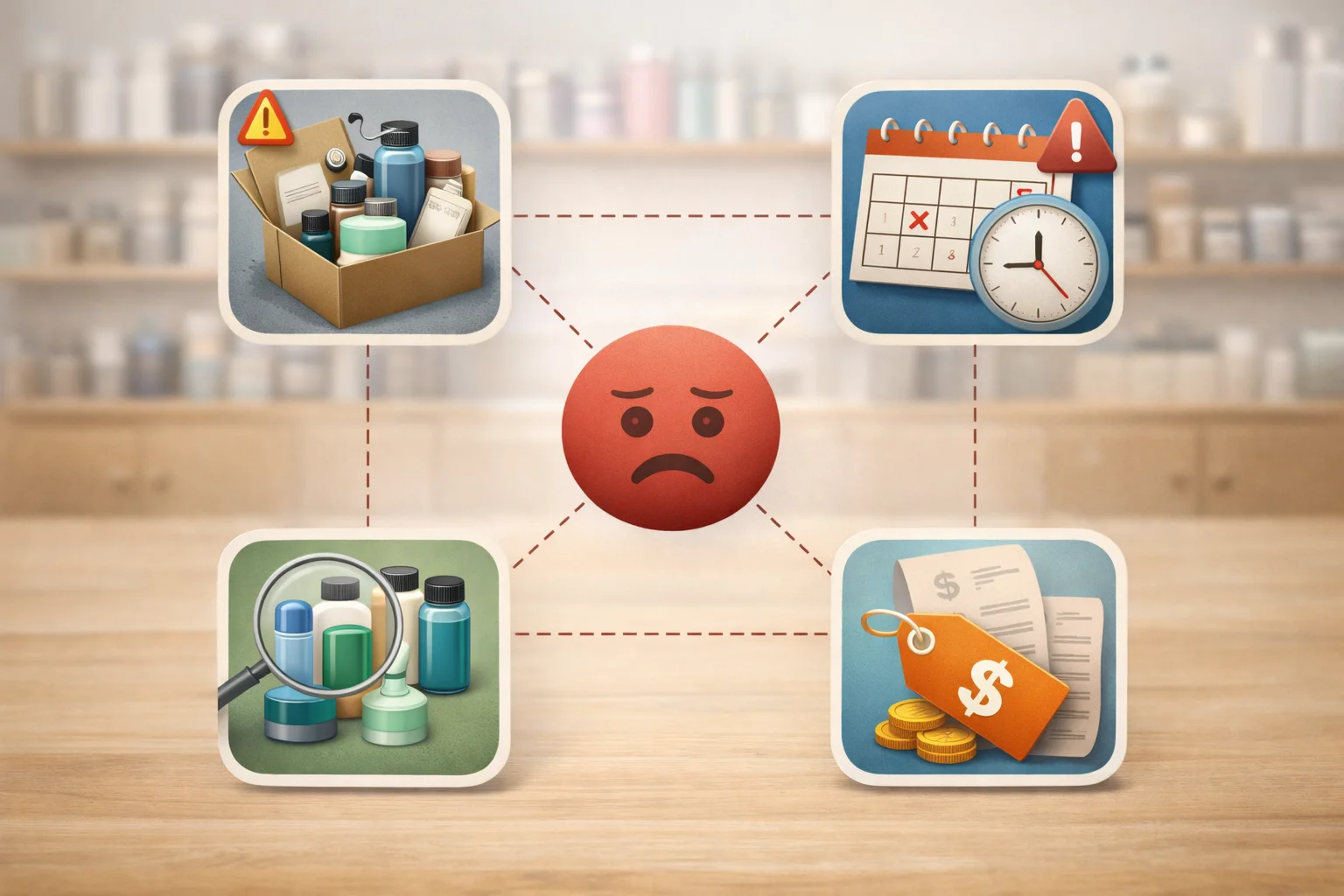
These are not just small annoyances; they have a real business impact. I worked with a brand that launched a new face cream. They went with the cheapest jar they could find. A few weeks after launch, customers started complaining that the jars were leaking. The cheap liner in the cap was not compatible with their formula. They had to recall the product, refund customers, and rush-order new packaging. The "savings" from the cheap jar cost them thousands of dollars and damaged their brand's credibility. This is a classic example of focusing on unit price instead of total value and quality.
The Domino Effect of Poor Quality
A single quality issue can set off a chain reaction. A poorly fitting pump leads to customer complaints. Customer complaints lead to bad reviews. Bad reviews hurt sales. Inconsistent color from one batch to the next makes your brand look unprofessional. These issues erode the trust you have worked so hard to build with your customers.
Hidden Costs That Wreck Budgets
The price on the quote is rarely the final price. Many suppliers hide costs that appear later. These can include extra fees for color matching, charges for new tooling, or inflated shipping costs. A transparent partner will provide a detailed quote that outlines all potential expenses from the start.
| Common Problem | Typical Root Cause |
|---|---|
| Color Mismatch | No master color standard; poor quality control. |
| Leaking/Fit Issues | Inaccurate tooling; material compatibility was not tested. |
| Production Delays | Unrealistic promises; weak supply chain management13. |
| Hidden Fees | Vague quotes; not including shipping, tariffs, or taxes. |
How Does a Manufacturer-Led Supply Chain Solve These Issues?
You are tired of juggling suppliers, designers, and freight forwarders. Things fall through the cracks. A single point of failure can halt your entire production line.
A manufacturer-led supply chain centralizes control. By working directly with the factory that makes your packaging, you reduce communication errors14, improve quality oversight, and shorten lead times. This integrated approach means fewer middlemen, fewer delays, and a partner who is fully accountable for the final product.
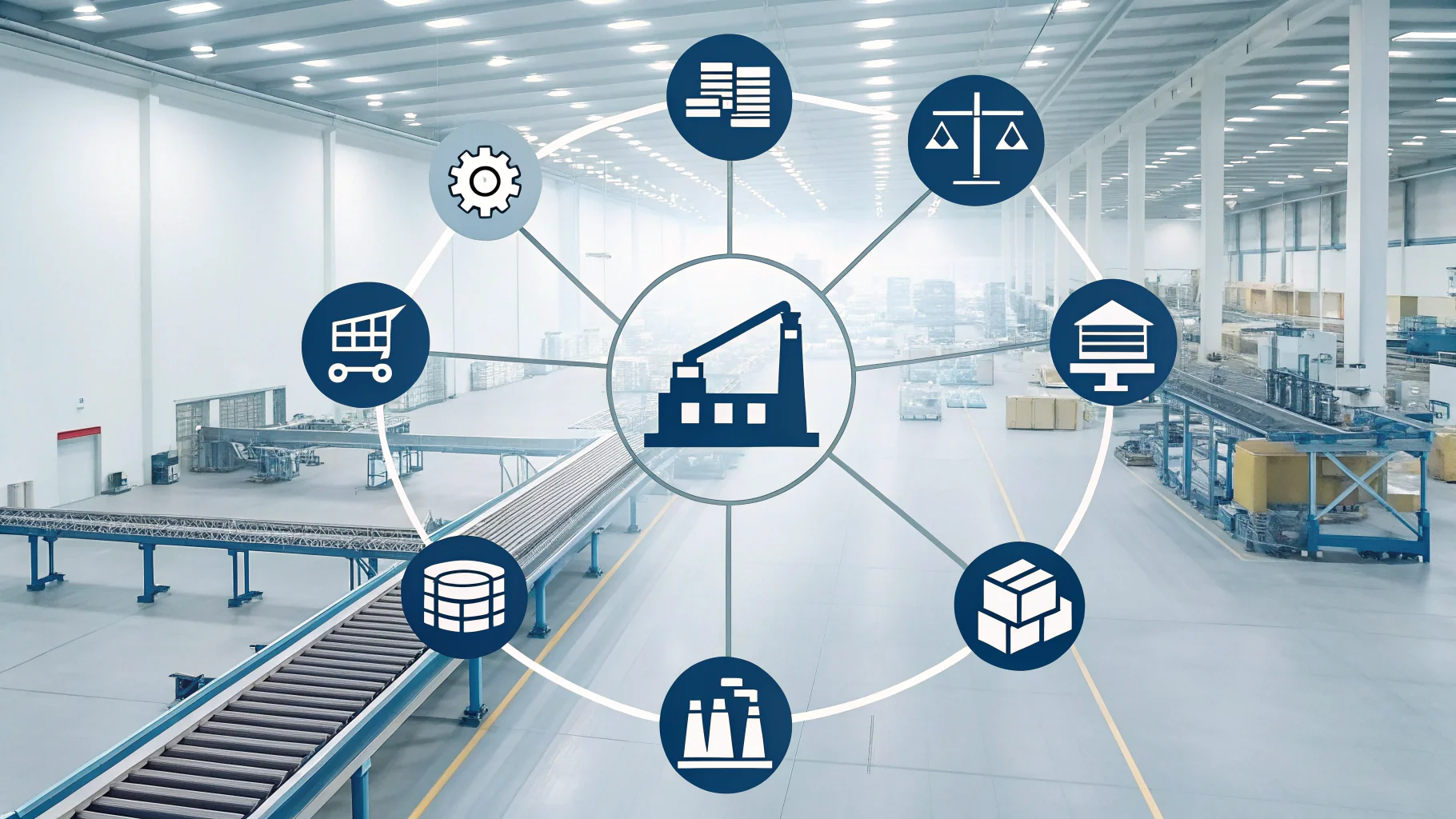
Think of it like building a house. You can hire an architect, a plumber, an electrician, and a painter separately. You would have to manage all of them. If the walls are in the wrong place, the plumber and electrician will blame the architect. Or, you can hire a general contractor who manages everyone. The contractor is your single point of contact and is responsible for the final result. A manufacturer-led supply chain is like having a general contractor for your packaging. Instead of dealing with separate designers, agents, and factories, you have one partner who oversees the entire process from concept to delivery.
The Power of Direct Communication
When you talk directly to the manufacturer, your feedback is not lost in translation. If you need to change a color or adjust a design, the information goes straight to the people running the machines. This speed and clarity prevent costly mistakes and delays.
Accountability from Start to Finish
With a manufacturer as your main partner, they are accountable for everything. They help you choose the right material. They ensure the design can be produced efficiently. They manage the quality control. They pack the products for safe shipping. There is no one else to blame if something goes wrong, which means they are highly motivated to get it right the first time.
| Aspect | Fragmented Supply Chain | Manufacturer-Led Supply Chain |
|---|---|---|
| Accountability | Diffused, lots of finger-pointing | Centralized, one partner is responsible |
| Communication | Slow, goes through many layers | Fast, direct to the source of production |
| Design Feedback | Comes late, often after tooling is made | Happens early, during the design phase |
| Cost | Multiple markups, risk of hidden fees | Transparent, lower total cost |
What are Wholesale Cosmetic Packaging Solutions by Product Type?
You have a great new serum, but what bottle should it go in? The options are overwhelming. Choosing the wrong packaging can compromise your formula or your brand image.
The right packaging depends on your product. Airless pumps are great for protecting sensitive formulas. Jars work for thick creams. Tubes are cost-effective for cleansers and lotions. A good manufacturer will guide you to the best material and container type based on your product's viscosity and ingredients.
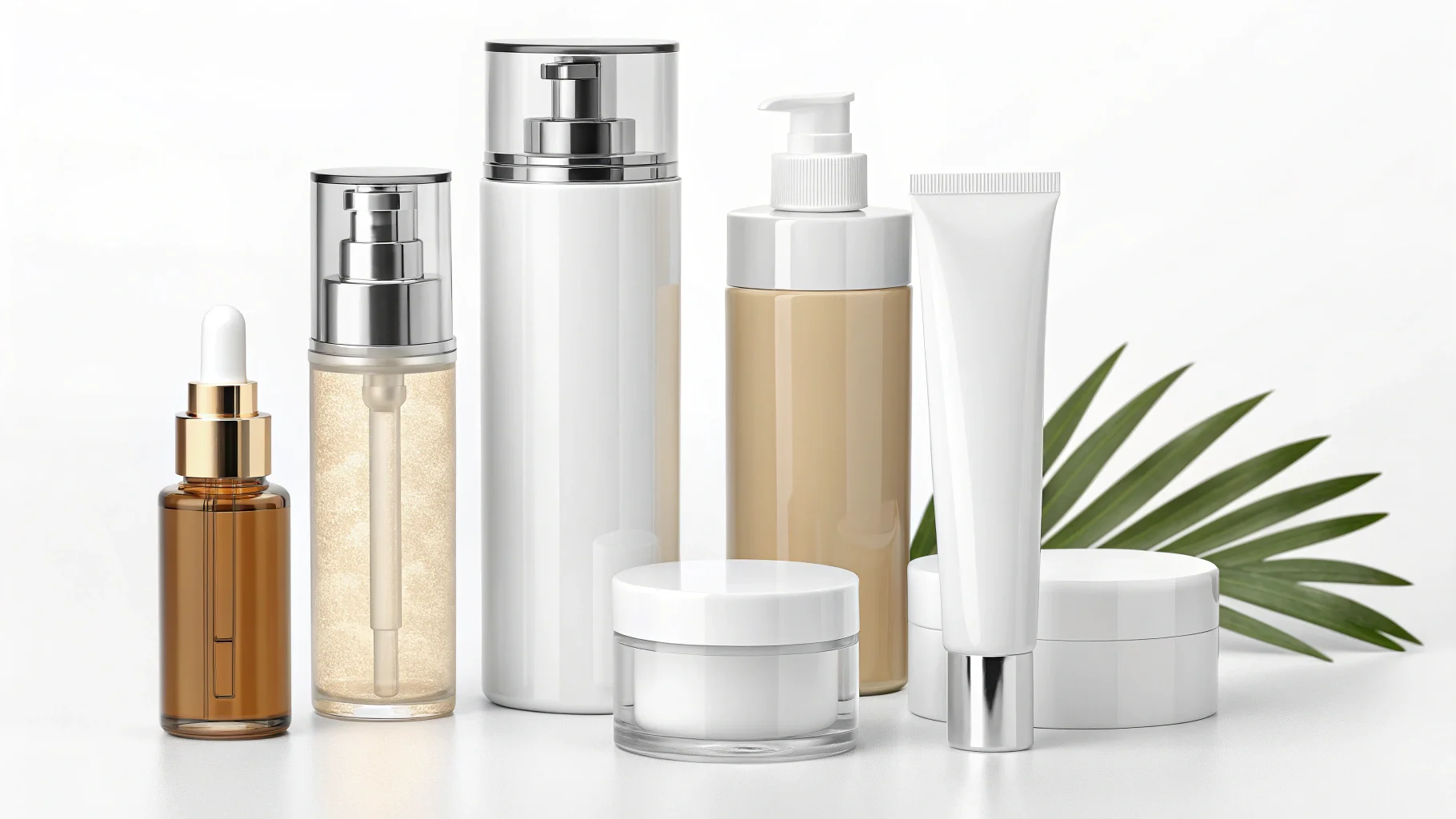
Choosing the right container is a science. It is not just about looks. The packaging must protect your formula from air, light, and contamination. It must also be easy for your customer to use. I once consulted for a brand that put a very thin, watery serum in a wide-mouth jar. It was messy for customers to use and exposed the delicate formula to air every time it was opened. We switched them to a glass bottle with a dropper. This provided better product protection15 and a more premium user experience16. A good manufacturing partner provides this kind of expert guidance.
Packaging for Liquids and Serums
For thin liquids, serums, and oils, you need control and protection. Glass is an excellent choice because it is inert and feels premium. Airless pump bottles are the best for protecting sensitive ingredients like Vitamin C from oxidation.
Solutions for Creams and Balms
Thicker products like face creams, masks, and body butters work well in jars. Polypropylene (PP) jars are lightweight and durable. For a more luxury feel, heavy-wall PETG or glass jars are great options. Squeezable tubes are also a fantastic, hygienic option for creams and masks.
Options for Powders and Solids
For loose powders like setting powder or dry shampoo, a jar with a sifter is standard. For solid products like deodorant or balm sticks, twist-up or push-up containers are ideal.
| Product Type | Recommended Packaging | Key Considerations |
|---|---|---|
| Serums, Oils | Glass Dropper Bottles, Airless Pumps | UV protection, formula stability, precise dosage |
| Creams, Masks | PP/PETG Jars, Squeezable Tubes | Viscosity, ease of use, hygiene |
| Cleansers, Lotions | PET Bottles with Pumps, PE Tubes | High volume use, cost-effectiveness, durability |
| Powders | Sifter Jars, Powder Sprayers | Moisture protection, controlled dispensing |
What are the Decoration & Finishing Options at Wholesale Scale?
Your packaging needs to stand out on the shelf. But you are worried custom decorations will be too expensive. Or worse, the finish will scratch off easily.
At a wholesale scale, you have many decoration options17 like silk screening, hot stamping, and spray finishing. The key is planning decoration during the design phase. A good manufacturer will help you choose a method that is both durable and cost-effective for your order volume.
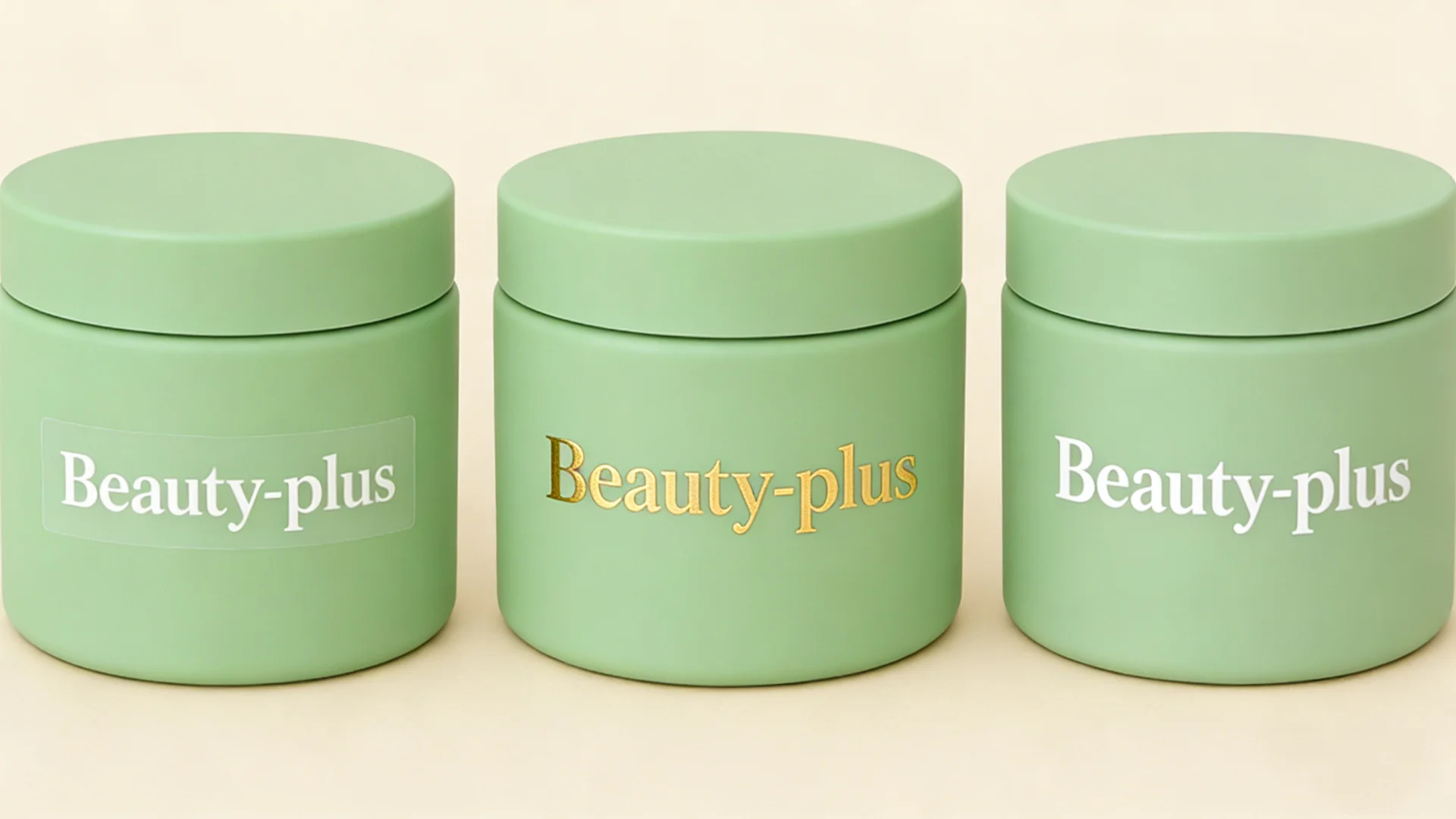
A beautiful decoration can make or break your product's shelf appeal. But a poorly executed one is worse than no decoration at all. I have seen "luxury" packaging where the gold foil scratches off with a fingernail. This happens when a brand chooses a decoration method that is not suitable for the material or the product's intended use. A good manufacturer tests for this. They will perform adhesion tests to make sure your branding stays put. I worked with a brand that wanted a full-wrap metallic finish on a bottle. The cost was very high. We suggested a solution: use a colored plastic resin and add a simple, elegant hot-stamped logo. It achieved a similar premium feel for 30% less cost.
Common Decoration Techniques
There are many ways to make your package unique. Silk screening is perfect for simple logos and text. Hot stamping adds a metallic or foil look. Spray finishing can create a soft-touch "velvet" feel or a custom color gradient. The right choice depends on your design complexity, budget, and desired level of durability.
Designing for Decoration
The best time to think about decoration is at the very beginning of the design process. A complex, curved surface is harder to print on than a flat surface. A design with five colors will be more expensive than a design with two colors. By considering these manufacturing realities early, you can create a stunning design that is also affordable to produce at scale.
| Decoration Method | Best For | Cost/Unit | Durability |
|---|---|---|---|
| Silk Screen | Simple logos, text (1-3 colors) | Low-Medium | High |
| Hot Stamping | Metallic/foil effects | Medium | Medium-High |
| Spray Finishing | Custom colors, gradients, soft-touch | Medium-High | High |
| Offset Printing | Full-color images on flat surfaces/tubes | High | Medium |
What Cost, Lead Time, and Risk Factors Do Buyers Often Overlook?
You focused only on the unit price. Now you are facing surprise shipping costs and long delays. These hidden factors can turn a "good deal" into a disaster.
Buyers often overlook the total cost of ownership. This includes tooling, shipping, tariffs, and the cost of potential delays or quality issues. A reliable partner provides a clear, all-in quote and realistic lead times, helping you manage risk and budget more effectively from the start.

Buying packaging is like buying a car. You would not just look at the sticker price. You would also consider the cost of insurance, gas, and maintenance. It is the same with packaging. The unit price is just one part of the equation. I once saw a brand choose a supplier because their unit price was $0.10 cheaper. But that supplier's defect rate was 8% higher. On an order of 50,000 units, that is 4,000 defective pieces they could not sell. The "cheaper" supplier ended up being far more expensive when you calculated the effective unit cost of the usable products.
Understanding Total Cost of Ownership (TCO)
Your true cost is not the unit price. It is the Total Cost of Ownership. This is the unit price, plus tooling costs, shipping, tariffs, and the cost of any quality failures or delays. A supplier with a slightly higher unit price but a stellar quality record and reliable delivery schedule will almost always have a lower TCO in the long run.
The True Meaning of Lead Time
Lead time is another area of confusion. It does not start when you approve the quote. It starts when you confirm the order and approve the final pre-production sample. The full timeline includes design, prototyping, tooling creation (which can take 4-8 weeks alone), production, quality control, and shipping. A good partner gives you a realistic timeline for this entire process, not just the production part.
| Overlooked Factor | Why It Matters | How to Manage It |
|---|---|---|
| Tooling Costs | A large, one-time expense. Who owns the mold? | Clarify ownership and amortization in your contract. |
| Shipping & Tariffs | Can add 20-40% to your total cost. | Ask for a DDP (Delivered Duty Paid) quote. |
| Quality Defects | A 5% defect rate on 10,000 units is 500 bad units. | Ask about their QC process and AQL (Acceptable Quality Limit). |
| Lead Time | Delays can make you miss a launch or retail deadline. | Build at least 4-6 weeks of buffer time into your plan. |
What Are the Most Frequently Asked Questions About Wholesale Cosmetic Packaging?
You still have questions about MOQs, samples, and sustainability. Getting clear answers is hard. Misinformation can lead you to make costly mistakes with your packaging choices.
Common questions are about minimum order quantities (MOQs), payment terms, and sustainability. MOQs typically start at 5,000-10,000 units per design. Standard payment is often a deposit upfront with the balance due before shipping. Sustainable options like PCR plastic are increasingly available.
I get asked these questions every day. There is a lot of confusion out there, so let's clear up a few of the most common topics. It is important to have this information before you start talking to suppliers. Knowing the basics helps you ask the right questions and spot a supplier who is not being straightforward with you. Remember, a good partner is happy to educate you and answer your questions clearly. They want you to be informed because an informed client is a good long-term partner.
What is a realistic MOQ?
For custom packaging, a realistic Minimum Order Quantity (MOQ) is usually between 5,000 and 10,000 units per SKU. An SKU is a specific item, like a "30ml white bottle with a black pump." The MOQ exists because of the high cost of setting up the production line and molding machines for a specific job. For standard, undecorated stock items, you might find lower MOQs.
How do samples and prototyping work?
First, you might get "stock samples" to feel the quality of a similar item. Once you move forward, you will enter the "pre-production sample" (PPS) stage. This is a crucial step. The factory will produce a small number of your actual, final package with your colors and decoration. You must approve this PPS before they start the full production run. Never skip this step.
What about sustainable options?
Sustainability is a huge focus now. The most popular options include using Post-Consumer Recycled (PCR) plastic, which reuses plastic that has already been in the market. Glass and aluminum are infinitely recyclable and offer a premium feel. Another key trend is mono-material packaging, where the entire component (like a bottle and cap) is made from the same type of plastic, making it much easier to recycle.
Conclusion
Choosing the right wholesale packaging manufacturer is about finding a long-term partner. Focus on stability, expertise, and total cost, not just the initial price, to ensure your brand's growth.
Explore this resource to learn how to identify trustworthy packaging partners that can support your brand's growth. ↩
Understanding the advantages of a stable supply chain can help you choose the right packaging partner. ↩
Discover how effective communication can prevent costly mistakes and enhance collaboration with suppliers. ↩
Find out how consistent suppliers can help ensure quality and reliability for your brand. ↩
Learn why choosing a supplier with manufacturing expertise is crucial for maintaining product quality. ↩
Discover strategies for obtaining packaging that balances quality and cost. ↩
Explore various packaging solutions tailored for cosmetic products to enhance your brand. ↩
Understanding MOQ can help you make informed decisions about your packaging needs. ↩
Explore how custom packaging can enhance your brand image and product appeal. ↩
Learn about quality control systems that can help ensure your packaging meets high standards. ↩
Understanding supply chain stability can help you choose a reliable packaging partner. ↩
Discover common hidden costs that can impact your budget and how to avoid them. ↩
Learn best practices that can help streamline your supply chain and improve efficiency. ↩
Learn how to minimize communication errors to ensure smooth production and delivery. ↩
Understanding product protection can help you choose the right packaging for your formulas. ↩
Explore how thoughtful packaging design can enhance customer satisfaction and brand loyalty. ↩
Learn about different decoration techniques that can make your packaging stand out. ↩