Confused by box types? The wrong choice can inflate costs and slow down your packaging line1. Let's break down the differences to save you time and money.
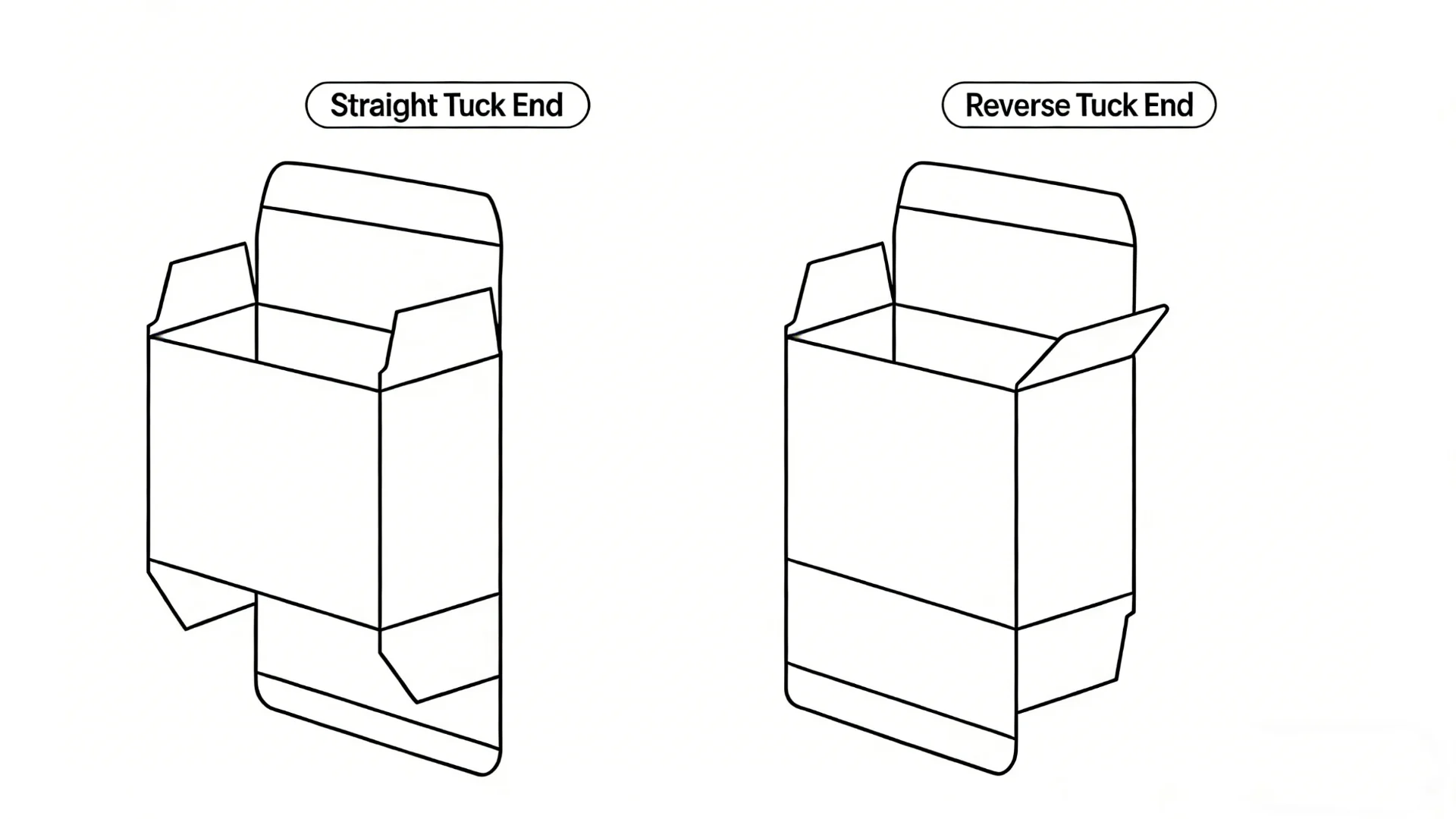
The main difference is the tuck flap orientation2. Straight tuck end (STE) boxes3 have both tuck flaps on the same side (front or back). Reverse tuck end (RTE) boxes4 have flaps on opposite sides, one on the front and one on the back, creating a more economical layout.
I've seen this choice trip up so many business owners. It seems like a tiny detail, but the impact on your production line and budget can be huge, especially as your business grows. Let's dive into the details so you can see exactly what I mean and make the best decision from day one.
What Are Tuck End Boxes Anyway?
You see these boxes everywhere, but what makes them special? Not knowing the basics can make your packaging decisions5 harder. Let's get a clear, simple definition.
Tuck end boxes are a popular style of paperboard carton. They feature flaps on the top and bottom that tuck into the box to close it, without needing tape or glue. They are versatile and widely used for retail products like cosmetics, electronics, and food items.
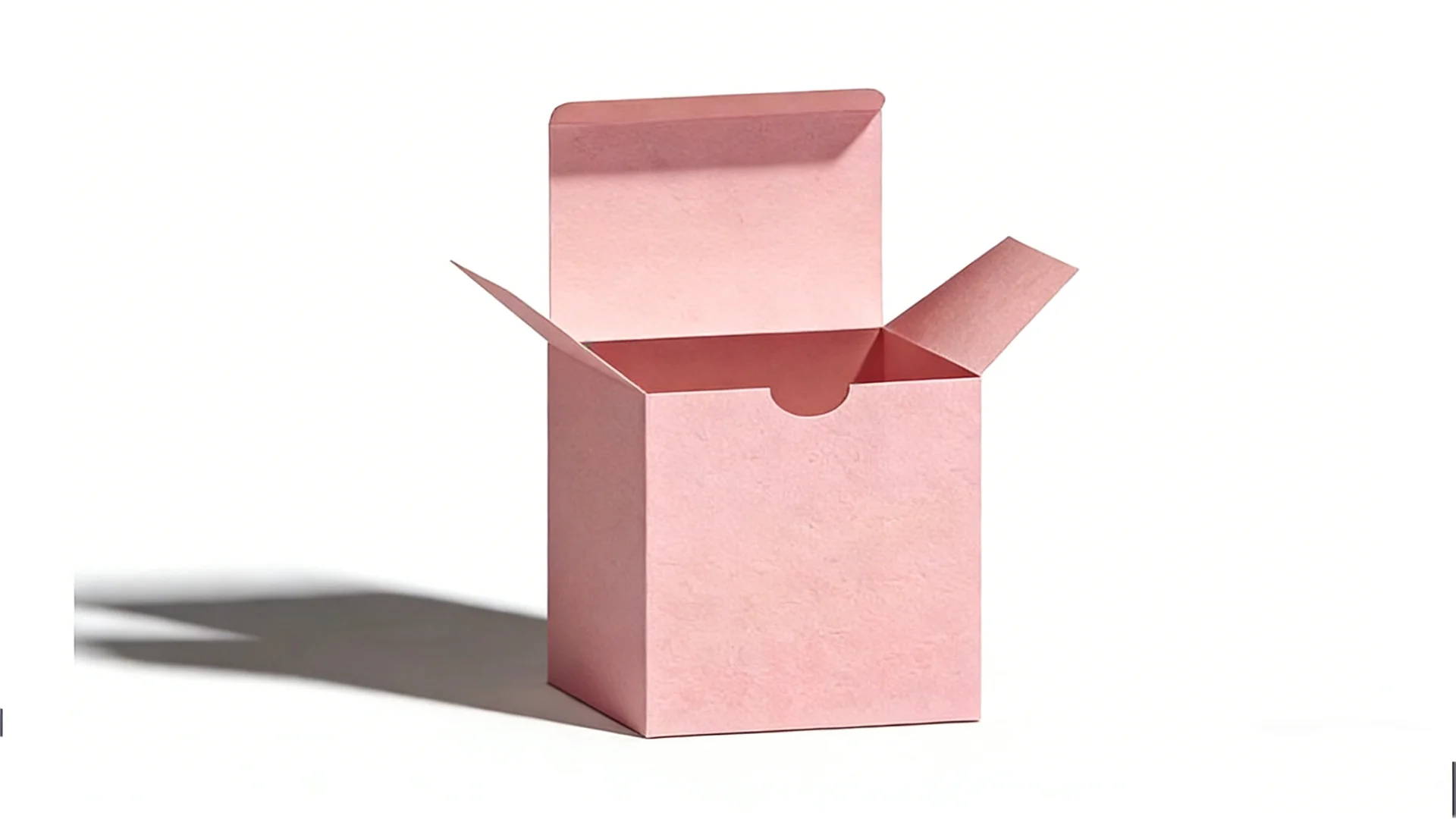
I remember a client, a startup selling artisanal soaps. They were using simple mailers but wanted to level up for retail. When I showed them a basic tuck end box, it was a lightbulb moment. They loved how it looked so professional without any complicated assembly. These boxes are cut from a single flat sheet of paperboard, which makes them cost-effective6 to produce and ship flat. The magic is in the creases and cuts. You just fold along the lines, and the box takes shape. The top and bottom have these little flaps, or 'tucks,' that slide into the main body of the box to secure it. This simple mechanism is what makes them so user-friendly for both the person packing the product and the customer opening it. It's a classic design that just works.
What Exactly Is a Straight Tuck End Box?
Want a sleek, premium look for your product? A messy unboxing can ruin that first impression. A straight tuck end box offers a clean, uninterrupted front panel.
A straight tuck end (STE) box has both its top and bottom tuck flaps attached to the same panel, either the front or the back. This creates a clean, seamless front panel, which is ideal for products that have a window or need a premium-looking display face.
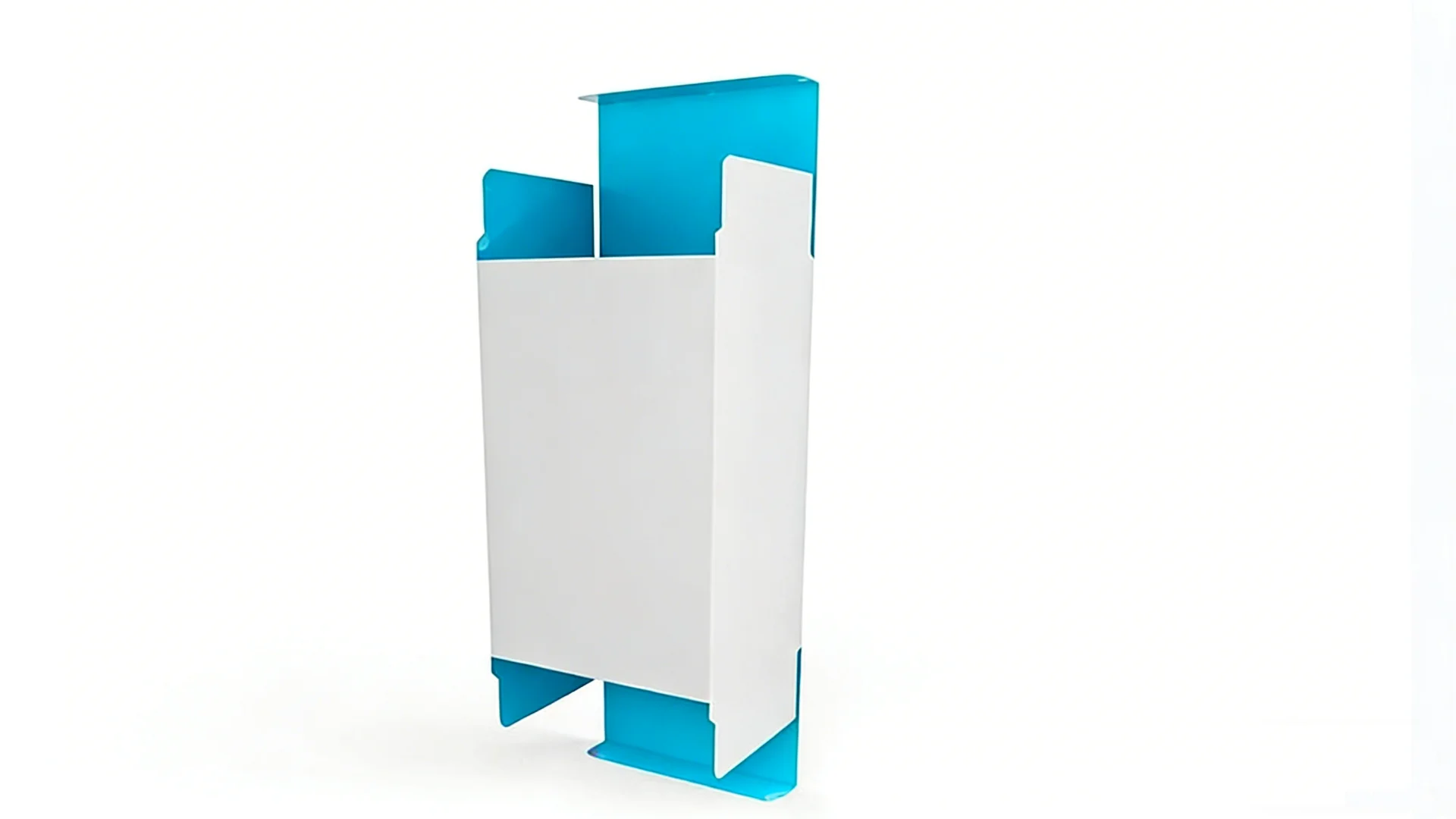
The key feature of a straight tuck end box is its visual appeal. Imagine you have a product with a die-cut window to show what's inside. You don't want a crease or a seam from a tuck flap cutting across that window. With an STE box, both tucks fold from the back to the front. This leaves the entire front panel smooth and uninterrupted. It's a small detail, but it makes a huge difference on a retail shelf. I often recommend this style for high-end products where presentation is everything. Think about a bottle of perfume or a luxury face cream. The unboxing experience7 starts with the package itself. However, this clean look comes at a small cost. When laying out the box design on a large sheet of paperboard for cutting, the STE design can sometimes create more waste material compared to its reverse tuck counterpart. It's a trade-off between premium aesthetics and manufacturing efficiency.
So, What Is a Reverse Tuck End Box?
Need to produce a lot of boxes without breaking the bank? High material waste8 can eat into your profits. The reverse tuck end box is the champion of efficiency.
A reverse tuck end (RTE) box has its tuck flaps on opposite sides. The top flap tucks from the back to the front, while the bottom flap tucks from the front to the back. This design is more economical to produce as it allows for a tighter nesting layout.
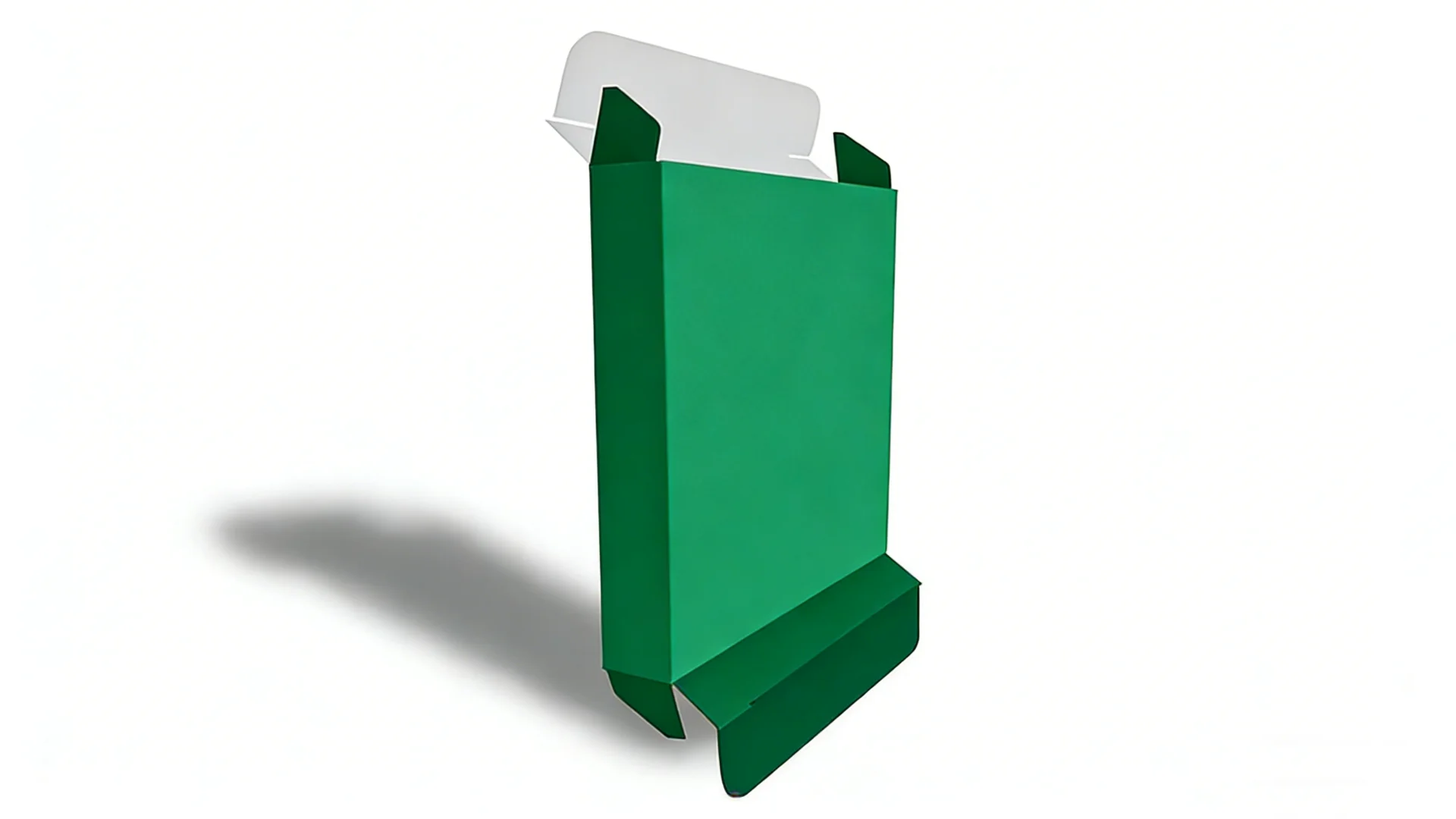
This is the workhorse of the packaging world. The 'reverse' in the name refers to how the tucks are on opposite sides. One folds from the back, and the other folds from the front. Why does this matter? It's all about manufacturing. When you're cutting thousands of boxes from giant sheets of paperboard, you want to fit as many box templates, or 'dielines9,' onto one sheet as possible. The RTE's alternating flap design allows the dielines9 to interlock or 'nest' very tightly, like puzzle pieces. This significantly reduces paper waste. I've personally guided several clients through the switch from STE to RTE. They started with a small batch and focused on the premium look of STE. But as their orders grew from hundreds to tens of thousands, the cost savings from the RTE's efficient layout became impossible to ignore. For high-volume production, especially with automated packing10 lines, RTE is almost always the more cost-effective6 choice.
Straight Tuck End vs Reverse Tuck End: What Are the Key Differences?
You know what they are, but which is truly better? Making a snap decision can lead to regret later. Let's compare them side-by-side to make it simple.
The main differences are in appearance, cost, and assembly. Straight tuck end boxes offer a cleaner look but are less material-efficient. Reverse tuck end boxes are more economical to produce and better for automated assembly, but have a seam on both the top and bottom of the display panel.
Let's break this down into the factors that really matter for your business. The choice isn't just about looks; it impacts your bottom line. I always tell my clients to think about scale. What works for 100 units might not work for 100,000. The aesthetic advantage of the STE box is clear, but the cost advantage of the RTE box becomes more significant as your volume increases. The interlocking pattern of the RTE design simply saves material, and those savings add up.
| Feature | Straight Tuck End (STE) | Reverse Tuck End (RTE) |
|---|---|---|
| Appearance | Cleaner front panel, more premium look. | Seams on top and bottom of front panel. |
| Material Cost | Higher due to more material waste8. | Lower due to efficient nesting on sheet. |
| Assembly | Can be slightly slower for manual packing. | Often faster, especially on automated lines. |
| Best For | Luxury goods, retail display11, window boxes. | High-volume products, automated packing10. |
This table shows the trade-offs clearly. It’s a classic battle of presentation versus production efficiency.
So, Which Tuck End Box Should You Choose?
Feeling stuck between the two options? Decision paralysis can delay your launch. Use this quick guide to find the perfect fit for your specific product and goals.
Choose a straight tuck end (STE) box if your primary goal is a premium shelf appearance12, especially for luxury items or boxes with windows. Choose a reverse tuck end (RTE) box if your priority is cost-efficiency13, high-volume production, or if you use automated packing10 machinery.
Making the right choice early on saves a lot of headaches later. I've seen clients have to redesign their packaging because their initial choice didn't scale well. Ask yourself these simple questions to find your answer.
What is your production volume14?
If you're starting with a small run of a few hundred boxes, the cost difference is minimal. You can prioritize the look of an STE box. But if you plan to produce thousands or more, the savings from an RTE box will be substantial.
How will you pack the boxes?
If you and your team are packing by hand, either style works. However, RTE boxes are often considered slightly faster for manual packing once you get a rhythm. They are definitely the standard for automated packing10 lines.
What is your priority: aesthetics or cost?
Be honest about your brand's core need. Is it the flawless unboxing experience7 of a luxury item? Go with STE. Is it getting a good, reliable box to market at the best possible price? RTE is your friend.
Does It Matter If You're Selling in Retail vs E-commerce?
You've chosen a box, but will it work online and in-store? A box that shines on a shelf might fail in a shipping box. Let's see how the channel impacts your choice.
Yes, it matters. For retail, the clean front panel of a straight tuck end (STE) box is a major advantage for shelf appeal. For e-commerce, where the box is often inside a shipper, the cost-efficiency13 of a reverse tuck end (RTE) box is usually more important.
The sales environment is a huge factor. I worked with a brand that sold both in high-end boutiques and on their own website. For their retail partners, we absolutely had to use STE boxes. The product was a skincare serum, and it sat on the shelf next to major brands. The seamless front panel was non-negotiable for that premium, trustworthy look. But for their e-commerce sales, they were struggling with costs. My suggestion was to use RTE boxes for all online orders. The customer receives a plain shipping box first, so the primary product packaging doesn't need to work as hard visually. The unboxing happens at home, not in a competitive store aisle. By making this switch, they saved a significant amount on their packaging for the direct-to-consumer side of their business without hurting their retail presence at all. It's about using the right tool for the right job.
What Customization Options Are Available for Tuck End Boxes?
A plain box won't make your brand stand out. You might think customization is too expensive or complex. But there are many ways to make your box unique.
Both STE and RTE boxes can be fully customized. Options include full-color printing15, special finishes like spot UV or foil stamping, embossing16, and die-cut windows17. The structural choice between STE and RTE doesn't limit your ability to create a beautiful, branded box that reflects your product.
The good news is that your choice between straight and reverse tuck doesn't lock you out of amazing customizations. Both box styles are blank canvases. We can print anything on them, from a simple logo to a full-color photorealistic design. Then we can add finishes. A matte lamination gives a soft, modern feel, while a gloss finish makes colors pop. I love using a soft-touch finish for luxury products; it just feels expensive. We can also add special effects. Think of a shiny gold foil logo (foil stamping) or a logo that is raised off the surface (embossing16). These tactile elements make customers want to pick up your box. And don't forget structural changes. We can add a custom-shaped window with a clear film to give a peek at your product. Or we can design custom paperboard inserts to hold your product perfectly in place. All these options work for both STE and RTE boxes.
Conclusion
Choosing between straight and reverse tuck ends is a balance of aesthetics and efficiency. Understand your priorities early to pick the right box that helps your business grow smoothly.
Discover how optimizing your packaging line can lead to significant savings and smoother operations. ↩
Understanding tuck flap orientation is crucial for making informed packaging decisions that affect cost and efficiency. ↩
Explore the benefits of STE boxes for premium packaging and how they enhance product presentation. ↩
Learn how RTE boxes can save costs and improve efficiency in high-volume production. ↩
Explore key factors that should guide your packaging decisions for better business outcomes. ↩
Find out strategies to make your packaging more cost-effective without compromising quality. ↩
Learn how to create a memorable unboxing experience that delights customers and builds loyalty. ↩
Learn effective methods to minimize material waste and improve sustainability in packaging. ↩
Understanding dielines is essential for effective packaging design and production efficiency. ↩
Explore how automated packing can streamline your operations and reduce labor costs. ↩
Explore effective packaging strategies that enhance retail display and product visibility. ↩
Learn tips for creating packaging that stands out on retail shelves and attracts buyers. ↩
Understand the importance of cost-efficiency in packaging and how it impacts your bottom line. ↩
Understand how your production volume can influence the type of packaging you choose. ↩
Learn how full-color printing can enhance your packaging's visual appeal and branding. ↩
Discover how embossing can add a tactile element to your packaging, making it more appealing. ↩
Find out how die-cut windows can enhance product visibility and attract customers. ↩