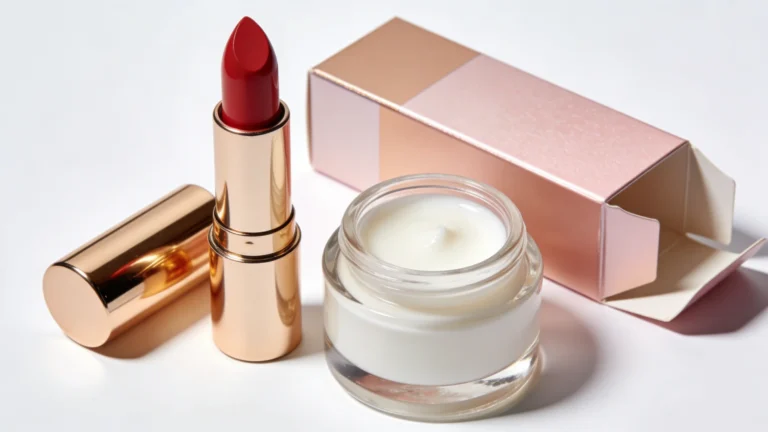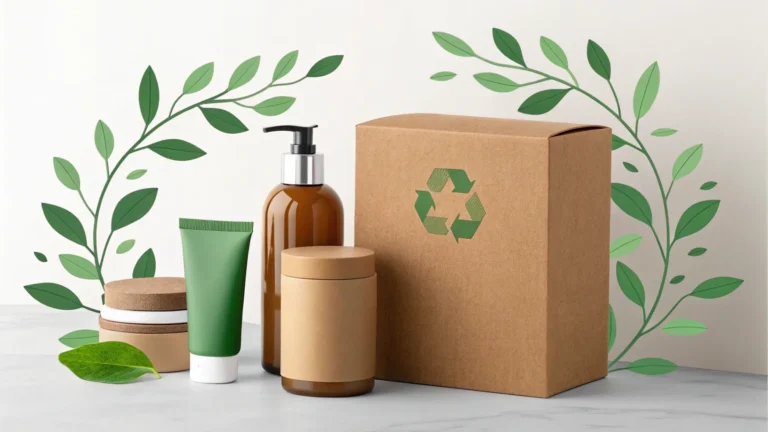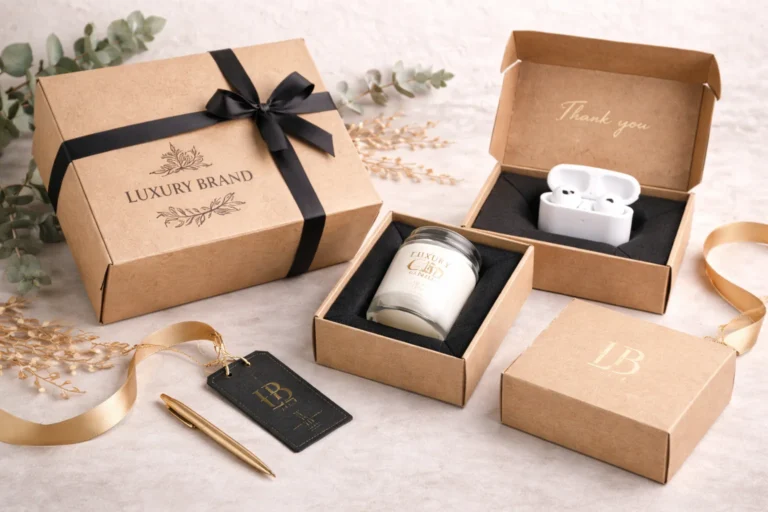
Your product is amazing, but the packaging feels like an afterthought. It fails to communicate quality, getting lost on the shelf and disappointing customers before they even try what's inside.
Truly high-end cosmetic packaging1 is a thoughtful balance of design, material choice2, functionality3, and manufacturing precision. It’s not just about looking good. It’s about creating a complete sensory experience4 that feels valuable, works flawlessly, and can be produced consistently at scale.
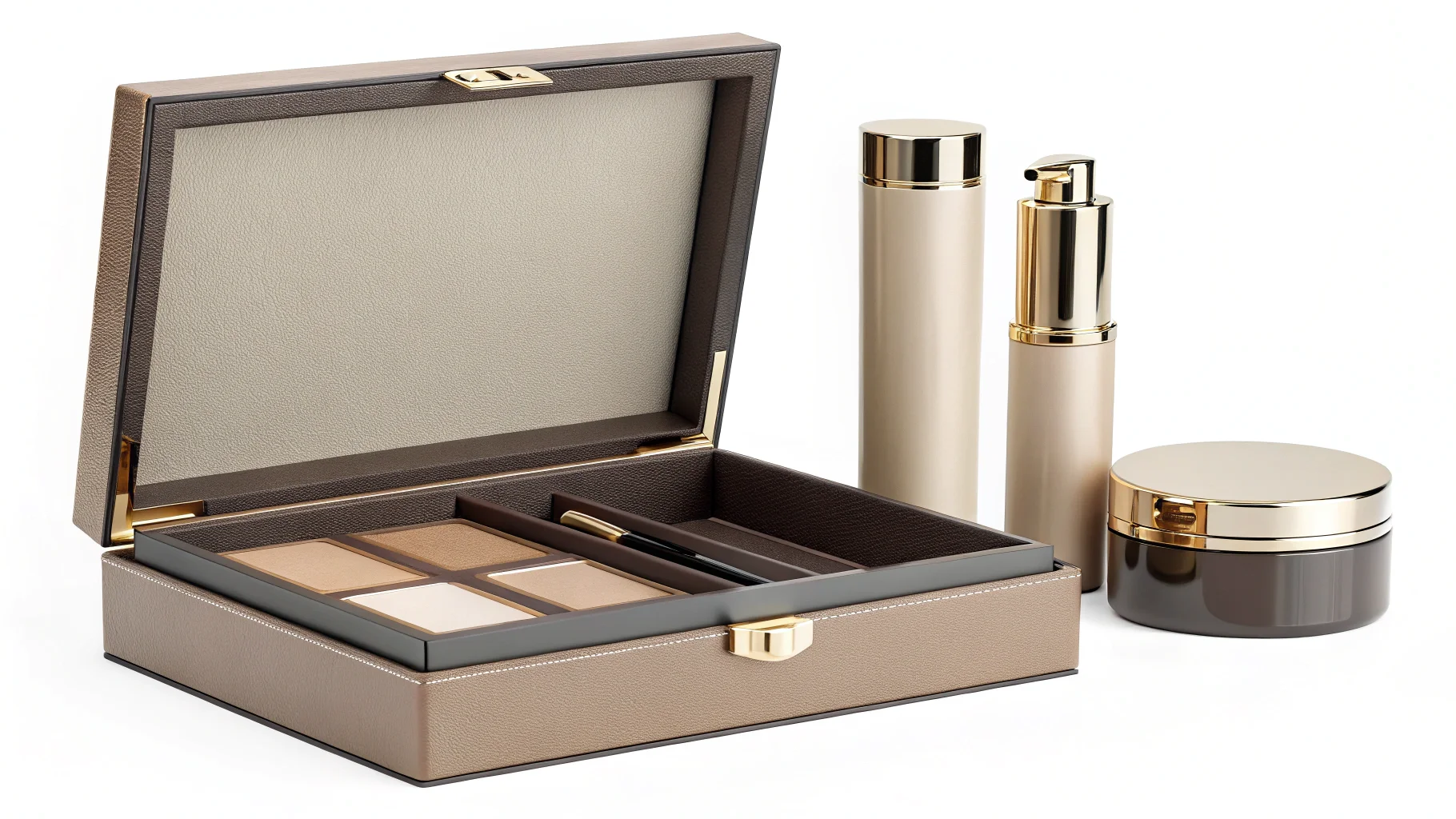
I’ve seen countless brands invest fortunes into beautiful designs that ultimately fail. They look stunning in 3D renders but feel cheap or break in the customer's hands. The secret to avoiding this is understanding that high-end packaging is defined long before the factory even starts production. It's about the deep connection between an ambitious idea and the reality of making it. Let's explore what this really means, piece by piece. This journey will help you see packaging not just as a container, but as a vital part of your product's story and success.
Why Is High-End Packaging About More Than Just Appearance?
Many brands focus all their energy on how a package looks. This narrow focus often leads to a disappointing customer experience, like a jar that's hard to open or feels flimsy.
High-end packaging is a full sensory experience4. It's about the satisfying weight in the hand, the specific sound of a cap clicking shut, and the smooth function of a pump. It communicates brand value and quality through touch and sound, not just sight.
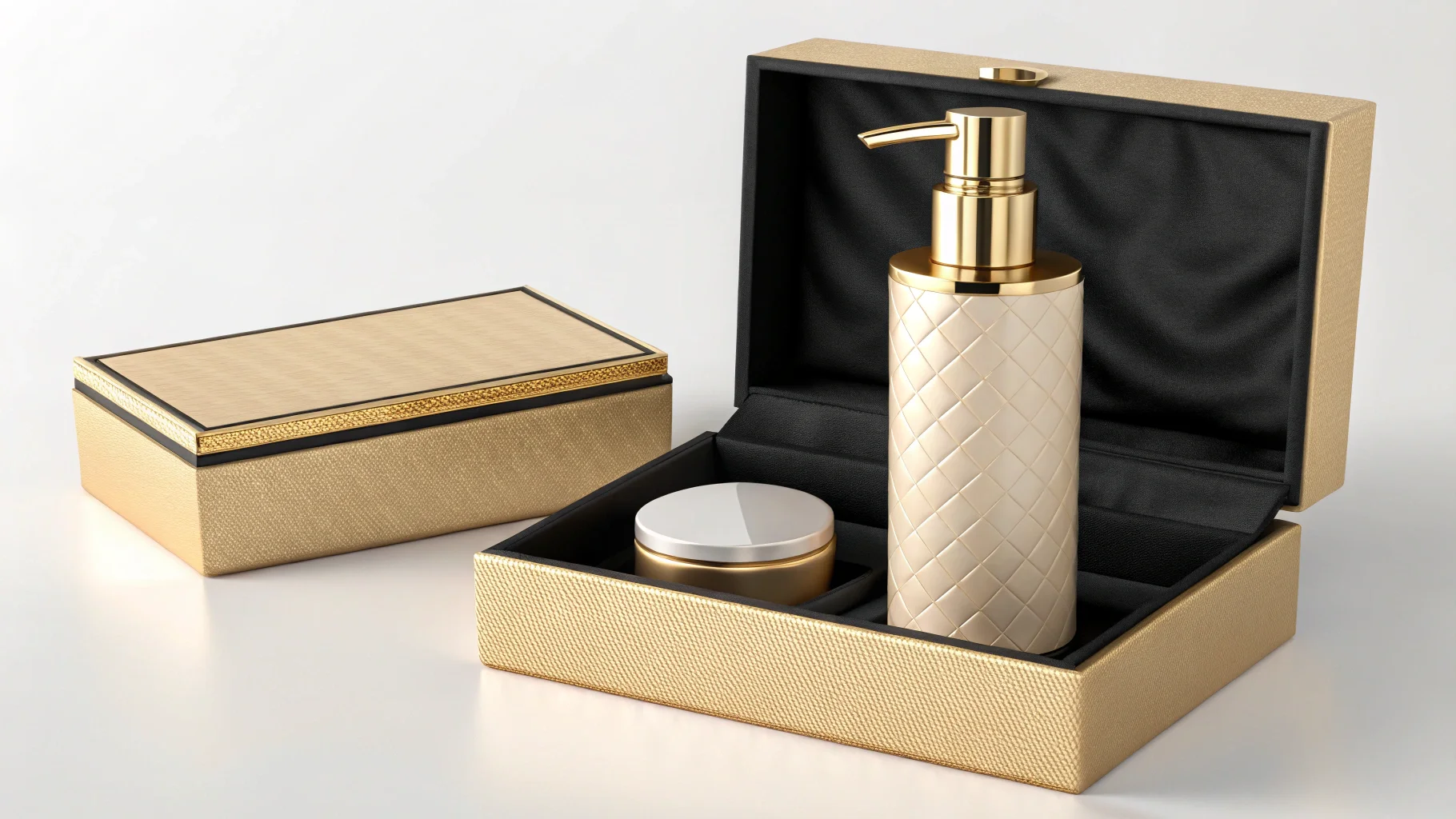
When we think about luxury, we have to think beyond the visual. I remember working with a skincare brand that had a visually stunning jar. The color was perfect, and the logo was sharp. But when you picked it up, it felt light and hollow. The cap screwed on with a grating plastic sound. The customer's first physical interaction with the product was a letdown. This is where the definition of "premium" falls apart. True luxury packaging considers the entire user journey5.
The Unboxing and First-Use Experience
The experience begins the moment a customer holds the box. Does it have a nice texture? Does the lid lift off smoothly? These small details build anticipation. Then comes the primary container.
- Weight: A heavier package often feels more substantial and valuable.
- Temperature: Materials like glass or metal feel cool to the touch, which we associate with quality.
- Sound: A soft, solid "click" from a magnetic closure sounds much more premium than a loud, hollow "snap."
This multi-sensory approach is what separates good from great. It makes the daily ritual of using a product feel special.
How Do Design and Aesthetics Create the First Layer of Premium Value?
Your product design looks like everything else on the shelf. It fails to catch the eye of a discerning customer, making your premium product seem ordinary and forgettable.
Premium design uses a clear visual hierarchy6, thoughtful typography7, and a refined color palette8 to tell a brand's story instantly. It's not about being loud; it’s about being intentional and sophisticated, creating an exclusive feel that communicates high quality before the box is even opened.
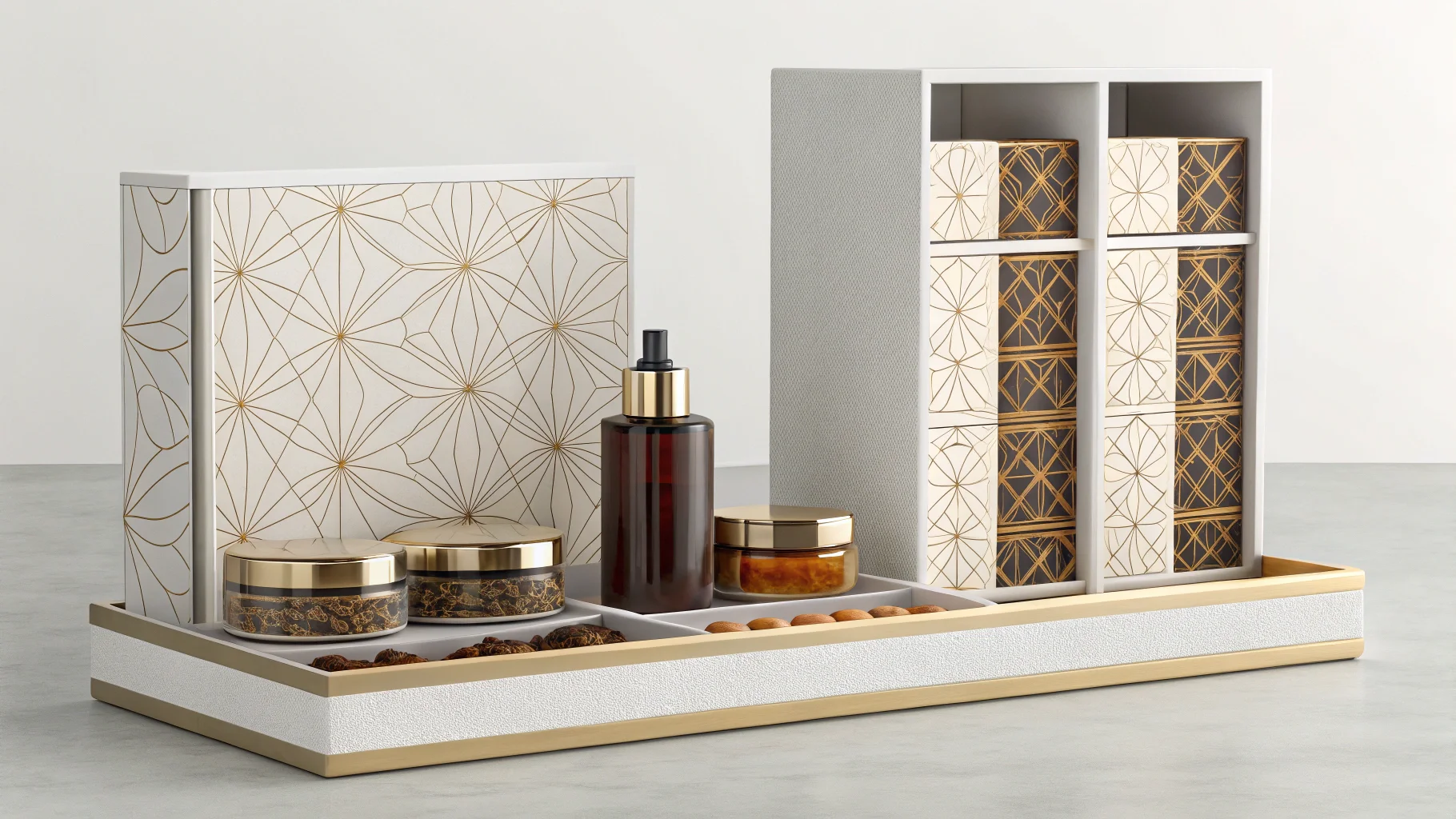
Design is the first handshake with your customer, so it has to be right. It’s the silent ambassador for your brand. I've found that the most successful high-end brands don't just follow trends; they establish a timeless look that reflects their core identity. This might mean embracing minimalism with clean lines and lots of negative space9, or it could mean using rich, intricate patterns for a more maximalist feel. The key is that the choice is deliberate. It's not just about picking a pretty color. It’s about understanding the psychology behind that color and how it speaks to your target customer. A brand aiming for a clinical, effective image might use white and silver, while a brand focused on natural ingredients might use earthy tones and textures. Every single element, from the font size to the spacing between letters, works together to build a perception of value.
| Design Element | Standard Approach | Premium Approach |
|---|---|---|
| Color Palette | Trendy, bright colors | Restrained, cohesive, brand-specific |
| Typography | Common, default fonts | Custom or carefully chosen font family |
| Layout | Crowded with information | Balanced, use of negative space9 |
| Logo | Large and prominent | Integrated, subtly embossed or stamped |
What Materials and Build Quality Truly Define High-End Packaging?
You chose a material that looked great in a photo. In the customer's hand, however, it feels cheap, scratches easily, and undermines the quality of the product inside.
High-end packaging is defined by materials that feel substantial and durable. This often includes heavy glass, thick-walled plastics like PETG, real wood, cool-to-the-touch metal, or zamac. The choice of material directly impacts the perceived value through its tactile qualities.
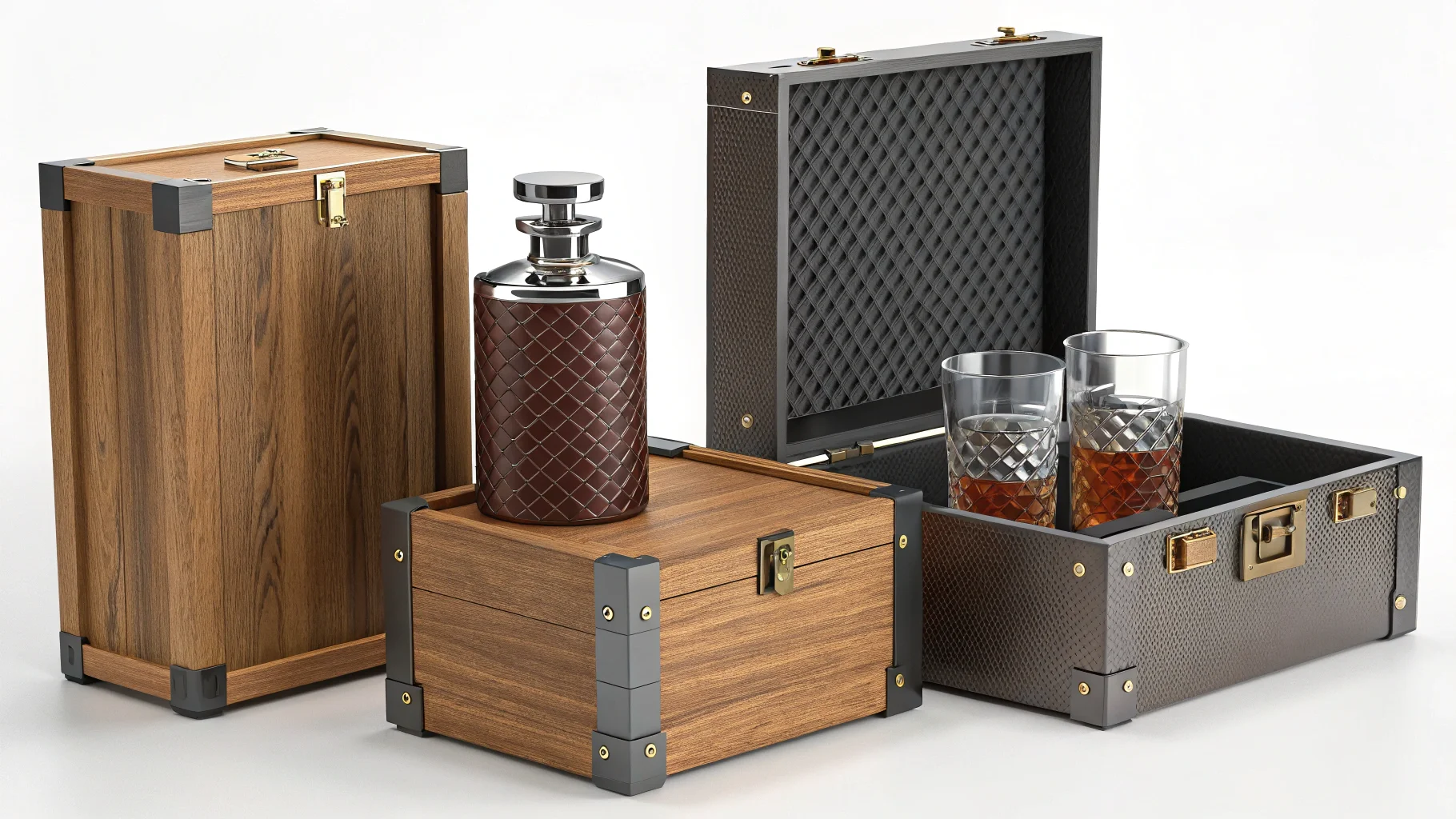
This is where the physical reality of "premium" comes into play. You can't fake the feeling of quality. I once advised a client who was deciding between a standard plastic cap and a zamac cap for their luxury serum. Zamac is a metal alloy that is heavy and cool. The cost difference was significant, but we ordered samples of both. The moment the client held the zamac version, the decision was made. The weight, the cold feel, and the metallic sound it made when placed on a countertop instantly elevated the entire product. It's not just about the material itself, but also its "build quality10." For plastics, this means using thick-walled jars that don't flex when you squeeze them. For glass, it means heavy, clear walls without bubbles or imperfections. It’s about precision and substance that the customer can literally feel.
Common Premium Material Choices
- Glass: Heavy, recyclable, and feels cool and clean. It's a classic choice for luxury skincare and fragrance.
- Zamac: A metal alloy that adds significant weight and a high-end feel, often used for caps and decorative elements.
- Thick-Walled PET/PETG: A type of plastic that can mimic the look and substantial feel of glass but is more durable.
- Aluminum: Lightweight, recyclable, and provides a modern, sleek look.
- Wood: Offers a natural, organic, and unique feel, with each piece having its own grain.
Why Do Functionality and User Experience Matter More Than Ever?
Your packaging is beautiful, but the pump dispenses too much product. Or worse, the jar is difficult for some people to open. This frustration ruins the luxury experience.
Functionality is a non-negotiable part of high-end packaging. This means providing an effortless and reliable experience through features like smooth airless pumps, satisfying magnetic closures, and droppers that don't leak. If a customer struggles with the package, the perception of luxury is instantly broken.
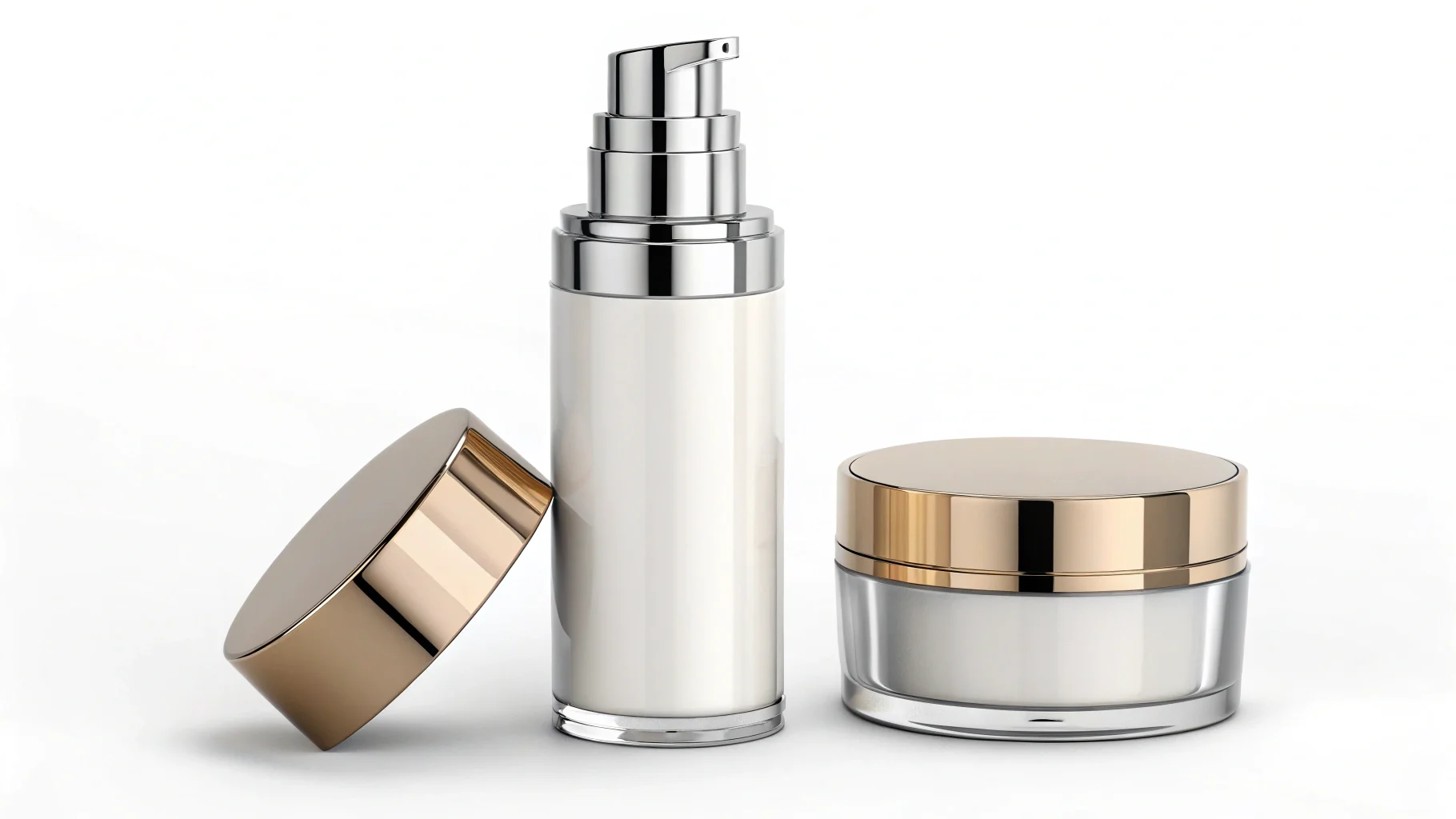
I believe that the best-designed packaging is the one you don't have to think about. It just works, perfectly, every time. A few years ago, we worked on a project for a high-end foundation. The brand wanted a pump that delivered the exact same small amount of product with every single press. This required sourcing a very specific engine from a specialized supplier. It was more expensive, but it guaranteed a perfect user experience11. The customer never has to worry about wasting the expensive product. This is a hidden detail, but it's central to the feeling of luxury. The goal is to eliminate all points of friction. The cap should come off with just the right amount of force. The dropper should fill easily. The lid should close securely with a reassuring click.
The Little Details That Make a Big Difference
These functional elements are where brands can truly shine.
- Airless Pumps: They protect sensitive formulas from air and dispense product with precision.
- Magnetic Closures: Used on lipsticks and palettes, they provide a satisfying and secure "snap" shut.
- Weighted Components: Adding weight to a cap or base makes the entire package feel more stable and valuable.
- Soft-Close Mechanisms: On compacts, a mechanism that prevents the lid from snapping shut adds a touch of gentle elegance.
A seamless user experience11 shows a deep respect for the customer, which is the ultimate form of luxury.
Is Sustainability a New Standard for Premium Packaging?
Your packaging looks luxurious, but it's made of multiple, non-recyclable materials. Today's eco-conscious consumers see this as wasteful, which can tarnish your brand's premium image.
Yes, sustainability12 is now a core pillar of premium packaging. Luxury today means being responsible. High-end brands are proving this by using refillable systems13, mono-materials for easy recycling, and innovative materials made from post-consumer recycled (PCR) content.
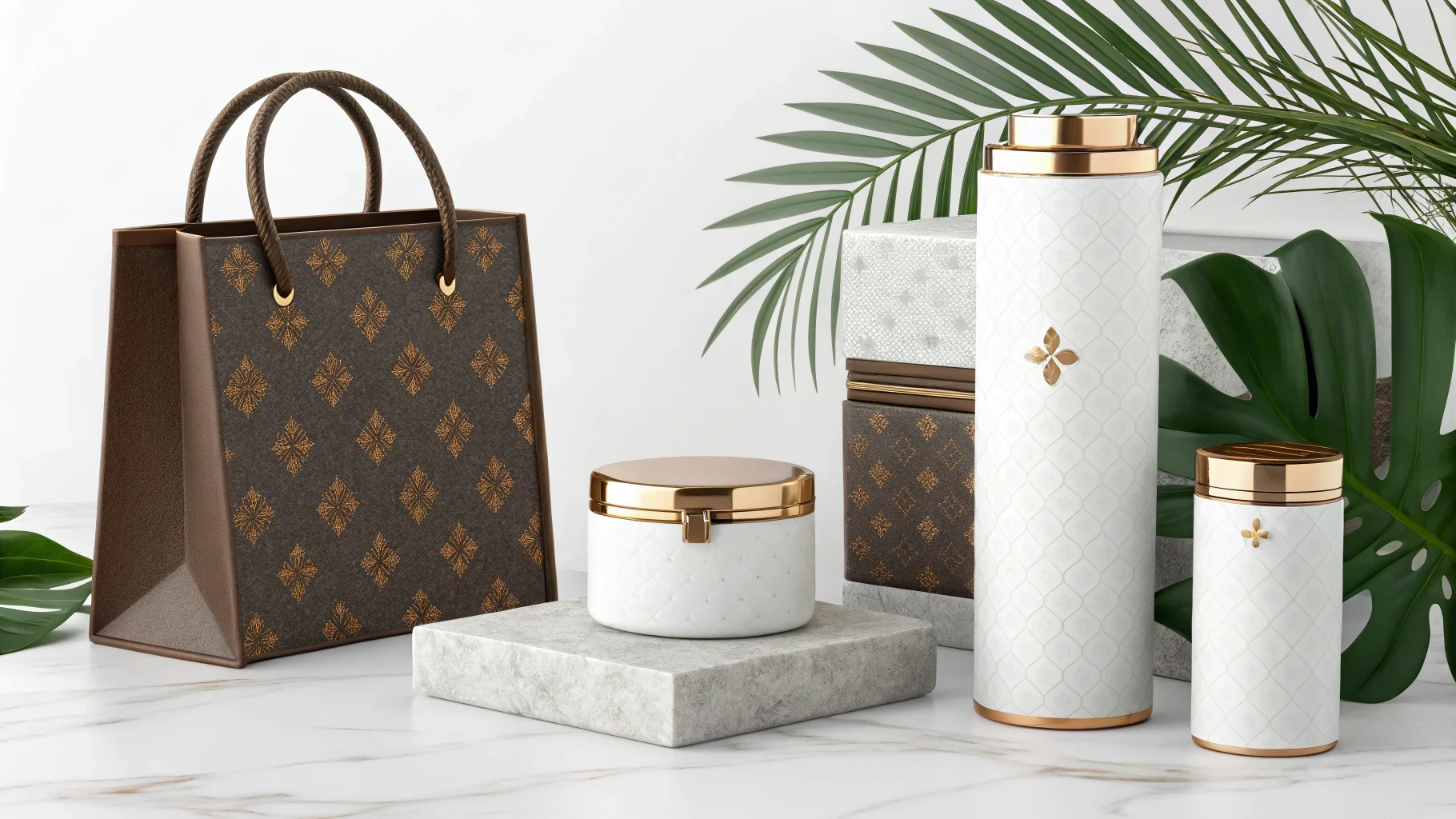
The definition of luxury is changing. It's no longer about excess and disposability. It's about thoughtful, long-lasting quality. I've seen a huge shift in the briefs I receive from high-end brands. Five years ago, sustainability12 was a "nice-to-have." Today, it's a "must-have." The challenge is to make sustainable options feel premium. For example, some early PCR plastics looked and felt inferior. But now, manufacturers have developed high-quality PCR resins that are almost indistinguishable from virgin plastic. The ultimate expression of this trend is the refillable system. A brand can create a beautiful, heavy, and permanent outer container made from glass or metal. The customer then buys smaller, simpler, and fully recyclable refill pods. This model reduces waste while allowing the brand to invest even more in the quality and design of the primary "keeper" package.
| Sustainable Option | How It Delivers a Premium Feel | Considerations |
|---|---|---|
| Refillable Systems | The outer pack can be made extra-luxurious (heavy, durable) as a one-time purchase. | Requires customer education and a seamless refill process. |
| Glass/Aluminum | Infinitely recyclable and have an inherent premium feel (heavy, cool). | Heavier to ship, which impacts carbon footprint. |
| High-Quality PCR | Reduces plastic waste while new tech allows for great clarity and feel. | Can be more expensive and supply can be limited. |
| Mono-Material Design | Making the whole package from one material (e.g., all PET) makes it easy to recycle. | Can limit some complex functional or design options. |
What Is the Role of Manufacturing Quality in High-End Packaging?
Your design proof looked perfect, but the final production run is full of issues. Colors are inconsistent, logos are smudged, and parts don't fit together correctly.
Manufacturing quality is the invisible foundation of high-end packaging. It's about tight tolerances, perfect color matching across thousands of units, and flawless decoration. It is the crucial process that turns a beautiful design concept into a perfectly executed physical product, every single time.
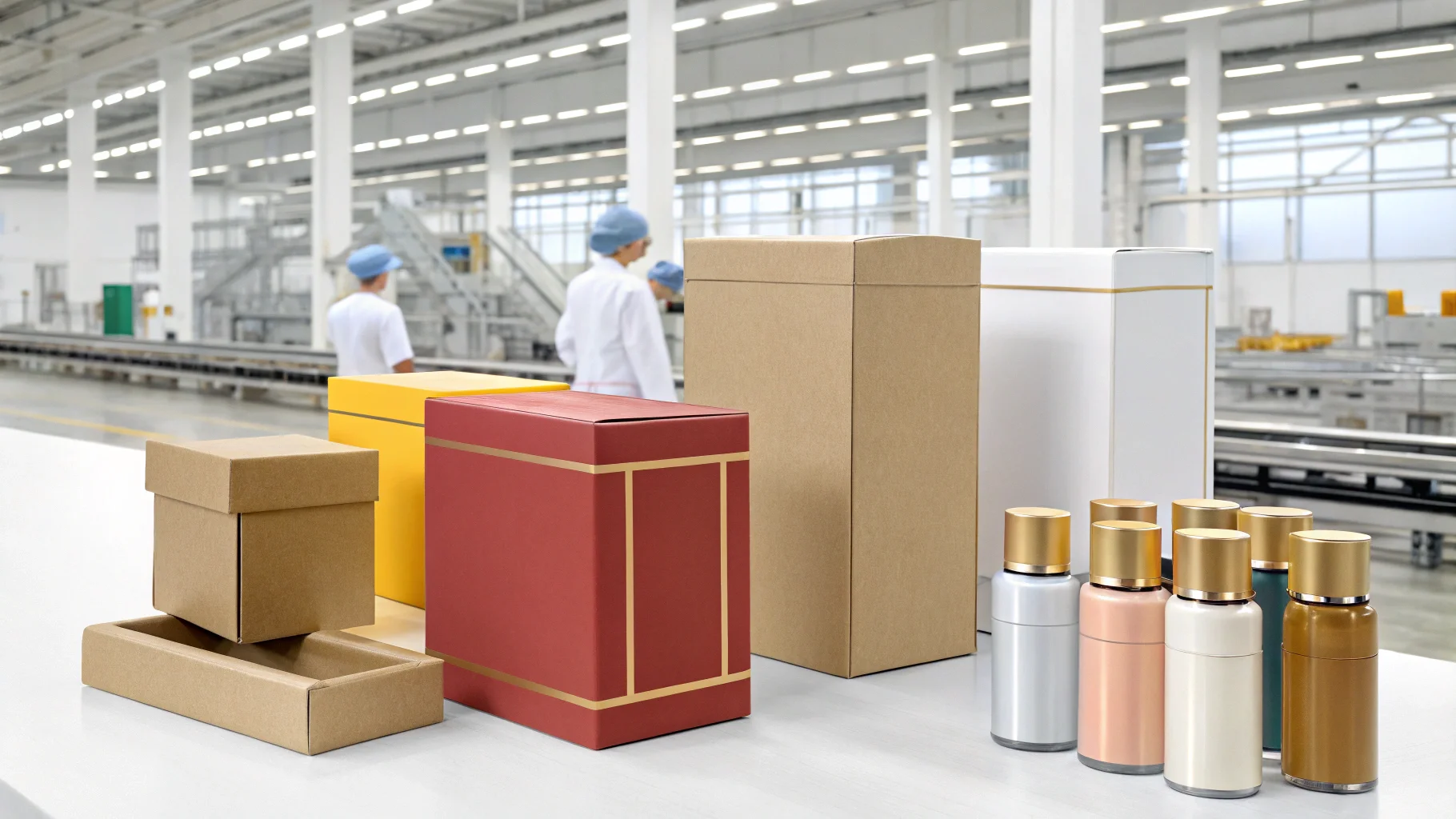
This is my favorite part of the process because it's where ambition meets reality. A designer can create a cap that fits perfectly onto a bottle in a 3D model. But in the real world, materials expand and contract. Molds wear down. This is where "tolerances" come in. A tolerance is the acceptable range of variation for a part's dimension. High-end manufacturing requires incredibly tight tolerances to ensure every cap fits every bottle securely. I always advise my clients to involve their manufacturing partner early in the design phase. We can look at a design and say, "This sharp edge will be difficult to mold consistently," or "This type of paint will scratch easily during shipping." By addressing these issues early, we prevent costly mistakes and ensure the final product lives up to its high-end promise.
Bridging the Gap Between Design and Production
True partnership between brand and manufacturer is key.
- Early Supplier Involvement: Discussing designs with the manufacturer before they are finalized can identify potential production issues.
- Material Testing: Testing how different materials and colors react to the product formula and to each other.
- Strict Quality Control: Implementing multiple checkpoints during production to catch any deviations from the approved standard.
Without this manufacturing discipline, even the most brilliant design will fail.
How Do Customization, Cost, and Constraints Affect High-End Packaging?
You want a completely unique package for your brand. But the cost for a custom mold is shocking, and the minimum order quantity is far more than you need.
High-end packaging requires a smart balance between customization14 and practical constraints. While fully custom tooling is an option, a premium and unique look can also be achieved by creatively customizing stock components with unique colors, finishes, and high-end decoration techniques.
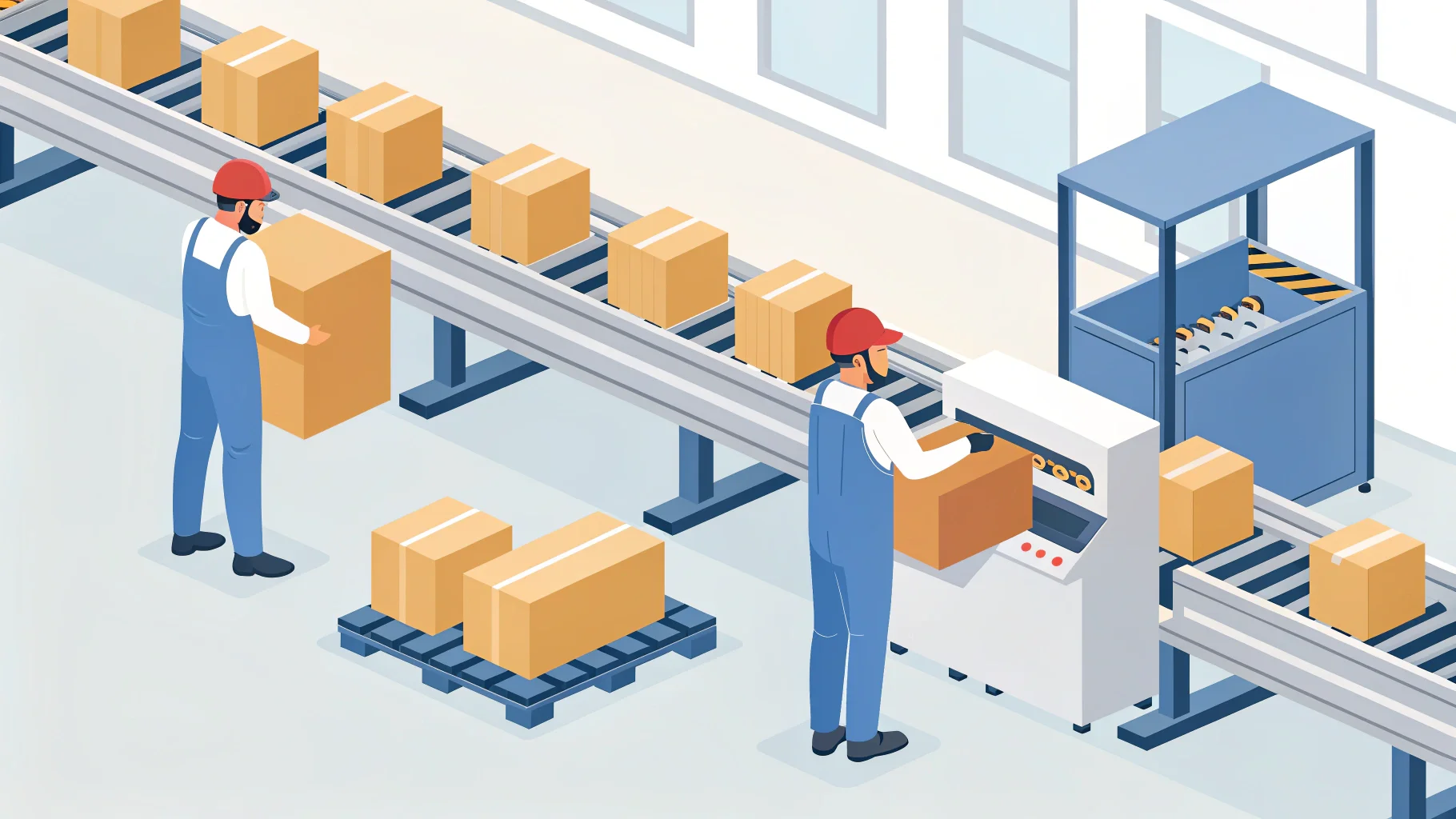
Many new brands come to me with a vision for a completely new bottle shape. When they hear that a custom mold can cost tens of thousands of dollars and requires a minimum order of 50,000 units, it can be a shock. But this doesn't mean you have to settle for a generic look. The secret is strategic customization14. We have access to hundreds of "stock" bottles, jars, and caps that are already tooled. The real creativity comes in how we transform them. I worked with a startup that chose a simple stock glass bottle. We developed a custom color spray that created a beautiful gradient effect. Then, we designed a custom-molded cap with their logo embossed on top and used a metalized finish. The final product looked completely unique and incredibly premium, all without the cost of a custom bottle mold. This approach allows brands to direct their budget toward the details that customers see and touch.
| Customization Method | Description | Cost/MOQ Impact |
|---|---|---|
| Full Custom Mold | Creating a unique shape for a bottle or jar. | High cost, high MOQ. |
| Custom Color | Matching a specific Pantone color for the component. | Moderate cost, moderate MOQ. |
| Decoration | Techniques like hot stamping, screen printing, or labeling. | Low to moderate cost, lower MOQ. |
| Customizing a Stock Part | Designing a new custom cap for a stock bottle. | Moderate cost, balances uniqueness and investment. |
How Can You Know If Your Packaging Is Truly High-End?
You've invested time and money into your packaging. But how do you know if it truly delivers a premium experience that will resonate with discerning customers and justify its price?
You know your packaging is high-end if it delights multiple senses, functions perfectly, reflects modern values like sustainability, and can be produced with consistent quality. It must feel as good as it looks, enhancing the entire product experience from the shelf to the last use.
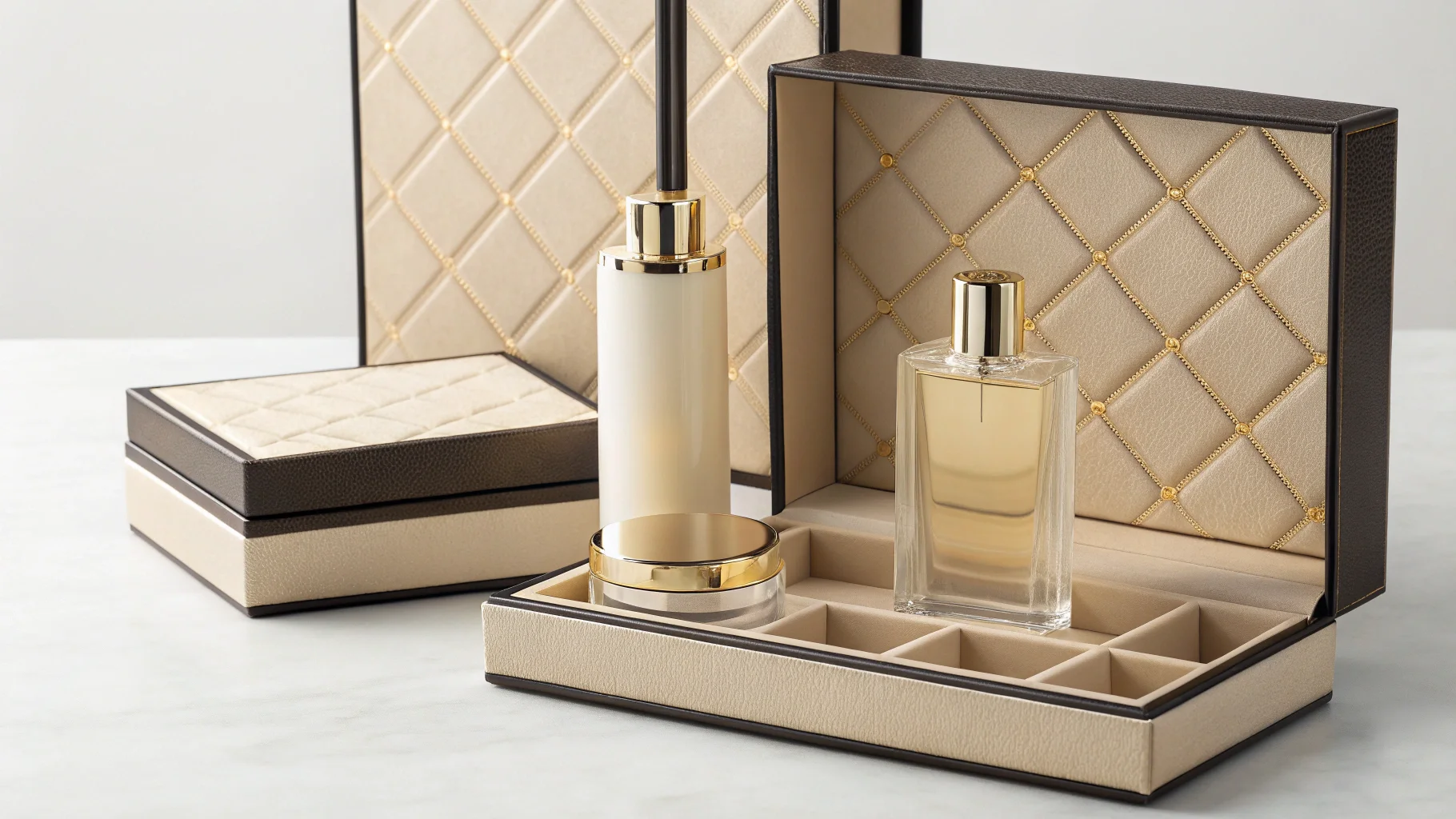
After years of developing packaging, I've found that truly high-end products pass a simple, multi-faceted test. It’s not a single factor, but a combination of them all working in harmony. Before you sign off on a final design, run it through this mental checklist. Better yet, get physical samples in your hands and evaluate them honestly. Does it feel good to hold? Does it work well? Does it make you feel proud of the product? If you can answer yes to these questions, you are on the right track. The best packaging feels inevitable, like it was the only possible container for the precious formula inside. It completes the product's story and makes the customer feel they've made a smart, worthwhile purchase.
Your High-End Packaging Checklist
| Attribute | What to Look For |
|---|---|
| Aesthetics | Does the design look intentional, balanced, and unique to your brand? Is the typography clear and elegant? |
| Tactile Feel | Does it have a satisfying weight? Does the material feel substantial and pleasant to the touch (e.g., cool glass, soft-touch finish)? |
| Functionality | Does it open and close easily and securely? Does the dispenser work flawlessly and without mess? |
| Auditory Cues | Does it make a pleasing sound, like a solid "click" or a quiet "whoosh" instead of a cheap rattle or snap? |
| Sustainability | Is there a clear path for reuse, refilling, or recycling? Does it avoid excessive, wasteful materials? |
| Manufacturability | Are the colors, finishes, and fits consistent from one unit to the next? Are there no visible defects? |
Conclusion
Ultimately, high-end packaging is a thoughtful balance of art and science. It blends beautiful design with smart material choices, flawless function, and manufacturing precision to create an unforgettable brand experience.
Explore top examples of high-end cosmetic packaging to inspire your own designs and understand market trends. ↩
Find out which materials elevate the quality perception of cosmetic packaging and why they matter. ↩
Discover how functionality can enhance user experience and brand perception in cosmetic packaging. ↩
Learn how sensory experiences in packaging can enhance customer satisfaction and brand loyalty. ↩
Understand the importance of user journey in creating effective and appealing packaging designs. ↩
Explore how visual hierarchy can enhance the effectiveness of packaging and attract customers. ↩
Discover how typography can enhance brand identity and consumer perception in packaging. ↩
Understand the psychological impact of color palettes in packaging and branding. ↩
Learn how effective use of negative space can create a sophisticated packaging design. ↩
Learn how build quality influences consumer trust and satisfaction with cosmetic products. ↩
Explore the critical role of user experience in creating effective and appealing packaging. ↩
Stay updated on sustainable packaging trends that appeal to eco-conscious consumers. ↩
Explore the benefits of refillable systems in reducing waste and enhancing brand loyalty. ↩
Learn strategies for achieving unique packaging designs without breaking the bank. ↩