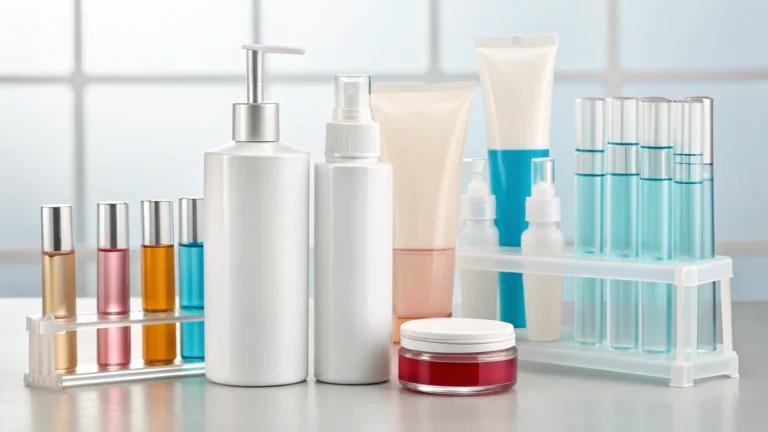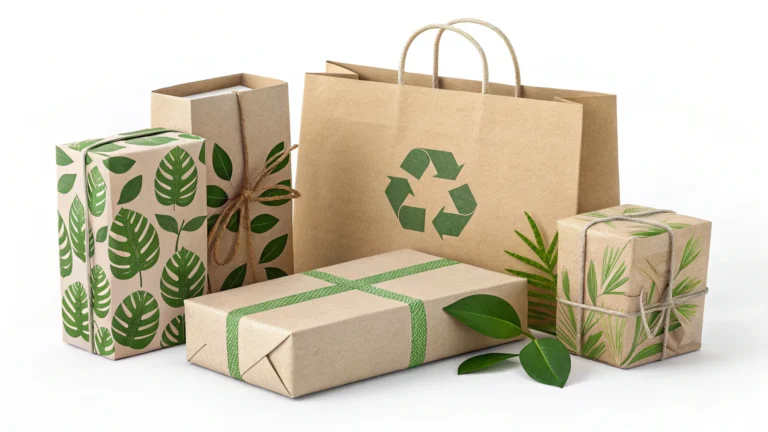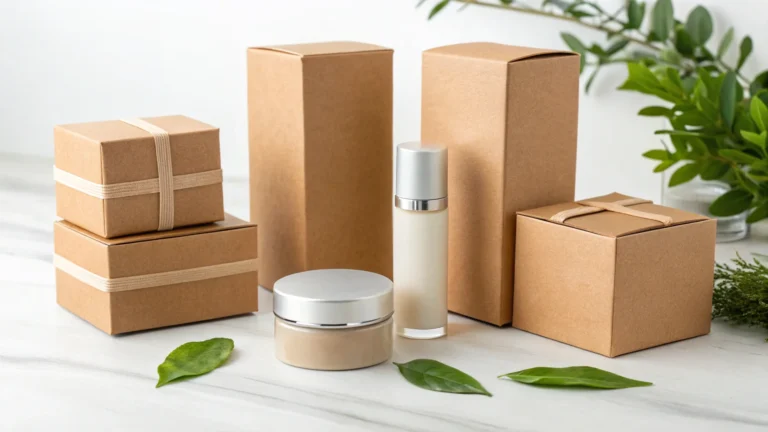
Drowning in plastic from your beauty routine? All those empty containers feel wasteful. Eco-friendly packaging is the solution to enjoy cosmetics guilt-free and protect our planet.
Eco-friendly cosmetic packaging uses sustainable, recycled, or biodegradable materials1. It aims to reduce environmental impact2 through its entire life cycle, from creation to disposal. This includes options that are recyclable, compostable, or reusable, minimizing waste and pollution.
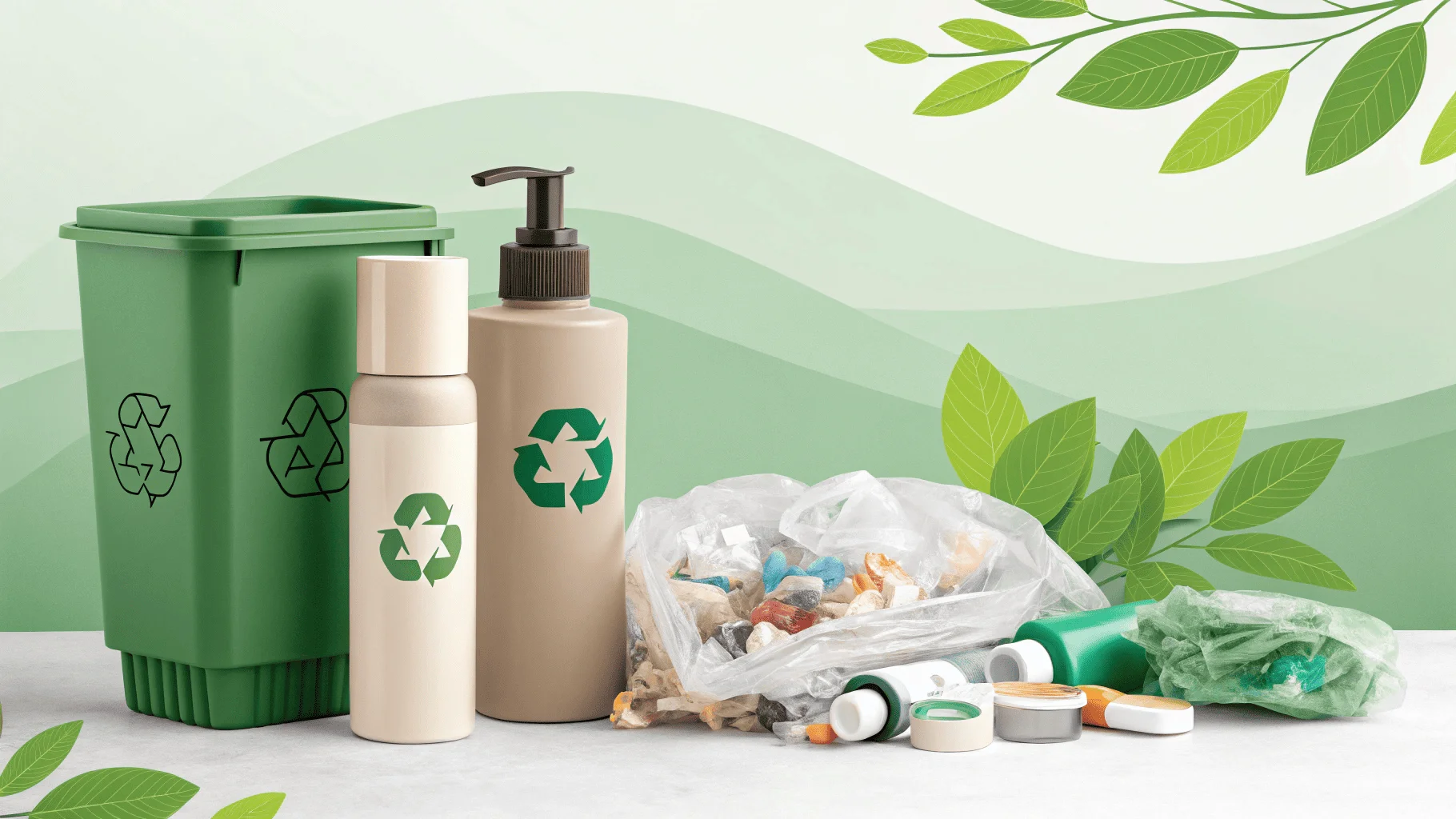
I remember looking at my bathroom shelf one day and feeling shocked. The number of plastic bottles and jars was overwhelming. It made me wonder what "eco-friendly" really means in the beauty world. It is more than just a buzzword, and it's not just about using paper bags. Let's break it down and see what truly sustainable packaging looks like, so you can make choices that you feel good about.
What materials are used in sustainable cosmetic packaging?
Confused by terms like "bioplastic" and "post-consumer recycled"? It can be hard to know what is actually good for the environment. Let's explore the common materials that make packaging truly green.
Sustainable cosmetic packaging often uses materials like glass, aluminum, bamboo, and paper or cardboard. It also includes innovative options like post-consumer recycled (PCR) plastics, bioplastics3 from cornstarch, and even mushroom-based materials4. The goal is to avoid virgin plastic whenever possible.

It is easy to get lost in all the different material options out there. I used to think "recyclable" was the only goal, but it is much more complex than that. We can break down the main types to understand them better. Each has its own benefits and drawbacks. The best choice often depends on the specific product inside. For example, a heavy glass jar is great for a thick face cream, but it is not practical for a travel-sized shampoo. Understanding these differences helps us make smarter choices when we shop. It's about finding the right material for the right job, while keeping the planet in mind.
Traditional Recyclables
Glass and aluminum are fantastic choices. They can be recycled endlessly without losing their quality. Think about it. That aluminum tin for your lip balm could become a soda can and then part of a bicycle later. Glass feels luxurious and protects products from air and light very well. The downside is that it is heavy, which means a bigger carbon footprint5 during shipping. It can also break, which is a concern for products you might use in the shower.
Plant-Based and Innovative Options
This is where things get really exciting. We are seeing more packaging made from bamboo, which grows incredibly fast and is a renewable resource. Paper and cardboard are great for outer boxes, especially if they are FSC-certified, meaning they come from responsibly managed forests. Then you have bioplastics3, made from things like corn or sugarcane. They look and feel like plastic but can be commercially compostable. A brand I tried recently even used packaging grown from mushrooms, which is completely biodegradable.
Comparing Common Materials
Let's put it in a simple table to see the pros and cons side-by-side. This helps me decide what to prioritize when I'm standing in the store aisle.
| Material | Pros | Cons | Best For |
|---|---|---|---|
| Glass | Infinitely recyclable, premium feel | Heavy, breakable, higher shipping emissions | Creams, serums, foundations |
| Aluminum | Infinitely recyclable, lightweight | Can be dented, may need a plastic liner | Deodorants, dry shampoo, balms |
| PCR Plastic | Reuses existing plastic, reduces landfill | Not infinitely recyclable, quality degrades | Bottles, tubes, jars |
| Bamboo | Fast-growing, renewable resource | Not always easily recyclable/compostable | Lids, compacts, outer cases |
| Paper/Cardboard | Biodegradable, easily recyclable | Not waterproof, offers less protection | Secondary packaging, powders |
How can I tell if cosmetic packaging is truly eco-friendly?
Many brands use "green" marketing and vague terms to sell products. How do you spot the genuine efforts from the fake ones? Let’s look past the hype to find the real sustainable options.
Look for clear labels and certifications like FSC for paper or "100% PCR plastic." Check the brand's website for their sustainability mission. Truly eco-friendly packaging6 is minimal, uses recycled materials, and provides clear instructions on how to recycle or compost it after use.
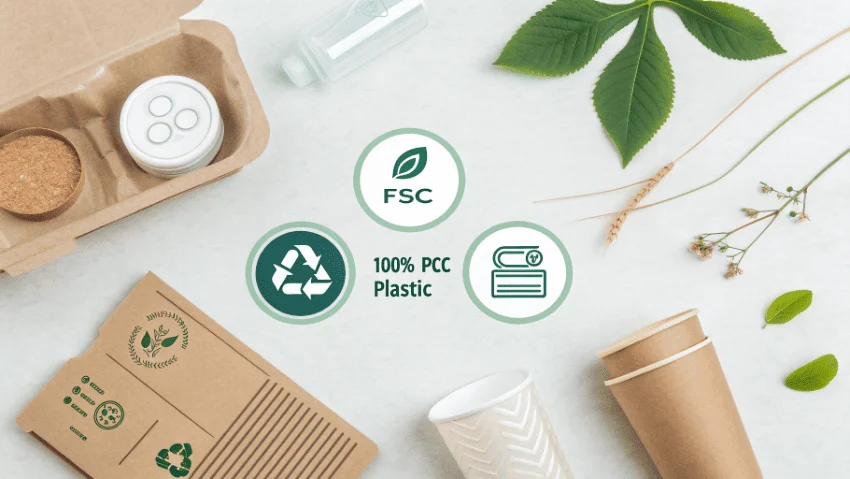
I have been fooled by greenwashing7 before. I once bought a product that had a leaf on the label and the word "natural" all over it. I thought it was a great choice. Later, I discovered the packaging was made from an unrecyclable mixed plastic. It taught me a valuable lesson. We have to be detectives. Brands know that we want to make better choices, but not all of them are honest about their efforts. The key is to look for proof, not just promises. This means digging a little deeper than the front of the box and not being swayed by pretty green leaves on the design.
Reading the Labels
The first place to look for clues is for official symbols and certifications. These are third-party verifications that a brand is meeting certain standards. It is not just about the basic recycling symbol.
Here are a few key things I always look for:
- Recycling Symbol (Mobius Loop): The number inside tells you the type of plastic. You need to check if your local recycling facility accepts that specific number.
- FSC (Forest Stewardship Council): This logo means any paper or cardboard comes from responsibly managed forests, which is a huge plus.
- "PCR" Percentage: Look for "Post-Consumer Recycled" content. A high percentage, like 75% or 100%, means very little or no new plastic was made for that bottle.
Beyond the Buzzwords
Words like "eco," "green," and "earth-friendly" mean absolutely nothing on their own. They are marketing terms without a legal definition. A brand that is truly committed will tell you why their product is eco-friendly. Instead of just saying "green packaging," they will say something specific like, "Our bottle is made from 100% post-consumer recycled plastic and is fully recyclable at curbside." That level of detail and transparency shows real commitment. It builds my trust in the brand because they are providing facts, not just feelings.
Why don't all brands use eco-friendly packaging6?
Are you frustrated that your favorite brand still uses so much plastic? I know I am sometimes. There are real reasons behind it. Understanding the challenges helps us push for meaningful change.
Brands face several hurdles. Sustainable materials can be more expensive than virgin plastic. They also need to ensure the packaging effectively protects the product formula and is durable enough for shipping. Finally, switching entire production lines is a massive and costly operational challenge.
It is easy to get angry at big brands for not changing faster. I used to feel that way all the time. But when I looked into it, I realized it is not always a simple switch. They have to balance sustainability with product safety, performance, and cost. This does not give them a free pass, but it helps to understand the hurdles they need to overcome. Knowing these challenges helps us, as consumers, to better support the brands that are truly investing in solutions and innovating despite the difficulties. It's a complex issue with no easy answers.
The Cost Factor
The biggest barrier is often money. Virgin plastic, the kind made from new fossil fuels, is incredibly cheap and easy to produce on a massive scale. Sourcing high-quality PCR plastic or investing in new molds for glass or aluminum packaging simply costs more. For a small startup brand, this extra cost can be a major hurdle to getting their business off the ground. For a large corporation, changing thousands of product lines is a multi-million dollar decision that affects their bottom line, and they are often slow to make such big investments.
Product Protection and Safety
Cosmetic formulas can be very sensitive. They need protection from light, air, and bacteria to stay effective and safe to use. Packaging has to do this job perfectly. Some natural or sustainable materials8 might not be suitable for preserving a complex vitamin C serum for its entire shelf life. Finding a sustainable option that is also safe, stable, and meets strict regulatory requirements is a big scientific challenge. I certainly would not want to use a product that went bad because the eco-friendly jar did not seal properly.
The Challenge of Scale
Imagine a brand that sells millions of lipsticks a year. Switching from their current plastic tube to a new bamboo one is not as simple as placing a different order. They need to re-tool all of their machinery, retrain their staff, and find a supplier who can produce millions of identical bamboo tubes reliably and consistently. It is a huge logistical puzzle. This is why we often see smaller, newer brands leading the way with innovative packaging. They are more agile and can build their business around sustainability from the very start.
What is my role as a consumer in this movement?
Do you ever feel like your small choices do not make a difference? I promise you, they absolutely do. Your buying power is a loud and clear message to the entire beauty industry.
Your role is to vote with your wallet by supporting brands committed to sustainability. Choose products with minimal, recyclable, or refillable packaging9. Properly dispose of empty containers. And most importantly, use your voice to ask brands for more sustainable options. Collective demand drives industry-wide change.
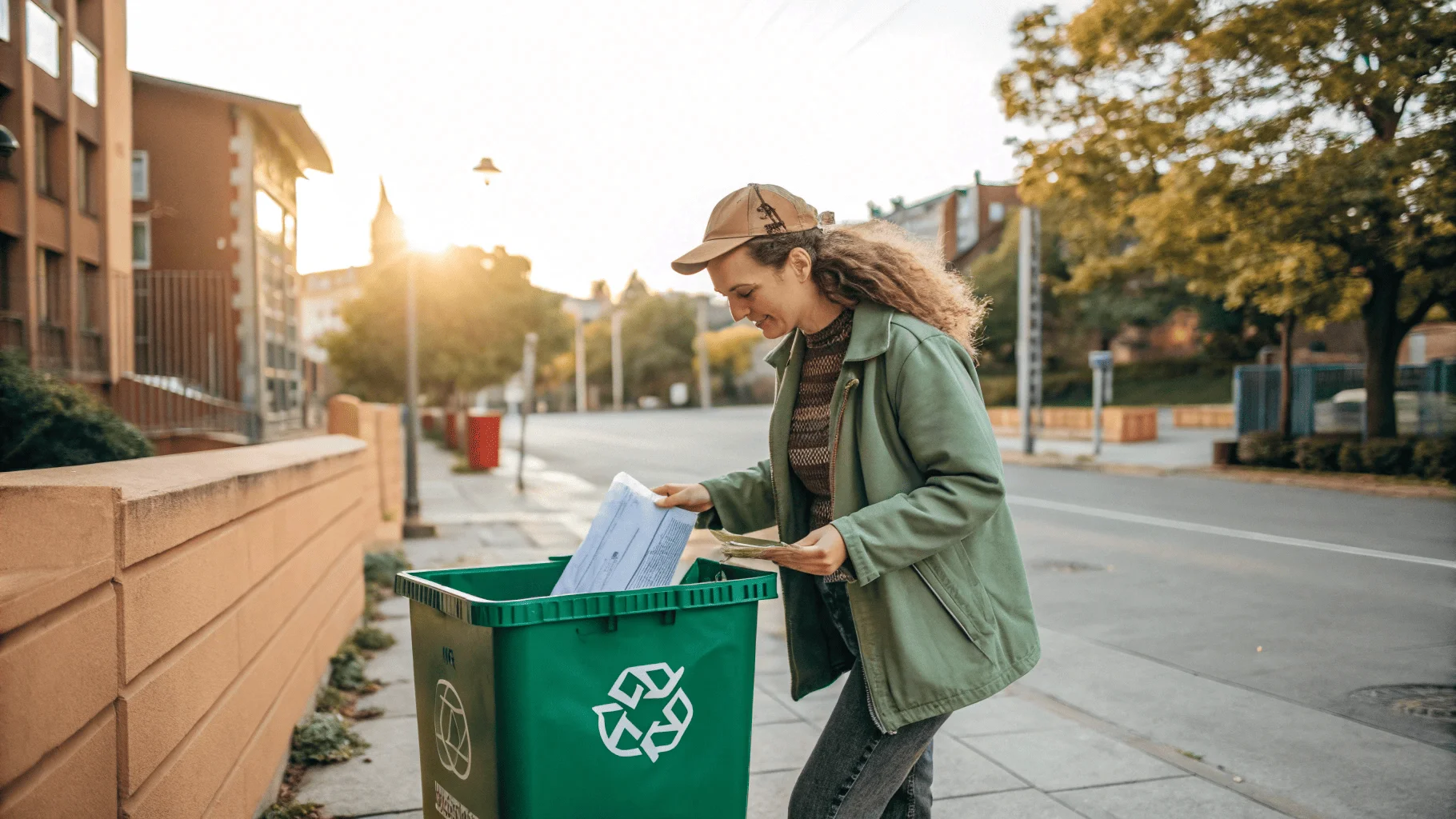
After learning all this, I realized I had more power than I thought. It is not about being perfect overnight. It is about making better, more informed choices one step at a time. Every time we choose a product in a glass jar over a plastic one, or a refill pouch over a new bottle, we send a signal. The industry pays very close attention to what we buy. Our collective actions can shift the entire market towards a more sustainable future. It is a powerful position to be in, and it starts with our next purchase.
Shop Smarter
This is where the real change begins, right in the store or on the website. Before you click "add to cart," take a moment to look at the packaging details.
- Prioritize Refills: If a brand offers a refillable option, that is often the best choice you can make. It creates the least amount of waste over time.
- Choose Better Materials: Opt for glass, aluminum, or 100% PCR plastic when possible. These are better than creating demand for new plastic.
- Avoid Excess: Stay away from products with unnecessary layers, like a jar inside a box that is then wrapped in plastic film. Simpler is almost always better.
- Buy Multipurpose Products: A single product that works as a lip and cheek tint means one less container in your makeup bag and in the landfill.
Dispose of Properly
Your job is not done when the product is empty. I used to just toss everything in the recycling bin and hope for the best, but that can cause major problems. You have to clean containers thoroughly. A half-empty lotion bottle can contaminate a whole batch of recycling, sending it all to the landfill. Check your local recycling rules, as they vary a lot from place to place. For items that are not recyclable curbside, look for programs like Terracycle that specialize in hard-to-recycle beauty waste.
Use Your Voice
Brands are listening on social media and through their customer service channels. Send them an email or a direct message. Ask them, "I love your foundation, but have you considered offering it in a refillable format?" When enough of us ask the same question, they will have to respond. Your voice, combined with others, is a powerful force for change.
Conclusion
Choosing eco-friendly cosmetics is about making conscious choices. By understanding materials and supporting transparent brands, we can reduce waste and push the beauty industry towards a greener future.
Discover how biodegradable materials contribute to reducing plastic waste in beauty products. ↩
Understand the negative effects of traditional packaging on the environment. ↩
Discover the advantages of bioplastics and their role in eco-friendly packaging. ↩
Discover innovative uses of mushroom-based materials in sustainable packaging solutions. ↩
Learn about the relationship between packaging materials and their carbon footprint. ↩
Explore how eco-friendly packaging can reduce waste and promote sustainability in the beauty industry. ↩
Educate yourself on greenwashing tactics to make better purchasing decisions. ↩
Learn about the various sustainable materials that can help minimize environmental impact. ↩
Explore how refillable packaging can significantly reduce waste and promote sustainability. ↩