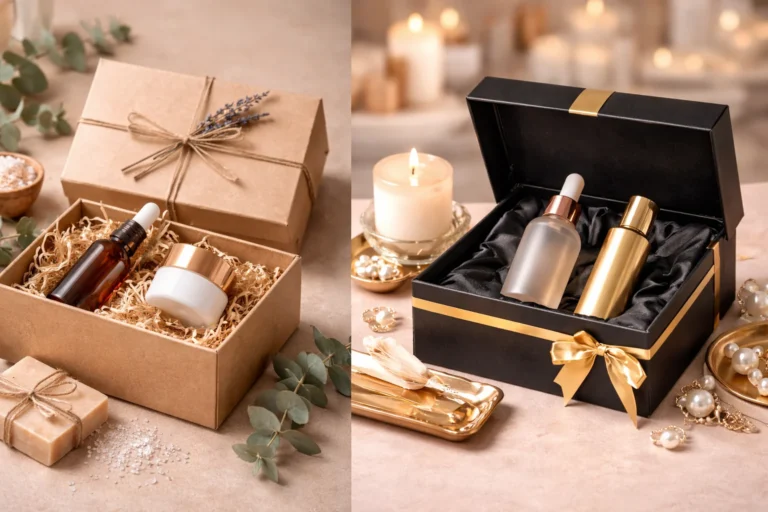
Your lip gloss packaging feels generic and fails to stand out. This leads to poor sales and a weak brand image. The right packaging can change everything for your product.
Lip gloss packaging1 is the primary container2 holding the gloss and the secondary box it comes in. It's vital because it protects the product from damage and leaks, grabs customer attention3 on the shelf, and communicates your brand's story and quality before the customer even tries the gloss.
I've seen firsthand how packaging can make or break a product launch. It’s much more than just a pretty box; it's a silent salesperson4, a protector, and a key piece of your brand identity5 all in one. Getting it right requires a careful balance of many different elements. Let's break down exactly what you need to know to create packaging that not only looks great but also performs perfectly and builds your brand.
What Is Lip Gloss Packaging & Why Does It Matter So Much?
You think packaging is just a simple container for your product. This mindset leads to missed opportunities and a brand that feels forgettable. You must see it as a powerful marketing tool.
Lip gloss packaging1 includes the primary tube and applicator, plus the secondary outer box. It matters immensely because it’s the first physical interaction a customer has with your brand, serving to protect the product, attract buyers on crowded shelves, and tell your brand's unique story instantly.
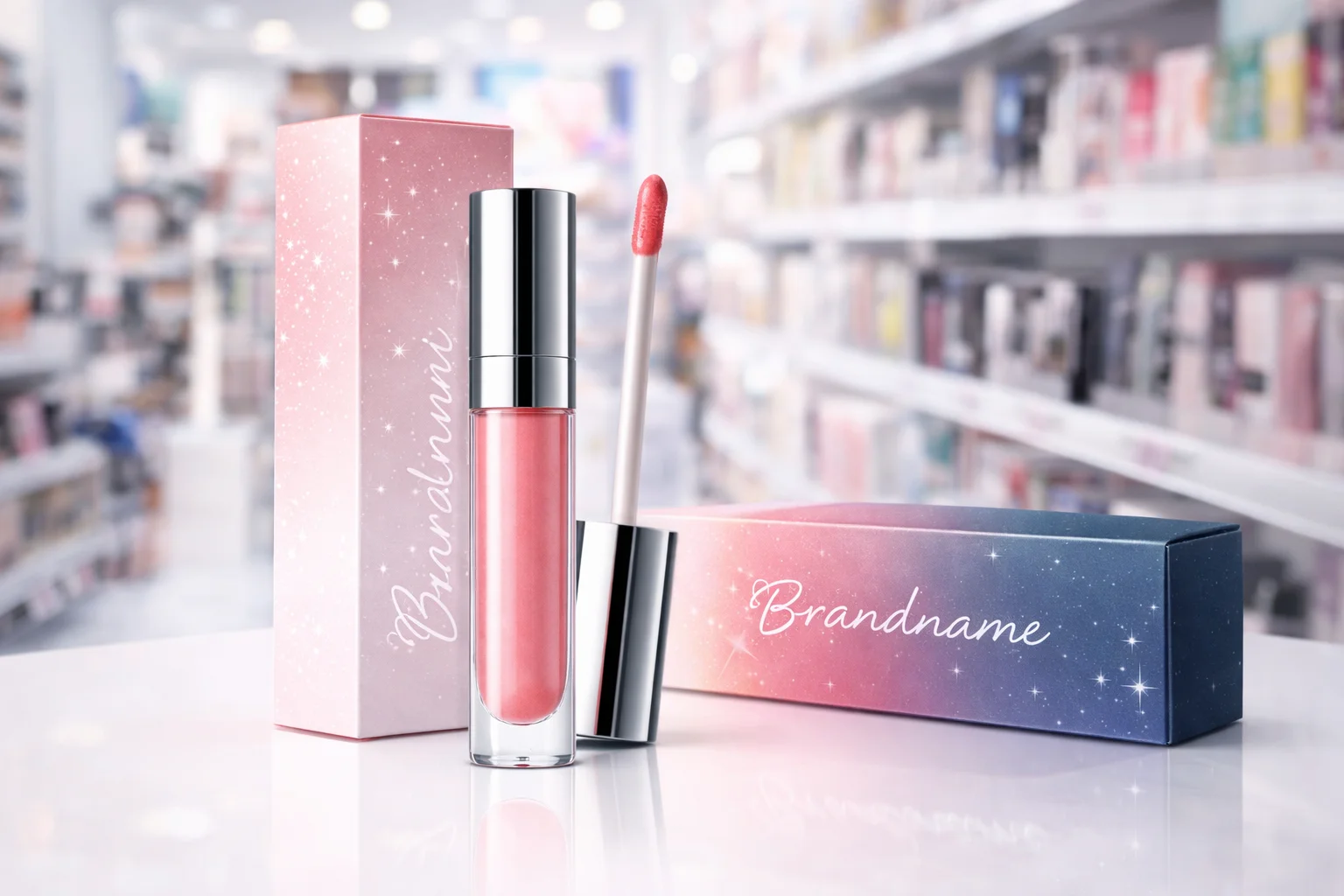
In my years in this business, I've learned that packaging is your product's first handshake. It sets the expectation for everything inside. A flimsy, poorly designed box suggests a low-quality product, while a sturdy, thoughtfully designed package implies quality and care. It’s a crucial element that works for you 24/7, whether your product is sitting on a store shelf or appearing in an unboxing video on social media.
The Silent Salesperson on the Shelf
Imagine your lip gloss sitting next to ten other brands. What makes a customer pick yours up? Often, it's the packaging. Bold colors, unique shapes, or elegant finishes can draw the eye and invite a closer look. It has to communicate your key selling points without a single word. Is your brand fun and youthful? Is it luxurious and sophisticated? Your box should answer that question in a split second.
A Critical Part of the User Experience
The experience doesn't stop once the customer buys the product. How does the box feel in their hands? Is it easy to open? Does the tube itself feel substantial and well-made? This entire "unboxing" process is part of their overall impression. A great experience reinforces their purchase decision and can turn a one-time buyer into a loyal fan.
What Are the Core Functional Requirements of Lip Gloss Packaging?
You're worried about your lip gloss leaking or getting damaged in transit. This creates unhappy customers, negative reviews, and costly returns. You need to prioritize function from the very beginning.
The core functional requirements are leak prevention6, product protection7 from light and air, durability for shipping8 and handling, and a user-friendly design. The applicator must work well, and the container must be easy to open and close securely. Function must always precede form.
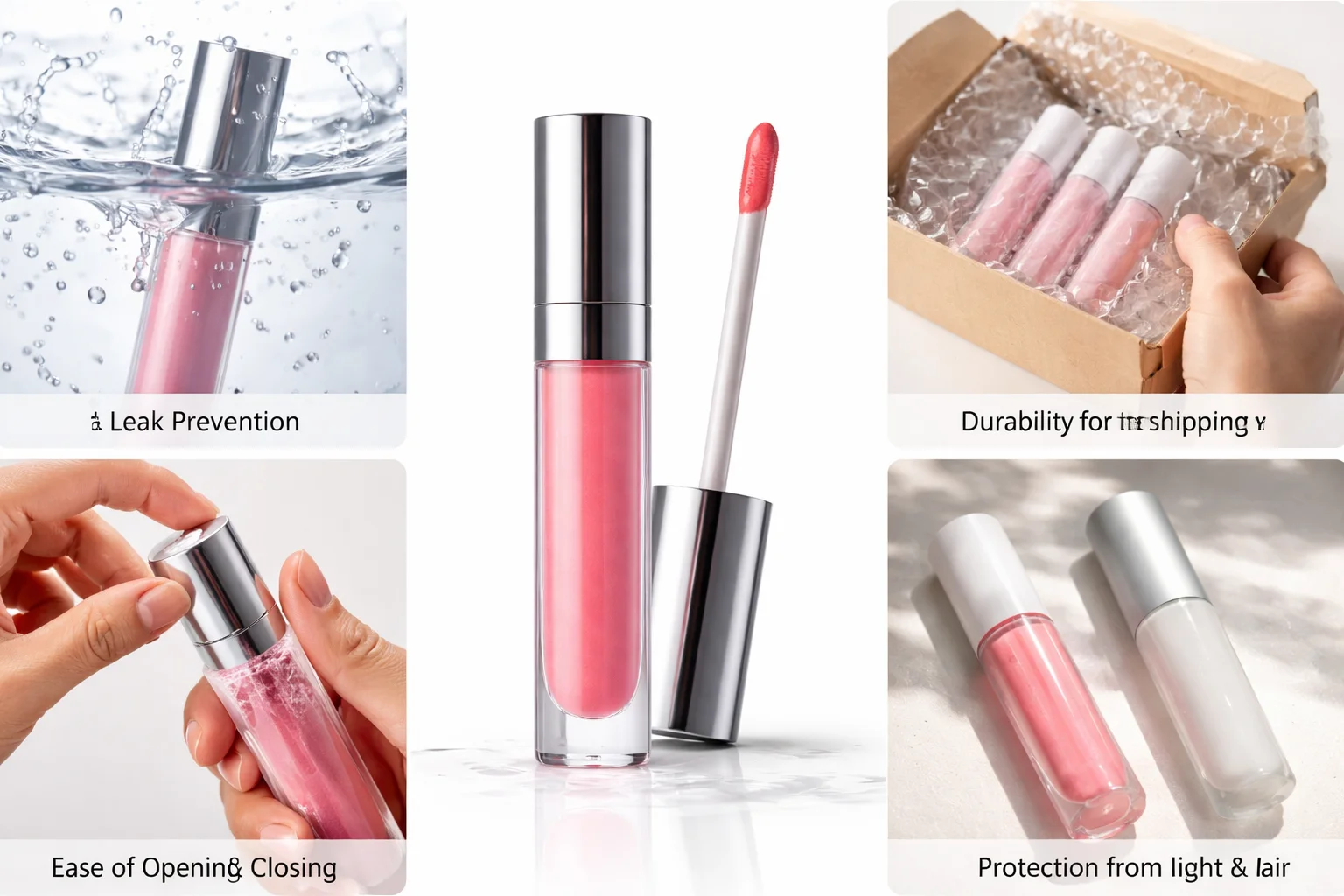
I can't tell you how many brands come to us after their first production run was a disaster. The most common problem? Leaking tubes. A beautiful design means nothing if the product inside is making a mess. We always tell our clients to think about the practical side of things before they fall in love with a purely aesthetic concept. A successful product needs packaging that works flawlessly every single time.
1. Absolute Leak-Proofing
This is non-negotiable. The integrity of your packaging relies on the quality of the tube, the wiper (the small plastic piece in the neck of the tube that removes excess gloss), and the threading on the cap. A tiny flaw in any of these components can lead to leaks. The packaging must be tested to withstand pressure changes, like those that happen during air freight, and temperature fluctuations.
2. Product Preservation
Your lip gloss formula needs to be protected from its environment. The packaging material must be non-reactive with the ingredients. It should also shield the formula from UV light, which can degrade colors and active ingredients over time. An airtight seal is also crucial to prevent the product from drying out and to protect it from contamination.
3. Durability and User-Friendliness
The packaging has to be tough enough to survive the journey from our factory to the customer's hands without getting crushed or scuffed. The box should protect the primary container2. For the user, the cap should be easy to grip and twist, and the applicator should pick up and apply the right amount of product smoothly.
What Are the Common Materials Used in Lip Gloss Packaging Boxes?
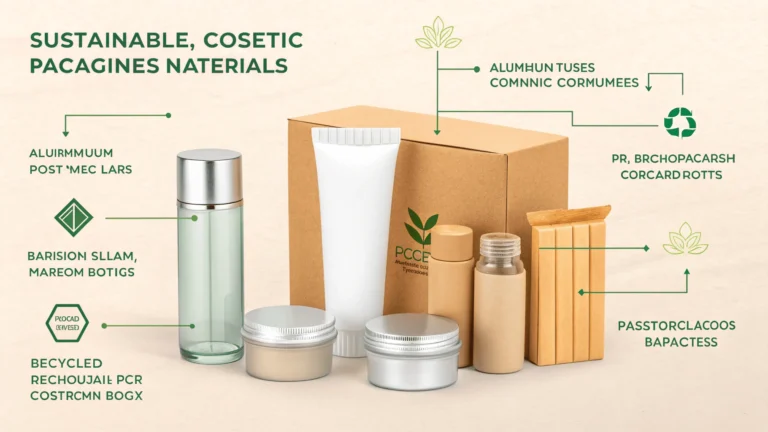
You feel overwhelmed by all the paper and board options available. Choosing the wrong one can make your brand look cheap or misaligned with your values, like sustainability. Let's simplify the choices.
The most common materials are paperboards like SBS (Solid Bleached Sulfate) for its premium feel and excellent print surface, and kraft paper9 for a natural, eco-friendly look. For luxury or gift sets, rigid board10 is often used for its strength and high-end perception.
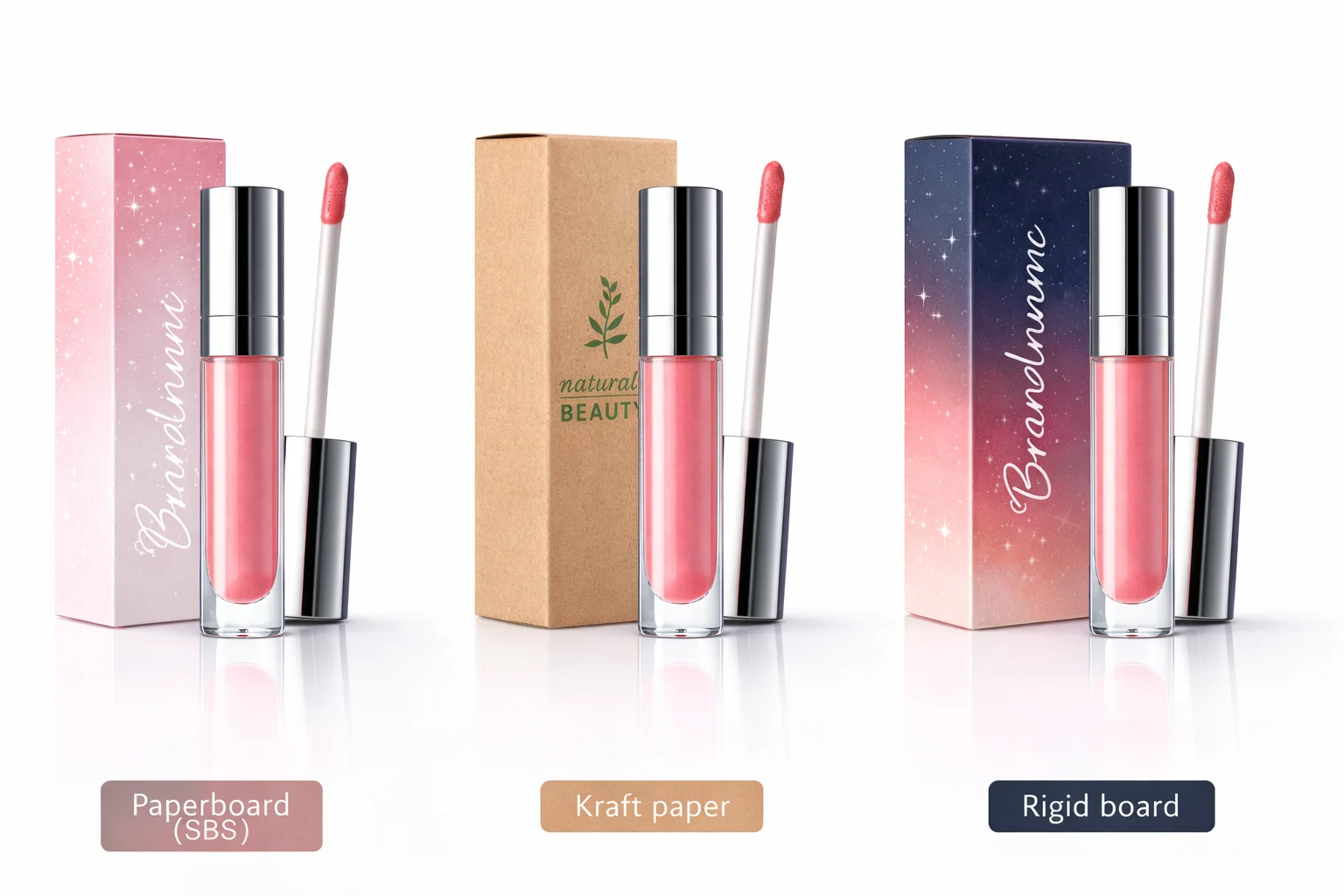
The material you choose says a lot about your brand. I've seen how a simple switch from a standard paperboard to a textured kraft paper9 can completely change how a customer perceives a brand's values. It’s not just about what holds the product; it’s about what the material itself communicates. Your choice should be a deliberate one that aligns with your brand identity5 and your budget.
Here’s a simple breakdown of the most common options I work with every day:
| Material | Best For | Key Characteristics |
|---|---|---|
| SBS Paperboard11 | The majority of retail brands. | Bright white, smooth surface. Excellent for vibrant, full-color printing. |
| Kraft Paper | Eco-conscious or natural brands. | Brown, recycled look and feel. Signals sustainability. Best for simple, dark ink printing. |
| Rigid Board | Luxury brands and gift sets. | A thick, non-collapsible chipboard. Gives a heavy, premium, and durable feel. |
| Corrugated Board | E-commerce mailer boxes. | Strong and protective for shipping. Not typically used for the primary product box itself. |
When selecting a material, think about the entire lifecycle. How will it look after being shipped? Does it protect the product inside? And does the feel of it in the customer's hand match the price point you've set?
What Are the Most Popular Box Styles for Lip Gloss Packaging?
You feel that a standard, boring box won't get you noticed. Your product gets lost on the shelf because it looks like everything else. Exploring different box styles can make a huge impact.
Popular and effective styles include the standard tuck-end box12 for its cost-effectiveness, the sleeve (or drawer) box for a more premium unboxing experience13, and window boxes14 to directly showcase the product's shade. Each style offers a different feel and function.
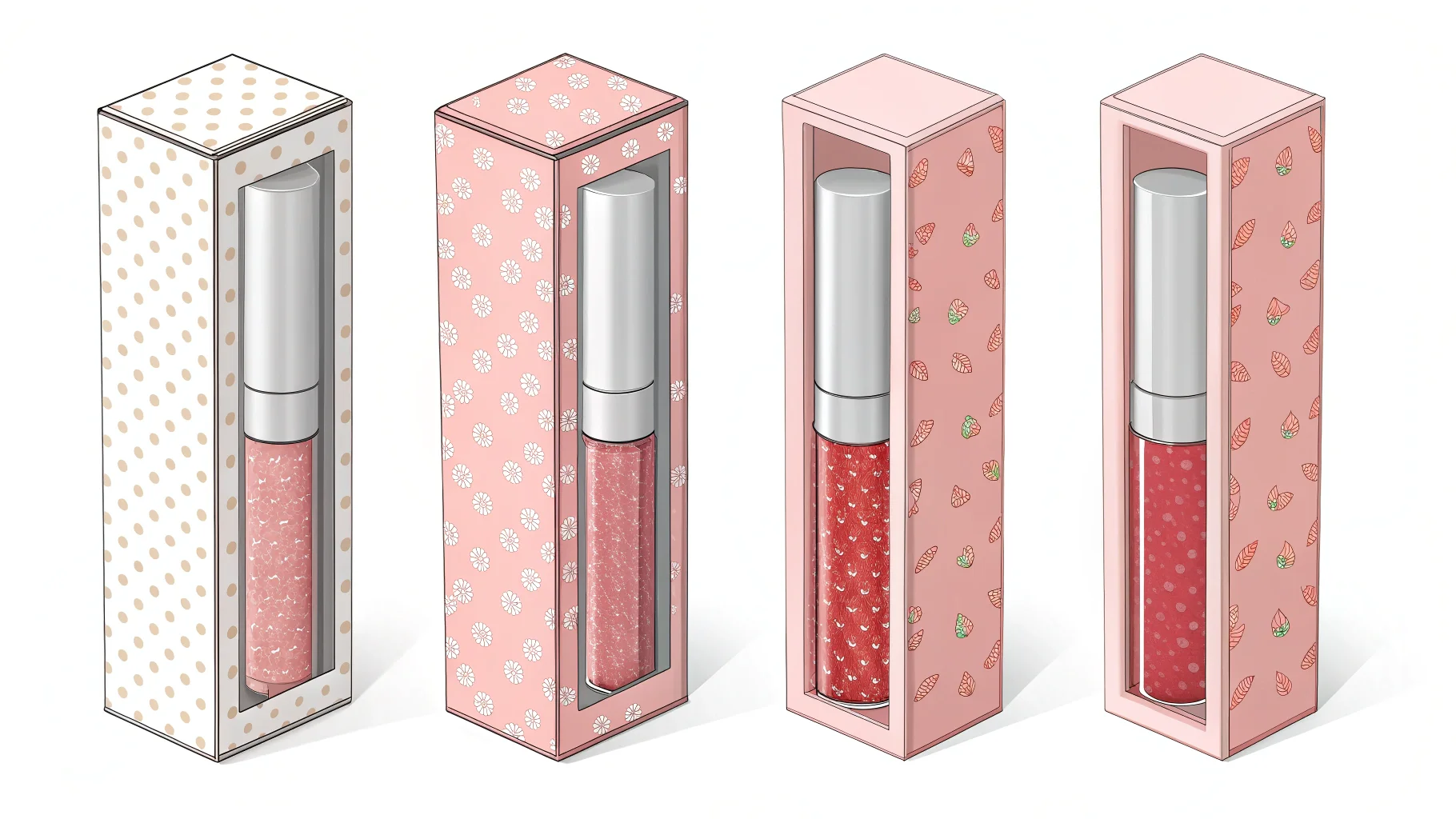
The style of your box is your first chance to create a memorable experience. I've seen brands boost their perceived value simply by moving from a basic tuck-end box12 to a sleeve box15. The physical act of sliding a drawer out to reveal the product feels more deliberate and luxurious. It's a small detail, but these details add up to create a strong brand impression.
The Workhorse: Tuck-End Boxes
This is the most common style for a reason. They are efficient to produce, store flat to save space, and are easy to assemble. You have two main types: a Reverse Tuck End (RTE), where the top and bottom flaps are on opposite sides, and a Straight Tuck End (STE), where they are on the same side. They are a reliable and cost-effective choice for most brands.
The Premium Reveal: Sleeve and Tray Boxes
Also known as a drawer box, this style consists of an outer sleeve and an inner tray that slides out. This creates a moment of discovery for the customer. It instantly feels more high-end and is perfect for premium or gift-worthy products. From a manufacturing standpoint, they require more material and assembly time, which makes them a bit more expensive, but the impact can be worth it.
The Product Showcase: Window Boxes
When the color of your lip gloss is the main selling point, a window box is a fantastic choice. It uses a die-cut hole with a thin, clear plastic film to let customers see the actual product shade without opening the box. This can reduce damage from in-store testers and build purchase confidence.
When It Comes to Sizing & Fit, Why Do Custom Dimensions Matter?
Your lip gloss tube rattles around inside its box. This not only looks unprofessional and cheap but also puts your product at risk of being damaged during shipping. A perfect, custom fit is essential.
Custom dimensions are vital because they secure the product, preventing movement that can cause scuffs, cracks, or other damage. A snug fit also presents a more professional and high-quality image, reduces material waste, and can even lower shipping costs by minimizing box size.
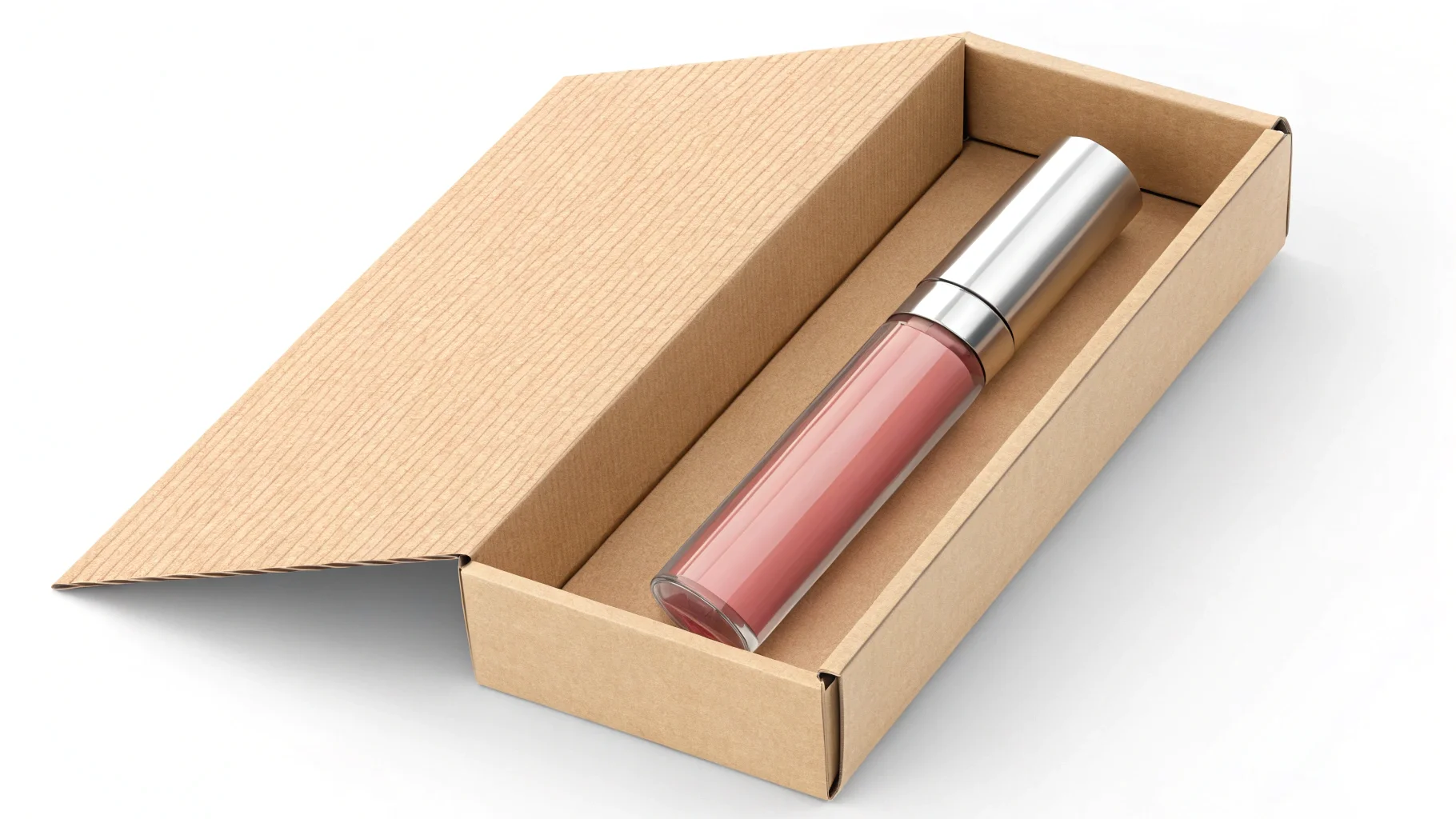
One of the first things we do on any new project is ask for physical samples of the product. Digital measurements are a starting point, but they don't tell the whole story. We need to see how the tube sits in the box, how it feels to take it out, and ensure there's no wiggle room. A perfect fit is a sign of quality that customers notice, even if only subconsciously. It shows that you’ve thought about every single detail.
The Dangers of a Poor Fit
When a product can move around inside its packaging, bad things can happen. The tube can get scuffed, a cap could potentially come loose, or in the worst-case scenario, the container could break. This leads to product returns and damages your brand's reputation. It also just feels cheap. When a customer opens a box and the product is just rattling around, it immediately lowers the perceived value.
The Benefits of a Custom Fit
A box designed to the exact dimensions of your product provides maximum protection with minimal material. This can lead to cost savings in two ways: you use less paperboard, and the smaller, lighter package can reduce shipping fees. More importantly, it provides a superior customer experience. The product feels secure and purposefully presented, reinforcing the idea that they have purchased a quality item. This is why we often recommend a custom paper insert to hold the product perfectly in place.
What Printing & Finishing Options Can Elevate Brand Perception?
Your current box design looks flat and uninspired on the shelf. It's getting lost next to competitors who use eye-catching effects that make their products look more valuable. You can use these techniques too.
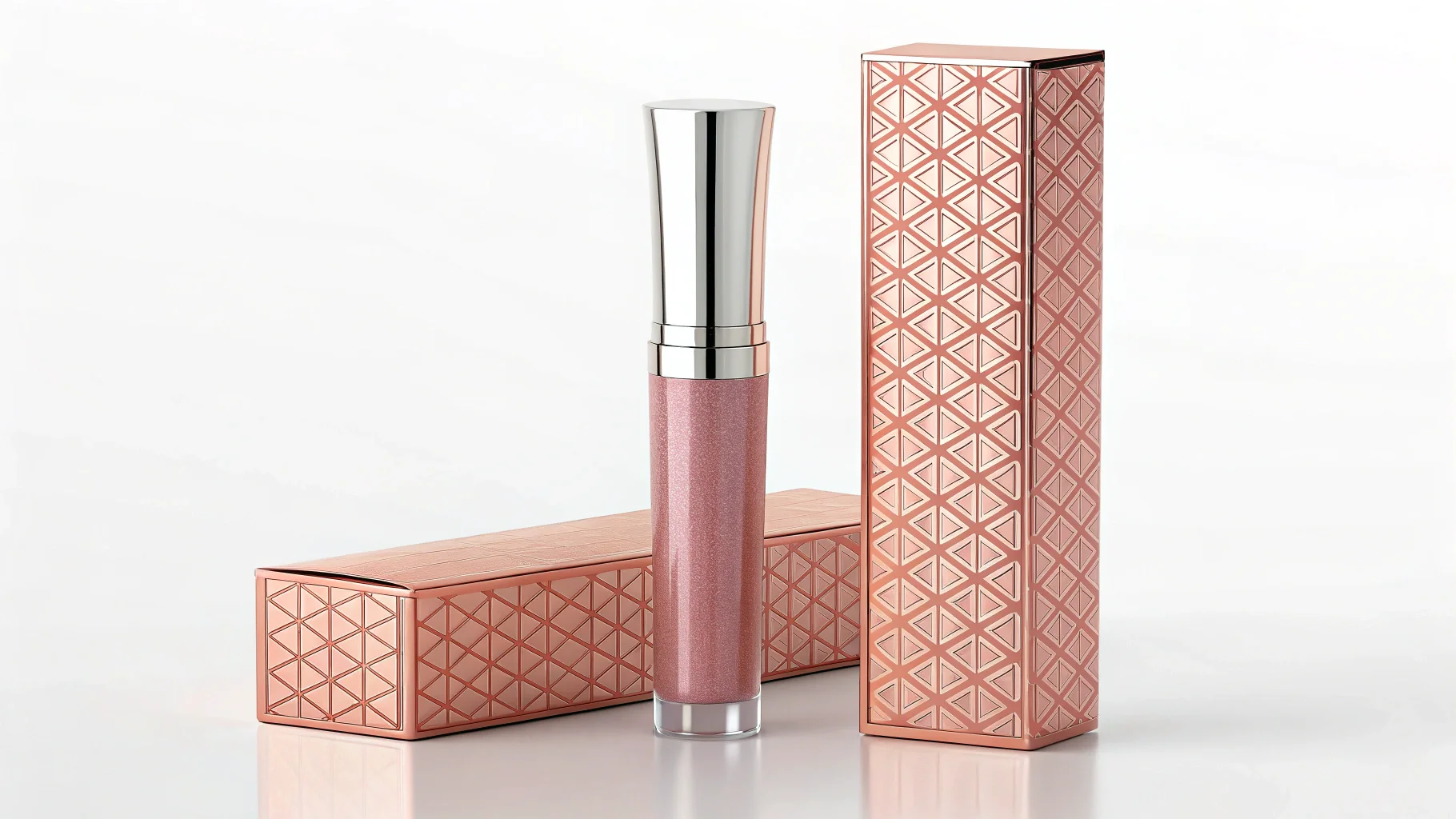
Special printing and finishing options like foil stamping16 for a metallic shine, embossing17 or debossing for a 3D texture, and spot UV for a targeted high-gloss effect can dramatically elevate brand perception. These tactile details signal a premium product and make your packaging stand out.
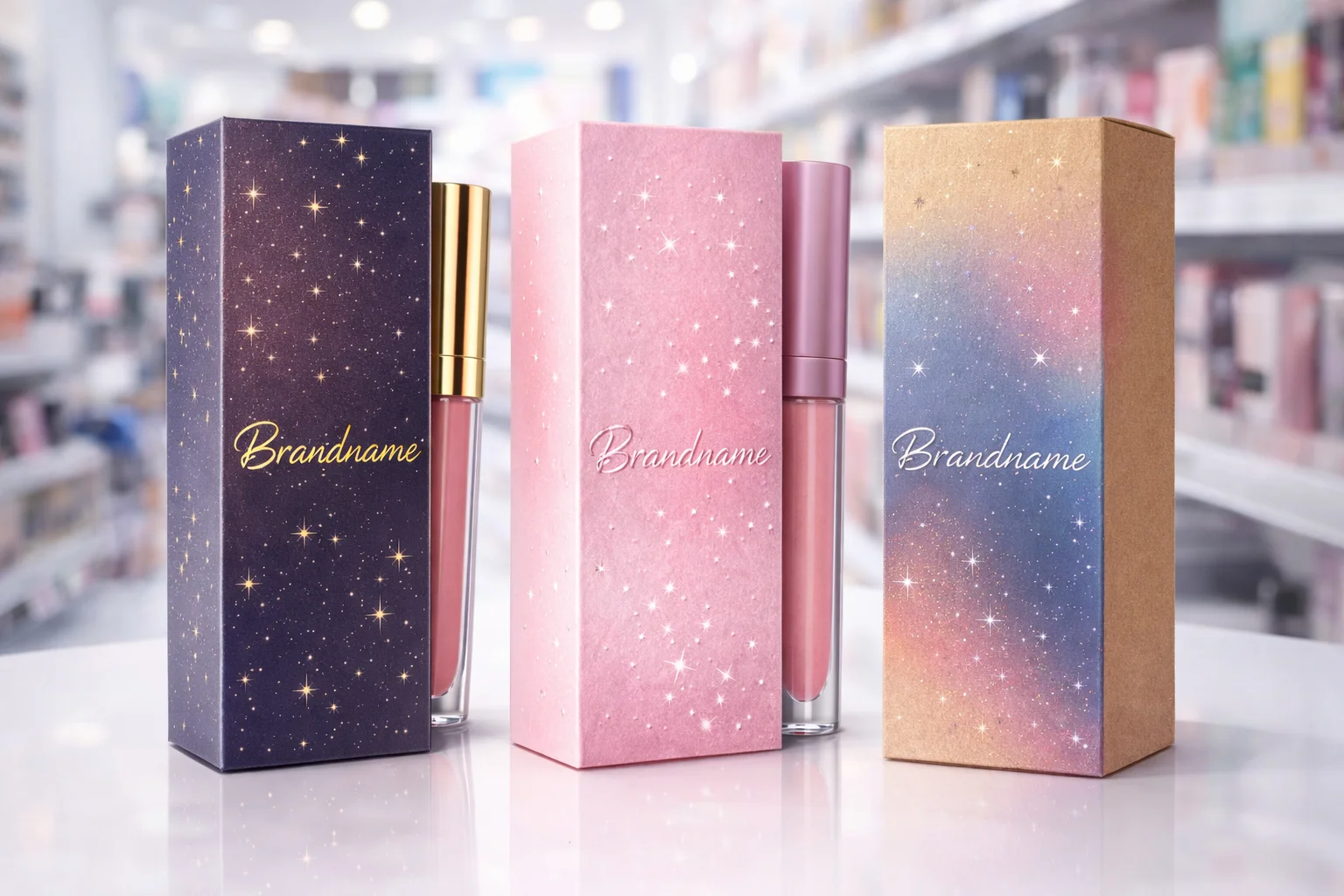
I always advise clients that less is often more. You don't need to use every finish available. The most effective designs I've produced use one or two special finishes strategically to highlight the most important part of the package, like the brand logo or product name. It’s about creating a focal point and a memorable tactile experience. When a customer runs their finger over a raised, embossed logo, it creates a connection that a simple flat print can't.
Here are a few of the most impactful options:
| Finishing Option | What It Does | Best For Achieving |
|---|---|---|
| Foil Stamping | Applies a thin layer of metallic or colored foil. | A look of luxury, elegance, and high value. Great for logos. |
| Embossing/Debossing | Presses a die into the paper to create a raised (emboss) or indented (deboss) effect. | A subtle, tactile sophistication. Adds a 3D element to text or patterns. |
| Spot UV | Applies a high-gloss UV coating to a specific area of the design. | Creating contrast between matte and shiny surfaces. Makes logos or images pop. |
| Lamination | Applies a thin protective film over the entire box (Matte, Gloss, or Soft-Touch). | Increasing durability and providing a distinct overall feel. Soft-touch feels velvety and luxurious. |
These finishes add to the cost, but they also add significant perceived value. The key is to choose options that align with your brand identity5 and use them to enhance your design, not overpower it.
What Are Some Creative Lip Gloss Packaging Ideas That Can Drive Sales?
You need some fresh ideas to make your packaging truly memorable. A generic design is easy to ignore, but a creative one can generate buzz and drive sales. Let's get inspired.
Creative ideas that boost sales include using unique, non-rectangular box shapes, creating multi-pack sets for higher value, adding interactive elements18 like QR codes, or designing packaging with a secondary purpose, making it reusable and sustainable.
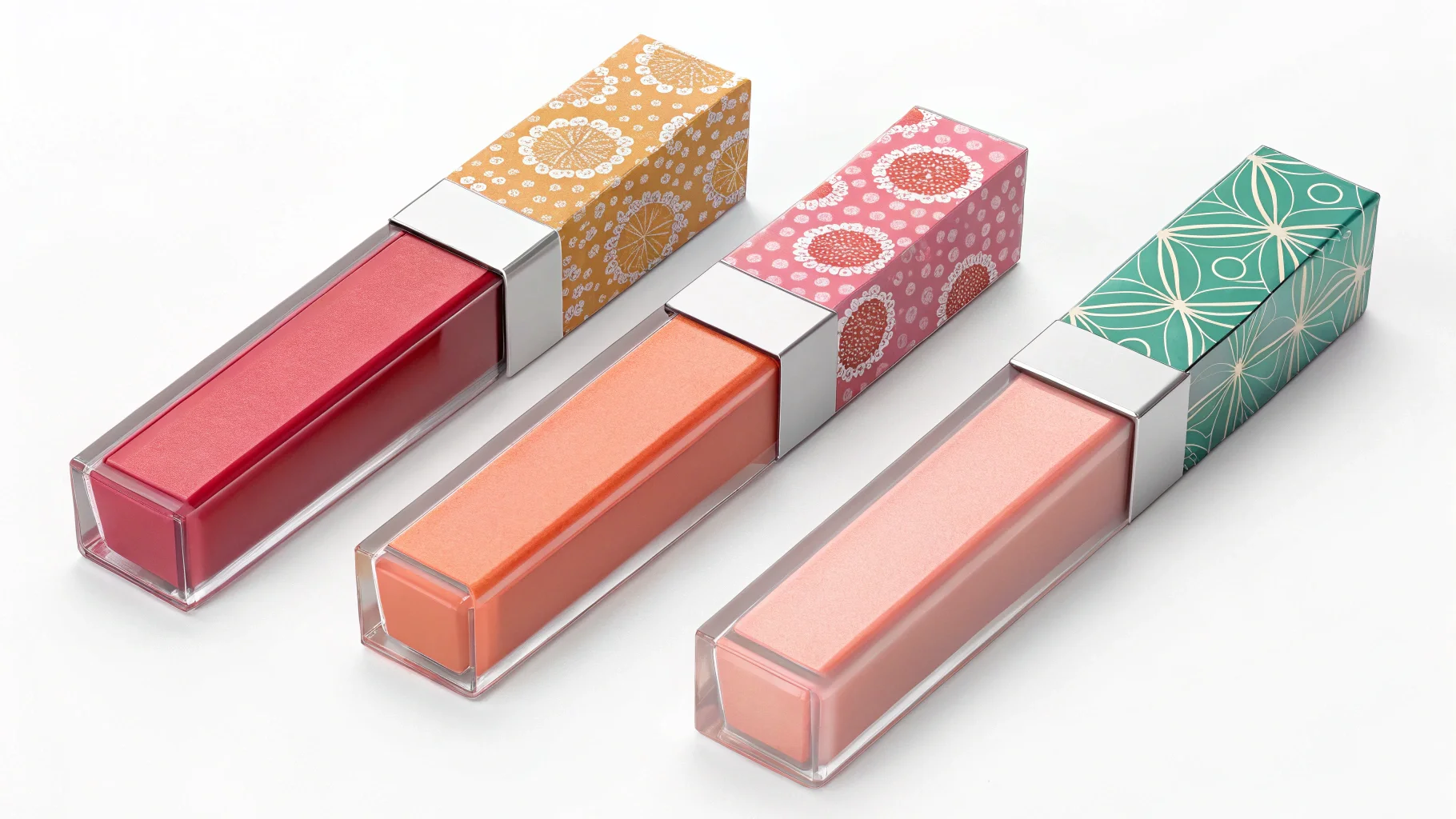
The most exciting projects I work on are those where the brand is willing to think outside the standard box. A clever packaging concept can become a talking point in itself, leading to more social media shares and word-of-mouth marketing. It shows customers that your brand is innovative and fun. When the packaging is as exciting as the product, you create an experience that people want to share.
Think Beyond the Rectangle
Who says a box has to be a square or a rectangle? We can create packaging in almost any shape. A hexagonal box, a triangular one, or a box with custom die-cut windows can instantly set you apart from the competition. Unique shapes are more memorable and have a stronger visual impact on the shelf.
Create an Interactive Experience
Engage your customers beyond the purchase. You can print a QR code inside the box that links to a video tutorial on how to use the lip gloss. Or add a fun, hidden message on an inner flap that is revealed upon opening. These small surprises delight customers and make your brand more memorable.
Design for Gifting and Collecting
Create beautifully designed multi-pack sets that are perfect for gifting. This can increase your average order value. You can also design a series of boxes with related but unique designs, encouraging customers to collect them all. This strategy works particularly well for limited-edition releases.
What Are the Common Mistakes to Avoid in Lip Gloss Packaging?
You're worried about making a costly packaging mistake that could delay your launch. A single oversight in packaging can lead to wasted inventory and a damaged reputation. Let's cover the pitfalls.
The most common mistakes are designing without consulting your manufacturer, choosing materials that don't fit your brand or protect the product, overlooking functionality like leak-proofing, and failing to get a physical prototype before approving mass production.
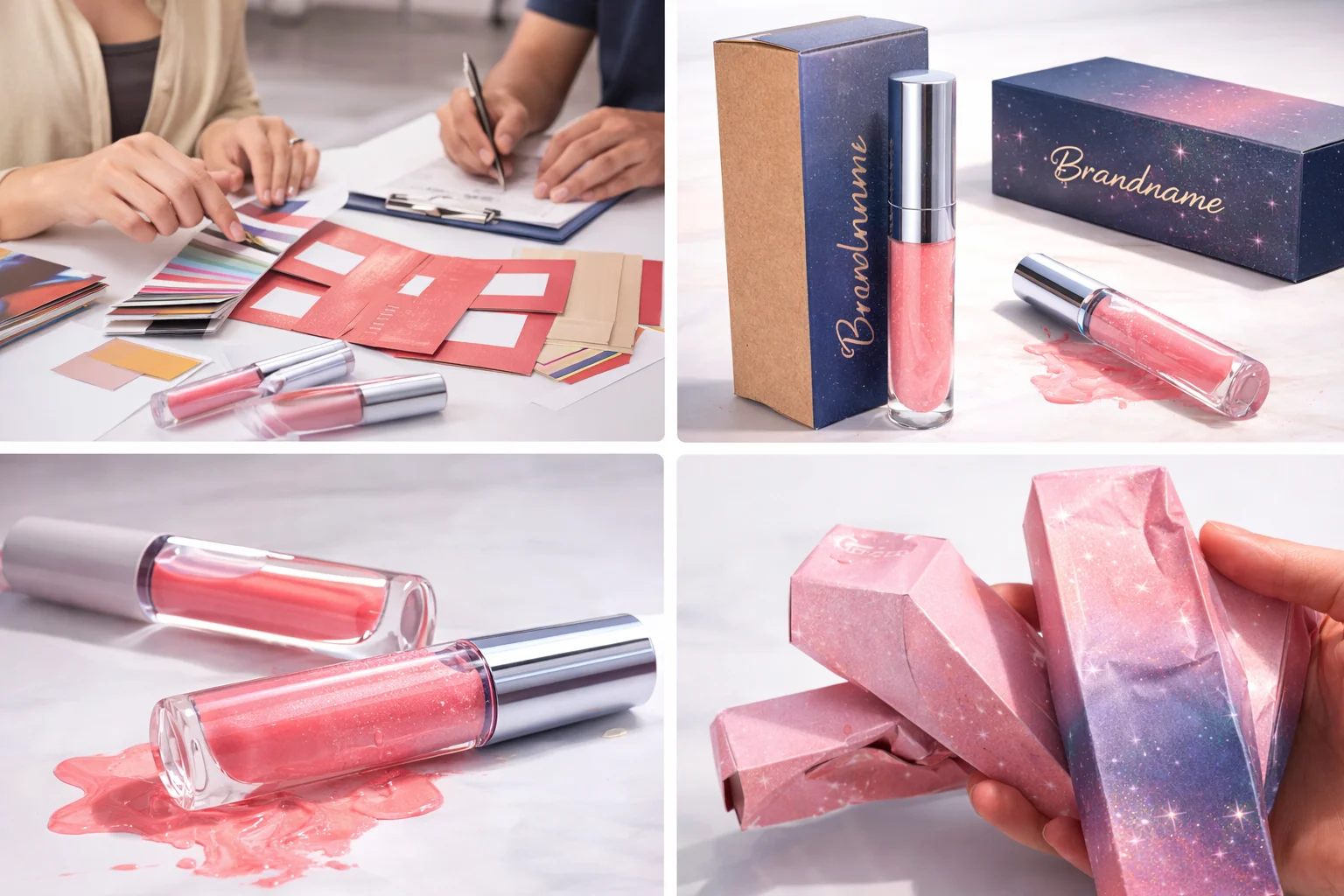
From my perspective as a manufacturer, the single biggest and most costly mistake is when a brand finalizes a design without talking to us first. A designer might create something that looks incredible on a computer screen but is structurally unsound or prohibitively expensive to produce at scale. Early collaboration is the best way to prevent these problems. We can offer suggestions that maintain the design vision while ensuring the final package is practical, durable, and cost-effective.
Forgetting About the Supply Chain
Your packaging needs to be designed for the real world. It will be packed into master cartons, stacked on pallets, shipped across the country or the world, and handled by warehouse and retail staff. A delicate design with fragile parts might not survive the journey. We always consider the entire logistics chain when advising on materials and structural design.
Prioritizing Aesthetics Over Function
This is a classic mistake. A brand falls in love with a unique bottle shape but doesn't realize the cap has a poor seal. Or they choose a beautiful, uncoated paper that easily gets stained by fingerprints in a retail environment. Function must be proven before you commit to a design.
Skipping the Prototyping Stage
Never, ever approve a full production run based on a digital proof alone. You need to see and feel a physical sample. A digital mock-up can't tell you if the colors are accurate, if the box is strong enough, or if the product fits perfectly inside. A physical prototype is your final, critical check to catch any issues before it's too late.
How Do You Choose the Right Lip Gloss Packaging Manufacturer?
You're not sure who to trust with your brand's packaging. Choosing the wrong manufacturing partner can lead to missed deadlines, inconsistent quality, and a lot of stress. Here's what to look for.
Choose a manufacturer with proven experience in the cosmetics industry. Review their portfolio, ask for physical samples of their work, verify their quality control processes, and make sure they are a collaborative partner who communicates clearly and helps solve problems.
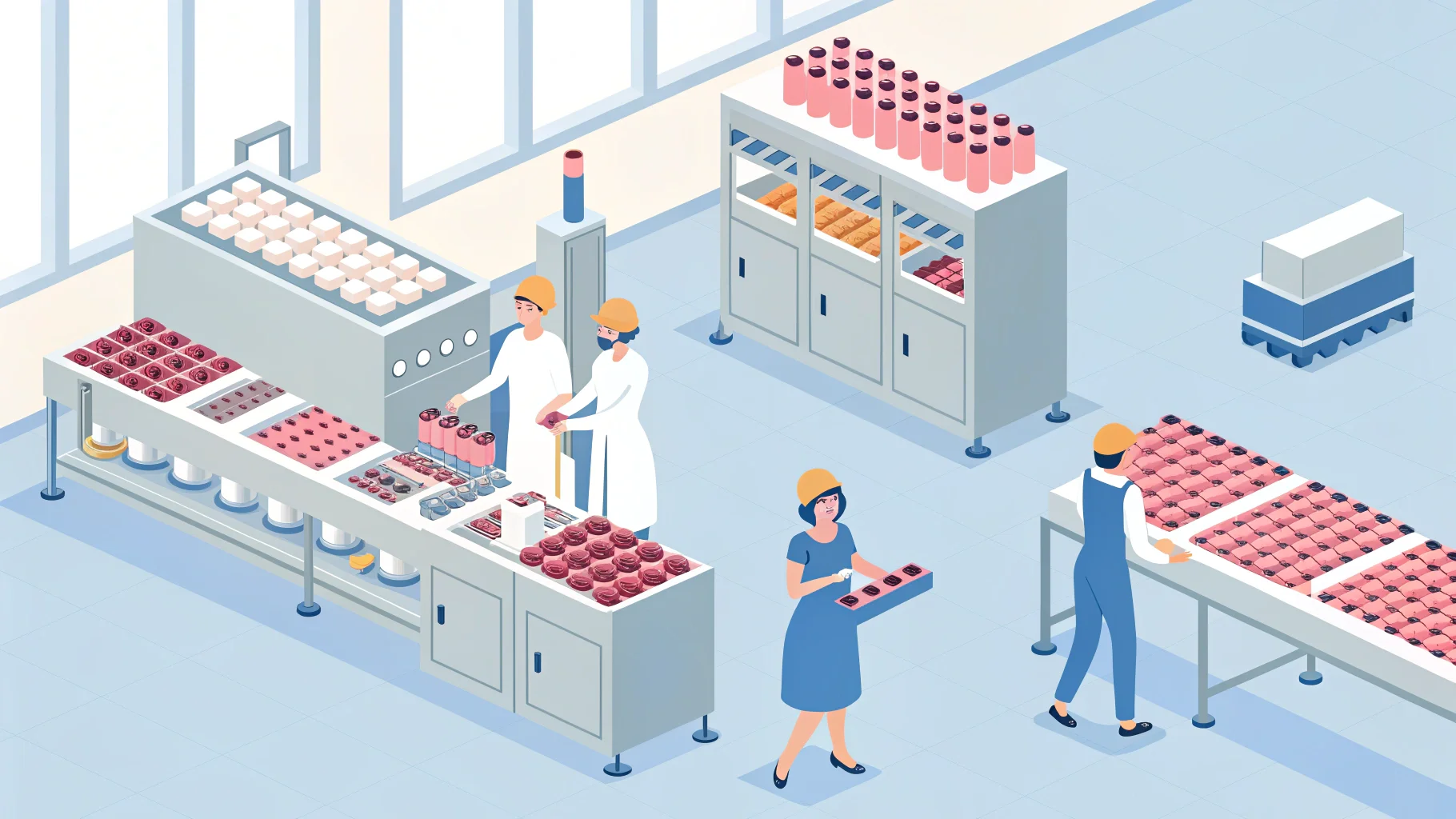
I see our role as more than just a printer. We are a partner in our clients' success. The right manufacturer won't just take your order; they will ask questions and offer suggestions based on their experience. They should be able to spot potential problems with your design and propose effective solutions. You're not just buying boxes; you're investing in expertise that will help you launch a successful and reliable product.
Look for Specialized Experience
A general-purpose printer may not understand the specific requirements of beauty packaging. They might not be familiar with the materials that work best with cosmetic formulas or the durability standards needed for retail. Look for a company that proudly showcases its work with other beauty brands.
Ask About Their Quality Control Process
How do they ensure color consistency from the first box to the ten-thousandth? What checks do they have in place for glue strength and structural integrity? A reputable manufacturer will be happy to walk you through their QC procedures. This transparency is a sign of a trustworthy partner.
Prioritize Communication and Collaboration
The best working relationships are built on clear communication. Your manufacturing partner should be responsive, easy to work with, and willing to act as an advisor. If they aren't interested in collaborating with you to make the best possible product, they are not the right partner for your brand's future.
Conclusion
Creating great lip gloss packaging means balancing looks, function, and brand. It protects your product, attracts customers, and is a key investment in your brand's long-term success and value.
Explore this resource to understand how effective packaging can enhance your brand's image and sales. ↩
Learn about the importance of the primary container in protecting and presenting your product effectively. ↩
Discover strategies to make your packaging stand out and attract more customers. ↩
Find out how packaging can influence purchasing decisions without saying a word. ↩
Understand how packaging reflects your brand's values and helps create a lasting impression. ↩
Learn about essential features that ensure your product remains intact during transit. ↩
Discover the best practices for ensuring your product is safe from light, air, and contamination. ↩
Find out which materials can withstand the rigors of shipping while keeping your product safe. ↩
Explore how kraft paper can enhance your brand's eco-friendly image and appeal. ↩
Understand the benefits of rigid board for luxury packaging and its impact on brand perception. ↩
Learn why SBS paperboard is a popular choice for retail packaging and its advantages. ↩
Discover why tuck-end boxes are a reliable and cost-effective choice for many brands. ↩
Explore the elements that enhance the unboxing experience and build customer loyalty. ↩
Find out how window boxes can showcase your product and boost customer confidence. ↩
Learn how sleeve boxes can create a premium feel and elevate customer satisfaction. ↩
Learn how foil stamping can add a touch of luxury and attract customer attention. ↩
Discover how embossing can create a tactile experience that enhances brand value. ↩
Explore how adding interactive features can enhance customer experience and brand loyalty. ↩