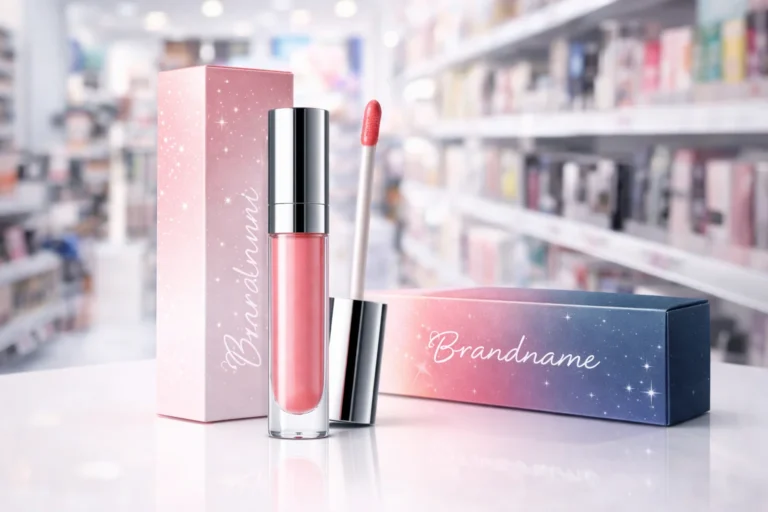
Your packaging looks a little dated, but a full redesign feels overwhelming. A custom sleeve box1 is the simple, cost-effective2 way to give your brand an instant, premium upgrade.
Yes, a custom sleeve box1 is one of the simplest ways to upgrade your brand. It is a paperboard "sleeve" that slides over your existing product box, letting you change your packaging's look for seasons or promotions without redesigning the entire thing. It's a fast, flexible, and affordable refresh.
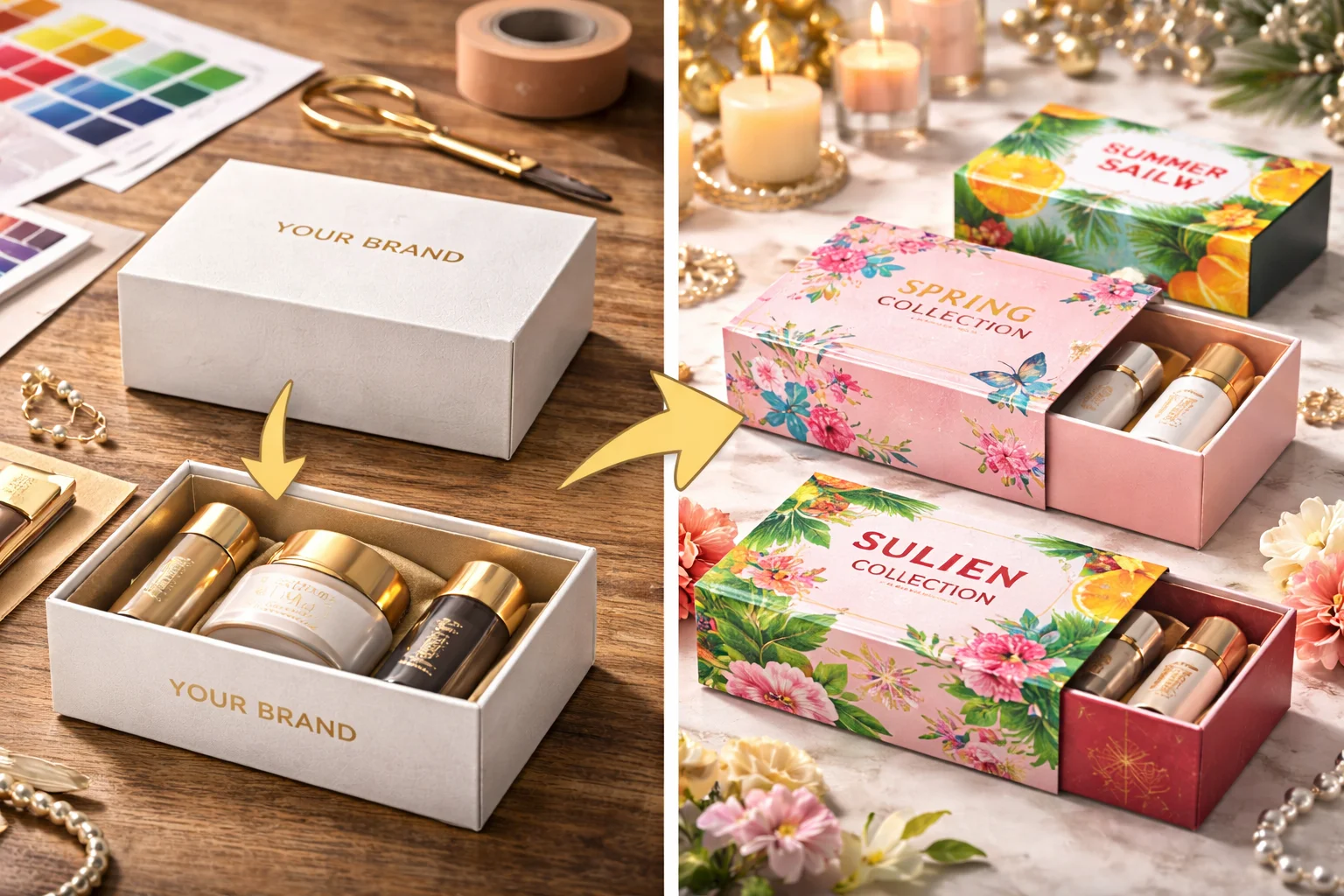
I’ve worked in packaging for years, and I’ve seen brands struggle with this problem all the time. They feel stuck with old designs because a complete overhaul is too expensive and takes too much time. But there's a solution that many smart brands are using. It lets you test new looks, run special promotions, and add a touch of luxury, all without throwing away your current inventory of boxes. Let me show you how it works and why it might be the perfect fit for your cosmetic brand.
What Is a Custom Sleeve Box?
Are you confused about what a sleeve box actually is? This confusion can stop you from using a great packaging tool. Let me break down this simple and effective solution.
A custom sleeve box1 is a two-part packaging solution3. It has an inner tray or box that holds the product and an outer sleeve that slides over it. Think of it as a stylish jacket for your product box. It adds an extra layer of design and protection.
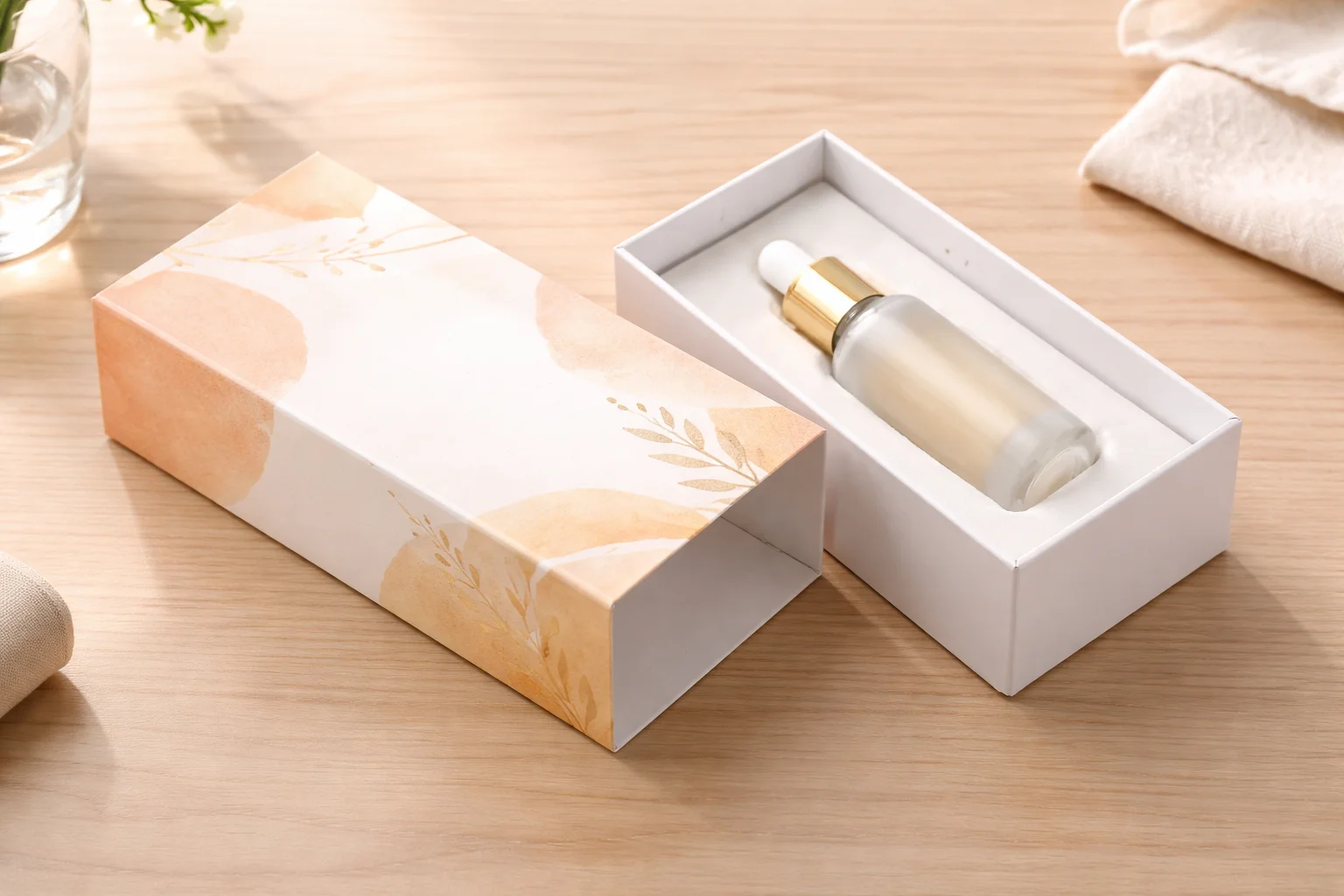
When I explain sleeve boxes to my clients, I tell them to think of it as two separate pieces that work together. Based on my experience in manufacturing, this distinction is very important.
The Two Components
- The Inner Box (or Tray): This is the part that directly holds your cosmetic product. It can be a simple, unprinted box made from a sturdy material. Its main job is to secure the product.
- The Outer Sleeve: This is the star of the show. It’s the printed, branded piece that slides over the inner box. This is where you put your logo, product information, and eye-catching designs.
Here’s a simple table to show how they work together.
| Component | Purpose | Design Focus |
|---|---|---|
| Inner Box | Holds and protects the product. | Structural strength, minimal printing. |
| Outer Sleeve | Attracts customers, tells the brand story. | High-quality graphics, colors, and finishes. |
Understanding this two-part system is the first step. It shows you how you can change one part (the sleeve) without having to change the other (the inner box). This simple idea is what makes sleeve boxes so powerful for brands.
Why Are Cosmetic Brands Using Sleeve Boxes More Often?
You see your competitors' packaging looking fresh and exciting. It can make you feel left behind. Discover the secret they're using to stay current without breaking the bank.
Cosmetic brands use sleeve boxes more often because they offer incredible flexibility4 at a lower cost. They allow for quick seasonal updates5, limited editions6, and a premium unboxing experience7 without the expense of a complete packaging redesign. It’s a smart way to keep the brand looking new.
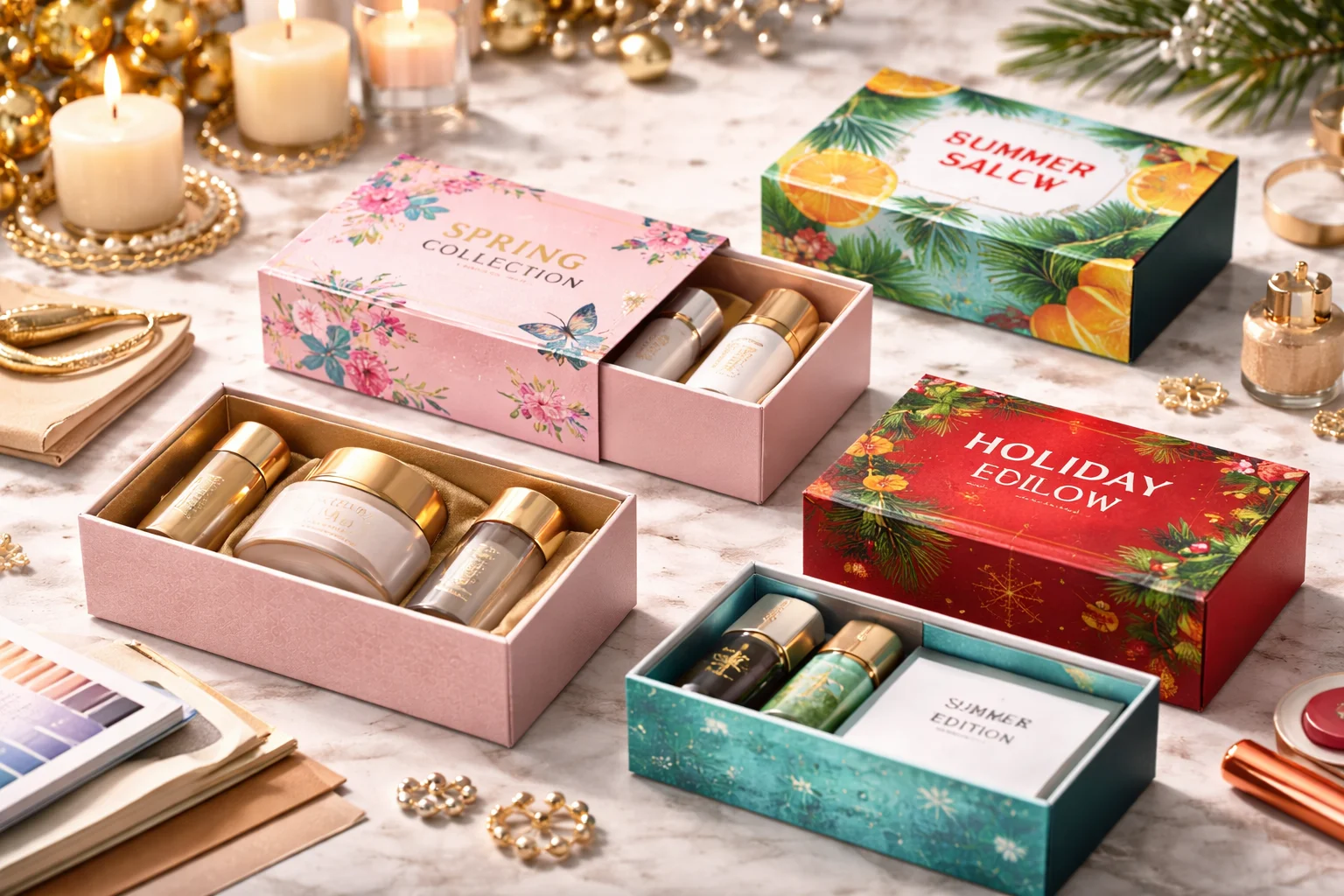
I’ve seen a big increase in orders for sleeve boxes from cosmetic companies, and it’s for a few clear reasons. Brands need to move fast, and this packaging lets them do just that. It solves several problems at once.
They Save a Lot of Money
The biggest reason is cost. Printing a whole new set of custom boxes for a holiday or a special promotion is expensive. But printing just a thin paperboard sleeve is much cheaper. Brands can keep a large stock of plain inner boxes and then order small batches of different sleeves as needed. This way, they don't have to commit a huge budget to a single design that might become outdated.
They Offer Amazing Flexibility
Cosmetic trends change fast. A sleeve box system lets brands react quickly.
- Seasonal Campaigns: Launch a new sleeve for summer, winter, or Valentine's Day.
- Limited Editions: Collaborate with an influencer and release a special sleeve for their collection.
- Product Variations: Use the same inner box for different shades of a product but use different sleeves to identify them.
This flexibility4 is a game-changer. I had a client who was able to launch a holiday gift set in three weeks because all we had to do was design and produce a new sleeve for their existing boxes.
How Do Sleeve Boxes Refresh Packaging Without Changing the Inner Box?
A full packaging redesign is expensive and slow. This can leave you stuck with old designs. Learn how a simple sleeve can give your product a brand-new look almost instantly.
A sleeve box acts like a new "skin" for your existing box. You can change the colors, graphics, and text on the sleeve for promotions or new seasons, while keeping your standard inner box. This separates the functional part of the box from the marketing part.
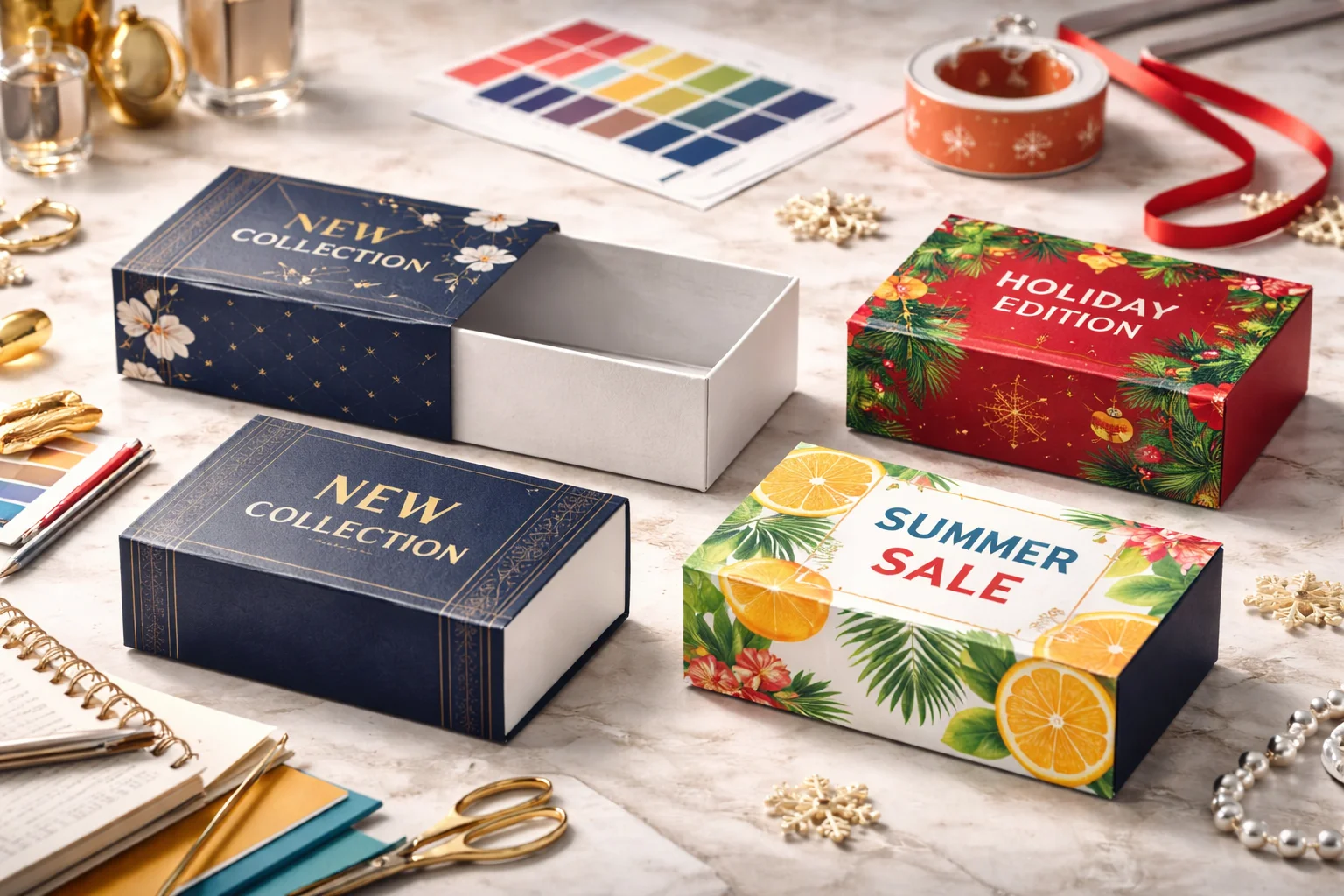
Think of your inner box as a blank canvas. It can be a plain white or kraft box. Its only job is to hold the product safely. The sleeve is where the art happens. It slides over that plain box and completely transforms its appearance. I often tell my clients it's like putting a new case on your phone. The phone stays the same, but the look is totally different.
This approach is incredibly efficient. From a manufacturing point of view, producing plain inner boxes in bulk is very cost-effective2. Then, we can print smaller, more targeted runs of sleeves.
Let's compare the two approaches.
| The Old Way (Full Redesign) | The Sleeve Way (Refresh) |
|---|---|
| Redesign the entire box structure. | Keep the existing inner box. |
| High minimum order for new boxes. | Low minimum order for new sleeves. |
| Long lead time for production. | Fast production time for sleeves. |
| All old inventory becomes obsolete. | Old inner box inventory is still usable. |
This is why I always emphasize planning. When a brand plans its inner box and potential sleeves together, they create a flexible system. They are no longer locked into one design. They can refresh their look whenever they want, without the headache and cost of starting from scratch every time.
What Cosmetic Products Work Best With Sleeve Boxes?
Not sure if sleeve boxes are the right fit for your product? You might worry about investing in the wrong type of packaging. Let's look at which cosmetic items are perfect for them.
Sleeve boxes are great for premium items8 like skincare sets, fragrances, and high-end makeup palettes. They add a layer of luxury and protection that is perfect for products that need to feel special. The sliding motion creates an elegant "unboxing" experience.
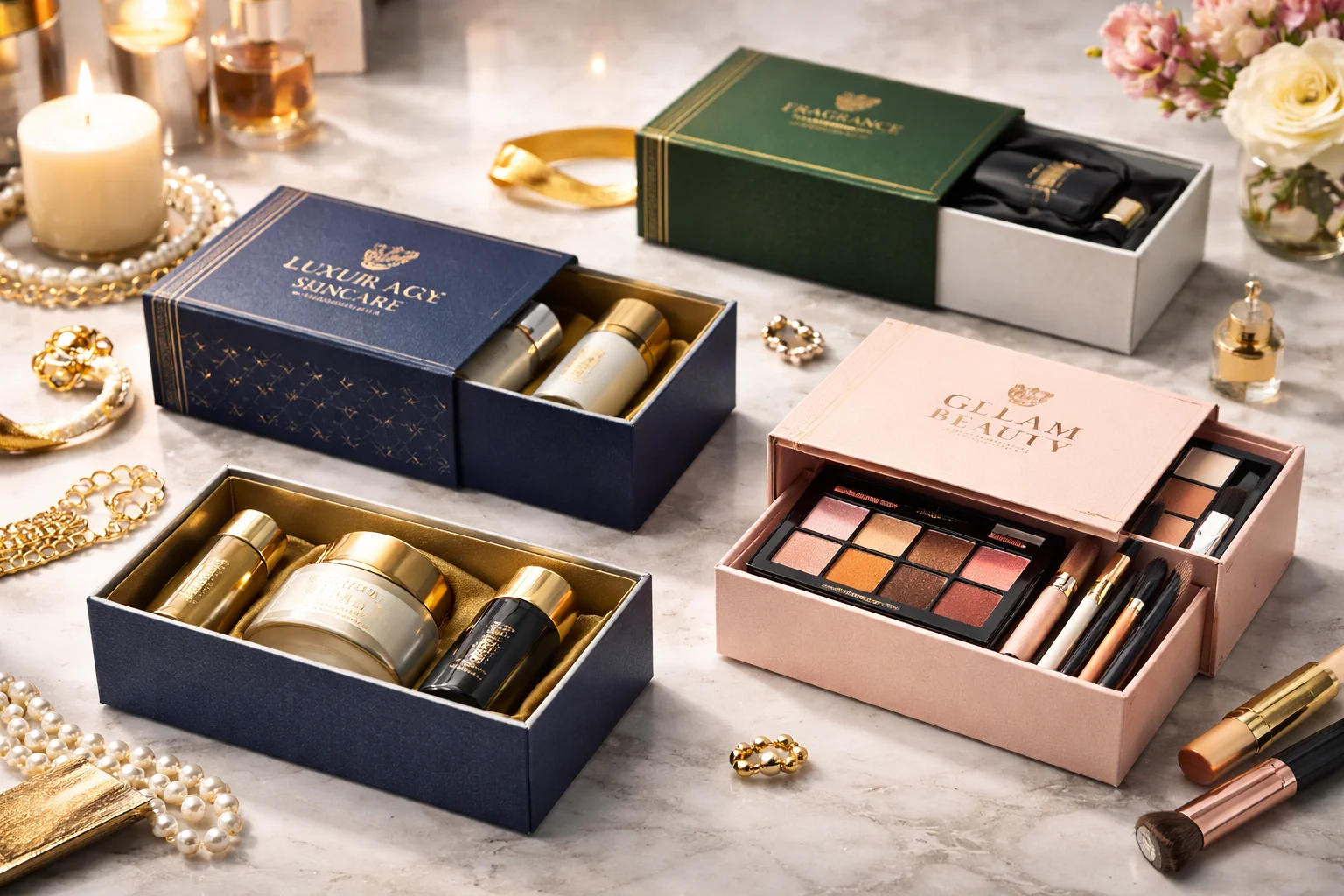
In my experience, the products that benefit most from sleeve boxes are those where presentation is a key part of the value. It's not just about holding the item; it's about creating a moment for the customer.
Here are some cosmetic categories where I’ve seen sleeve boxes work wonders:
- Skincare Sets: A sleeve is perfect for bundling a serum, moisturizer, and cleanser together. It keeps the items secure in the inner tray and presents them as a cohesive collection.
- Fragrance Bottles: A heavy glass perfume bottle feels much more luxurious when it slides out of a snug sleeve. It adds to the feeling of quality and sophistication.
- Makeup Palettes: Eyeshadow or contour palettes are often rectangular and fit perfectly in a sleeve and tray system. The sleeve provides extra protection for the delicate powders inside.
- Gift Sets: For holidays or special occasions, a decorative sleeve can instantly turn a standard product set into a beautiful gift, without needing gift wrap.
- Premium Lipsticks or Lip Gloss Collections: A set of lipsticks arranged in a tray with a branded sleeve sliding over it looks very high-end and organized.
A few years ago, a client of mine wanted to sell a Mother's Day skincare set. We used their standard inner trays but designed a beautiful floral sleeve. It was a huge success because it felt like a special, limited-time gift, but for them, it was just a simple and low-cost packaging update.
Are Sleeve Boxes Better Than Fully Printed Boxes?
Choosing between sleeve boxes and fully printed boxes can be a tough decision. Making the wrong choice can cost you time and money. Let's look at the key differences to help you decide.
Neither is better; they are just different. Sleeve boxes offer more flexibility4 and lower costs for design changes. Fully printed boxes provide a more integrated, seamless look but are more expensive to update. The right choice depends on your budget and marketing goals9.
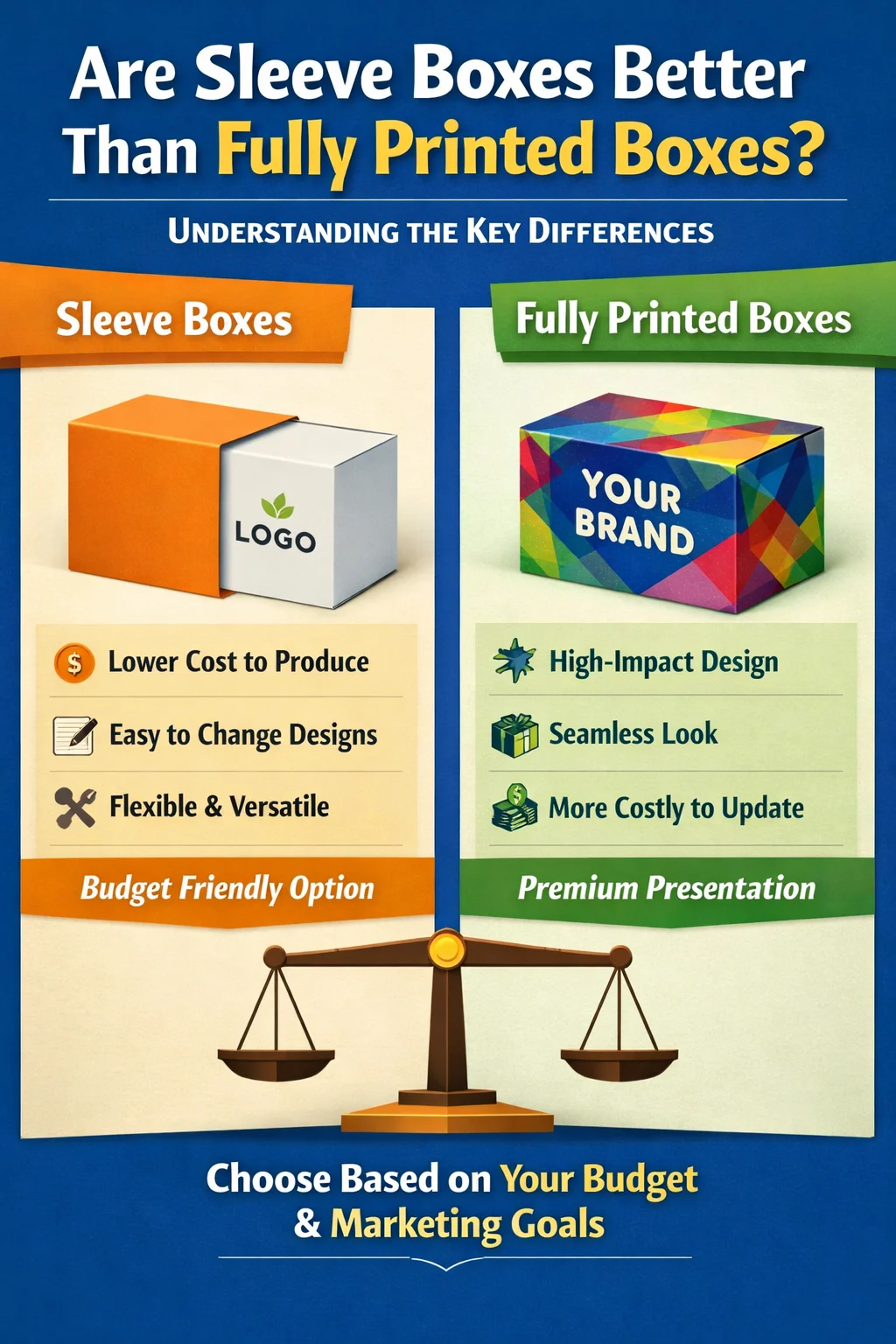
I get this question from clients all the time. They want to know which one is "best." The truth is, the best option depends entirely on your brand's strategy. I always walk them through a comparison to see what fits their needs.
Here is a table breaking down the main differences from a practical standpoint.
| Feature | Sleeve Box System | Fully Printed Box |
|---|---|---|
| Cost for Updates | Low. You only need to print new sleeves. | High. You must print entire new boxes. |
| Marketing Flexibility | High. Easy to create seasonal or limited runs. | Low. Locked into one design per batch. |
| Inventory Management | Efficient. Stock plain trays and print sleeves as needed. | Complex. Manage inventory for each different box design. |
| Unboxing Experience | Layered. A "reveal" moment when sliding. | Simple. A standard, single-step opening. |
| Structural Integrity | Good. But depends on the fit between two parts. | Excellent. A single, often glued, structure. |
A fully printed box is great if you have one signature product that won't change its look for years. It's a solid, simple choice. But if you are a dynamic cosmetic brand that wants to do promotions, collaborations, or seasonal collections, the sleeve box system is far superior. It gives you the freedom to adapt without the high cost and waste of reprinting everything.
How Can You Make Sleeve Boxes Look Premium?
You designed a sleeve box, but it ended up looking cheap. This can hurt your brand's image. Use these simple design tips10 to create a premium feel every time.
To make sleeve boxes look premium, you should focus on high-quality materials, minimalist design11, and special finishes12 like foil stamping or embossing. A clean, simple look often appears more luxurious and expensive than a busy, cluttered one.
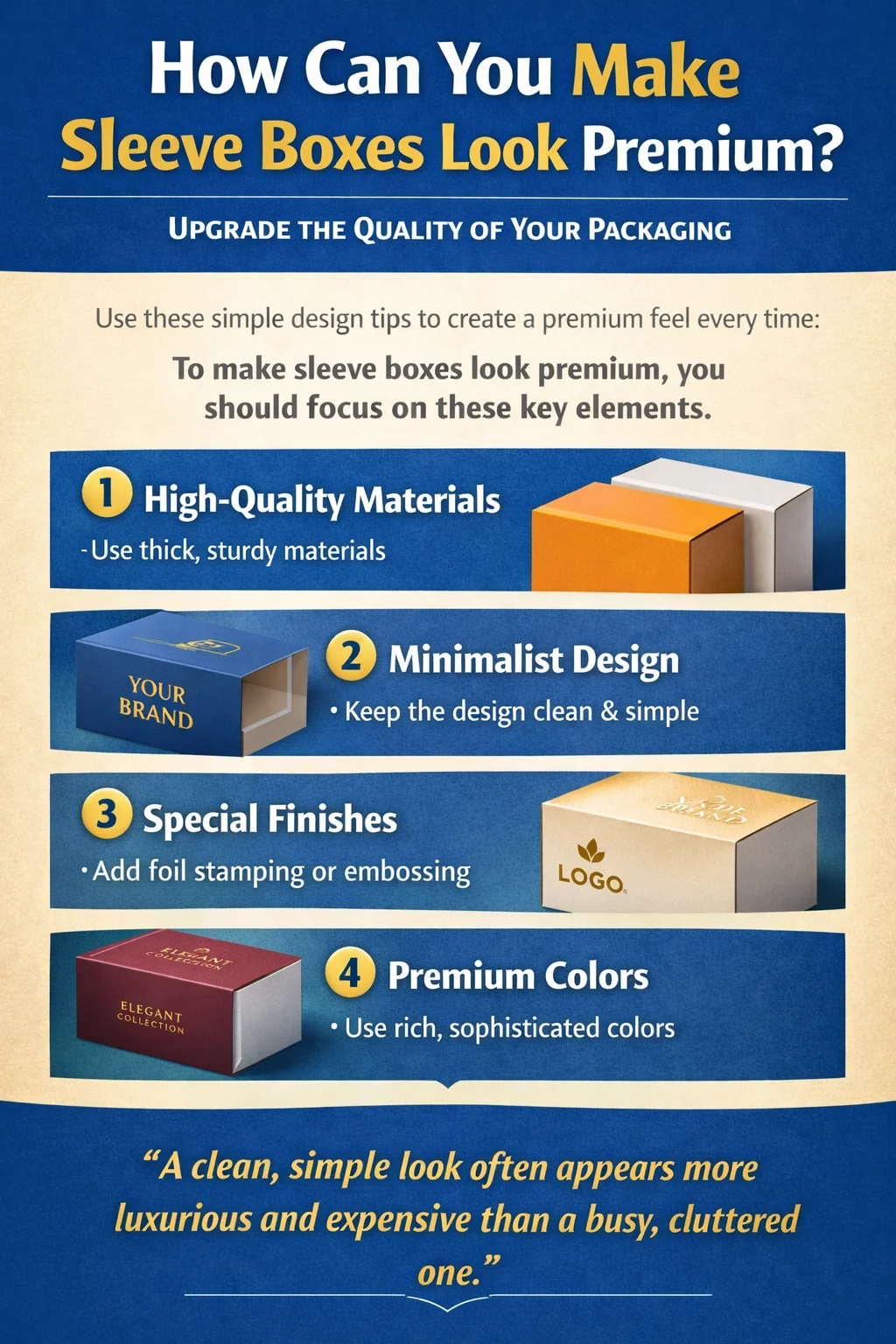
I’ve seen thousands of designs, and the ones that scream "luxury" almost always follow a few simple rules. It’s not about adding more; it’s about choosing the right elements and executing them perfectly. You don't need to be a design expert to get this right.
1. Choose a High-Quality Paper
The feel of the box is the first thing a customer notices. Don't use thin, flimsy paper. Choose a thick cardstock (I recommend 300 GSM or higher). Consider textured paper for an extra touch of class. A soft-touch laminate finish also feels amazing and makes colors look rich.
2. Keep the Design Minimal
Less is more. A premium cosmetic brand doesn't need to shout. A simple design with your logo, the product name, and lots of negative (empty) space looks confident and high-end. Avoid cluttering the sleeve with too much text or too many images.
3. Add a Special Finish
This is the secret to making a simple design pop.
- Foil Stamping: Adding a metallic logo (gold, silver, rose gold) instantly elevates the design.
- Embossing/Debossing: Pressing the logo or pattern into the paper adds a 3D texture that looks and feels expensive.
- Spot UV: Applying a glossy finish to just one part of the design, like the logo, creates a beautiful contrast with a matte background.
I recently worked on a project for a high-end serum. We used a plain black sleeve made from thick, soft-touch paper. The only design element was the brand's name in a small, rose gold foil stamp. It looked incredibly luxurious and cost far less than a complex, multi-color design.
When Are Sleeve Boxes Not the Right Choice?
You might think that sleeve boxes are always the answer. But using them in the wrong situation can be a disaster. You need to know when to avoid them.
Sleeve boxes are not ideal for very heavy products, as the sleeve might slide off or the inner tray could fail. They are also a poor choice if your budget is extremely tight and a simple, one-piece folding carton will do the job just fine.
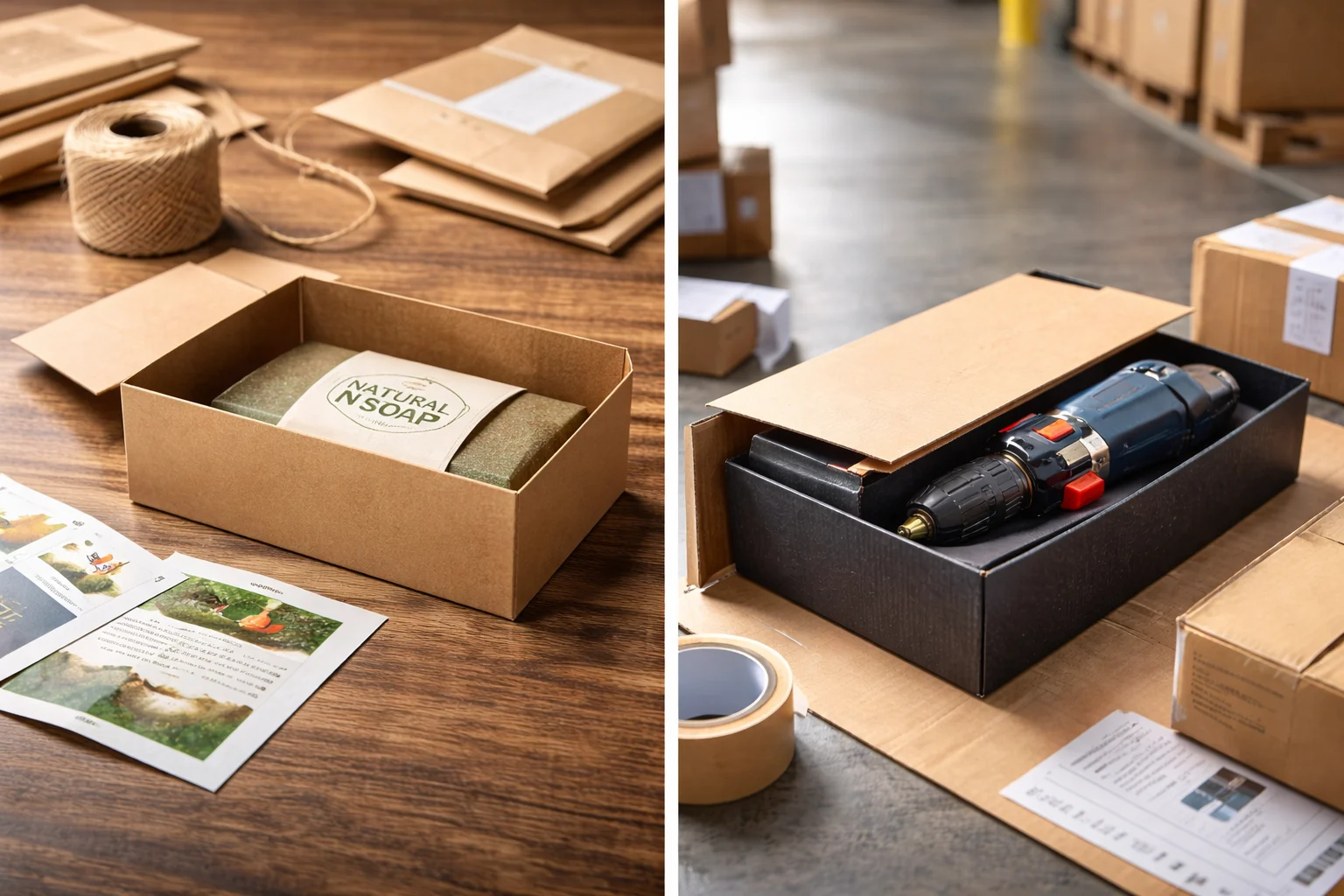
As a manufacturer, I believe in being honest with my clients about limitations. Sleeve boxes are fantastic, but they are not a universal solution. Pushing them into the wrong application leads to problems.
Here are a few situations where I would advise a client to consider a different type of packaging:
- For Extremely Heavy Products: If you're selling a large, heavy glass jar or a set of many full-sized items, the weight might be too much for a standard tray-and-sleeve design. The inner tray could buckle, or the sleeve could slip off during handling. In this case, a more rigid, one-piece box is safer.
- For Very Low-Budget Items: If your product has a very low price point, the cost of a two-piece sleeve box might not be justifiable. A simple, cheap folding carton that gets the job done might be a smarter business decision.
- For Products Needing Tamper-Evident Seals: While you can add a sticker seal to a sleeve box, a box that is fully glued shut (like a "tuck end" box) often provides a more secure, tamper-evident solution right out of the gate.
- For Uniquely Shaped Products: If your product has a very unusual shape, a fully custom-die-cut box that is designed to hold it perfectly might be a better and more protective option than trying to fit it into a standard rectangular tray.
What Should You Check Before Ordering Custom Sleeve Boxes?
You're ready to order your sleeve boxes but are scared of making a costly mistake. A bad order can waste thousands of dollars. Just follow this simple checklist before you buy.
Before you place an order, you must confirm the exact dimensions of your inner box and the desired "fit" of the sleeve. Always request a physical sample to test this fit and check the material quality before committing to a large production run.
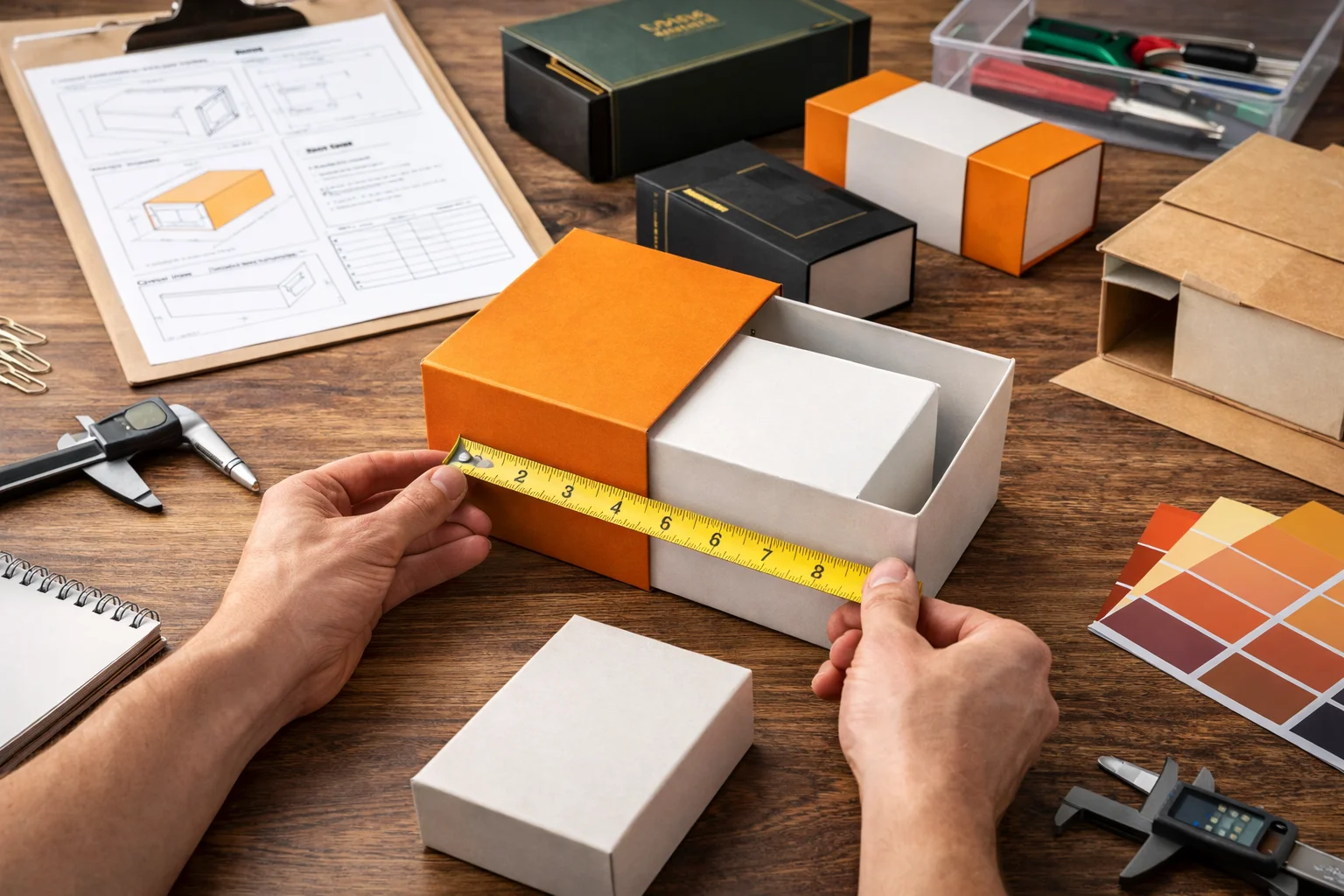
This is the most important part of the entire process. From my manufacturing experience, almost every single problem with a sleeve box order comes from skipping these steps. Many issues happen when the sleeve is treated as a last-minute add-on instead of part of a planned system. Here is the checklist I give all my clients.
1. Confirm Dimensions and Tolerance
You need to measure your inner box perfectly: length, width, and height. But more importantly, you need to discuss "tolerance" with your manufacturer. This is the small, acceptable difference in size. You must decide if you want a tight fit (hard to slide), a standard fit, or a loose fit (slides off easily). This decision is critical.
2. Choose Materials for Both Parts
The thickness of the paper for the inner box affects the size of the sleeve. Make sure your manufacturer knows the material for both parts so they can calculate the fit correctly. Don't plan the sleeve in isolation.
3. GET A PHYSICAL SAMPLE
I cannot stress this enough. A 3D digital mockup will not tell you how the sleeve fits. You need a real, physical prototype in your hands. Slide the sleeve on and off your actual product box. Feel the material. See how it holds up. This step will save you from major headaches later.
4. Check the Print Quality on the Sample
Once you have the physical sample, check everything. Are the colors correct? Is the foil stamping clean? Is the logo sharp? This is your last chance to make changes before you produce thousands of them. Following this checklist ensures your sleeve boxes will be a success.
Conclusion
Sleeve boxes are a flexible and cost-effective tool for upgrading your cosmetic brand. But success depends on careful planning, especially with the fit between the sleeve and the inner box.
Explore how a custom sleeve box can elevate your brand's packaging without a complete redesign. ↩
Discover budget-friendly packaging solutions that don't compromise on quality. ↩
Learn about effective packaging solutions that can enhance product presentation and brand image. ↩
Understand the importance of flexibility in packaging to adapt to market trends. ↩
Find out how seasonal updates can keep your brand relevant and engaging to customers. ↩
Explore the impact of limited edition packaging on consumer interest and sales. ↩
Learn how to create a memorable unboxing experience that delights customers. ↩
Learn which products gain the most from premium packaging and why it matters. ↩
Understand how your packaging strategy can support your overall marketing objectives. ↩
Get insights on design strategies that can make your packaging stand out. ↩
Discover how minimalist design can convey luxury and sophistication in packaging. ↩
Learn how special finishes can add a luxurious touch to your product packaging. ↩