Choosing plastic for your cosmetic line feels overwhelming. A wrong move can ruin your product and hurt your brand. This guide makes the decision clear and simple for you.
The best plastic for your cosmetic packaging depends on your product's formula, brand goals, sustainability targets1, and budget. The right choice requires balancing chemical resistance2, durability, aesthetics, regulatory compliance3, and cost to ensure your product is safe, stable, and appealing to customers.
Making the right choice in plastic is one of the most important decisions you'll make for your product. It goes far beyond just what the bottle or jar looks like. The material you select is the first line of defense for your carefully crafted formula and the first physical handshake between your brand and your customer. It’s a decision that impacts everything from product safety4 to your profit margins. Let’s break down why this choice is so critical and what you need to know to get it right from the start.
Why Does Plastic Choice Matter for Cosmetic Packaging?
You might think all plastics are basically the same. But the wrong material can cause your product to leak, degrade your formula, or damage your brand's reputation. Understanding why it matters is the first step.
Plastic choice is critical because it protects your product's formula, ensures consumer safety, and communicates your brand's values. A poor choice can lead to product failure, customer complaints, and costly recalls, directly impacting your bottom line and reputation.
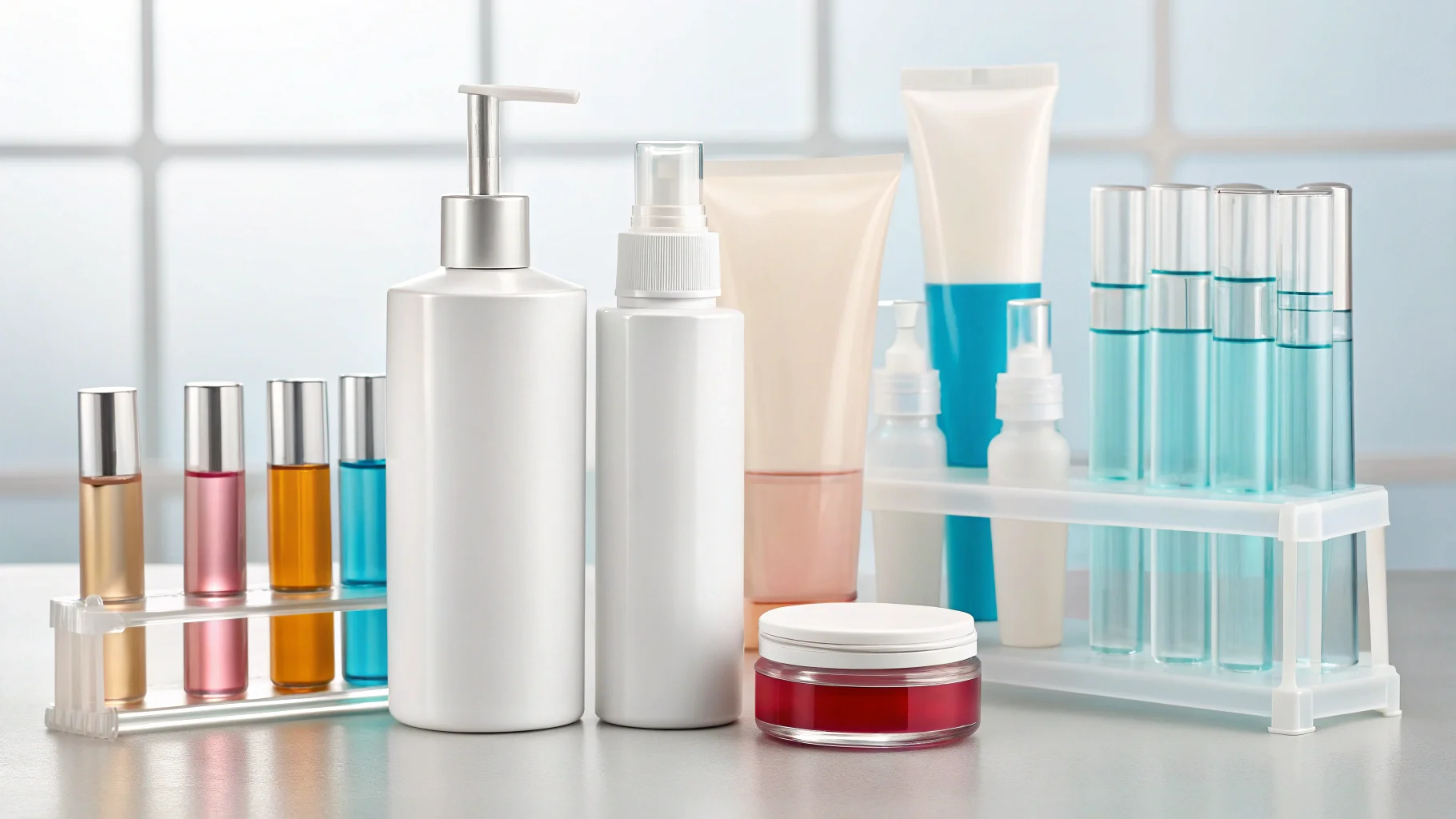
I’ve seen firsthand how a seemingly small choice in plastic can have huge consequences. Your packaging has three primary jobs: protect the product, protect the consumer, and represent your brand. If the plastic isn't compatible with your formula, it can cause the product to separate, change color, or lose its effectiveness. In some cases, ingredients can even eat away at the container, causing leaks. This not only creates a mess but also damages customer trust. From a safety perspective, the plastic must be free of harmful chemicals that could leach into the product. Finally, the look and feel of the plastic communicate your brand's position. A heavy, clear jar feels luxurious, while a simple, lightweight tube might feel more clinical or value-driven. As a supplier, I always say the "best" plastic is the one that works in the real world—during production, shipping, and on a customer's shelf.
| Consequence | Good Plastic Choice | Bad Plastic Choice |
|---|---|---|
| Product Stability | Formula remains effective and stable. | Formula degrades, separates, or changes color. |
| Container Integrity | No leaks, cracks, or deformation. | Leaking, paneling (caving in), or cracking. |
| Brand Perception | Looks and feels premium and trustworthy. | Appears cheap, flimsy, or damaged. |
| Financial Impact | Smooth sales and happy customers. | Costly recalls, returns, and brand damage. |
What Are the Common Plastics Used in Cosmetic Packaging?
The world of plastics is full of confusing acronyms like PET, PP, and HDPE. Using the wrong one is a common and expensive mistake. Let's break down the most popular options.
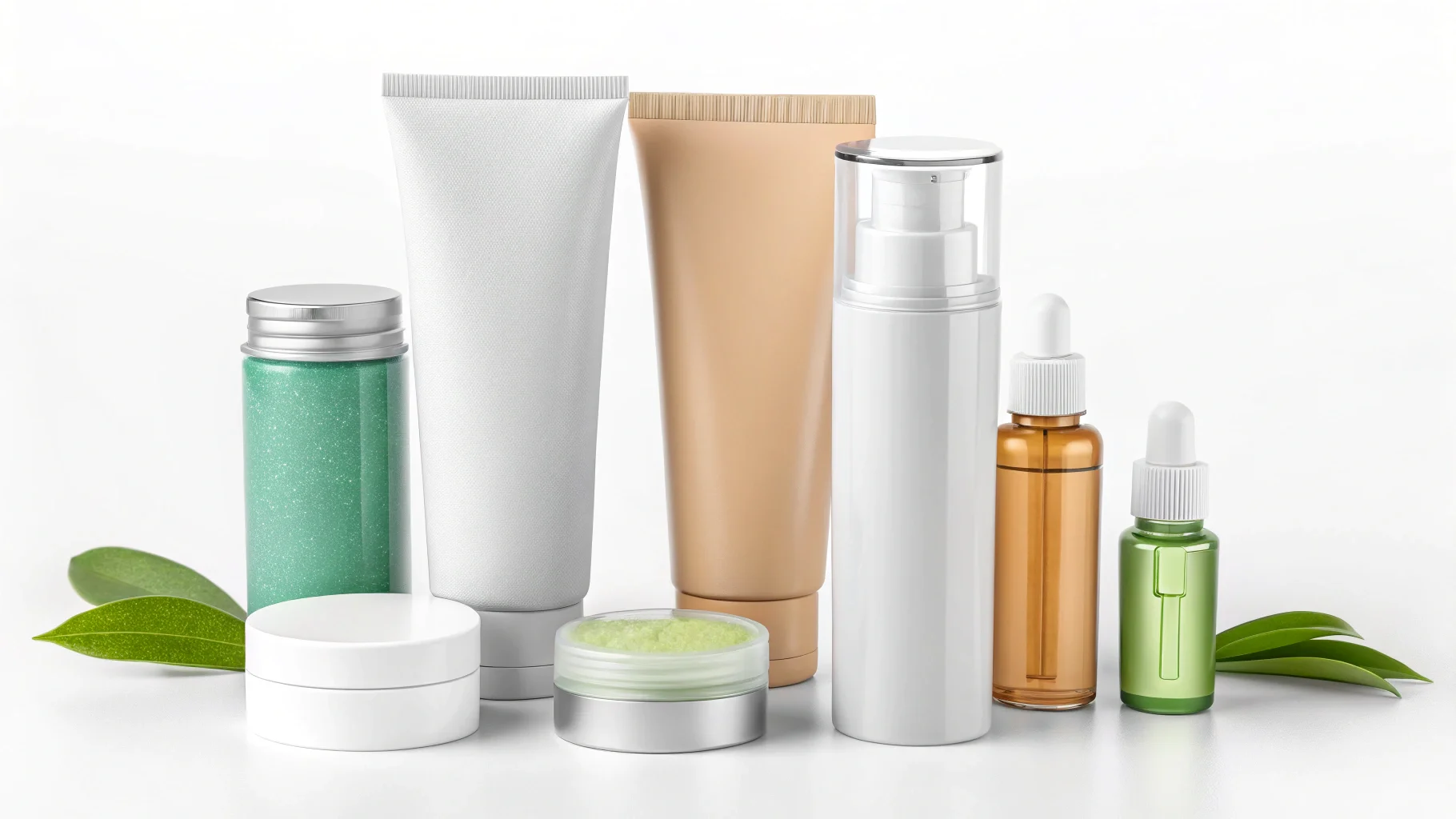
Common plastics include PET, known for its clarity and strength, ideal for bottles. PP is versatile and chemical-resistant, used for jars and caps. HDPE is durable and cost-effective5 for tubes and bottles. SAN and PMMA offer glass-like clarity for luxury items.
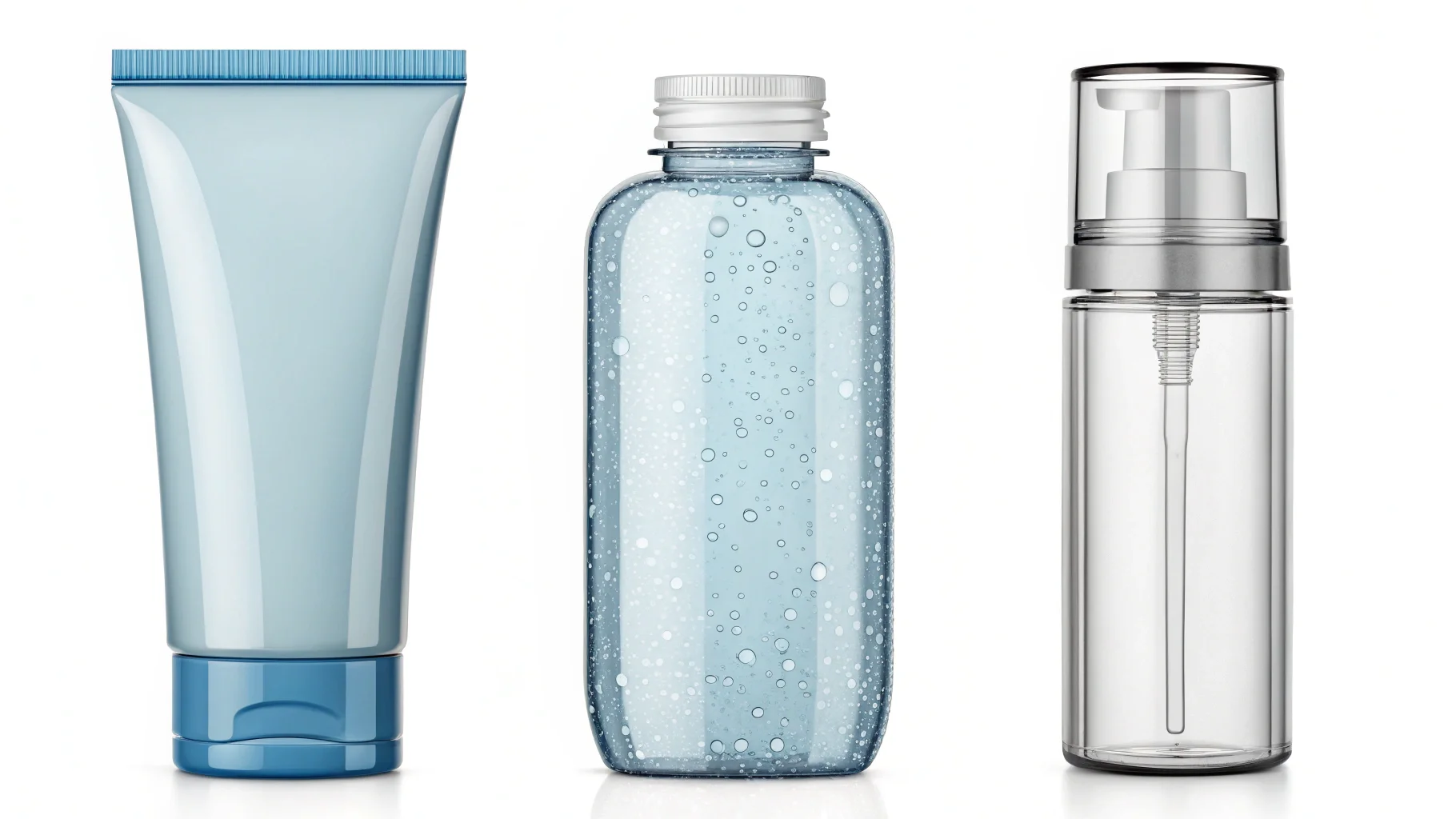
Navigating the different types of plastic can feel like learning a new language. But you only need to know a few key players to get started. Each one has its own strengths and weaknesses. I remember a client who wanted to put an oil-based serum in a standard PET bottle. We ran tests and showed them how the oil would eventually make the bottle cloudy and soft. We switched them to a PP bottle, and it worked perfectly. Understanding these basic differences is fundamental. It prevents you from making a choice based only on looks, which can lead to problems down the road. Let’s look at the most common materials you'll encounter and what they are best used for.
| Plastic | Full Name | Common Uses | Key Characteristics |
|---|---|---|---|
| PET | Polyethylene Terephthalate | Bottles (lotions, toners), Jars | Excellent clarity, good impact resistance, good barrier. |
| PP | Polypropylene | Jars, Caps, Airless pumps | Great chemical resistance2, good for hot-fill, durable. |
| HDPE | High-Density Polyethylene | Squeeze bottles, Tubes | Cost-effective, strong, good moisture barrier. |
| LDPE | Low-Density Polyethylene | Squeeze tubes | Soft and flexible, good for squeezable products. |
| SAN/AS | Styrene Acrylonitrile | Luxury jars, compacts, caps | High clarity, stiff, glass-like feel. |
| PMMA | Polymethyl Methacrylate | Luxury jars ("Acrylic") | Superior clarity, heavy feel, premium look. |
How Do You Match Plastic with Your Cosmetic Formula?
You spent months perfecting your formula. But putting it in the wrong plastic container can make it separate, change color, or even become completely ineffective. Here’s how to ensure they work together.
To match plastic with your formula, you must conduct compatibility testing6. This involves storing your product in the chosen plastic for a set period and observing any changes in the product or the packaging. Always test for chemical resistance2, especially with oils, alcohols, and acids.
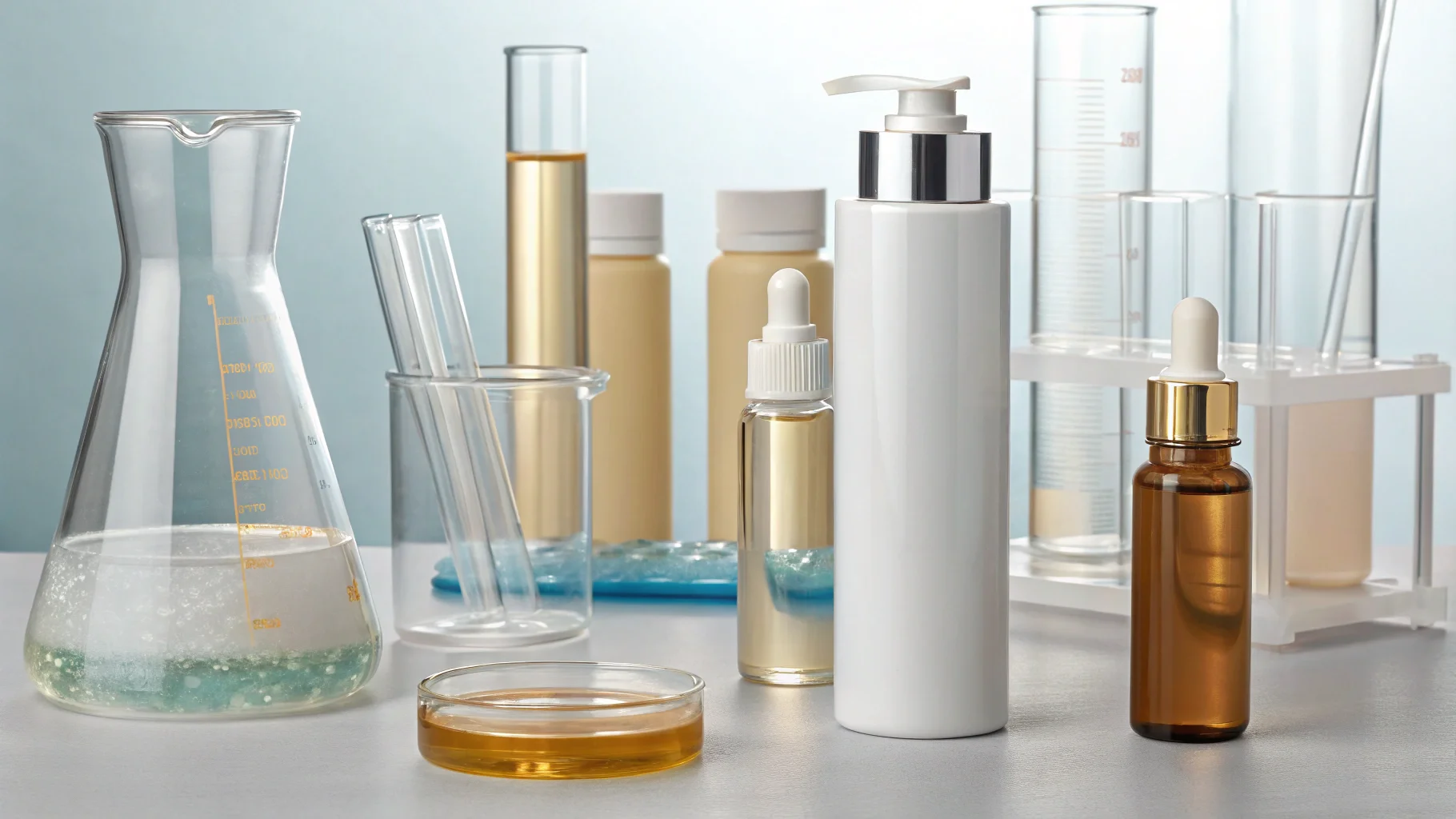
There is no substitute for real-world testing. A spec sheet can tell you a lot, but it can't predict how your unique blend of ingredients will interact with a material over time. Compatibility testing is our non-negotiable step for every project. We fill the final package with the final formula and put it through its paces. This usually means storing it at different temperatures (high heat, freezing) for several weeks. We look for any sign of trouble: a change in the product’s color or smell, any warping or cracking of the plastic, or a loss of weight, which indicates the product is evaporating through the plastic. I once worked with a startup that tried to skip this step to save time. Their vitamin C serum turned brown in the bottle within a month of launching because the plastic wasn't providing enough UV protection and reacted with the formula. That lesson was far more expensive than a few weeks of testing would have been.
| Formula Ingredient | Best Plastic Match | Plastic to Avoid |
|---|---|---|
| Essential Oils | PP, HDPE | PET, PS |
| High Alcohol % | PET, PP | PS |
| Acids (AHA/BHA) | PP, PETG | Some grades of PET |
| Water-Based | PET, PP, HDPE | (Generally compatible with most) |
| Silicone-Based | PP, HDPE, PET | (Generally compatible with most) |
What Are the Sustainability and Regulatory Considerations?
You want your brand to be eco-friendly and compliant with the law. But greenwashing claims and complex regulations can be a minefield. Let’s navigate the key sustainability and legal factors you need to know.
Key considerations include using recycled materials (PCR), ensuring the final package is recyclable, and choosing lightweight designs7. You must also comply with regulations like those from the FDA or REACH, which govern materials that come into contact with cosmetics.
Sustainability isn't just a buzzword anymore; it's a core expectation for many consumers. The most common way to be more sustainable is by using Post-Consumer Recycled (PCR)8 plastic. This means using plastic that has been recycled by consumers and reprocessed into new resin. It’s a great story, but PCR can have its challenges, like slight color variations or higher costs. Another approach is ensuring your packaging is easily recyclable by consumers. This means using a single material (mono-material) and choosing plastics that are widely accepted in recycling streams, like #1 PET and #5 PP. On the regulatory side, you have to be sure your plastic is safe for cosmetic use. In the U.S., the FDA has guidelines, and in Europe, regulations like REACH are very strict about certain chemicals. It’s my job as a supplier to provide materials that are certified to meet these standards, giving you peace of mind.
| Sustainability Approach | How It Works | Pros | Cons |
|---|---|---|---|
| PCR Content | Using recycled plastic in your new packaging. | Reduces virgin plastic use, good marketing story. | Can have color variation, higher cost, supply issues. |
| Recyclable Design | Using materials like PET or PP that are widely recycled. | Allows consumers to recycle the package after use. | Consumer must actually recycle it; not all parts may be recyclable. |
| Lightweighting | Redesigning the package to use less plastic overall. | Reduces material use, lowers shipping costs/carbon footprint. | Can sometimes feel less premium or flimsy if overdone. |
| Refillable System | Selling a durable outer pack and disposable inner refills. | Reduces overall waste significantly over time. | Requires consumer buy-in, more complex logistics. |
How Do Design, Decoration, and Brand Positioning Influence Plastic Choice?
You have a strong vision for your brand's look and feel. But your packaging material might not support the high-end or natural aesthetic you want. Here's how to align your plastic with your brand's story.
Your plastic choice directly impacts brand positioning9. High-clarity plastics like PET or SAN create a premium, glass-like look. PP offers a wide range of colors for a playful brand. The material must also support your desired decoration methods like screen printing or hot stamping.
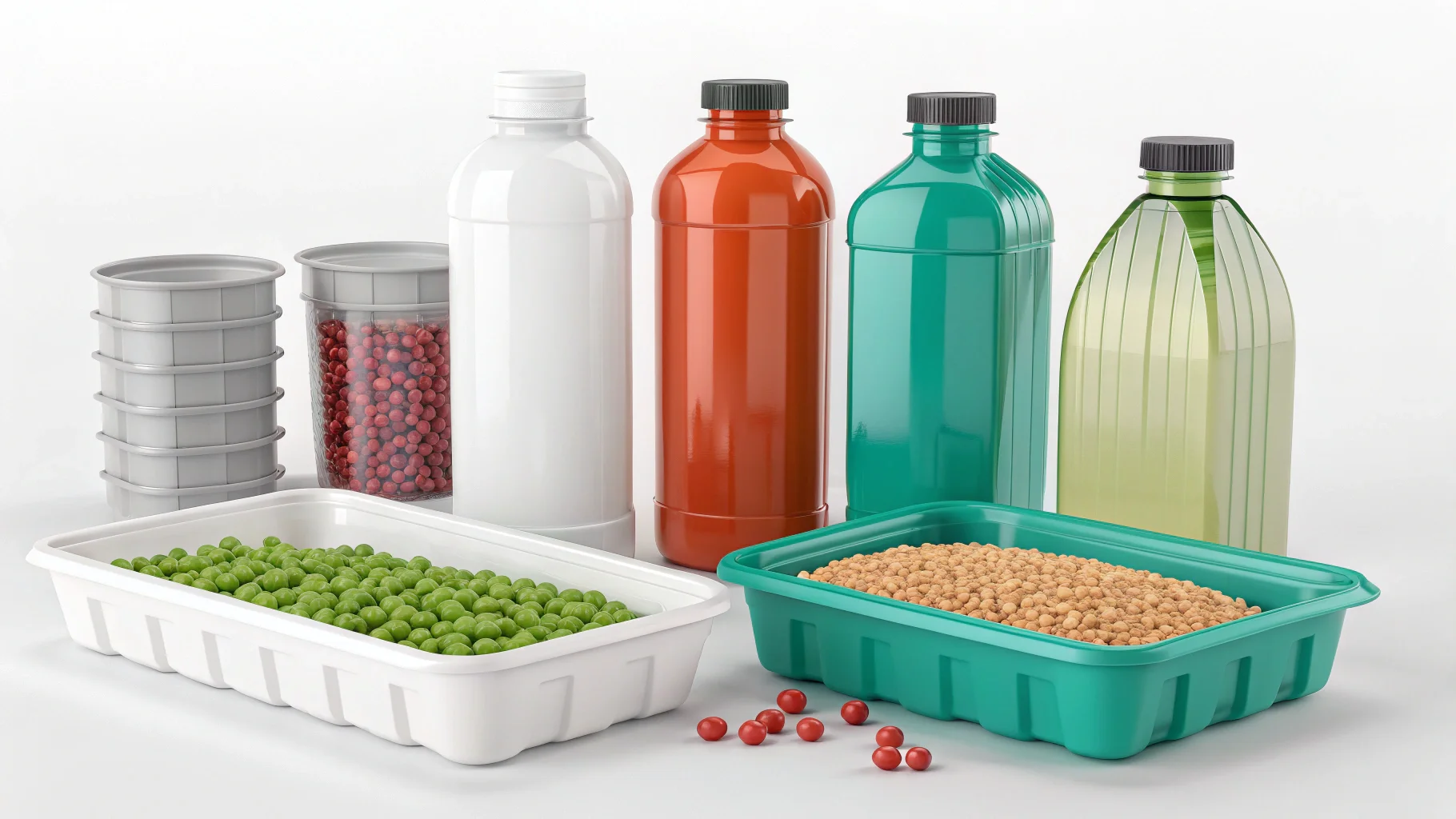
The material you choose is a silent ambassador for your brand. If you're a luxury skincare line, you want packaging that feels heavy and substantial. A thick-walled PET or PMMA (acrylic) jar can mimic the satisfying heft of glass without the risk of breakage. If your brand is fun, vibrant, and targeted at a younger audience, opaque or brightly colored PP can be a perfect fit, as it takes color very well. The material also has to play nicely with your decoration plans. For example, hot stamping a shiny gold logo works beautifully on SAN or ABS plastic, but it can be more challenging on the waxy surface of HDPE without special treatment. I always ask new clients to tell me about their brand first. I once helped a brand that positioned itself as "clinical and effective" move from a fancy, decorated jar to a simple, white airless PP pump. The change made the product look more serious and trustworthy, and sales actually increased.
| Brand Position | Suggested Plastic | Common Decoration | Why It Works |
|---|---|---|---|
| Luxury/Prestige | PMMA, Heavy-Wall PET, SAN | Hot Stamping, Silk Screen | Mimics the weight, clarity, and feel of glass. |
| Natural/Organic | PCR PET, PCR PP, HDPE | Paper Labels, Minimalist Print | Communicates an earthy, eco-conscious ethos. |
| Clinical/Derm | White/Opaque PP, HDPE | Simple Silk Screen, Label | Looks clean, hygienic, and results-oriented. |
| Masstige/Playful | PP, PET | Bright Colors, Full-Wrap Labels | Offers a wide range of color and design flexibility. |
What Are the Cost, MOQ, and Manufacturing Realities?
You found the perfect-looking plastic for your product. But the high cost and minimum order quantity (MOQ)10 could completely kill your budget and your business plan. Let's get real about the manufacturing side.
Cost and MOQ are huge factors. Commodity plastics like PP and HDPE are cheaper with lower MOQs. Custom colors or specialty plastics like PCR often have much higher costs and MOQs. You must always balance your ideal design with your manufacturing budget and scale.

This is where the dream meets reality. I’ve seen many passionate founders fall in love with a custom-colored, heavy-walled jar, only to find out the minimum order is 50,000 units. For a new brand, that’s often impossible. It’s important to understand the levers of cost. The raw material itself is one part—common plastics like PP are less expensive than specialized ones like PMMA. Creating a custom color requires a large batch of raw material to be mixed, which is why MOQs for custom colors are high. Molds for custom shapes are a significant upfront investment. This is why many new brands start with "stock" packaging, which are pre-designed components that we hold in inventory. They have lower MOQs and no mold costs. My most important advice here is that materials that look similar on paper can behave very differently in mass production. A cheaper plastic might have a higher failure rate on the filling line, costing you more in the long run.
| Factor | Impact on Cost | Impact on MOQ | Notes |
|---|---|---|---|
| Material Type | Low for PP/HDPE, High for PMMA | Generally lower for common plastics. | Specialty resins are made in smaller batches. |
| Custom Color | Increases cost per unit. | Significantly increases MOQ. | The factory needs to run a large batch of custom resin. |
| Custom Mold | High one-time investment. | MOQ is determined by the mold and machine. | Gives you a unique shape but requires high volume. |
| Decoration | Adds cost per unit for each step. | Can increase MOQ depending on the process. | A simple one-color print is cheapest. |
How Do You Choose the Right Packaging Supplier?
You know you need a packaging partner to bring your vision to life. But choosing the wrong one can lead to endless delays, poor quality, and major stress. Here's what to look for in a great supplier.
Choose a supplier with proven expertise in cosmetics. They should ask about your formula, offer compatibility testing, and guide you on material trade-offs. Look for transparency on costs, MOQs, and lead times. A true partner helps you avoid problems before they happen.

Choosing a supplier is like hiring a critical team member. A good supplier doesn't just take your order; they act as a consultant. From my perspective, brands that involve us early in the process are always the most successful. They avoid costly mistakes, delays, and compliance risks later on. When I first talk to a potential client, I ask a lot of questions about their formula, their brand, and their business goals. If a supplier isn't asking you these questions, that's a red flag. They should be your expert guide, helping you balance your creative vision with the realities of manufacturing. I once had a client come to me after their first supplier produced 20,000 leaky tubes. We identified the issue—a mismatch between the formula and the plastic barrier—and found a solution. A good partner would have caught that in the testing phase. Your supplier should make your job easier, not harder.
Questions to Ask a Potential Supplier:
- Do you have experience with my specific product type (e.g., lotions, oils, serums)?
- Can you provide material specification sheets and regulatory compliance documents?
- What is your process for compatibility testing?
- What are the MOQs and lead times for both stock and custom options?
- What are your quality control procedures during production?
- Can you walk me through the trade-offs between my top 2-3 material choices?
Conclusion
Choosing the right plastic is a strategic decision. It requires balancing your formula, brand, budget, and sustainability goals. Working with the right supplier early makes the entire process smoother.
Find out how to set and achieve sustainability targets in your cosmetic packaging strategy. ↩
Learn about the importance of chemical resistance in cosmetic packaging to ensure product safety and effectiveness. ↩
Understand the regulations that govern cosmetic packaging materials to ensure compliance. ↩
Discover the critical factors that contribute to product safety in cosmetic packaging. ↩
Find out which plastics offer the best cost-effectiveness for your cosmetic packaging needs. ↩
Learn the steps to effectively conduct compatibility testing for your cosmetic formulas. ↩
Discover how lightweight designs can benefit your cosmetic packaging strategy. ↩
Explore the benefits of using Post-Consumer Recycled plastic in your packaging. ↩
Understand how your packaging choices can impact your brand's positioning in the market. ↩
Learn why minimum order quantity is crucial when selecting packaging for your products. ↩