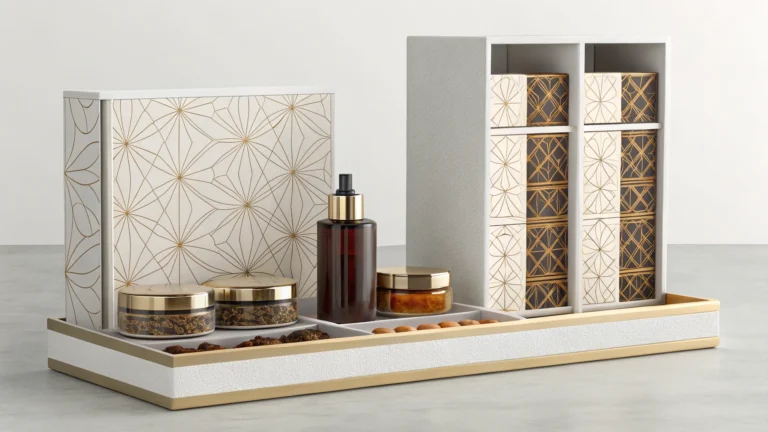
Are you waiting on a packaging order? The delay can be frustrating and costly. Understanding the timeline is the first step to taking control and planning your product launch successfully.
The standard production time1 for custom cardboard boxes2 is typically 10 to 15 business days3. This timeline covers the entire process, from finalizing your design and getting proofs approved to the physical manufacturing steps like printing, die-cutting4, gluing, and final quality assurance checks.
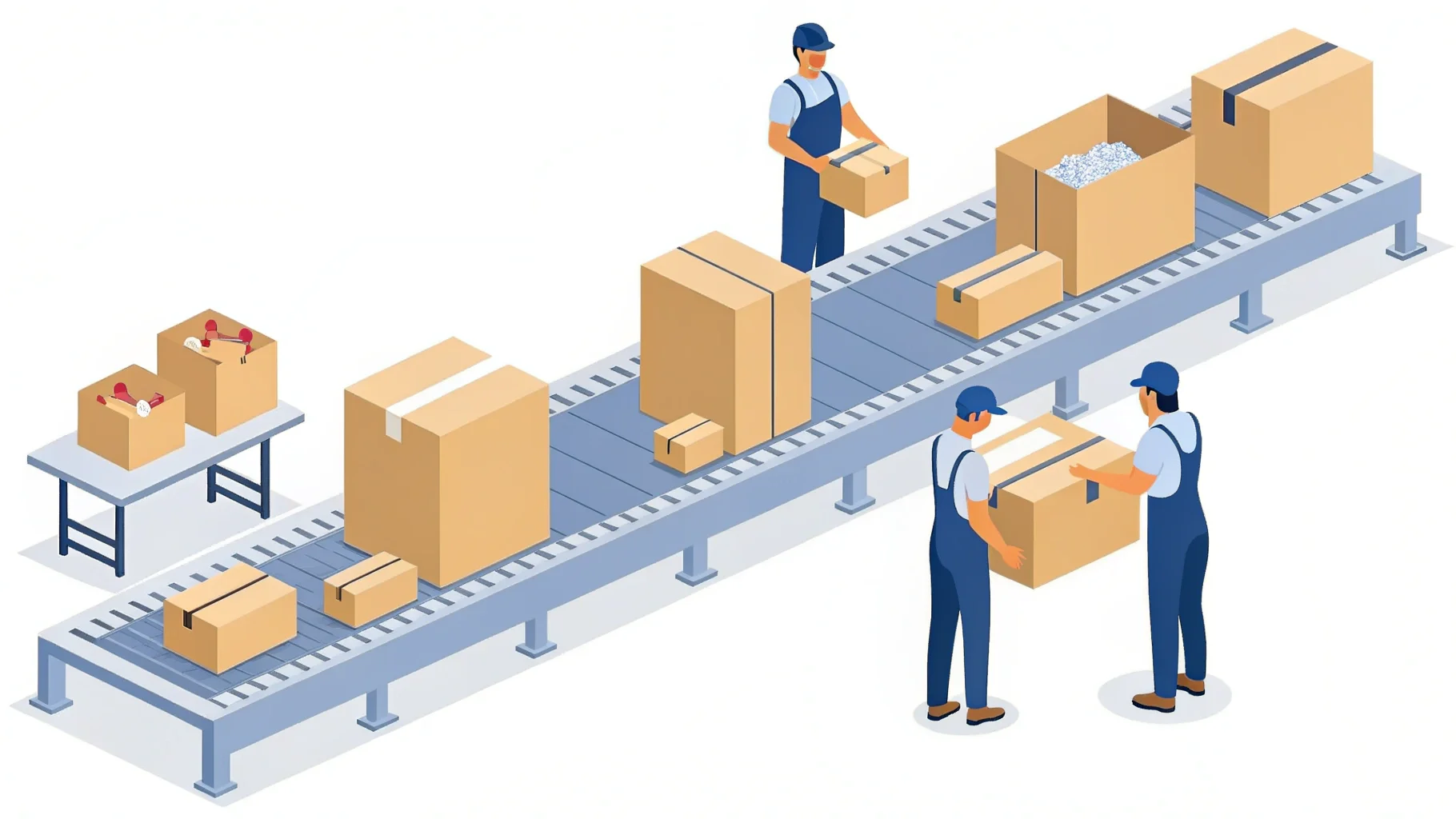
I've been in the packaging business for a long time, and I've seen countless projects get held up by unexpected delays. It's often because the client wasn't aware of all the small steps that go into making a custom box. A simple box isn't just folded cardboard; it's the result of a detailed manufacturing process. Let's break down that process together. By the end of this article, you will understand every stage of the timeline, know what factors cause delays, and learn how you can speed things up. This knowledge will help you plan better and get your boxes right when you need them.
What Is the Quick Answer for a Cardboard Box Production Timeline?
Need a fast answer on box lead time5s? Waiting around for quotes is slow and stressful. Here’s a quick breakdown to help you plan your project right now.
Generally, you should plan for 10-15 business days3 for most custom cardboard boxes2. This can be as fast as 5-7 days for rush orders6 or simple jobs. However, highly complex orders with special features could take 20 business days3 or even more.
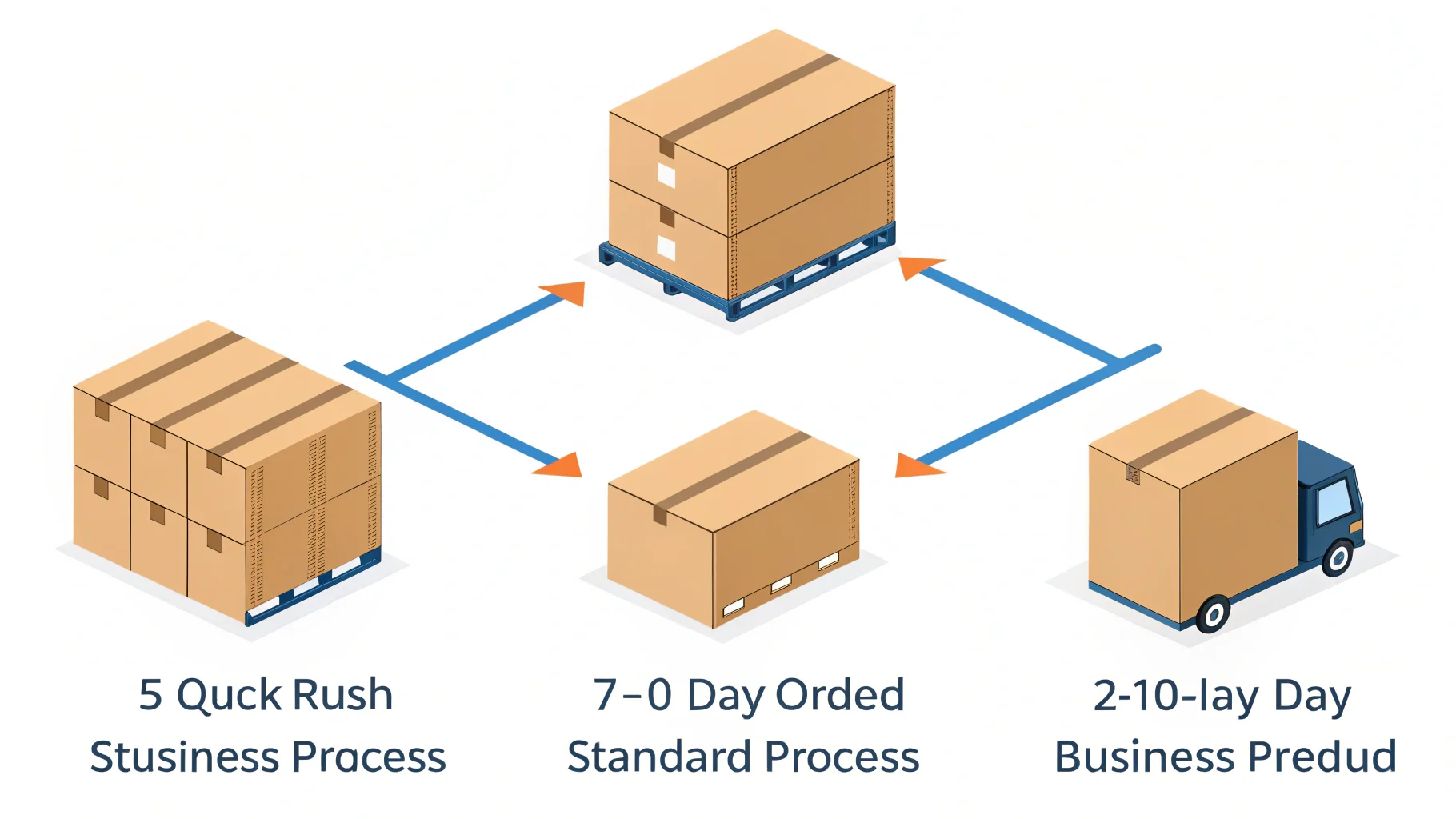
I always tell my clients to think of the timeline in three main stages. This helps manage expectations and identify where things are in the process. It's not just one long wait; it's a series of steps that each take time.
Stage 1: Pre-Production
This is where all the planning happens. It usually takes 2-4 business days3. This stage includes confirming your box dieline7 (the blueprint for the box), finalizing your artwork, and getting a digital or physical proof approved. I had a client who saved three days just by having their artwork ready in the correct format before we even started.
Stage 2: Production
This is the factory floor work, which takes about 5-8 business days3. It starts with making the printing plates8 and the cutting die. Then, the cardboard sheets are printed, cut into shape, and glued together.
Stage 3: Post-Production
This final stage takes 1-3 business days3. It involves quality control9 checks, bundling10 the flat boxes, and preparing them for shipment.
Here is a simple table to show the typical timeline:
| Stage | Typical Duration | Key Activities |
|---|---|---|
| Pre-Production | 2-4 Business Days | Dieline, Artwork, Proof Approval |
| Production | 5-8 Business Days | Plate Making, Printing, Die-Cutting |
| Post-Production | 1-3 Business Days | Quality Control, Bundling, Shipping Prep |
What Is the Step-by-Step Cardboard Box Production Process?
Your box idea is ready. But how does it become a real thing? The factory process can feel like a black box, which causes uncertainty and stress about your order.
The process begins with design and proofing. After you approve it, we create printing plates8 and a cutting die. Then, the large cardboard sheets are printed, cut, folded, and glued. Finally, we perform quality checks to ensure every box is perfect before it ships.
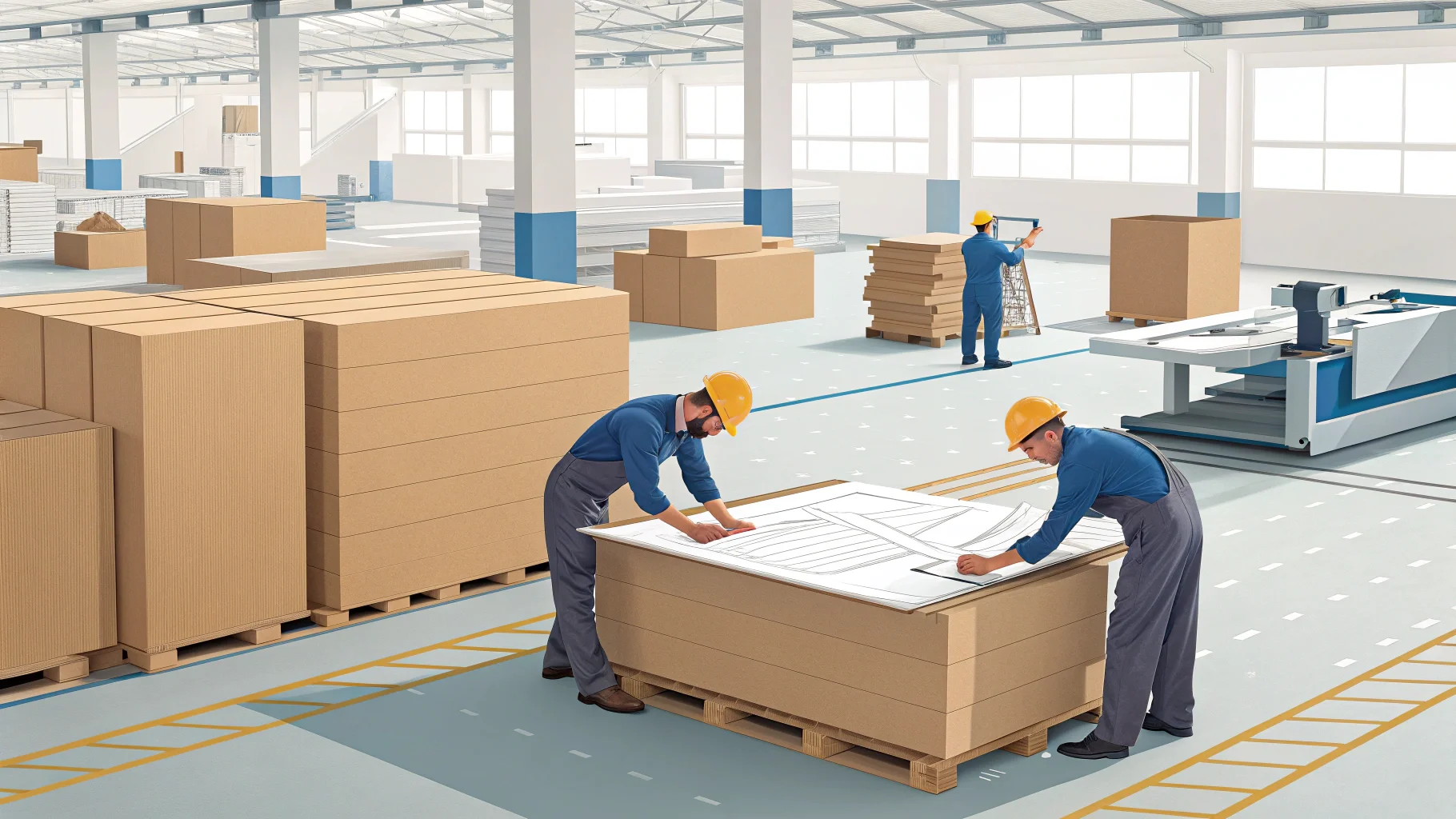
I find that clients who understand the process are much happier because they know what's happening at each step. Let me walk you through exactly how we turn a digital file into a physical box you can hold.
1. Design & Dieline Creation
Everything starts with a dieline7. Think of it as the architectural blueprint for your box. It's a flat, 2D diagram that shows all the cuts, creases, and folds. We create this based on your required dimensions. You or your designer will then place your artwork onto this dieline7 template. Getting this step right is critical. I remember a project that was delayed a week because the artwork didn't fit the dieline7 correctly, and we had to go back and forth to fix it.
2. Prepress & Plate Making
Once you approve the final proof, our prepress team prepares the files for the factory. For most printing methods, like flexography or offset, this involves creating physical printing plates8. Each color in your design needs its own plate. This step can take a couple of days.
3. Printing & Finishing
Next, we load giant sheets of corrugated cardboard onto the printing press. The plates transfer your design onto the board. After printing, we might add a finish, like a gloss or matte lamination, to protect the print and give it a premium feel.
4. Die-Cutting & Gluing
The printed sheets then go to a die-cutting4 machine. A custom-made tool, called a cutting die, stamps out the box shape from the sheet, just like a cookie cutter. After the boxes are cut, they are moved to a folder-gluer machine that automatically folds and glues them into their final, flat-packed form.
What Factors Affect Cardboard Box Production Time?
Your last box order was late, and you are not sure why. This uncertainty makes planning your next order stressful and risky. Let's uncover the hidden factors so you can plan better.
The biggest factors are customization complexity11, order quantity12, material availability13, and the current factory schedule14. A simple, one-color stock box will be much faster to produce than a large order of custom-shaped, multi-colored boxes with special inserts.
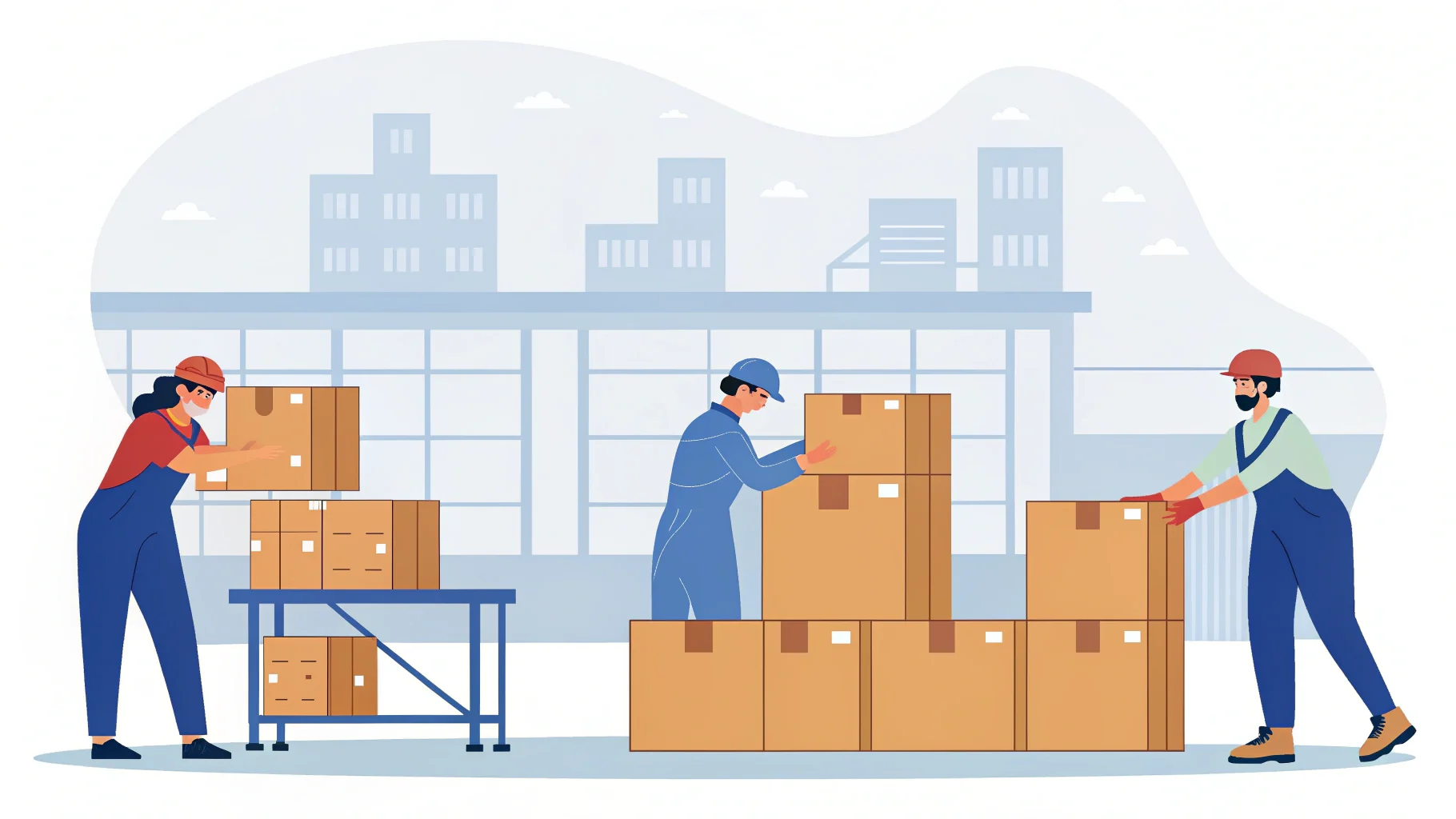
Over the years, I've seen it all. A client once needed boxes during the busy holiday season and their lead time5 doubled. Another client chose a very specific, rare paper color that took an extra week to source. Understanding these variables is key to setting a realistic timeline from the start.
Customization Level
A highly unique box shape requires a new, custom cutting die to be made, which adds time. Complex printing with many colors or special finishes like foil stamping also adds multiple steps to the process, extending the timeline.
Order Size
A very small order might be produced quickly. However, a very large order will naturally take longer to print, cut, and glue. It simply occupies the machines for a longer period. We have to balance your job with others in the queue.
Factory Schedule
This is a big one. If you place an order during a peak season, like before Christmas or Black Friday, the factory is already running at full capacity. Lead times will be longer for everyone. I always advise my clients to order their holiday packaging in the summer to avoid the rush.
Here is a table summarizing the key factors:
| Factor | Impact on Time | Explanation |
|---|---|---|
| Complexity | High | Custom shapes and many colors require more setup. |
| Order Volume | Medium | Large orders take more machine time to complete. |
| Materials | High | Non-standard or out-of-stock materials cause delays. |
| Seasonality | High | Peak seasons (like Q4) create backlogs in production. |
Does Production Time Vary by Box Type?
You need different types of boxes for your products. But do they all take the same time to make? Guessing wrong can lead to serious project delays and missed deadlines.
Yes, production time1 varies a lot by box type. A standard shipping box (RSC) is the fastest. A die-cut mailer box takes a bit longer. A luxury rigid box takes the longest because it often involves hand assembly and more complex processes.
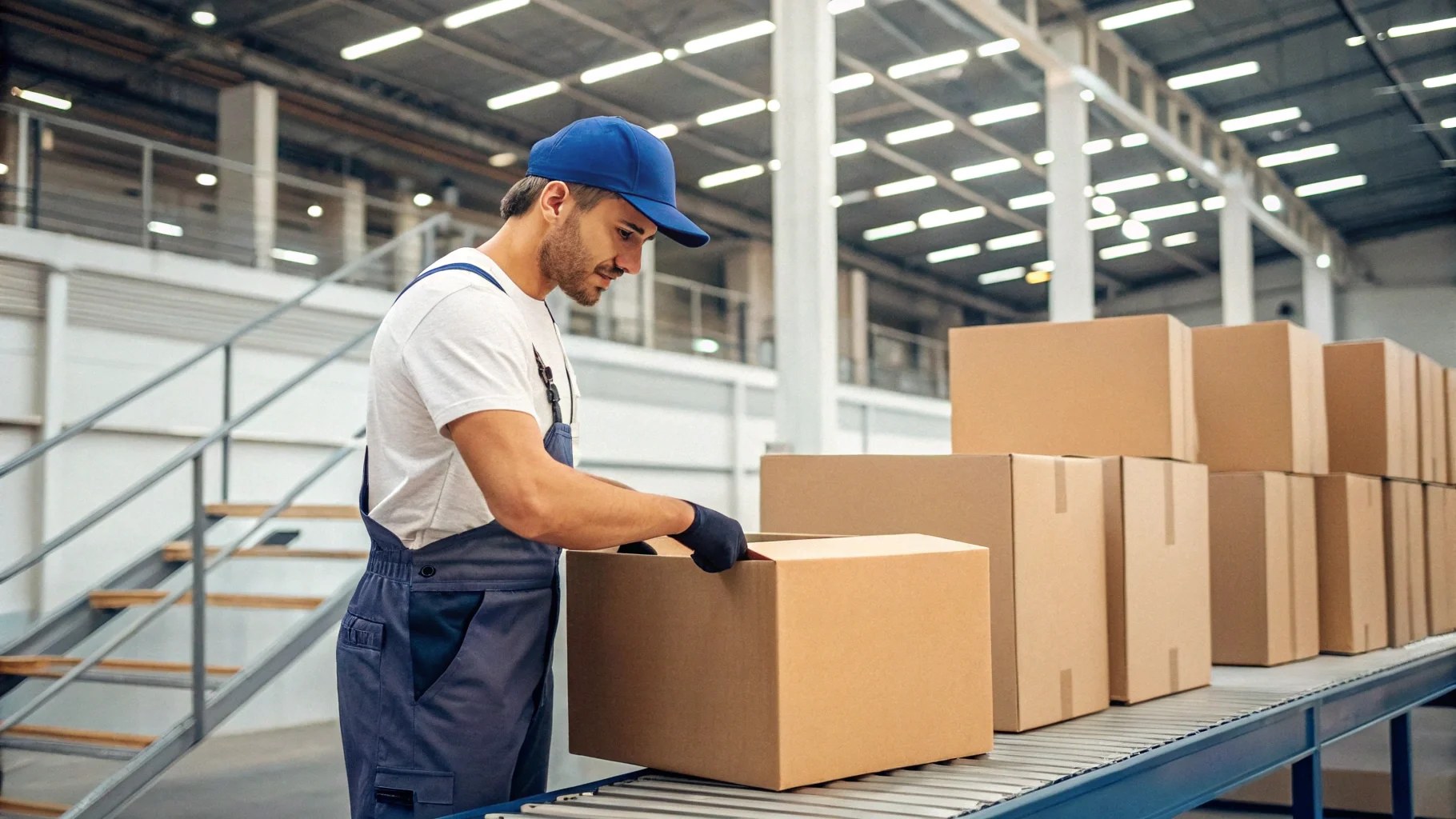
I often get asked if a mailer box is as fast to make as a regular shipping box. The answer is no, and it's important to know why. The structure of the box directly impacts the manufacturing steps required, and therefore, the time it takes. Let's compare the most common types.
Regular Slotted Containers (RSC)
These are your classic shipping boxes. They are made with very simple equipment that prints, scores, slots, and glues in one efficient pass. Because the process is so streamlined and the tooling is standard, RSCs have the shortest lead time5s, often just a few days.
Mailer Boxes (Die-Cut)
Mailer boxes, like the ones used for e-commerce subscription services, require a custom die-cutting%%%FOOTNOTE_REF4%%% step. This means we first have to make a unique cutting die. The [die-cutting](https://en.wikipedia.org/wiki/Die(manufacturing))4 process itself is also slower than the simple slotting for an RSC. This adds a few extra days to the timeline.
Rigid Boxes (Set-Up Boxes)
These are the premium boxes used for things like iPhones or luxury gifts. They are made from thick paperboard, not corrugated cardboard. The process is much more involved, often requiring manual wrapping and assembly. Because of the high level of labor and multiple steps, rigid boxes have the longest lead time5s, often 3-4 weeks or more.
| Box Type | Typical Lead Time | Key Production Steps |
|---|---|---|
| RSC Boxes | 5-10 Business Days | Simple Print, Slot, Glue |
| Mailer Boxes | 10-15 Business Days | Print, Custom Die-Cut, Glue |
| Rigid Boxes | 15-25+ Business Days | Print, Die-Cut, Hand Assembly |
Can My Cardboard Boxes Be Produced Faster?
You're in a hurry and you need boxes now. But is a rush order even possible? The fear of a production bottleneck is real when you're on a tight deadline.
Yes, production can often be expedited for a fee. This involves prioritizing your order in the production schedule. However, it depends entirely on the factory's current workload, the availability of your chosen materials, and the complexity of your box design.
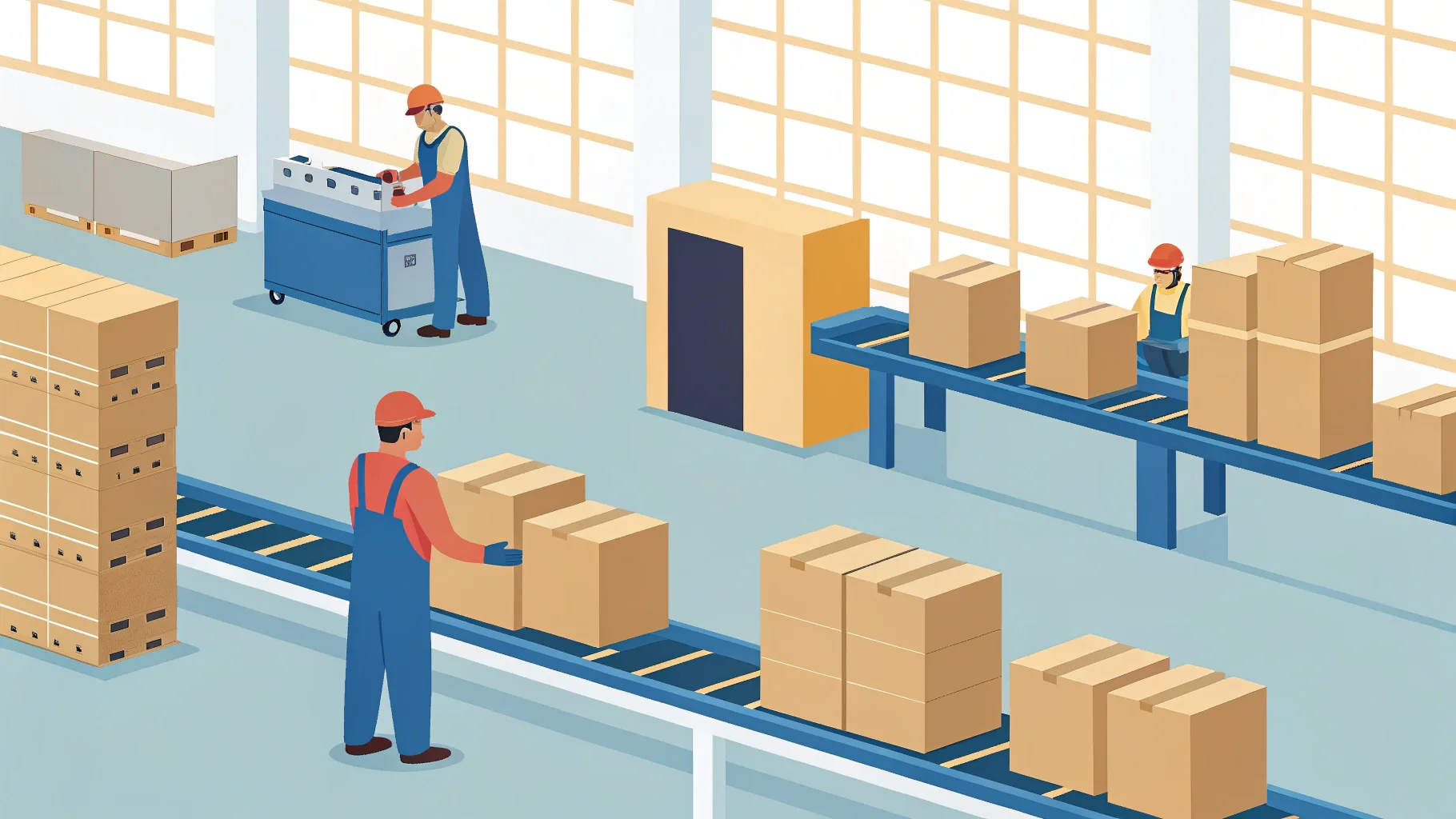
"Can you do it faster?" is a question I hear almost every week. And while I always want to help, rushing an order isn't always the best solution. It comes with trade-offs that are important to understand.
The Cost of Speed
A rush order almost always comes with an expedite fee. This fee can range from 15% to 50% of the order cost. The fee covers the expense of shuffling the production schedule, paying workers for overtime, and prioritizing your materials. I once had a client who paid a 40% rush fee, which was more expensive than if they had just paid for express air shipping on a standard order.
What a Rush Order Involves
When we accept a rush order, we have to interrupt our planned schedule. We might pull a job that is less time-sensitive to make room for yours. This requires careful coordination on the factory floor. It works best for simpler designs that don't need new or complex tooling.
When a Rush Order Isn't Possible
Sometimes, a rush order is just not physically possible. If the custom material you need is out of stock and has a 2-week lead time5, we can't speed that up. Or, if the factory is already running 24/7 during a peak season, there is simply no extra capacity to squeeze in another job. In these cases, planning ahead is the only solution.
How Can I Reduce My Cardboard Box Lead Time?
Long lead time5s are hurting your business. You need to get products to market faster. Waiting for packaging is a major bottleneck that you need to solve right now.
To reduce lead time5, approve your artwork and dieline7 proof quickly. Also, choose standard materials15 and simpler box structures16. Clear, fast communication with your supplier is the most effective way to keep the process moving smoothly and avoid unnecessary delays.
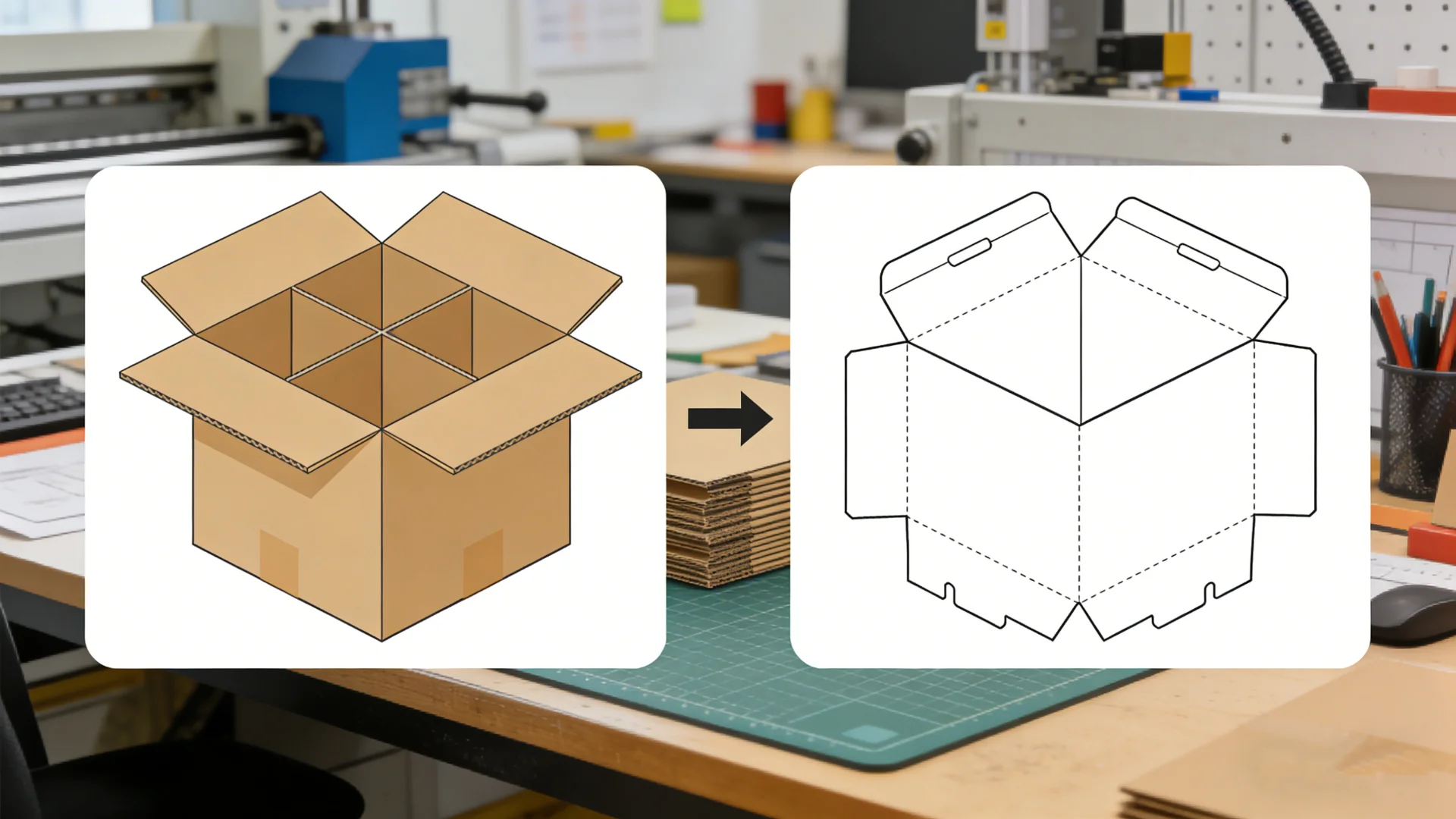
I've learned that the most significant delays often happen before the box even hits the factory floor. They happen during the planning and approval phase. You have more control over the timeline than you think. Here are the strategies I share with all my clients to help them get their boxes faster.
Be Prepared
Have your final, print-ready artwork ready to go before you place the order. Make sure it's in the correct format (usually a vector PDF or AI file). Delays in providing or approving artwork are the number one cause of extended lead time5s. I've seen projects sit for a week waiting for a simple logo change.
Simplify Your Design
Choosing a standard box style, like an RSC or a common mailer size, means we might already have the cutting die, which saves you 2-3 days right away. Using fewer print colors also speeds things up because it requires less setup time on the printing press.
Communicate Clearly
Respond to emails from your supplier quickly, especially when it comes to proof approval17s. If you have a question, ask it immediately. Building a good relationship with your account manager helps. When we know your needs and deadlines, we can work proactively to keep your project on track.
| Strategy | How It Reduces Time | My Pro-Tip |
|---|---|---|
| Finalize Artwork Early | Skips back-and-forth revisions. | Have your designer place art on the dieline7 we provide. |
| Choose Standard Box | May avoid the need for a new cutting die. | Ask us for a list of our "stock" dieline7s. |
| Approve Proofs Fast | Allows production to start immediately. | Set aside time in your day to review proofs as soon as they arrive. |
What Are Some FAQs About Cardboard Box Production Time?
You still have some questions about the timeline. You're worried you missed something important. This uncertainty can be paralyzing when you're on a tight deadline with a lot at stake.
Common questions are about shipping time, holiday delays, and reorders. The production lead time5 usually does not include shipping. Holidays can add significant delays. Reorders are almost always faster because the setup and tooling are already done.
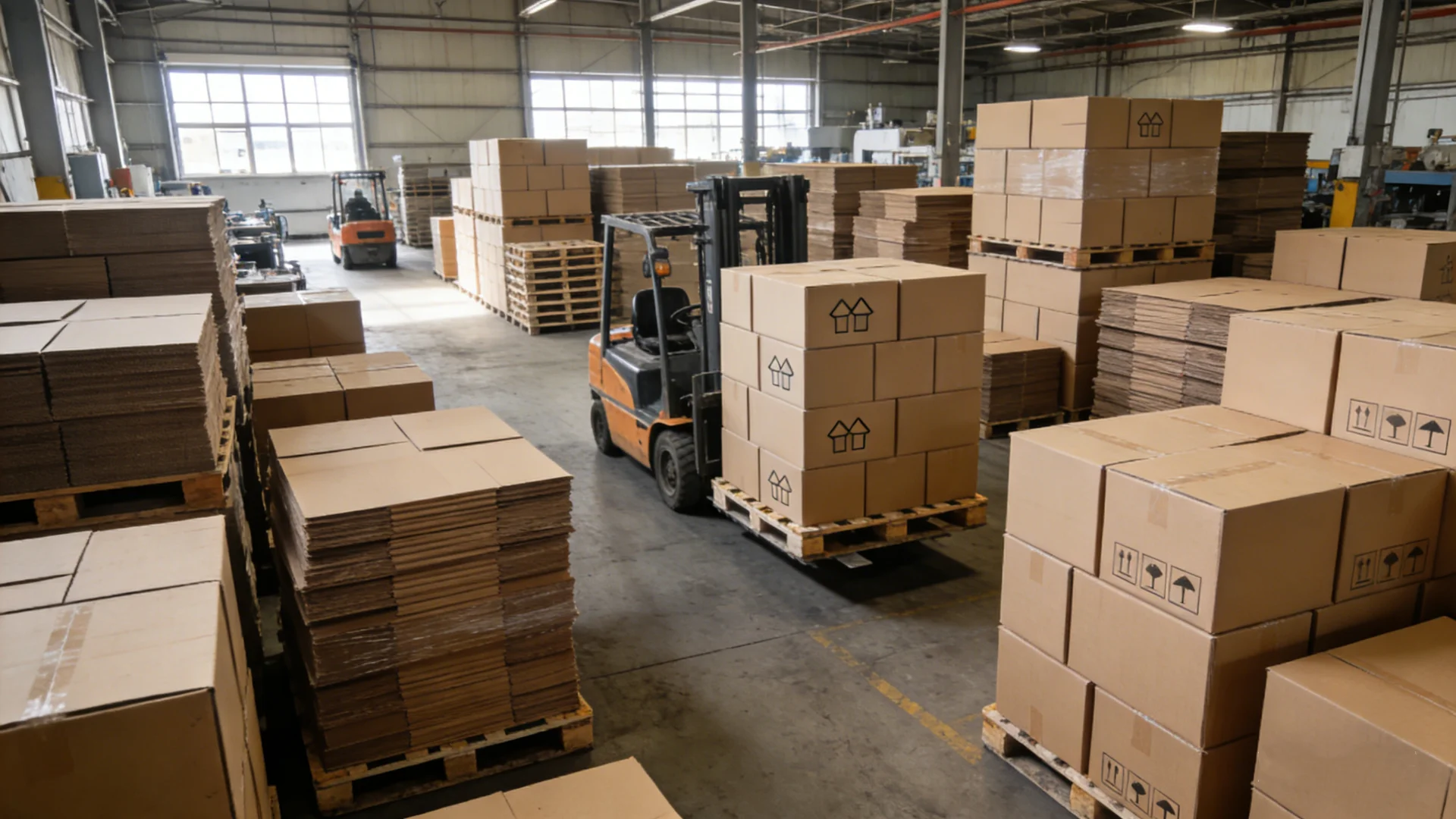
These are the questions that come up again and again. Getting clear answers to them will make you a much more confident and effective packaging buyer. Let me clear up the most common points of confusion I encounter.
Does "lead time5" include shipping?
No. This is a critical point. "Production lead time5" refers to the time it takes for us to manufacture your boxes. It ends when the boxes are ready to leave our factory. Shipping time, or transit time, is separate and depends on the shipping method you choose (e.g., ground, air freight) and your location. Always ask your supplier for a separate estimate for shipping time.
How do holidays affect production?
Holidays can have a huge impact. National holidays mean the factory is closed, adding at least a day to the timeline for each holiday. More importantly, seasonal rushes, like the months leading up to Christmas, create huge backlogs. I once had a client who ordered in late October and the lead time was 5 weeks instead of the usual 2. Also, be aware of events like Chinese New Year, which can shut down factories in Asia for several weeks.
Is a reorder faster than a new order?
Yes, absolutely. A reorder of the exact same box is much faster. This is because we already have the approved artwork, the printing plates, and the cutting die. We can skip the entire pre-production stage, which can save anywhere from 3 to 5 business days off the total lead time. This is one of the biggest benefits of sticking with a proven design.
Conclusion
Understanding the typical 10-15 day timeline for custom boxes is key to planning better. Clear communication and simple designs are your best tools for a faster and smoother production process.
Understanding production time can help you plan your orders more effectively. ↩
Explore how custom cardboard boxes can enhance your branding and product presentation. ↩
Clarify how business days impact your order timelines and planning. ↩
Understand the die-cutting process and its role in creating custom box shapes. ↩
Get insights into the various factors that can affect your lead time. ↩
Evaluate the benefits and drawbacks of placing rush orders for your packaging. ↩
Learn about dielines and their importance in creating custom packaging. ↩
Gain insight into the process of creating printing plates for your designs. ↩
Explore how quality control ensures your packaging meets high standards. ↩
Learn about bundling and how it affects the final delivery of your boxes. ↩
Discover how the complexity of your design can impact lead times. ↩
Learn how the size of your order can affect production timelines. ↩
Explore how material availability can impact your order's lead time. ↩
Understand how factory schedules can influence your order's turnaround. ↩
Learn about standard materials that can help speed up your packaging process. ↩
Discover how choosing simpler designs can expedite your packaging orders. ↩
Discover the significance of proof approval in ensuring your design is correct. ↩