Struggling to make your premium brand stand out on a crowded shelf? Your product is amazing, but the packaging feels generic and gets lost. The right luxury packaging can change everything.
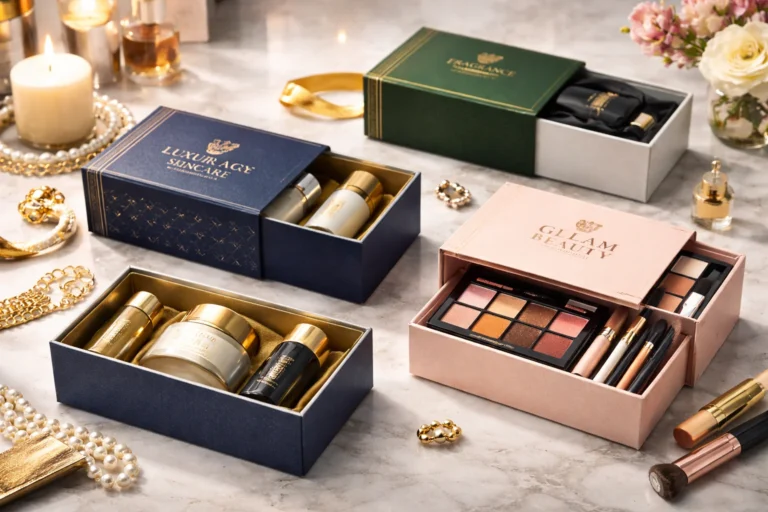
Luxury cosmetic packaging1 defines a premium brand by creating a powerful first impression2. It uses high-quality materials, unique designs, and an exceptional unboxing experience3 to communicate value, quality, and brand story4 before the customer even tries the product. This builds desire and justifies a premium price.
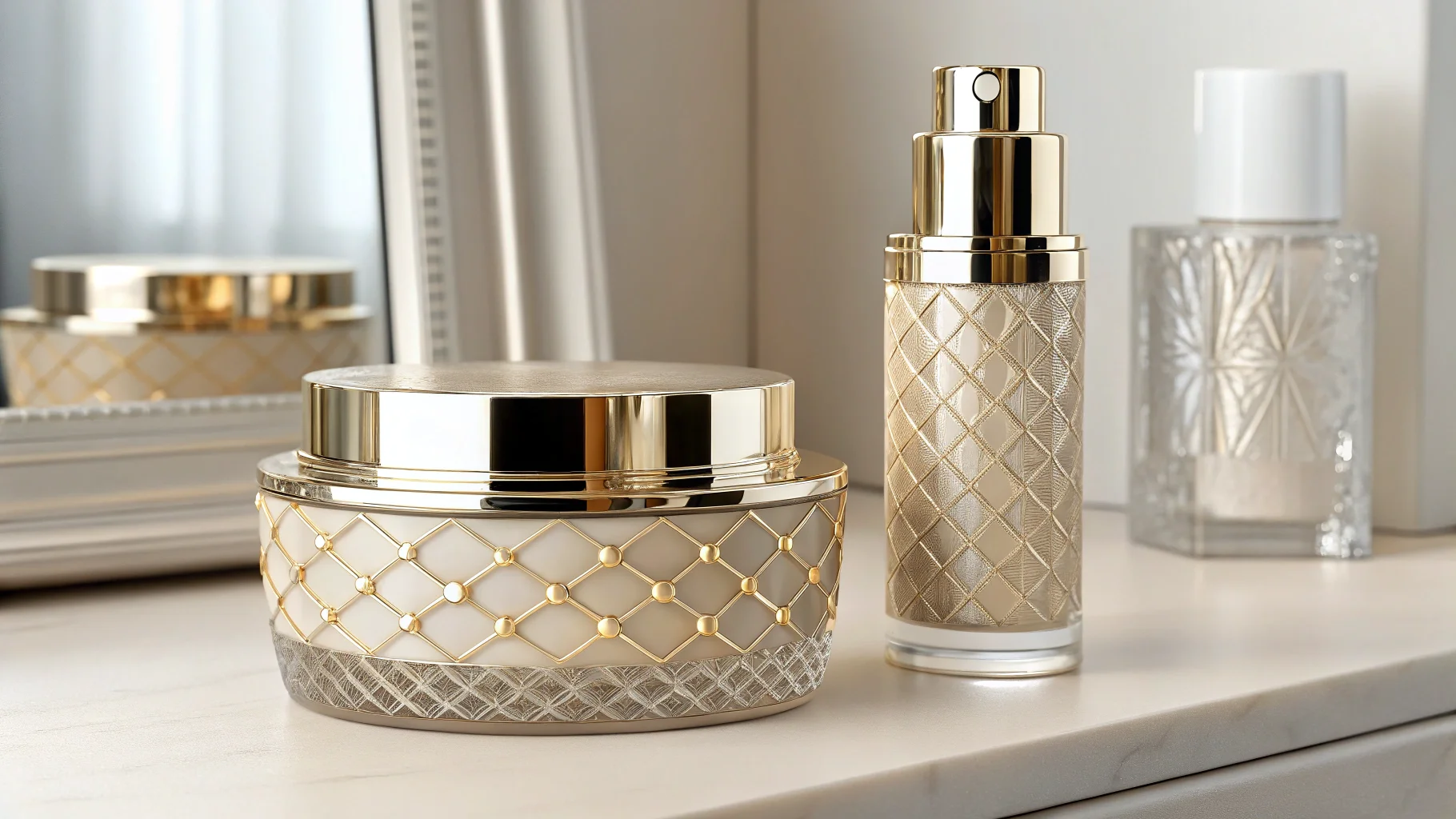
I've seen so many brands with fantastic formulas fail because they overlooked their packaging. It’s so much more than just a container; it's the first promise you make to your customer. Getting it right is non-negotiable. Let's dig into what makes luxury packaging work and how you can use these insights to build a stronger brand.
Why Does Luxury Cosmetic Packaging Matter More Than Ever?
Worried your brand message isn't reaching customers? In a crowded market, your product can easily be overlooked, no matter its quality. Your packaging is your silent salesperson, working 24/7.
It matters because it's the first physical interaction a customer has with your brand. It builds perceived value, differentiates you from competitors, tells your brand story4, and creates a memorable unboxing experience3 that encourages social sharing. It's a critical marketing tool.
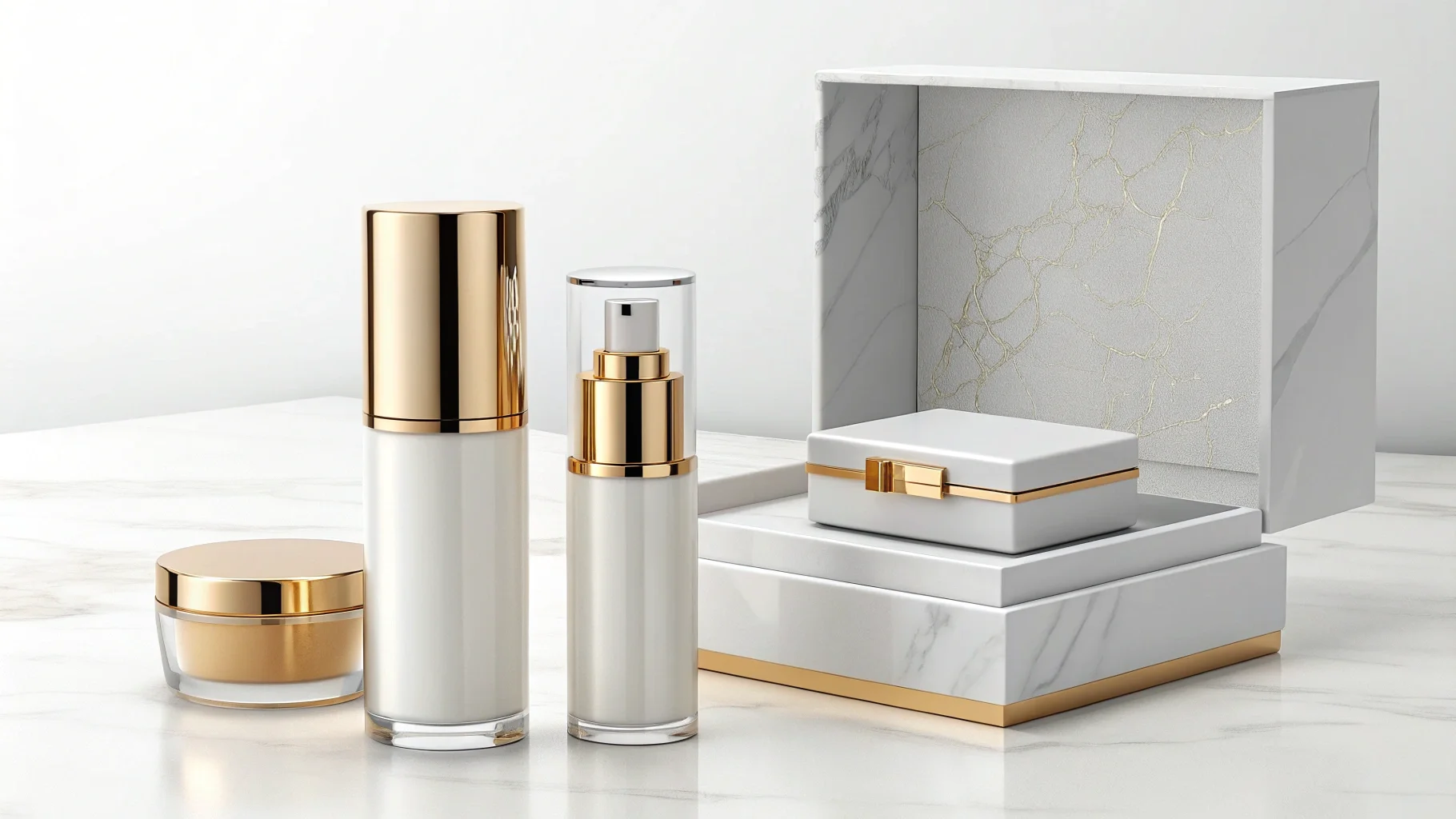
In my experience, the game changed with social media5. Packaging is no longer just for the retail shelf; it’s for the digital shelf, too. An "unboxing" video on TikTok or an aesthetic photo on Instagram can reach thousands of potential customers. The packaging has to perform in both worlds. It must be a tangible signal of quality that also looks incredible on screen.
The Tangible First Impression
The weight of a glass jar in your hand or the soft-touch finish of a box communicates quality instantly. This is what I call the "tangible first impression2." It happens before they even smell the fragrance or feel the cream. This initial interaction must justify the premium price tag. If the packaging feels cheap, the customer will assume the product inside is too, no matter how much you spent on the formula.
The Digital Shelf and Unboxing
Today's packaging must be photogenic. The unboxing experience3 is a key part of the product journey. Brands that design for this moment see huge returns in user-generated content6, which is basically free advertising.
| Aspect | Standard Packaging | Luxury Packaging |
|---|---|---|
| First Impression | Functional, often ignored | Memorable, implies quality |
| Perceived Value | Low to moderate | High, justifies price |
| Social Media | Rarely shared | Often part of "unboxing" content |
| Brand Story | Minimal or absent | Integral part of the design |
What Key Luxury Cosmetic Packaging Trends Are Shaping the Market?
Feeling like your packaging design is already dated? Trends move incredibly fast, and falling behind can make your luxury brand look cheap or out of touch. Staying current is absolutely key.
Key trends include minimalist aesthetics7 with bold typography, a strong focus on sustainable and refillable systems8, interactive "smart" packaging elements, and highly personalized designs. These trends reflect a shift towards conscious consumerism and unique, personal experiences.
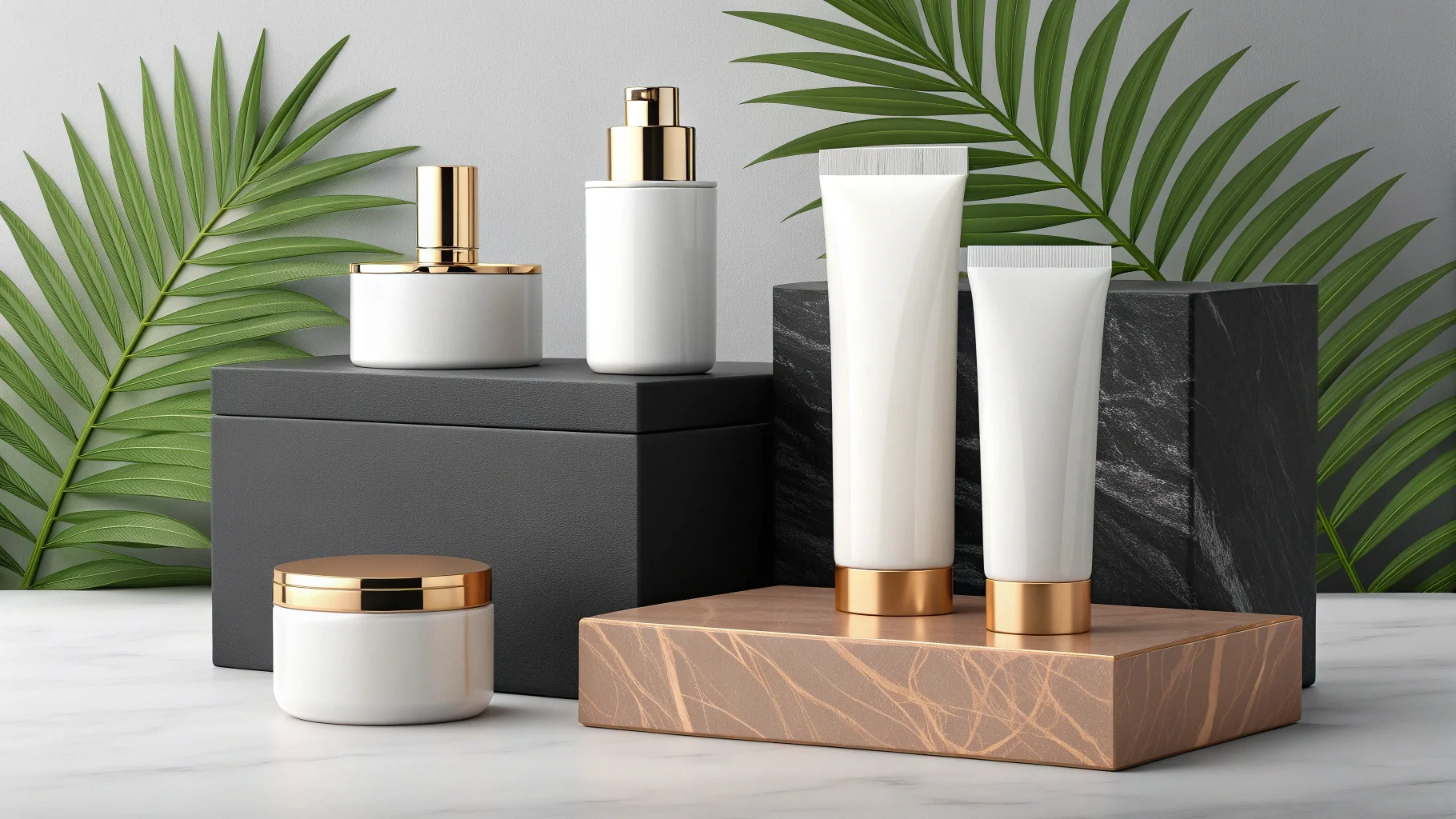
I've been watching these trends evolve for years. It's not just about what looks good anymore; it's about what the packaging says about the brand's values. Minimalism isn't just a style; it's a statement about confidence and transparency. A few years ago, I worked with a client who wanted to overhaul their look. We moved from a very busy, ornate design to a simple, clean aesthetic. Their sales increased by 30% because the new design felt more modern and honest to a new generation of luxury buyers. The lesson is that trends often point to deeper shifts in what customers value.
Minimalism and Boldness
Clean lines, simple color palettes, and impactful typography are in. This trend, often called "quiet luxury," suggests confidence. The brand doesn't need to shout with flashy graphics; the quality of the material and the elegance of the design speak for themselves.
The Rise of Refillable and Mono-Material
Sustainability is no longer a niche interest; it's a core expectation. But for luxury, it has to be executed flawlessly. This is where one of my core beliefs comes in: luxury packaging must be scalable, not just beautiful. A refillable system is a great idea, but you need a scalable supply chain to support it.
| Trend | Consumer Appeal | Brand Benefit |
|---|---|---|
| Minimalism | Modern, honest, chic | Looks high-end, focuses on quality |
| Refillable Systems | Eco-conscious, long-term value | Builds customer loyalty, reduces waste |
| Personalization | Feels unique and special | Creates a deeper brand connection |
| Smart Packaging | Engaging, informative | Provides data, enhances user experience |
What Premium Materials Are Used in Luxury Cosmetic Packaging?
Unsure which materials just scream "luxury"? Choosing the wrong material can cheapen your product's feel, no matter how great the design is. The right material choice is everything for perception.
Premium materials often include heavy-walled glass for its weight and recyclability, high-density plastics9 like PETG for clarity and durability, sustainably sourced wood, and anodized aluminum for a cool, metallic touch. The focus is on materials that feel substantial and high-quality.
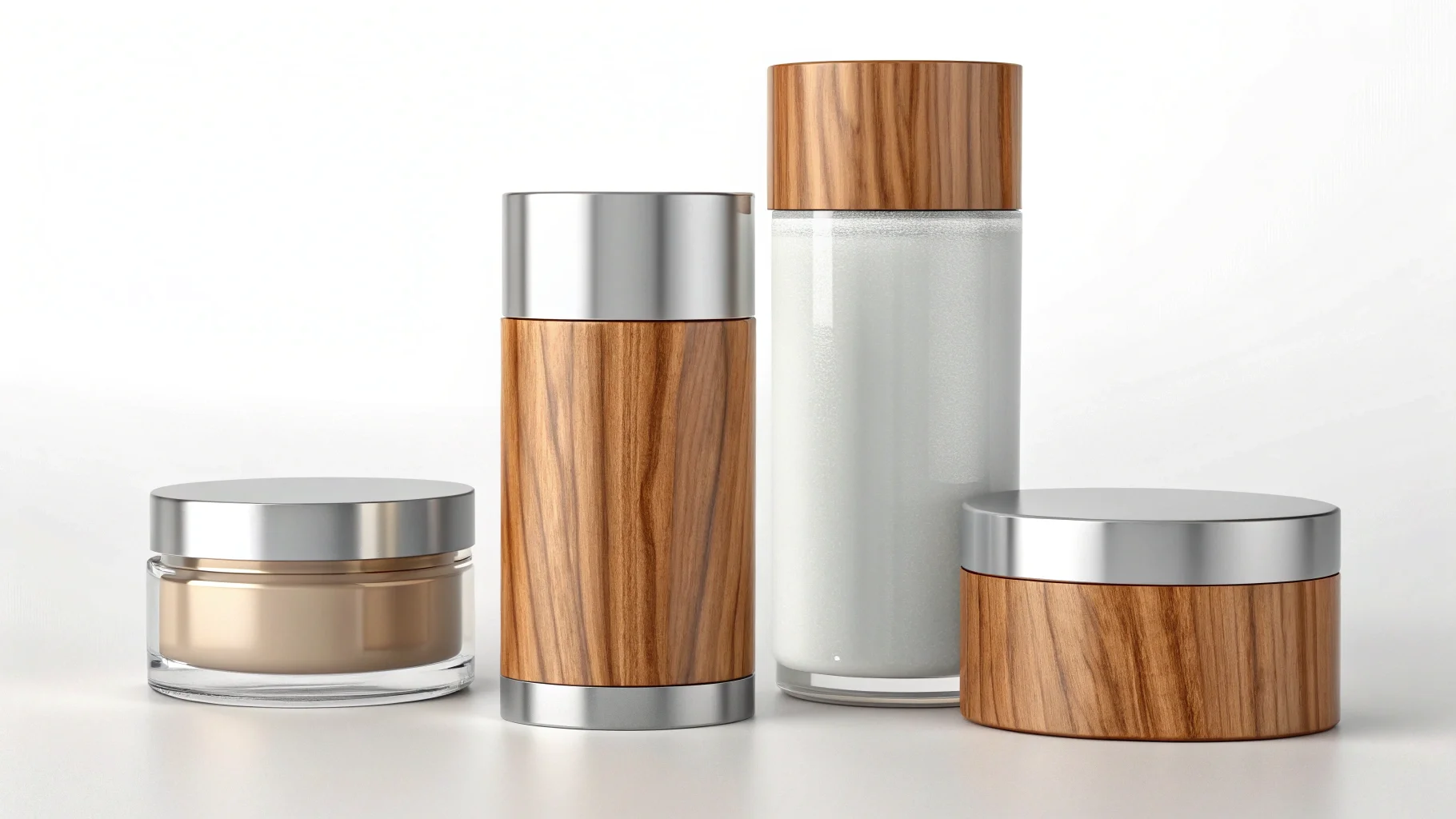
This is where another of my key insights comes into play: early material and process choices determine long-term cost. I once consulted for a startup that fell in love with a custom-molded glass bottle. It was beautiful, but the cost per unit was astronomical and the lead times were long. They didn't plan for this, and it nearly bankrupted them when they got their first big retail order. Choosing your material isn't just an aesthetic decision; it's a fundamental business decision that impacts your margins and scalability.
The Weight of Glass and Metal
Glass is the classic choice for luxury. It’s heavy, it feels cool to the touch, and it’s infinitely recyclable. It signals purity and preservation. Similarly, metals like aluminum or zamac (for caps and components) add weight and a premium feel. They are perfect for conveying a modern, technical, or classic high-end image.
Advanced Plastics and Eco-Friendly Alternatives
Not all plastic is created equal. High-grade polymers like PETG can mimic the clarity of glass without the fragility or weight. There are also beautiful options in wood (like ash or bamboo) and even stone composites. The key is how the material is finished and how it feels in the hand.
| Material | Key "Luxury" Feeling | Best For | Sustainability Note |
|---|---|---|---|
| Glass | Heavy, cool, pure | Skincare, fragrance | Highly recyclable, but energy-intensive |
| Aluminum | Cool, technical, lightweight | Tubes, bottles, caps | Infinitely recyclable |
| Wood | Natural, warm, unique | Caps, compacts, accents | Look for FSC-certified sources |
| PETG/SAN | Clarity, durability, modern | Jars, bottles, airless pumps | Recyclable, PCR options available |
What Decoration and Finishing Techniques Elevate Luxury Packaging?
Is your packaging design just falling flat? A simple printed box doesn't communicate premium value, letting your beautiful product down. Finishing techniques are what add that crucial "wow" factor.
Techniques like hot foiling, embossing, debossing, spot UV varnish, and soft-touch lamination elevate packaging. These finishes add tactile and visual texture, creating a multi-sensory experience that signals high quality and attention to detail.
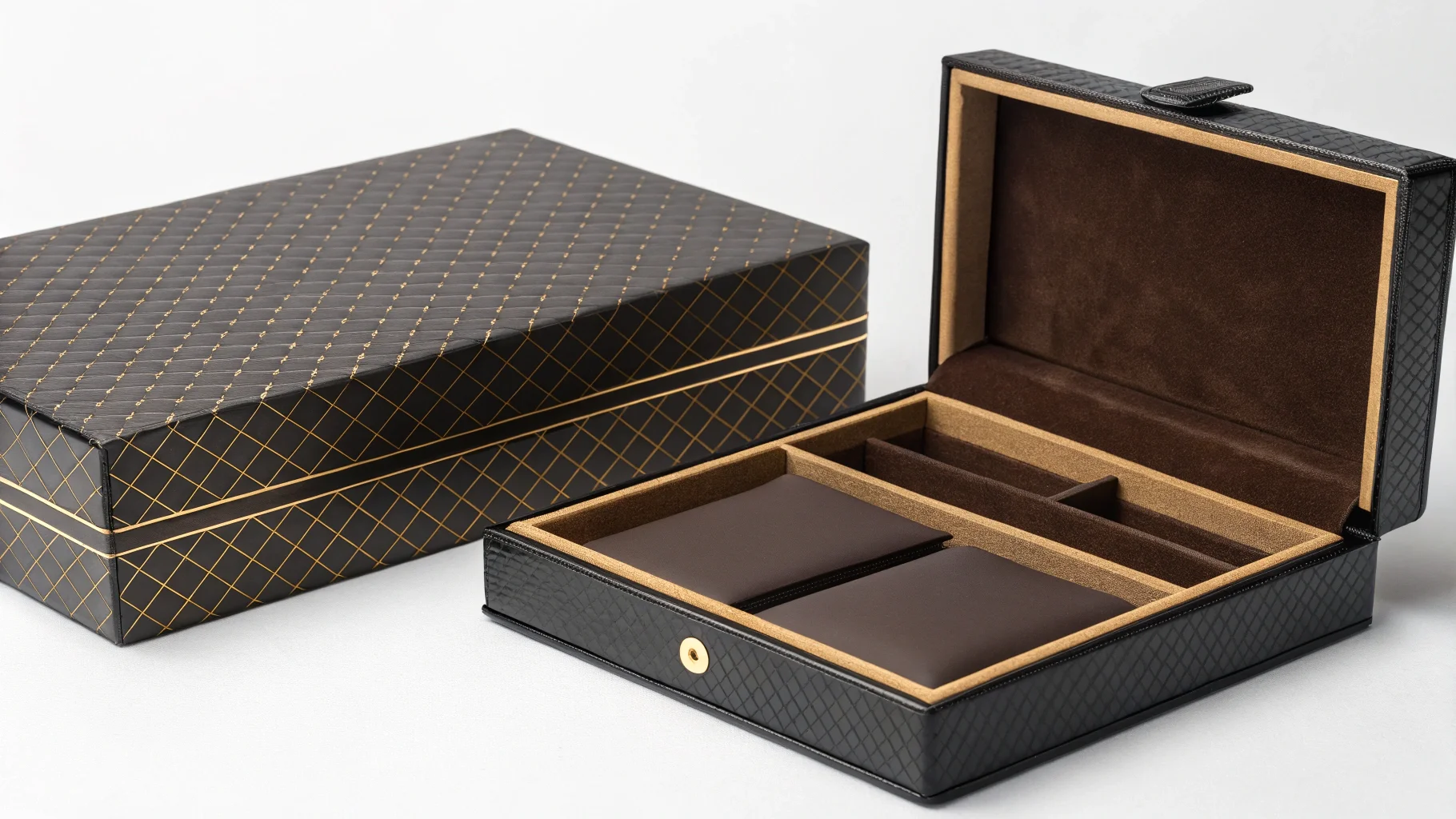
Think of finishes as the jewelry for your packaging. They catch the light and invite the customer to touch the surface. I always tell my clients that if you can get a customer to pick up your product, you've won half the battle. These tactile details are what make someone stop and engage. A simple black box is just a box. But a black box with a soft-touch finish and a single, crisp, gold-foiled logo? That's an object of desire. It’s a small detail, but it makes a world of difference in perceived value.
Creating a Tactile Experience
Embossing (raising a design) and debossing (imprinting a design) create physical texture that customers can feel. A soft-touch or velvet lamination gives the entire surface a smooth, luxurious feel that is hard to put down. These techniques make the packaging feel more like a gift.
Adding Visual Highlights
Hot foil stamping adds a metallic shine (gold, silver, copper, or even holographic) that catches the eye and communicates opulence. Spot UV is a glossy coating applied to specific areas, creating a contrast between matte and shiny surfaces. It’s a subtle but very effective way to highlight a logo or pattern.
| Technique | Visual/Tactile Effect | Brand Perception |
|---|---|---|
| Hot Foil Stamping | Shiny, metallic, reflective | Opulent, classic, celebratory |
| Embossing/Debossing | 3D texture, raised or indented | Sophisticated, detailed, traditional |
| Soft-Touch Lamination | Matte, smooth, velvety feel | Modern, gentle, premium |
| Spot UV Varnish | High-gloss on specific areas | Dynamic, sleek, eye-catching |
What Actually Works for Sustainability in Luxury Cosmetic Packaging?
Confused by all the "green" marketing claims in packaging? Many so-called sustainable options don't actually feel luxurious or are completely impractical to produce at scale. Let's focus on what truly works.
What works are refillable systems8, using mono-materials for easy recycling (like all-glass or all-PET), and choosing post-consumer recycled (PCR) content. Lightweighting packaging to reduce material and shipping impact is also a practical, effective strategy for luxury brands.
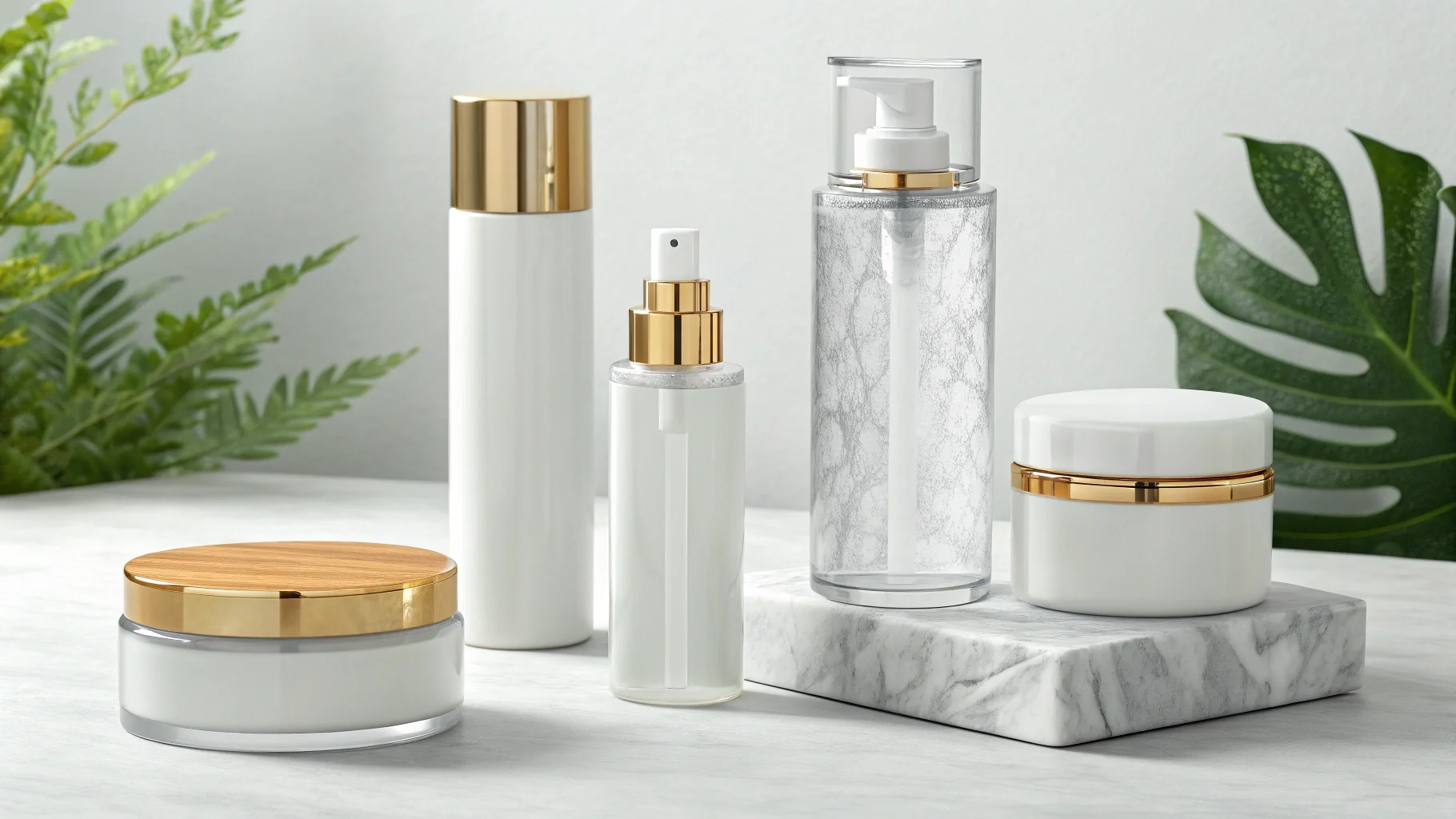
The challenge is that luxury and sustainability can sometimes feel at odds. Luxury is often associated with weight and lavishness, while sustainability is about reduction and efficiency. The sweet spot is "conscious luxury." I worked with a brand that wanted to use a new bio-plastic. It sounded great on paper, but when we got the samples, they felt flimsy and cheap. We pivoted to a heavy, beautiful glass jar with a lightweight, 100% PCR plastic refill pod. The customer gets the luxury experience upfront and the sustainable, cost-effective option for repurchases. It was a win-win.
The Refill Revolution
Refillable packaging is one of the best solutions. It allows you to create a beautiful, durable primary container—the "mother ship"—that the customer keeps forever. The refills can then be simple, lightweight, and fully recyclable. This builds brand loyalty and significantly reduces overall waste.
Mono-Materials and PCR
The easier something is to recycle, the more likely it will be. Packaging made from a single material (mono-material) is ideal. A jar and cap both made of PET is better than a glass jar with a mixed-material pump. Using Post-Consumer Recycled (PCR) plastic or glass is also a huge win. It uses existing materials and reduces the need for virgin resources.
This is where we must remember that the best premium packaging balances design, protection, and manufacturability. A sustainable design that can't be made efficiently or doesn't protect the product is useless.
What Functional Innovations Are Appearing in High-End Cosmetic Packaging?
Does your packaging just sit there and look pretty? Customers now expect packaging to do more than just hold the product. It should actively enhance the experience of using it. Functional innovation is the answer.
Functional innovations include airless pump systems10 to preserve product integrity, packaging with unique applicators (like cooling metal tips for eye creams), and smart packaging11 with QR codes that link to tutorials or ingredient information. Functionality enhances product efficacy and user experience.
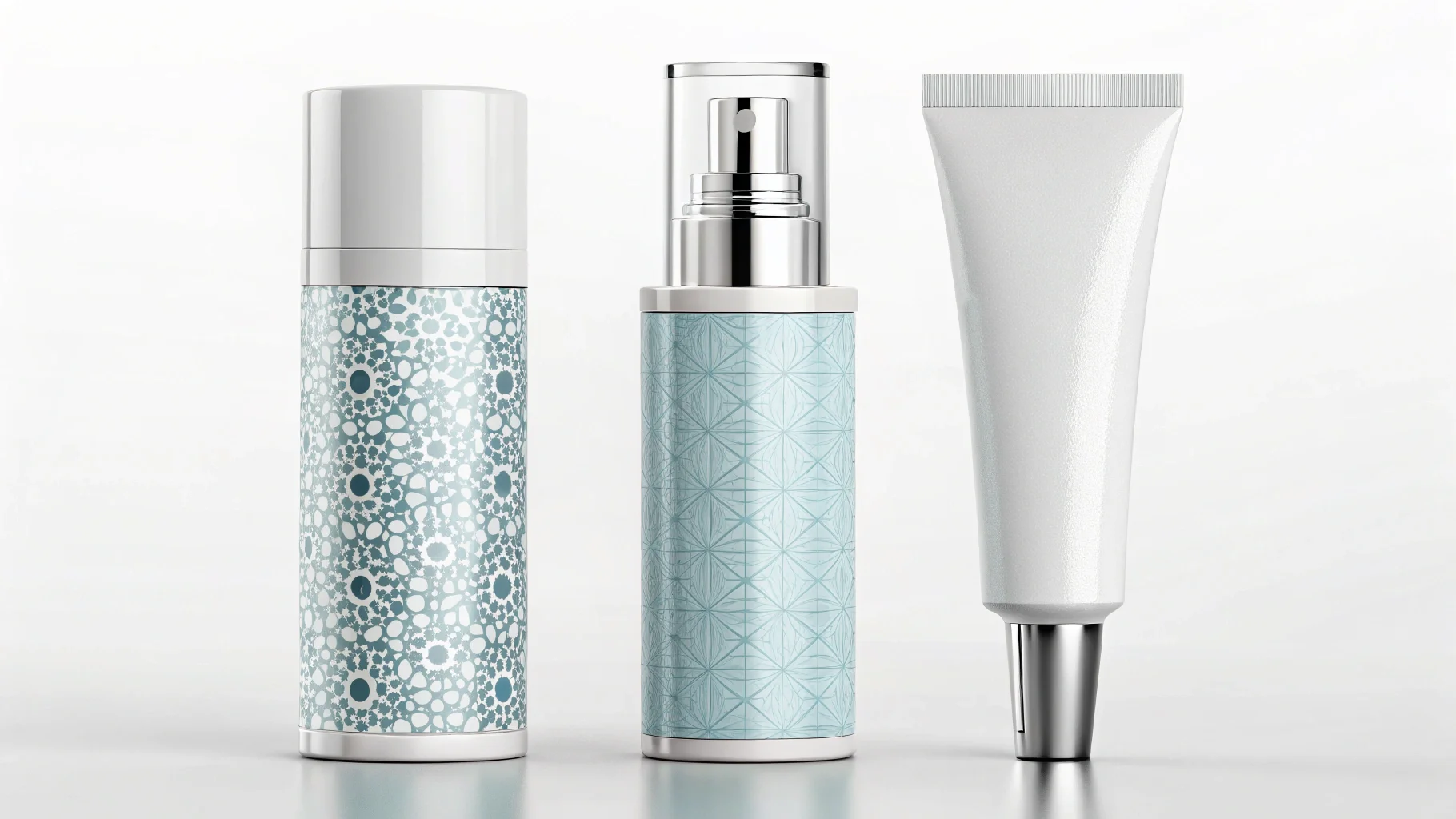
I love seeing packaging that solves a problem for the user. It shows that the brand has thought about the entire product experience, from shelf to bathroom counter. For example, airless pumps aren't just a gimmick. For sensitive formulas with active ingredients like Vitamin C or retinol, an airless system prevents oxidation and contamination. The packaging is literally making the product work better and last longer. That's a powerful selling point that goes way beyond aesthetics.
Preserving the Formula
Airless systems use a vacuum to dispense the product, which minimizes its exposure to air and bacteria. This is crucial for preserving the potency and extending the shelf life of expensive, active-ingredient-heavy skincare formulas. It’s a functional feature that directly translates to better results for the customer.
Enhancing the Application
Packaging can also become part of the application tool. Think of eye cream tubes with cooling zamac tips that help to de-puff the under-eye area as you apply the product. Or foundations with built-in brushes or sponges. This adds real value and makes the product more enjoyable and effective to use.
| Innovation | User Benefit | Product Type |
|---|---|---|
| Airless Pump | Keeps product fresh, less waste | Serums, lotions, foundations |
| Cooling Applicator | Soothes and de-puffs skin | Eye creams, spot treatments |
| QR Code Integration | Access to tutorials, ingredients | All types, especially complex routines |
| Dropper with Wiper | Precise dosage, clean application | Face oils, serums, treatments |
How Can You Choose the Right Luxury Packaging Solution for Your Brand?
Overwhelmed by all the packaging options available out there? I get it. Making the wrong choice can be a very costly mistake, both in terms of money and your brand's reputation. A clear strategy simplifies the decision.
Start by defining your brand identity, target audience, and price point. Then, consider the product's specific needs (protection, application). Finally, evaluate scalability and budget. The right solution perfectly aligns with these core elements of your business strategy.
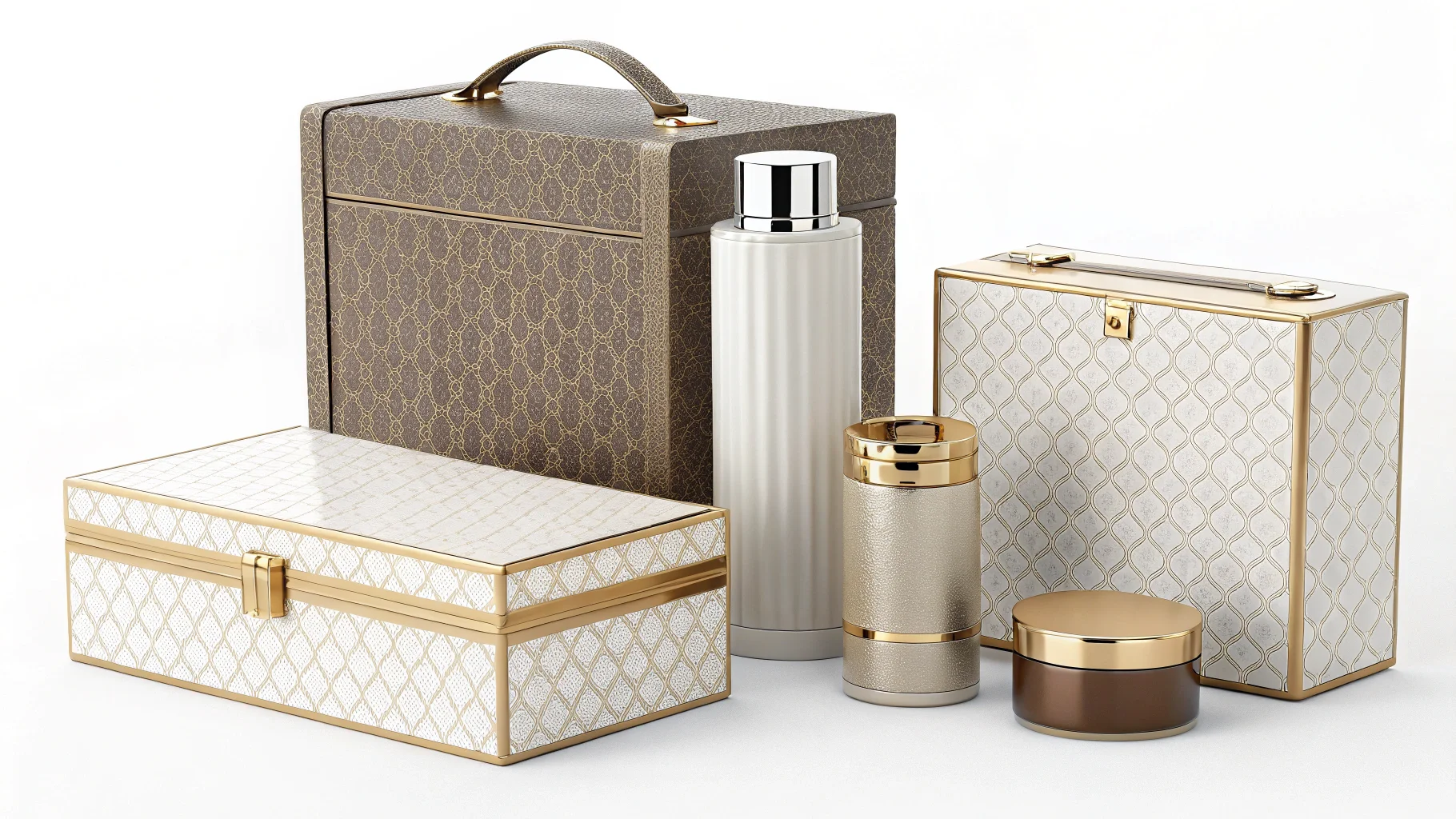
This is where all my advice comes together. You can't choose packaging in a vacuum. I always start client meetings with three questions: Who are you? Who are you selling to? And how much can you realistically spend? Your packaging must answer these questions. If you are a "clean, minimalist" brand, a heavy, ornate package doesn't fit. And remember, a design that works for 1,000 units might not work for 100,000. Luxury packaging must be scalable.
Step 1: Define Your Brand Core
What are your brand's keywords? Are you "clinical and effective," "natural and earthy," or "opulent and glamorous"? Your material, color, and font choices should all reflect this identity. Your packaging is your brand's physical embodiment.
Step 2: Balance Aesthetics, Function, and Cost
This is the golden triangle. You have to find the perfect balance. The best premium packaging balances design, protection, and manufacturability. Don't forget that early material and process choices determine long-term cost. Create a budget that includes not just the unit cost but also mold fees, shipping, and potential scrap rates.
| Checklist Question | Why It's Important |
|---|---|
| Does it fit my brand identity? | Ensures brand consistency and recognition. |
| Does it appeal to my target customer? | Connects with the right audience's values. |
| Does it protect my formula? | Guarantees product quality and safety. |
| Is it manufacturable at scale? | Prepares you for growth and success. |
| Does it fit my budget (COG)? | Ensures your business remains profitable. |
Where Is Luxury Cosmetic Packaging Heading in the Future?
Want to future-proof your packaging strategy? Investing in a design or technology that will be obsolete in two years is a huge waste of resources. So, let's look ahead.
The future is hyper-personalized, ultra-sustainable, and digitally integrated. Expect to see more advanced compostable materials, 3D printing for custom shapes, and packaging that connects seamlessly with digital experiences, turning each product into a gateway to the brand's world.
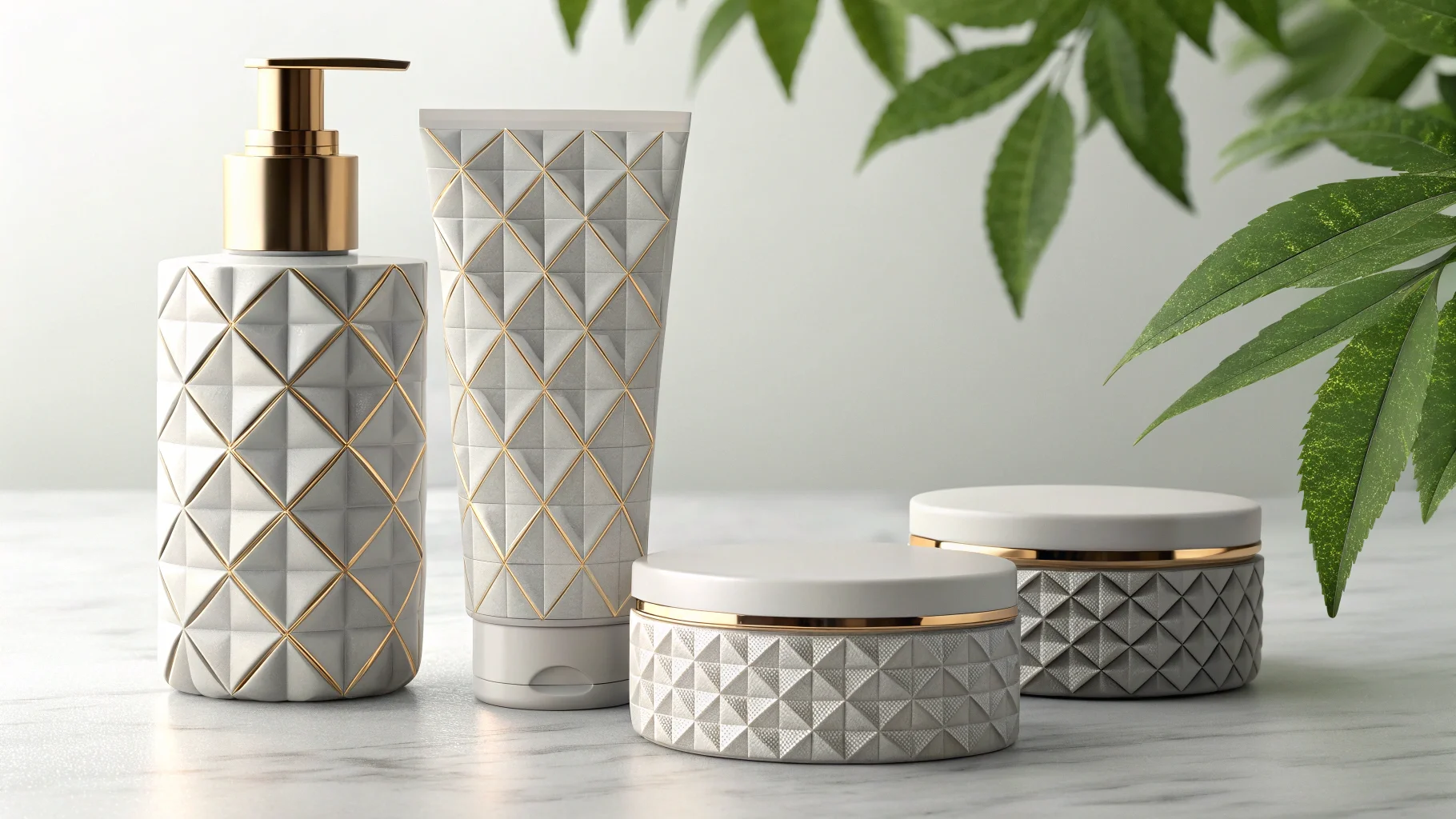
I am incredibly excited about what's coming next. We're moving beyond just QR codes. I recently worked on a project that embedded an NFC (Near Field Communication) chip into the cap of a moisturizer. When a customer tapped their phone to the cap, it opened a personalized portal with a skincare routine designed just for them, based on their purchase history. This "phygital" (physical + digital) experience is the future. The package is no longer just a container; it's an interactive key to a wider brand universe.
The Next Generation of Sustainable Materials
We're going to see materials that are not just recyclable, but fully biodegradable and even "water-soluble." Imagine a serum pod that dissolves harmlessly in your sink after use. Mushroom-based mycelium and seaweed-based plastics are no longer science fiction; they are becoming viable, luxurious alternatives.
Digital Integration and "Phygital" Experiences
The package will become a direct line of communication. It will offer augmented reality try-ons, track usage for automatic re-ordering, and provide complete traceability of its ingredients right from your phone. This deepens the customer relationship far beyond the initial purchase and creates a stickiness that is incredibly valuable for any brand.
Conclusion
Ultimately, great luxury packaging is a strategic balance of art, science, and business. It must be beautiful, functional, sustainable, and, most importantly, scalable for your brand's future growth.
Explore how luxury cosmetic packaging can elevate your brand and create a lasting impression. ↩
Understanding the impact of first impressions can help you design packaging that resonates with customers. ↩
Discover the elements that create memorable unboxing experiences that drive customer engagement. ↩
Explore how effective packaging communicates your brand's values and narrative. ↩
Learn how social media trends shape packaging design and consumer expectations. ↩
Learn how to design packaging that inspires customers to share their experiences online. ↩
Find out why minimalist design is trending and how it can enhance your brand's appeal. ↩
Understand the advantages of refillable packaging and how it can boost customer loyalty. ↩
Discover the advantages of using high-density plastics in luxury cosmetic packaging. ↩
Explore how airless pumps preserve product integrity and improve user experience. ↩
Learn about smart packaging technologies that enhance customer engagement. ↩