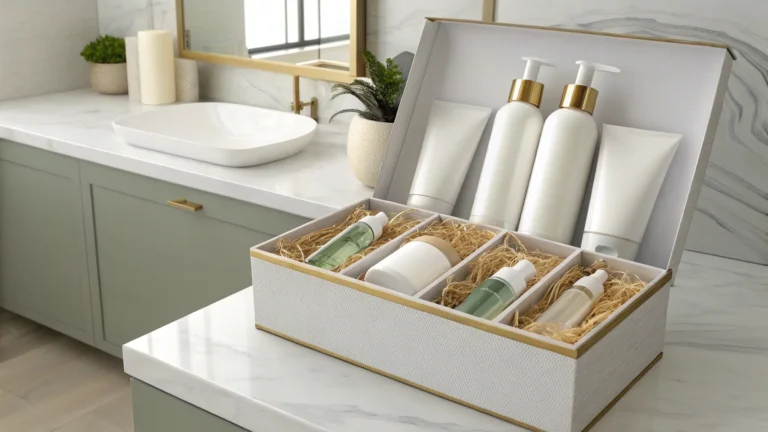
Your brand wants to be green, but packaging is a huge challenge. Traditional options are wasteful, hurting your image. Eco-friendly boxes are the sustainable solution you need for 2026.
Eco-friendly cosmetic boxes1 are packaging made from sustainable materials2 like recycled paper, cardboard, or plant-based plastics. They are designed to minimize environmental impact. This helps beauty brands appeal to conscious consumers and reduce their carbon footprint3, which is crucial for success in 2026.
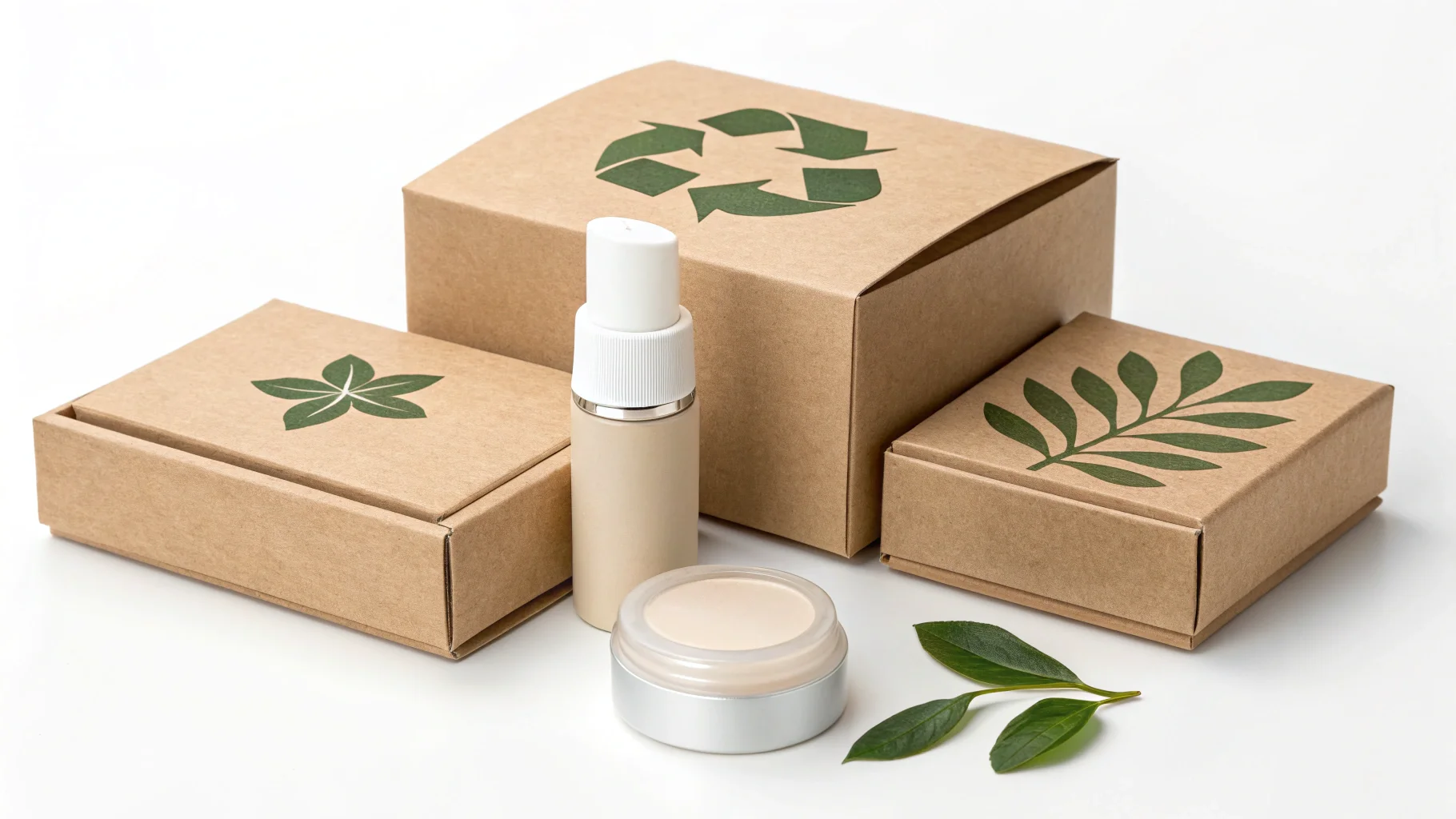
I see so many brands struggling with this. They want to do the right thing, but the world of sustainable packaging4 can feel overwhelming. It's not just about picking a "green" box; it's about making a smart choice for your brand, your product, and your customers. Let's break it down together, step by step, so you can feel confident in your packaging decisions.
What Are Eco-Friendly Cosmetic Boxes?
You hear "eco-friendly" everywhere, but what does it really mean for packaging? The definitions are confusing. Let's clarify what makes a cosmetic box truly sustainable for your brand.
Eco-friendly cosmetic boxes1 are containers made from materials that are recycled, recyclable, biodegradable5, or compostable6. Their main goal is to reduce waste and pollution. This is different from traditional packaging7, which often ends up in landfills and harms the environment for centuries.
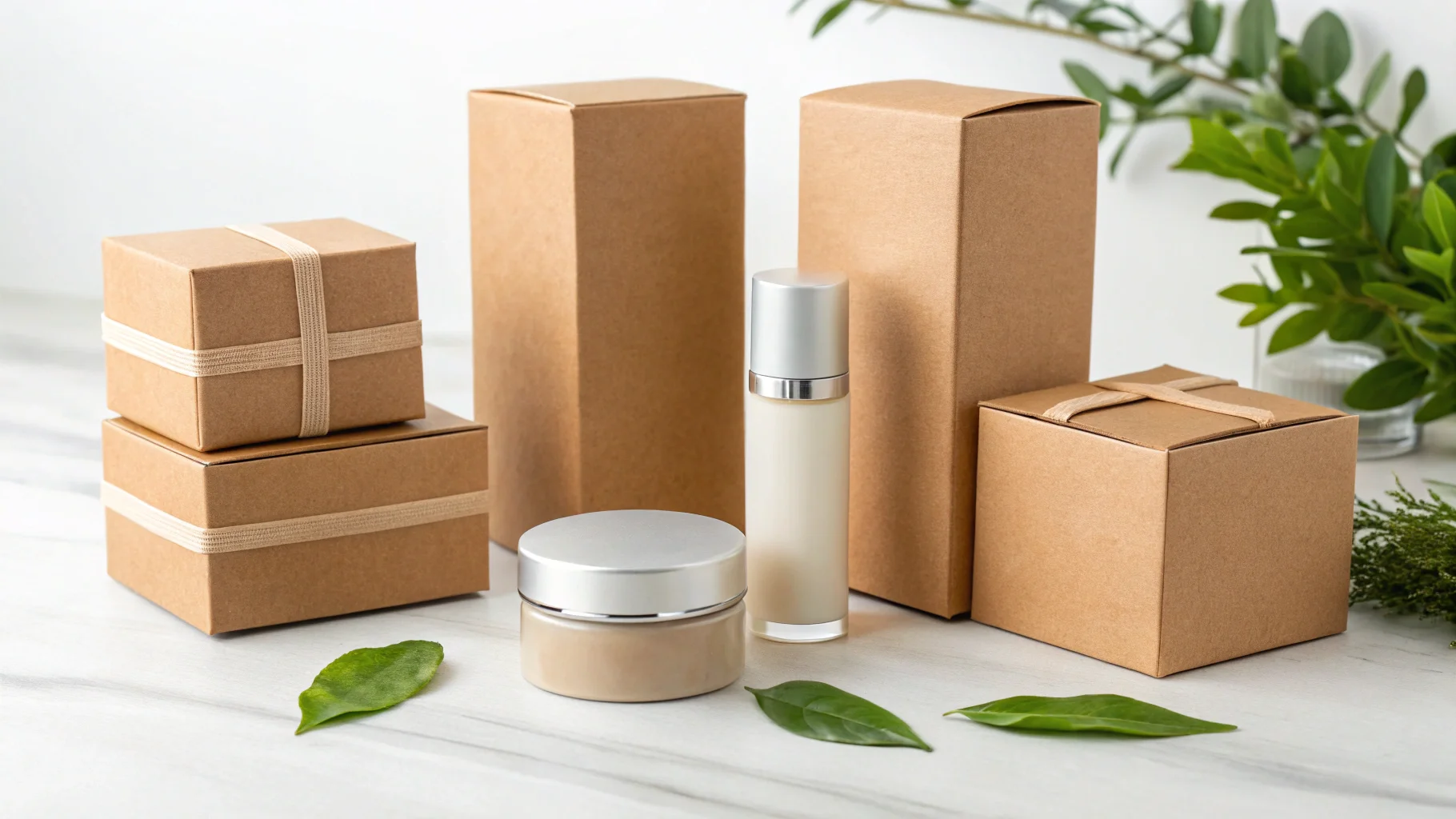
Eco-friendly packaging isn't just one thing. It's a concept built on a few key ideas. The goal is always to lessen the harm we do to the planet. This means thinking about the entire life of the box, from where the materials come from to where the box ends up. I always tell my clients to think about the "three R's" as a starting point: Reduce, Reuse, and Recycle. But for cosmetic boxes, we can add a few more important ideas. It's about being responsible. It's about looking at the big picture, not just a single green label. The best approach considers the entire journey of the packaging, ensuring that each step is as gentle on the earth as possible. This holistic view is what truly defines a package as eco-friendly.
Key Characteristics
| Characteristic | Description |
|---|---|
| Material Source | Comes from sustainable sources, like responsibly managed forests or post-consumer waste. |
| Production Process | Uses less energy, water, and fewer harmful chemicals during manufacturing. |
| End-of-Life | Can be easily recycled, composted, or biodegrades without harming the environment. |
Why Do Eco-Friendly Cosmetic Boxes Matter for Beauty Brands in 2026?
You think your product is enough to win customers. But in 2026, your packaging could make or break your brand. Ignoring sustainability is a risk you cannot afford.
By 2026, consumers will demand sustainability. Eco-friendly boxes are essential for meeting this expectation. They boost brand reputation, attract loyal customers, and prepare your business for stricter environmental regulations8. It's no longer a trend; it’s a core business requirement for survival and growth.
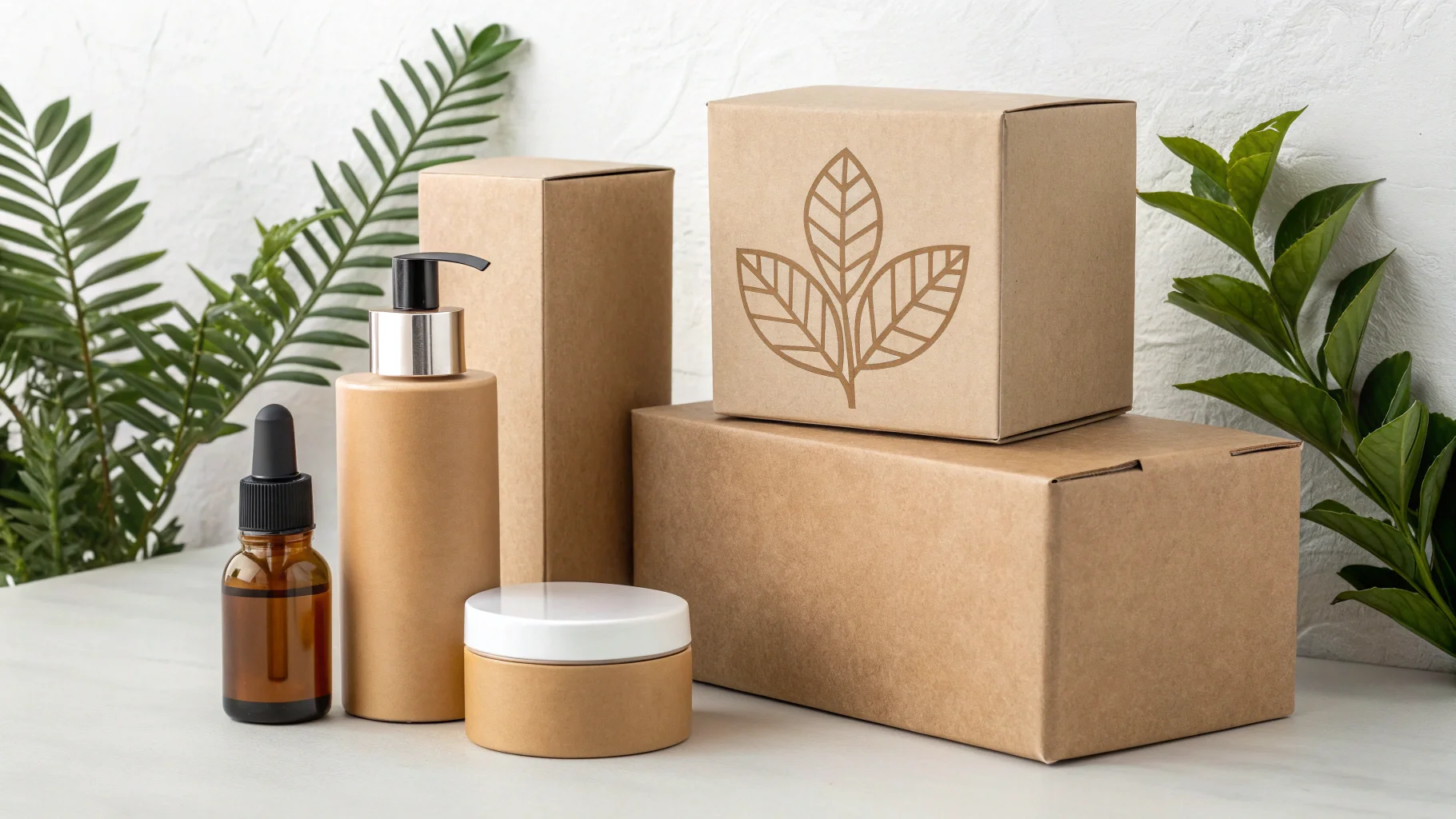
I've seen it happen over and over. A few years ago, "eco-friendly" was a nice bonus. Now, it's a deal-breaker for many shoppers. Customers, especially younger ones, actively research brands to see if their values align. They look at your ingredients, your ethics, and yes, your packaging. By 2026, this will be even more intense. Your box is the first physical thing a customer touches. If it feels wasteful, that's their first impression of your entire brand. It's a powerful signal that you care about more than just profit. This isn't just about marketing; it's about building genuine trust. The market is also changing, and so are the rules. Governments are introducing new laws about packaging waste9. By switching now, you get ahead of the curve. You're not just reacting; you're leading.
What Are the Materials & Key Features of Eco-Friendly Cosmetic Boxes?
Choosing a material seems simple, but it's not. Pick the wrong one, and your "eco" box isn't green at all. Let's look at the real options and their features.
Key materials include recycled cardboard, Kraft paper10, mushroom packaging11, and plantable seed paper12. Features to look for are recyclability13, compostability, and minimal design. The best choices use non-toxic inks and avoid plastic laminates, ensuring the packaging is truly sustainable from start to finish.
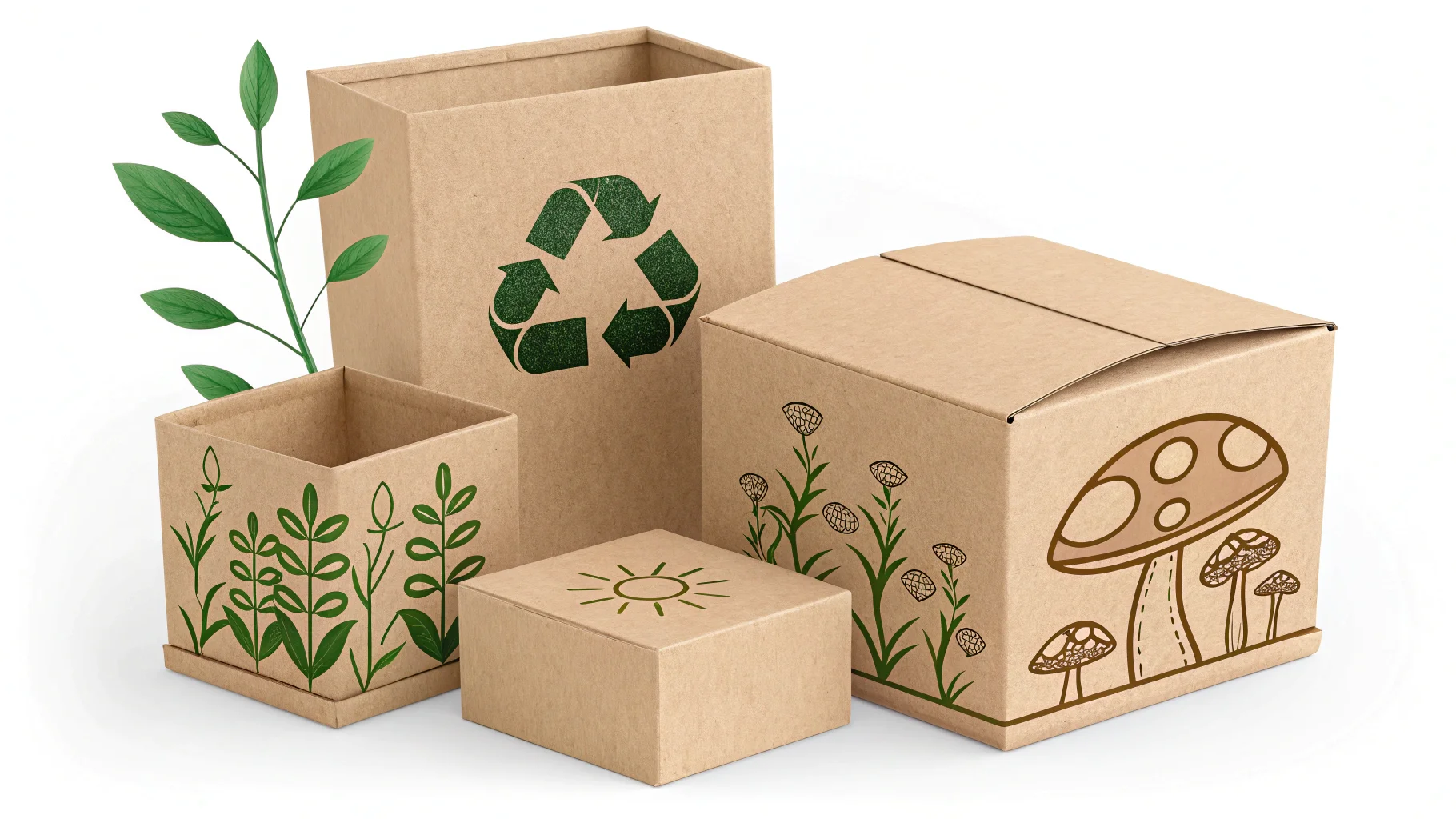
I tell my clients that the material is the heart of the package. It determines everything: the look, the feel, the cost, and the environmental impact. It's easy to get lost in the options, so let's break down the most common ones I work with. Each has its own strengths. The key is to match the material to your product's needs and your brand's story. For example, a rustic, earthy brand might love Kraft paper10, while a luxury brand might prefer a high-quality recycled board with a clean, premium finish. The choice of material communicates your brand's values before the customer even sees the product inside. It's a silent storyteller, so it's important to choose wisely based on what you want to say.
Comparing Your Options
| Material | Pros | Cons | Best For |
|---|---|---|---|
| Recycled Cardboard | Widely available, cost-effective, durable. | Quality can vary, may not feel 'premium'. | Most product types, shipping boxes. |
| Kraft Paper | Natural look, strong, 100% biodegradable5. | Limited color options, can be rough. | Organic or natural brands. |
| Mushroom Packaging | Fully compostable6, lightweight, protective. | Higher cost, unique texture isn't for all. | High-end, innovative brands. |
| Seed Paper | Plantable, memorable, zero-waste. | Not very durable, expensive. | Small items, promotional packaging. |
How Do Eco-Friendly Cosmetic Boxes Compare to Traditional Packaging?
Is traditional packaging7 really that bad? The difference is huge, affecting your brand, budget, and the planet. Let's compare them side-by-side to see the clear winner.
Eco-friendly boxes use sustainable, renewable, or recycled materials. Traditional packaging often uses virgin plastics and materials that take centuries to break down. The key difference is the life cycle: eco-friendly options aim for reuse or a safe return to the earth, while traditional packaging7 creates long-term waste.

When I talk to brands, I ask them to think beyond the shelf. Where does your box come from, and where does it go? This is the fundamental difference. Traditional packaging follows a linear path: take, make, dispose. We take raw materials, make a box, and the customer throws it away. It ends up in a landfill or the ocean. Eco-friendly packaging aims for a circular path. The materials are either recycled from old products or come from renewable sources like trees or corn. After use, they can be turned back into new products or returned to the soil as compost. This simple shift in thinking has a massive impact on our planet's resources and health. It's about closing the loop instead of creating a dead end.
Direct Comparison
| Feature | Eco-Friendly Packaging | Traditional Packaging |
|---|---|---|
| Material Source | Recycled or renewable (trees, plants) | Often virgin materials (oil, new pulp) |
| Environmental Impact | Lower carbon footprint3, less pollution. | High carbon footprint3, pollutes land/water. |
| End-of-Life | Recyclable, compostable6, biodegradable5. | Landfill, takes hundreds of years to degrade. |
| Consumer Perception | Positive, seen as responsible. | Increasingly negative, seen as wasteful. |
What Are the Popular Types of Eco-Friendly Cosmetic Boxes?
You've chosen a material, but what style of box should you use? The design can impact cost, protection, and customer experience. Let's explore the most popular, sustainable options.
Popular types include tuck-end boxes, mailer boxes, and product sleeves made from recycled paper or cardboard. These designs are popular because they are versatile, cost-effective to produce, and minimize material waste. They provide good protection while still looking sleek and modern for beauty products.
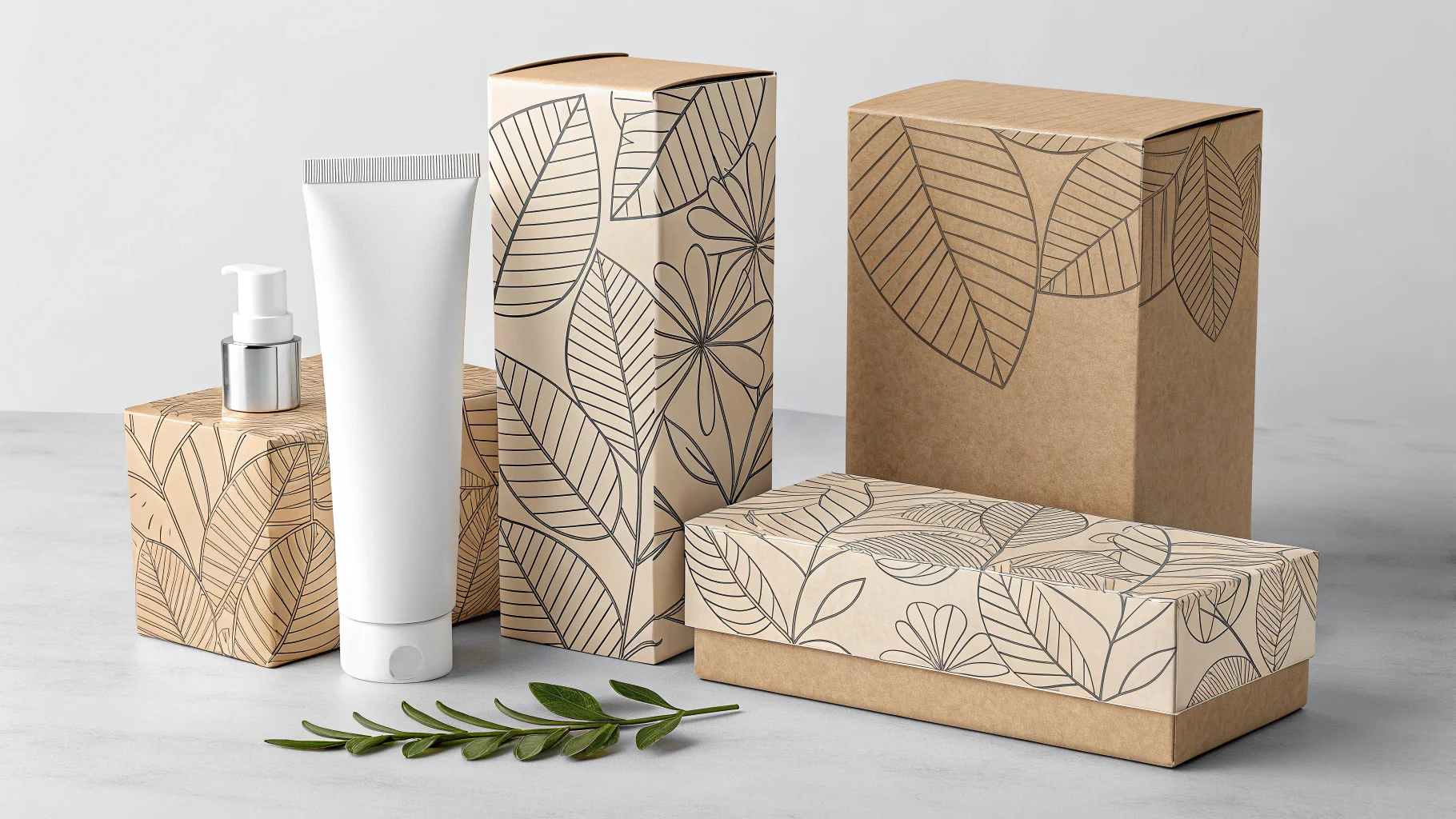
The style of your box is just as important as the material. You need something that protects your product, looks great on a shelf, and is easy for your customers to open. I've helped brands navigate these choices many times. The best choice always depends on the product itself. A delicate glass bottle needs more protection than a lipstick tube. The goal is to use the least amount of material necessary to do the job well. Over-packaging is one of the biggest mistakes I see, even with eco-friendly materials14. Simplicity is often the most sustainable and elegant solution. It shows confidence in your product and respect for your customer's desire to reduce waste.
Common Box Styles
- Tuck-End Boxes: These are the classic boxes you see for many cosmetics. They are easy to assemble and store flat, which saves on shipping costs and emissions. They work great for items like serums, creams, and foundations.
- Mailer Boxes: If you sell online, these are essential. They are made from sturdier corrugated cardboard to protect products during shipping. A well-designed mailer can create an amazing unboxing experience15 without extra filler.
- Product Sleeves: For products that are already in a sturdy container, like a jar or tube, a simple paper sleeve can be enough. It uses very little material but still provides space for branding and information.
How Do You Choose the Right Eco-Friendly Cosmetic Box?
Picking a box feels overwhelming with so many options. A wrong choice can be costly and damage your products. Here's a simple framework to help you choose perfectly.
To choose the right box, first consider your product's needs for protection and size. Then, align the material with your brand's values and budget. Finally, think about your customer's unboxing experience15 and the packaging's end-of-life. Test options before committing to a large order.
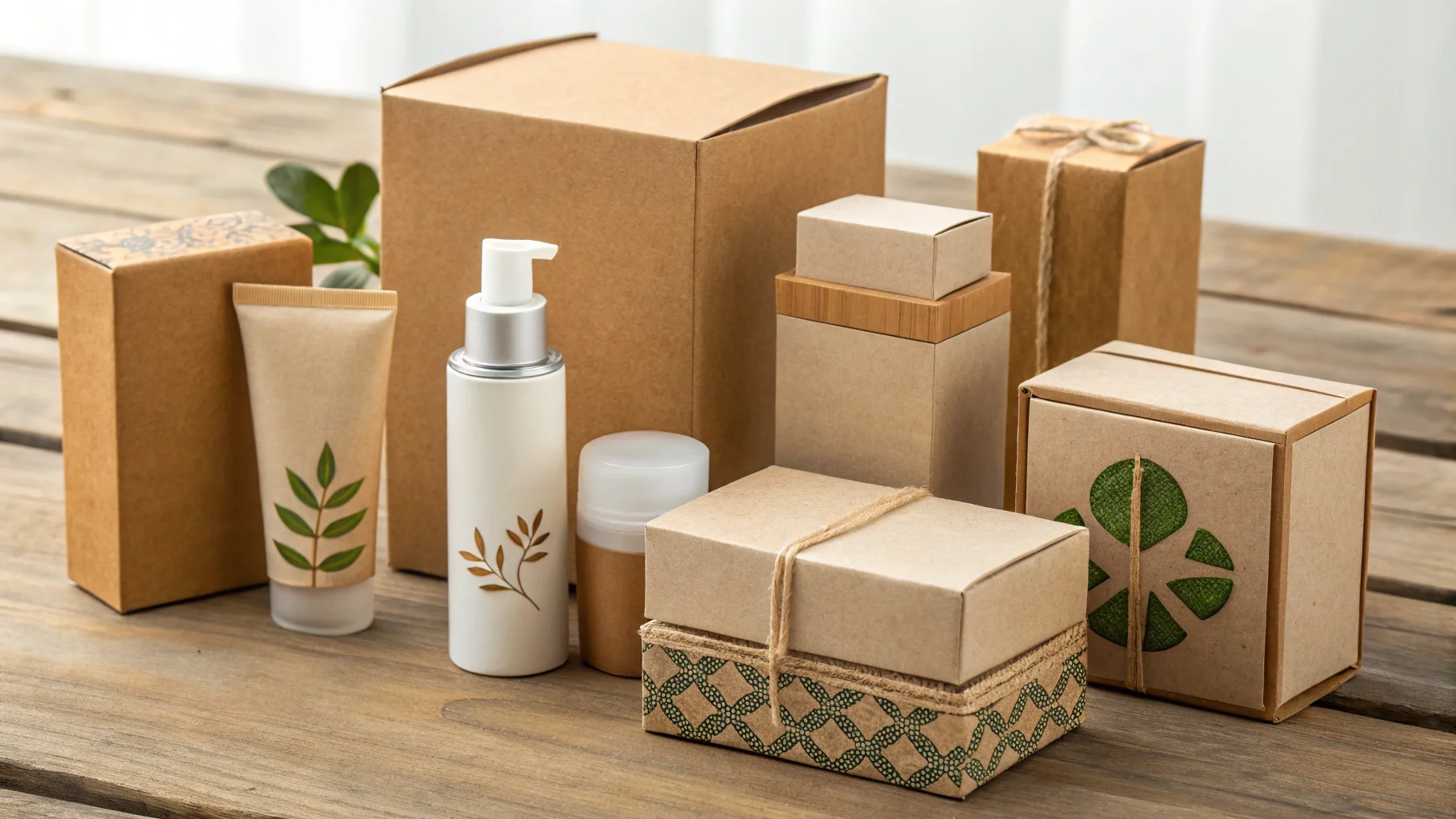
This is where I see most brands get stuck. From my experience, the biggest challenge is not choosing an eco-friendly material, but choosing the right one that balances branding, durability, and cost. You have to find the sweet spot. A beautiful, compostable6 box is useless if it falls apart in transit. A super-strong box is no good if it blows your budget. I always advise clients to start with their non-negotiables and then test, test, test. Get samples. Ship them to yourself. See how they hold up in the real world. Many brands start with ambitious sustainability goals but adjust their packaging after this kind of real-world testing. It's a crucial step that saves a lot of headaches and money later on.
A Step-by-Step Checklist
- Analyze Your Product: Is it heavy? Fragile? What shape is it?
- Define Your Brand: Is your brand luxury, rustic, minimalist? The packaging should match.
- Set Your Budget: How much can you realistically spend per unit?
- Consider Your Customer: How will they dispose of the packaging? Make it easy for them.
- Test and Revise: Order samples and do real-world tests before making a final decision.
What Are the Common Myths & Challenges of Eco-Friendly Cosmetic Boxes?
You think eco-friendly means weak, ugly, and expensive. These myths stop brands from making the switch. Let's bust these myths and face the real challenges head-on.
A common myth is that eco-friendly boxes are always more expensive and less durable. In reality, many options are cost-competitive and strong. The real challenges are navigating material choices, avoiding "greenwashing16," and ensuring the packaging is truly functional for your specific product.
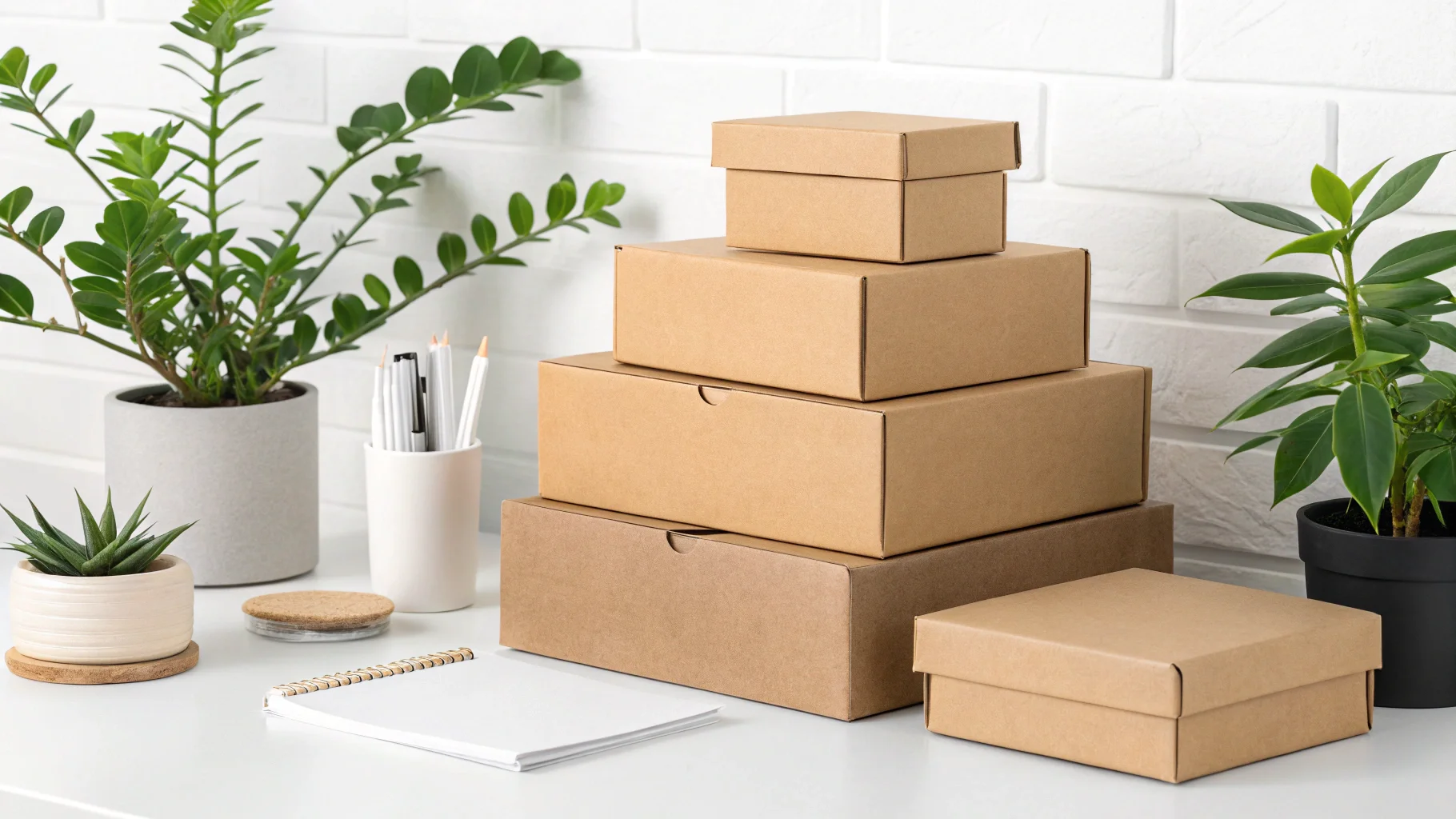
I've heard all the excuses. "It's too expensive." "It won't look premium." "My customers don't care." Most of the time, these are based on outdated ideas. The sustainable packaging4 industry has grown so much in the past few years. The quality is better, the prices are more competitive, and the design options are incredible. The biggest myth is that you have to sacrifice quality for sustainability. That's just not true anymore. You can have a box that is beautiful, protective, and good for the planet. The real challenge isn't a lack of options; it's cutting through the noise and finding a partner who can guide you to the right solution for your unique product and brand.
Common Myths Debunked
| Myth | Reality |
|---|---|
| It's Always Expensive. | Many recycled materials are now cost-competitive with virgin materials. Simple designs can also reduce costs. |
| It Looks Cheap. | Modern eco-materials can be customized with high-quality printing and finishes to create a luxury feel. |
| It's Not Durable. | Materials like corrugated cardboard and molded pulp offer excellent protection, often better than flimsy plastic. |
| It's a Passing Trend. | Consumer demand and government regulations show sustainability is a permanent shift in the market. |
What Certifications & Compliance Should You Know?
You want to claim your packaging is "green." But without proof, you could be accused of greenwashing16. Let's cover the key certifications that give your claims real credibility.
Look for certifications like FSC (Forest Stewardship Council) for paper from responsible sources, and BPI for compostable6 materials. These third-party verifications prove your packaging meets specific environmental standards, building trust with customers and retailers who value genuine sustainability efforts.
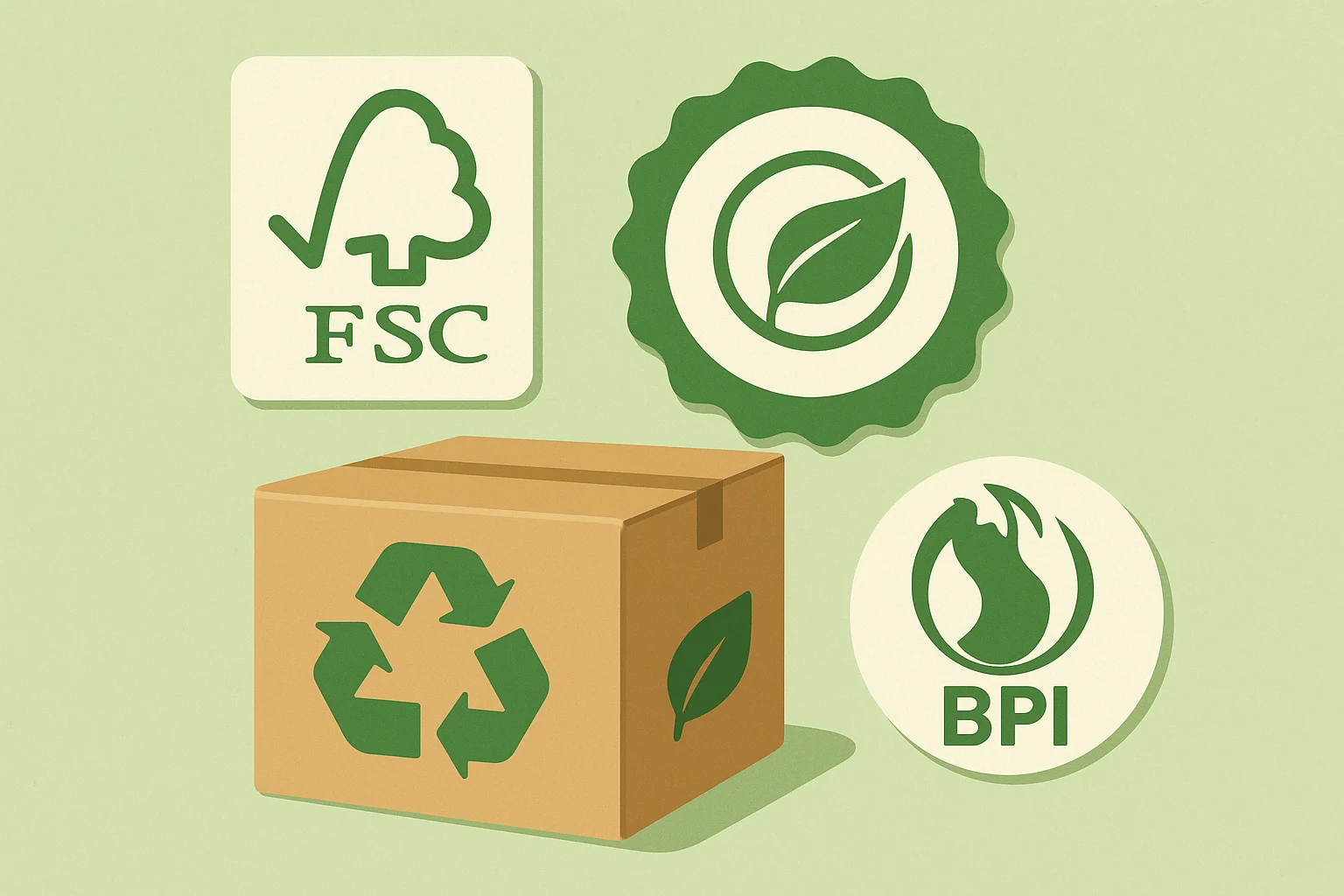
In a world full of vague claims like "eco-friendly" and "natural," certifications are your proof. They are like a stamp of approval from a trusted third party. They show your customers that you've done the work and that your claims are real. I always push my clients to work with suppliers who can provide these certifications. It protects your brand from accusations of "greenwashing," which is when a company makes misleading claims about its environmental benefits. Trust is everything in the beauty industry. Certifications are a simple way to build and maintain that trust. They make it easy for customers to choose your brand with confidence because they know you're not just talking the talk.
Key Logos to Look For
- FSC (Forest Stewardship Council): This ensures that the paper or wood in your packaging comes from a forest that is managed responsibly.
- SFI (Sustainable Forestry Initiative): Another certification for sustainable forest management, common in North America.
- Recycled Symbol: This indicates that a product is made from recycled materials. The percentage of recycled content is often included.
- BPI Certified Compostable: This mark means your packaging has been certified to break down in an industrial composting facility.
What Are the Future Trends & How Can Brands Transition?
The world of sustainable packaging is always changing. What's innovative today will be standard tomorrow. Let's look at the future and how your brand can start transitioning now.
Future trends include "refillable" packaging models, water-soluble materials, and smart packaging with QR codes for disposal instructions. Brands can transition by starting small, like switching to recycled mailers, and creating a long-term sustainability roadmap to gradually improve their packaging over time.
Looking ahead to 2026 and beyond, eco-friendly cosmetic boxes will no longer be a differentiator, but a baseline requirement. It won't be something you brag about, because everyone will be doing it. The brands that will win are the ones that start optimizing now. They are the ones testing new materials, exploring refill models, and thinking about the entire product lifecycle. Waiting until it's a requirement means you'll be rushing and likely making expensive mistakes. Brands that start optimizing their packaging now will be better positioned to adapt to future regulations and market expectations. This proactive approach will put you far ahead of the competition.
Practical Steps to Start Your Transition
- Audit Your Current Packaging: What are you using now? Where are the biggest opportunities for improvement?
- Start with One Product: Don't try to change everything at once. Pick one product line and find a sustainable packaging solution for it.
- Talk to Your Suppliers: Ask them about their sustainable options, materials, and certifications.
- Educate Your Customers: Tell them about your new packaging and how to dispose of it correctly. This turns a simple box into a brand story.
Conclusion
Building a sustainable brand is a journey. Choosing the right eco-friendly box is a critical step that strengthens your brand, connects with customers, and prepares you for the future.
Explore how eco-friendly cosmetic boxes can enhance your brand's sustainability and appeal to conscious consumers. ↩
Learn about sustainable materials that can help reduce your brand's environmental impact. ↩
Discover strategies to minimize your carbon footprint through eco-friendly packaging choices. ↩
Stay ahead of the curve by exploring the latest trends in sustainable packaging. ↩
Understand the importance of biodegradable packaging and how it benefits the environment. ↩
Find out why compostable packaging is crucial for sustainable practices and waste reduction. ↩
Understand the environmental impact of traditional packaging compared to eco-friendly options. ↩
Stay informed about upcoming regulations that could impact your packaging choices. ↩
Explore effective strategies to minimize packaging waste and enhance sustainability. ↩
Learn why Kraft paper is a popular choice for eco-friendly packaging solutions. ↩
Discover the innovative use of mushroom packaging as a sustainable alternative. ↩
Explore the unique benefits of plantable seed paper for eco-friendly packaging. ↩
Explore the significance of recyclability in packaging and its effects on sustainability. ↩
Discover the top eco-friendly materials that can elevate your cosmetic packaging. ↩
Learn how thoughtful packaging design can enhance the customer unboxing experience. ↩
Find out how to identify and avoid greenwashing in your packaging claims. ↩