Your product is amazing, but it's hidden inside a plain box. Customers walk past, never knowing what’s inside. A custom window gift box1 can showcase your product and grab attention.
The best custom window gift box1es balance visibility, structural integrity, and cost. They succeed when the window design and production process are planned together from the start, ensuring the window enhances the product’s appeal without compromising the packaging’s strength or manufacturability.
It seems simple to just cut a hole in a box, but getting a window box right involves much more than that. I've seen firsthand how a well-executed window can make a product fly off the shelves, and how a poorly planned one can cause a production nightmare. It's a powerful tool, but only if you know how to use it correctly. Let's break down what makes these boxes work and how you can use them to make your brand shine.
What Exactly Is a Custom Window Gift Box and Why Does It Work So Well?
You see window boxes everywhere, from the bakery to the electronics aisle. But you're not sure how they actually help a product sell. They create an immediate connection.
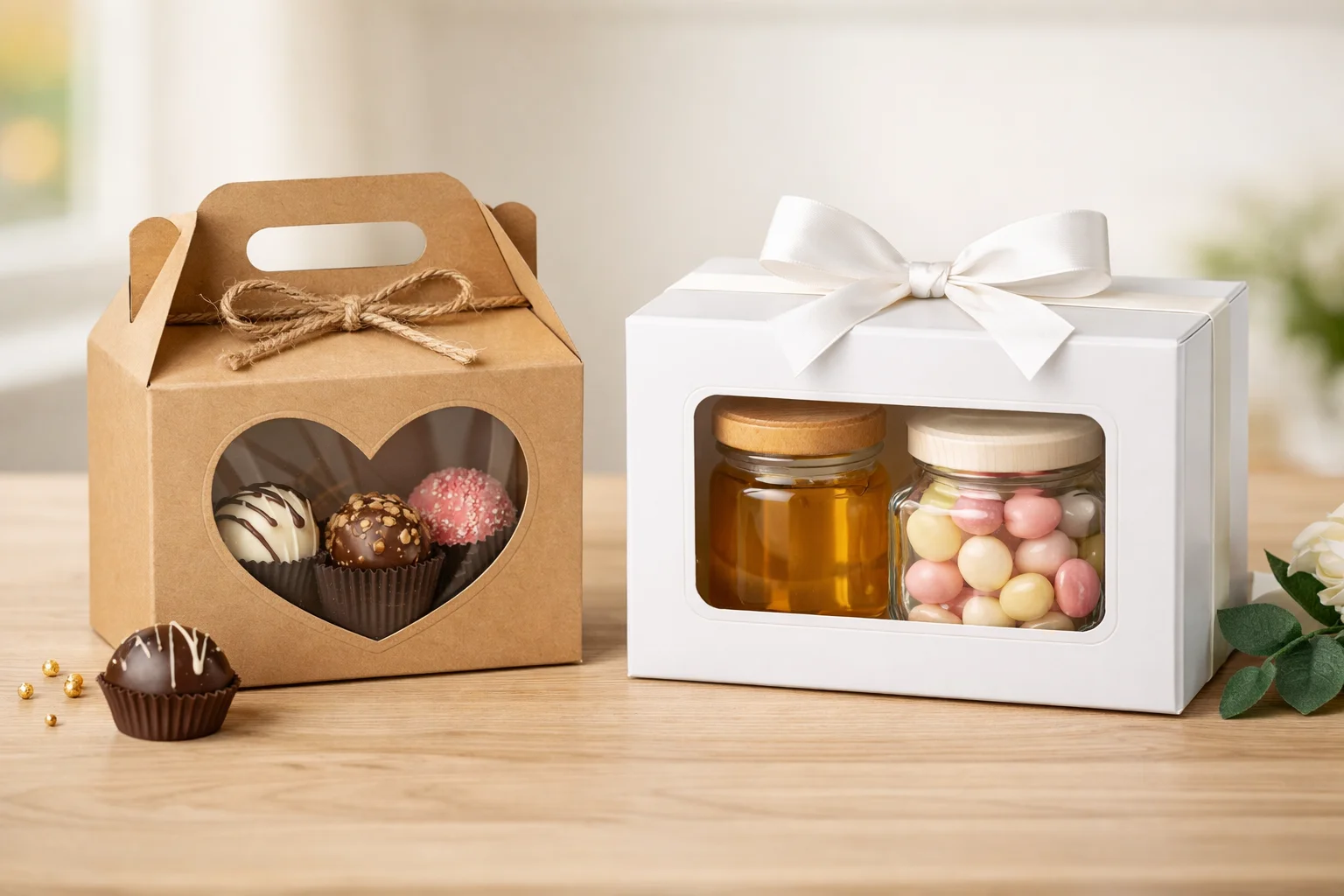
A custom window gift box1 is a type of packaging with a transparent film covering a cutout, showing the product inside. It works by building customer trust2 and letting the product's visual appeal speak for itself, reducing the customer's hesitation before a purchase.
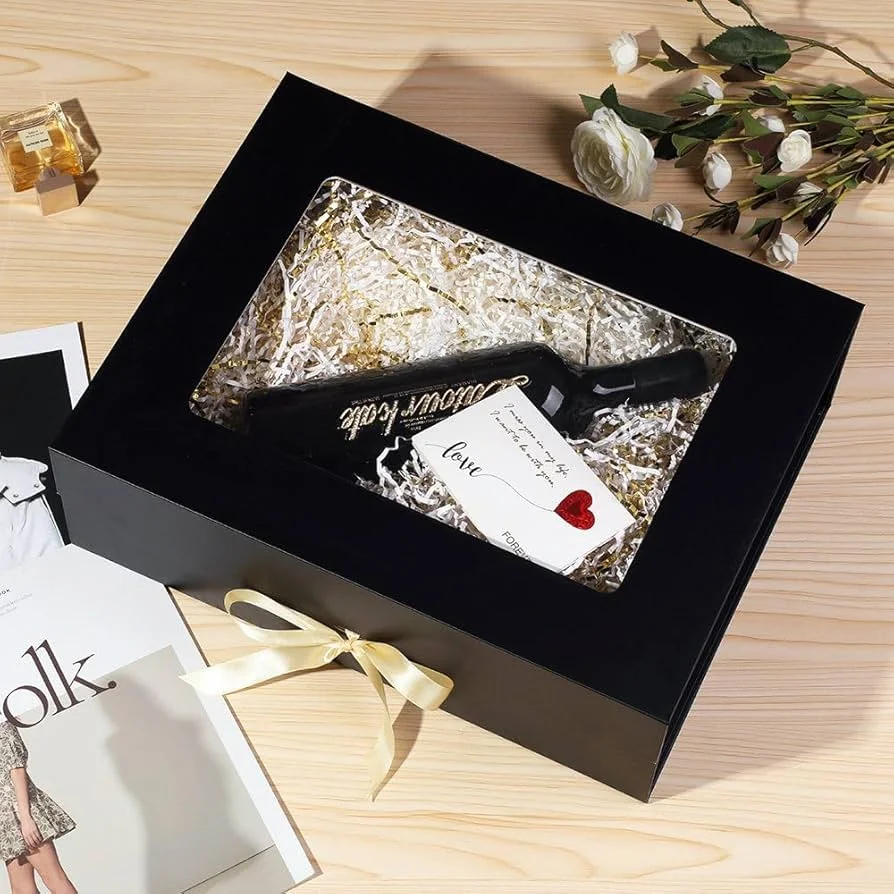
At its core, a window box is about transparency, both literally and figuratively. It consists of two main parts: the paperboard structure that protects the product and the clear window film3 that displays it. I remember working with a small candle company a few years back. Their initial packaging was a lovely printed box, but sales were flat. We redesigned it into a window box that showed the unique, rough texture of their hand-poured candles. Sales jumped almost immediately. Customers could see the quality without opening the box.
The Psychology of Seeing the Product
This works because it removes a layer of uncertainty for the buyer. In a world of filtered images and exaggerated claims, seeing the actual product feels honest. It allows the color, shape, and quality to do the selling for you. This builds instant confidence and can make a product feel more valuable.
| Feature | Standard Box | Window Box |
|---|---|---|
| Product Visibility | None | High |
| Customer Trust | Relies on branding and text | Built instantly through sight |
| Unboxing Experience | Element of surprise | Element of confirmation |
| Perceived Value | Can be lower or ambiguous | Often higher |
Why Do So Many Brands Choose Window Gift Boxes?
You want your packaging to stand out on a crowded shelf. But the competition is fierce and your budget is tight. Window boxes offer a high-impact look4 without a massive cost.
Brands choose window gift boxes to showcase product quality, differentiate themselves in retail environments5, and create a premium, gift-like experience. It is a strategic tool6 to let the product sell itself visually, turning the packaging into a display case.
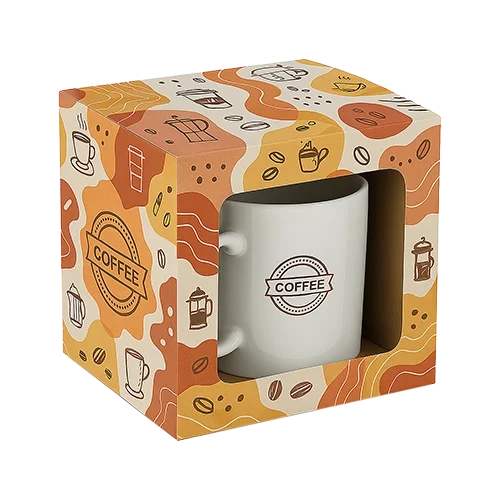
The decision to use a window box is almost always a strategic one. It's not just about aesthetics; it's about leveraging your product's best visual assets7. A gourmet chocolate brand I consulted for was struggling to compete. Their box was beautiful, but so were their competitors'. We added a small, elegant window that revealed the intricate, hand-decorated truffles inside. It immediately set them apart. That small glimpse of craftsmanship8 communicated more than any text on the box ever could.
Key Drivers for Choosing Window Packaging
This strategy works for several reasons that I've seen play out time and time again.
- Enhanced Product Appeal: If your product has great color, texture, or a unique design, a window is your best salesperson. It allows those features to attract a customer's eye from across the aisle.
- Building Instant Trust: In a retail setting, customers have seconds to make a decision. A window box says, "We have nothing to hide. What you see is exactly what you get." This honesty builds confidence and speeds up the path to purchase.
- Creating Differentiation: On a shelf packed with solid-colored boxes, a window provides a point of visual interest. It breaks the monotony and draws the eye directly to your product, not just your packaging.
When Do Window Gift Boxes Make the Most Sense for a Product?
A window box sounds like a great idea for your brand. But you wonder if it will actually work for your specific product and sales environment. Certain products and situations are a perfect fit.
Window gift boxes are most effective for visually appealing products sold in physical retail stores. Think food, cosmetics, toys, or gift sets. In these scenarios, the window acts as a primary sales tool, allowing the product to capture a shopper's attention directly.
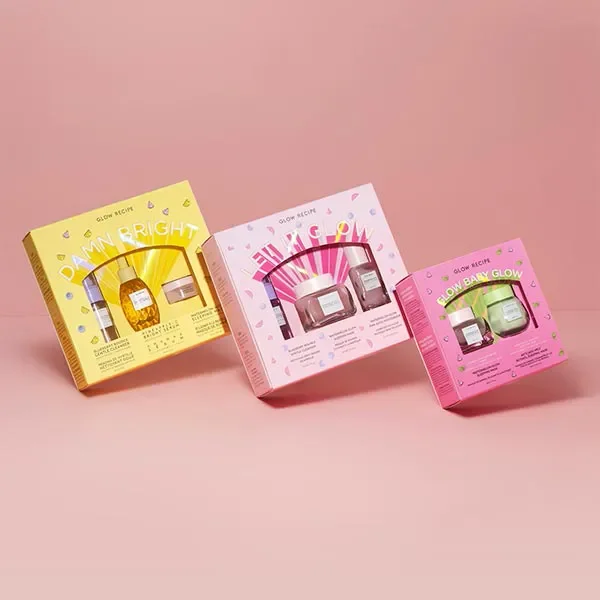
The context where your product is sold is just as important as the product itself. I always ask my clients, "Where will the customer first see this box?" If the answer is "on a store shelf," a window is a powerful asset. If the answer is "on a website," its role changes. For e-commerce, the product photos on the listing do the heavy lifting of showing the product. However, a window box can still create a fantastic unboxing experience9, confirming the customer's choice and making the product feel special when it arrives.
The Ideal Scenarios for Window Boxes
The decision should be based on your product and your sales channel10. A window is not a universal solution, but it is unbeatable in the right circumstances. It's about playing to your strengths.
| Sales Channel | Role of the Window Box |
|---|---|
| Physical Retail | A primary sales tool to grab attention and show quality. |
| E-commerce | Enhances the unboxing experience9 and reinforces brand quality. |
| Subscription Box | Creates a "wow" factor upon opening and showcases a curated item. |
| Gift Baskets | Shows the collection of items and increases the perceived value11. |
What Are the Most Popular Uses for Window Gift Boxes?
You need some inspiration for your own packaging design12. But you're only thinking about your own industry. Let's look at how other industries use window boxes to great success.
The most popular uses are in the food and bakery, cosmetics, toy, and consumer electronics13 industries. Each sector uses the window strategically to highlight specific features—from the freshness of a cupcake to the sleek design of a tech gadget.
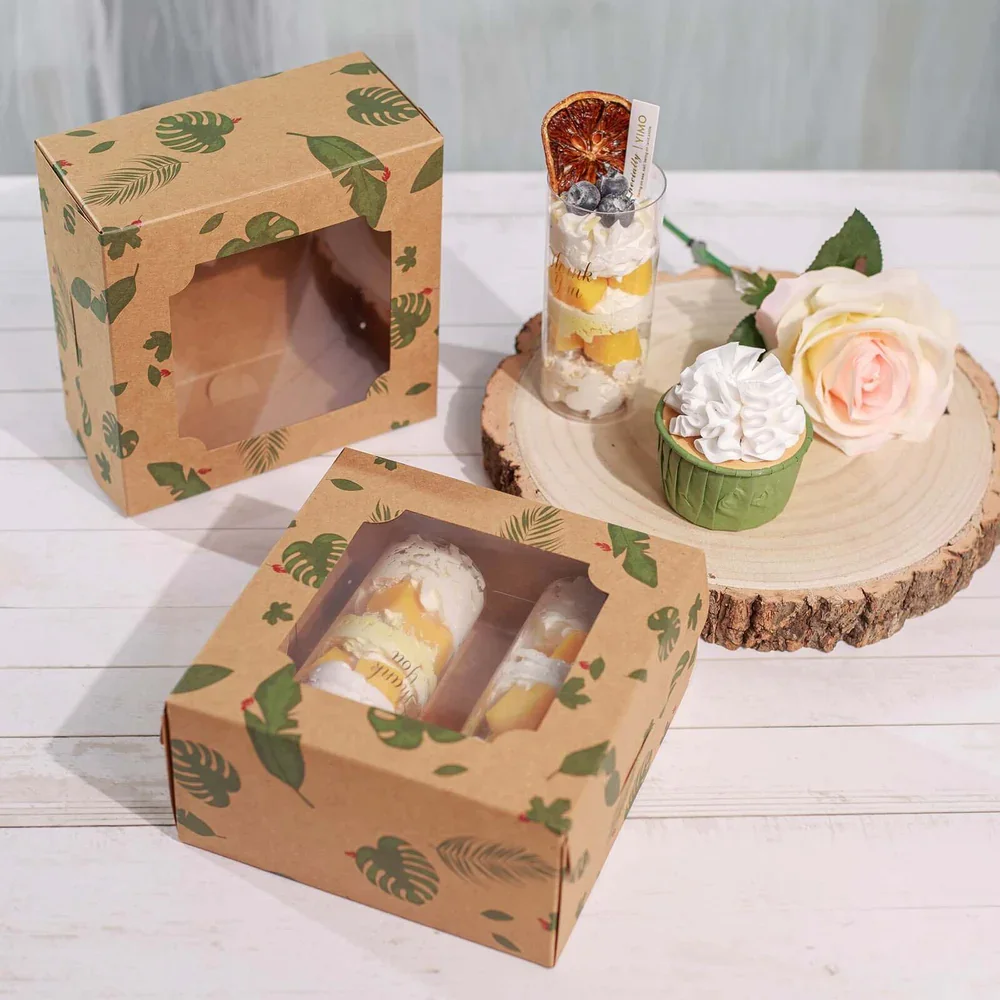
Seeing how other industries tackle this can be incredibly insightful. You start to see patterns. Food brands use windows to convey freshness. Toy companies use them to show off the cool factor. I once worked on a project for a high-end USB-C hub. It's not an exciting product on its own. We designed a box with a very small, precise window that showed just the polished aluminum finish and the port layout. It communicated precision and quality before the box was even opened, borrowing a technique you might see with a luxury watch.
Industry-Specific Applications
Let's look at some concrete examples across different fields.
- Food & Bakery: This is the most common use. Windows on boxes for cupcakes, donuts, macarons, and cookies showcase the decoration and imply freshness.
- Cosmetics & Beauty: Eyeshadow palettes, lipstick sets, and skincare kits use windows to display the shades and textures, which are critical buying factors.
- Toys & Games: A window reveals the main action figure, doll, or key game components, creating excitement and showing the child exactly what they'll get.
- Electronics: For accessories like a mouse, headphones, or cables, a window shows off the sleek design, color, and finish of the product.
- Apparel & Accessories: Boxes for ties, socks, or baby clothes often have a small window to let the customer see and feel the fabric's texture and color.
Which Materials and Finishes Matter Most for Window Boxes?
You've decided that a window box is the way to go. But choosing the wrong materials can make it look cheap or, even worse, fall apart. Focusing on a few key material choices14 ensures quality.
The box material, like SBS paperboard or rigid board, provides structure, while the window film3, typically PET, offers clarity and scratch resistance. Finishes like matte or gloss lamination protect the box from fingerprints and scuffs, elevating the entire presentation.
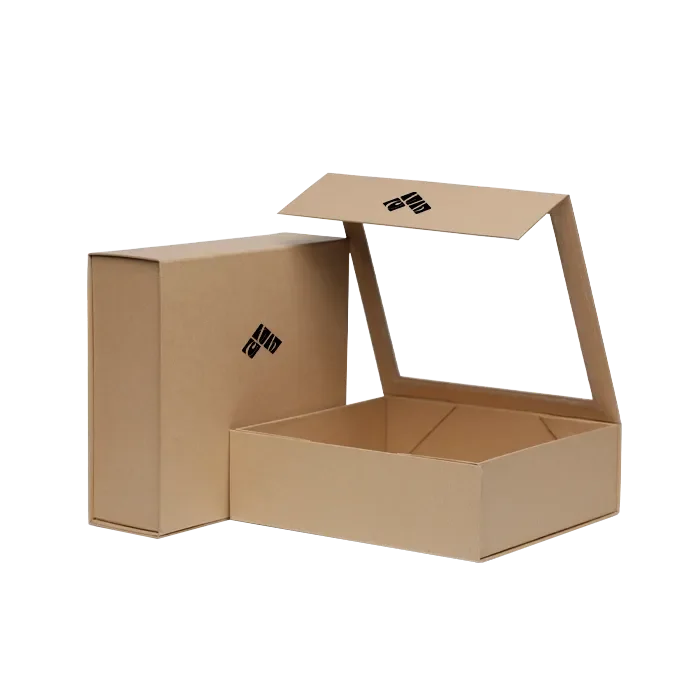
This is where the technical details really matter. I always tell clients, "Your box is a handshake with your customer. Don't make it a flimsy one." The choice of paperboard determines how sturdy the box feels. The window film3 is equally critical. A scratched, cloudy, or dusty window is worse than no window at all. That's why I almost always recommend PET over PVC; it's clearer, more scratch-resistant, and holds up better over time, even if it costs a fraction more.
Breaking Down Material Choices
Getting these three components right is essential for a successful window box. Each one plays a distinct role in the final product's look, feel, and performance.
| Component | Common Material Options | Key Consideration |
|---|---|---|
| Box Structure | C1S/C2S Paperboard, Kraft Paper, Rigid Board | Strength, printability, and premium feel15. |
| Window Film | PET, PVC, PLA (eco-friendly) | Clarity, scratch resistance, and cost. |
| Finishes | Matte/Gloss Lamination, Spot UV, Embossing | Durability, tactile feel, and brand perception. |
Think of these choices as an investment in your brand's image. A sturdy box with a crystal-clear window and a soft-touch matte finish feels premium and justifies a higher price point.
How Do Window Size and Design Affect Real-World Production?
You have a bold design in mind with a large, beautiful window. But your manufacturer is telling you it’s risky and expensive. Why? Understanding production limits16 helps you design smarter from the start.
From a manufacturing perspective, oversized windows weaken the box structure and can cause problems with gluing and automated assembly. The best designs integrate the window thoughtfully, keeping it a safe distance from all edges and folds to ensure stability and production efficiency.
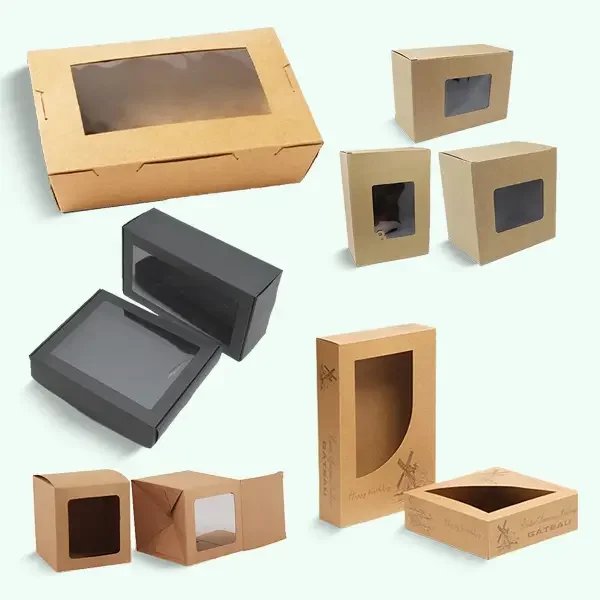
This is the single biggest issue I see. A designer creates a beautiful concept, but it's not manufacturable. A story I share often is about a client who wanted a window that covered 90% of the box face for a bath bomb set. During the first production run, the boxes kept collapsing during shipping because the frame was too thin. We had to go back and reduce the window size by 20%, which added cost and delayed the launch. Plan for structure first, then design.
Production-Friendly Window Design
My best advice is to talk to your manufacturer before you finalize your design. A small tweak early on can save you a massive headache later. Here are the rules I live by.
| Do | Don't |
|---|---|
| Integrate the window into the graphic design. | Make the window too large for the box face. |
| Keep at least a 1/2-inch (12mm) border from all edges and fold lines. | Use overly complex or sharp-angled window shapes. |
| Discuss the design with your manufacturer early. | Add or change the window as a last-minute request. |
| Consider how the box will be assembled (by machine or hand). | Assume a large window won't affect structural integrity. |
Are There Times You Should Actually Avoid Window Gift Boxes?
You're completely sold on the idea of window boxes. But they aren't a magic bullet for every single product. Knowing when not to use them is just as important as knowing when to use them.
Yes, you should avoid window boxes for light-sensitive products17, items that can be easily damaged or stolen through the window, or when the product itself is not visually appealing. A solid, well-designed box is a much better choice in these specific cases.
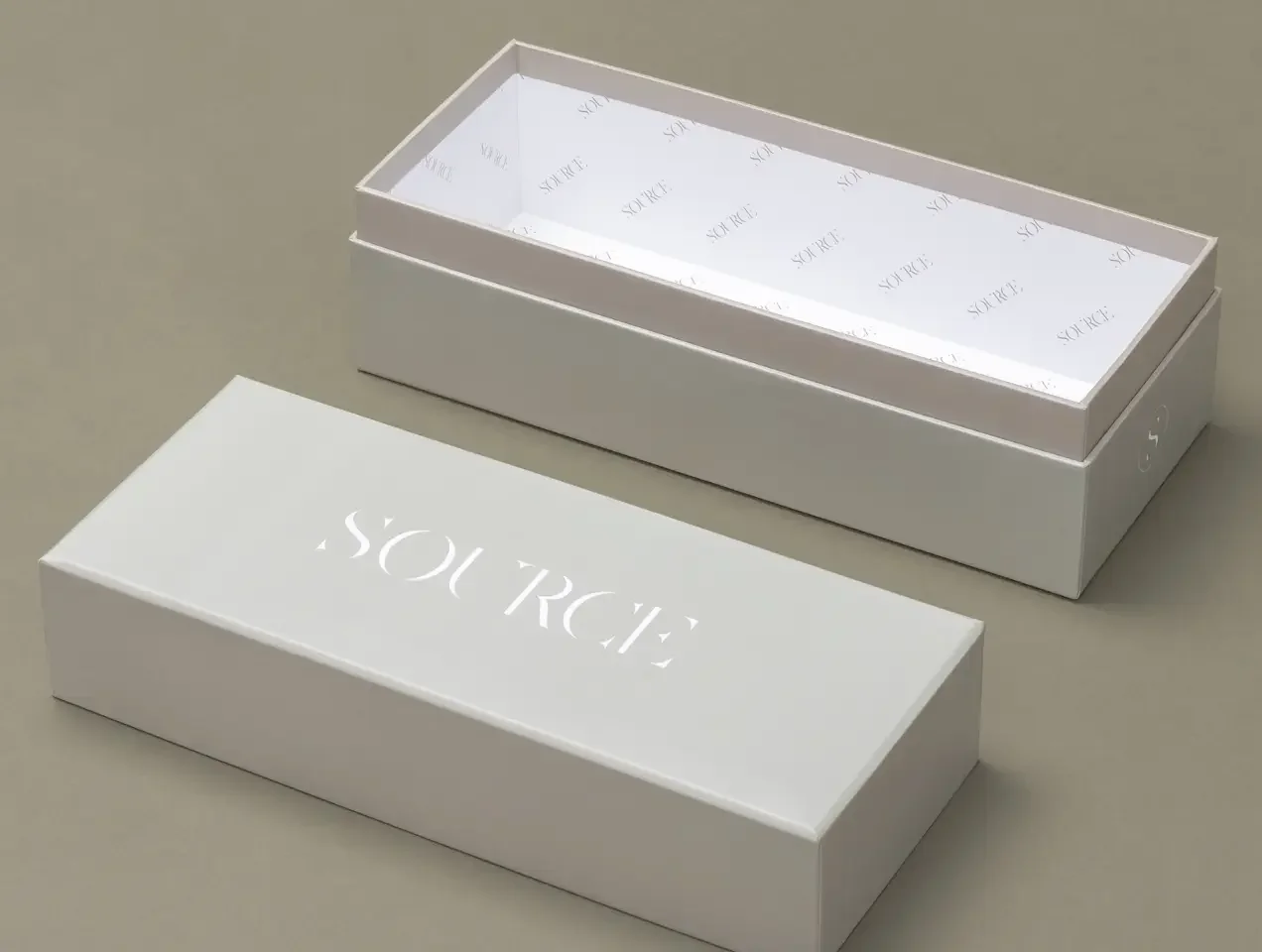
Sometimes, the best choice is no window at all. I once advised a brand selling expensive, organic essential oils to stick with a solid box. The constant UV exposure from retail lighting could have compromised the oil's quality over time. In that case, protecting the product was far more important than showing it off. We focused on creating a beautiful, protective rigid box with high-quality printing and an insert that explained the product's benefits. It was the right call.
Red Flags for Window Packaging
Here are a few scenarios where a window box can do more harm than good.
- Light-Sensitive Products: Many natural oils, foods, and cosmetics can degrade with prolonged exposure to light. A solid box provides necessary UV protection.
- High-Theft-Risk Items: Small, valuable items like jewelry or small electronics can be a target for theft if they are visible and the window can be punctured.
- Products Requiring an Element of Surprise: For products like advent calendars, mystery toys, or subscription box items, the reveal is part of the experience. A window would spoil it.
- Unattractive or Messy Products: If the product doesn't look neat and tidy on its own (like a bag of loose components or a less-than-perfect handmade item), a window will only highlight its flaws.
How Sustainable Can a Window Gift Box Realistically Be?
You want to make your packaging as eco-friendly as possible. But the plastic window feels like a major contradiction. There are sustainable options18, but you need to know what’s practical.
To make a window box more sustainable, you can use recycled paperboard and a PLA (plant-based, compostable) window film3. The main challenge, however, is that mixed materials (paper and plastic) complicate recycling for the end consumer, as most facilities cannot separate them.
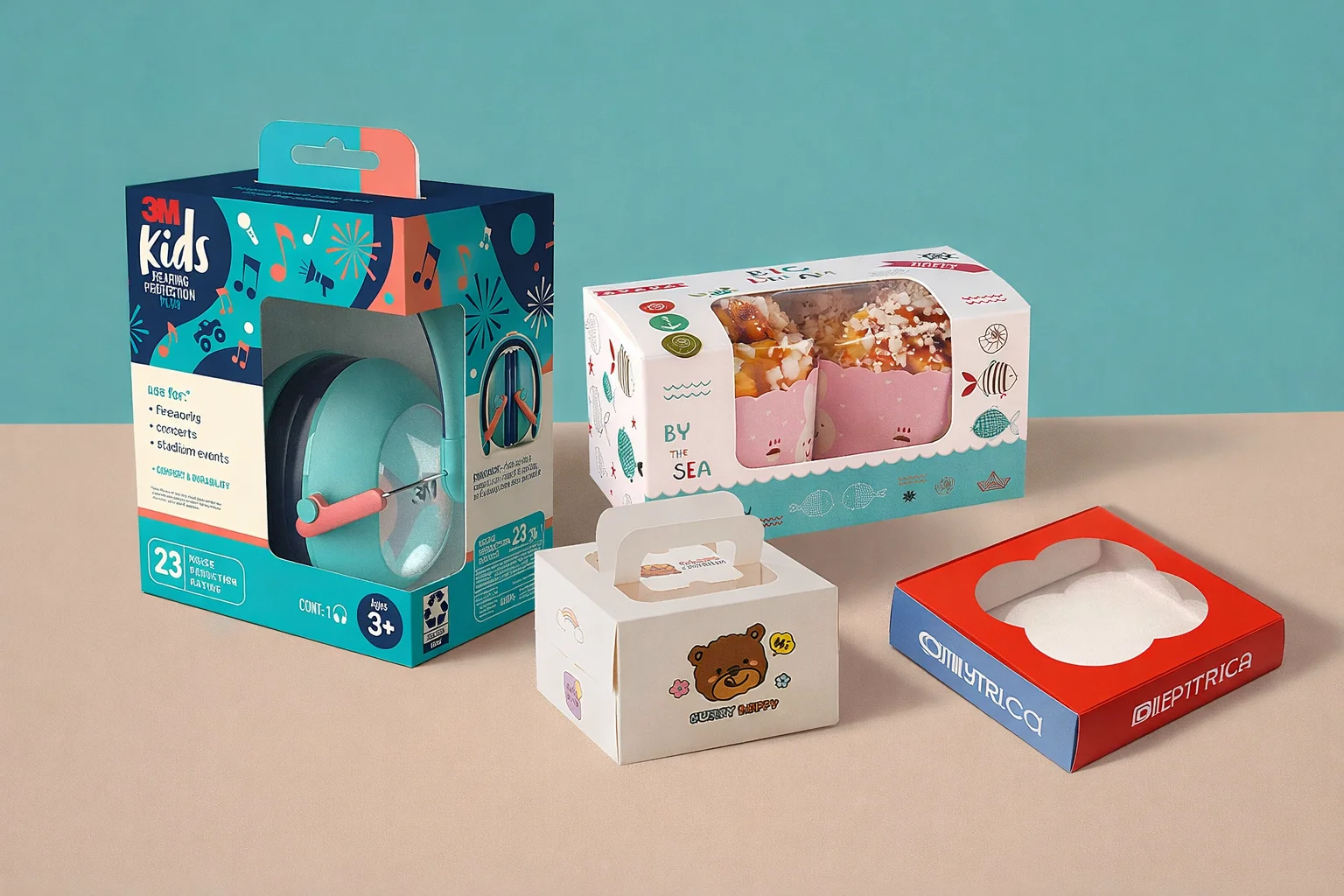
This is a tough conversation I have with clients all the time. Everyone wants to be "100% recyclable," but with a window box, it's complicated. The reality is that the paperboard part is recyclable, and the window part might be, but not when they are glued together. The end-user would have to separate them perfectly, and most people don't. The most honest approach is to focus on using materials from responsible sources.
Using "green" materials is a great step, but it's important to be transparent about the limitations.
| Material | Pros | Cons |
|---|---|---|
| Recycled Paperboard | Reduces use of virgin trees, supports circular economy. | Can have slight color/texture variations, may not be as bright white. |
| PLA Window Film | Made from plant resources, commercially compostable. | More expensive, less heat resistant, and clearer than PET. Not recyclable. |
| No Window Film (Open Window) | Most eco-friendly, no plastic. | Product is exposed to dust and touch, offers no protection. |
I always advise clients to be clear in their messaging. You can say "Box made from 80% recycled content" but claiming the entire package is "easily recyclable" can be misleading. Honesty about sustainability efforts is often better received by customers than exaggerated green claims.
Conclusion
Custom window gift boxes are a powerful sales tool when you balance design, function, and production. Plan ahead with your manufacturer to make them work hard for your brand.
Explore how custom window gift boxes can enhance product visibility and customer engagement. ↩
Discover effective strategies to enhance customer trust through packaging design. ↩
Discover the best types of window film for clarity and durability in packaging. ↩
Get inspired by innovative packaging designs that make a strong visual impact. ↩
Discover best practices for designing packaging that stands out in retail. ↩
Learn how brands leverage packaging as a strategic tool for marketing. ↩
Explore the role of visual assets in enhancing product appeal and sales. ↩
Learn how showcasing craftsmanship in packaging can attract customers. ↩
Find out how to create memorable unboxing experiences that delight customers. ↩
Discover which sales channels benefit most from window gift box packaging. ↩
Understand how packaging design influences the perceived value of products. ↩
Learn about the essential elements that make packaging design effective. ↩
Find out how window boxes enhance the appeal of consumer electronics. ↩
Find out which materials ensure quality and durability in window gift boxes. ↩
Understand the factors that contribute to a premium feel in product packaging. ↩
Understand the manufacturing constraints that affect window box designs. ↩
Learn which products are better suited for solid packaging instead of window boxes. ↩
Explore eco-friendly alternatives for creating sustainable window gift boxes. ↩