Struggling to find eco-friendly packaging? You want to be sustainable, but the options are confusing. I'll show you how to make a choice that actually helps the planet.
Choosing the right sustainable cosmetic packaging1 means looking at the entire lifecycle. Think about the material's source, production energy, and end-of-life. It's not just about being 'green'; it's about making a practical, measurable choice that fits your brand and reduces real-world impact.
Making the switch to sustainable packaging feels like a huge task. But it doesn't have to be. From my experience working in production, the most successful brands are the ones that are realistic. They understand it is a process. They balance their big environmental goals with the practical realities of making and selling a product. Let's break down how you can do the same.
What is sustainable cosmetic packaging1, really?
You see "sustainable" on labels everywhere. But what does it mean for your packaging? It can feel like a vague marketing term. I'll break down what makes packaging truly sustainable.
Sustainable cosmetic packaging is packaging that minimizes its environmental impact2. It often uses recycled or renewable materials, requires less energy to produce, and is easy for customers to recycle or compost. The goal is a circular system3, not a one-way trip to the landfill.
To really understand this, I like to think beyond the classic "Reduce, Reuse, Recycle." I add two more concepts to the list: Renew and Rethink. This gives a fuller picture of what we are trying to achieve from a production standpoint. It moves sustainability from a simple checklist to a core part of your operations.
The 5 R's of Sustainable Packaging
| Concept | What It Means | Factory Example |
|---|---|---|
| Reduce | Use less material overall. | Designing a lighter glass jar or removing the outer box for a serum. |
| Reuse | Create packaging that can be used again for the same purpose. | Offering a refill system where customers buy a new pod for their original jar. |
| Recycle | Use materials that can be reprocessed into new products. | Choosing a PET plastic bottle, which is widely recycled, over a complex mixed-material pump. |
| Renew | Use materials that come from renewable, fast-growing sources. | Sourcing paper from a certified, responsibly managed forest or using bamboo. |
| Rethink | Question the need for a certain packaging component altogether. | Switching from a liquid lotion in a bottle to a solid lotion bar in a simple paper wrap. |
True sustainability is about integrating these ideas into your business. It is not about finding one magic material. It is about making a series of smart, practical choices across your entire supply chain4.
What should you consider before choosing sustainable packaging?
You are ready to pick a sustainable material. But wait. Choosing too quickly can lead to costly mistakes and may not even be better for the environment. I'll guide you through the key factors you must check first.
Before choosing, consider four main things: how the material performs with your product, the reliability of your supply chain4, the total environmental cost5, and your brand's story. A practical choice you can consistently source is better than a trendy one that fails.
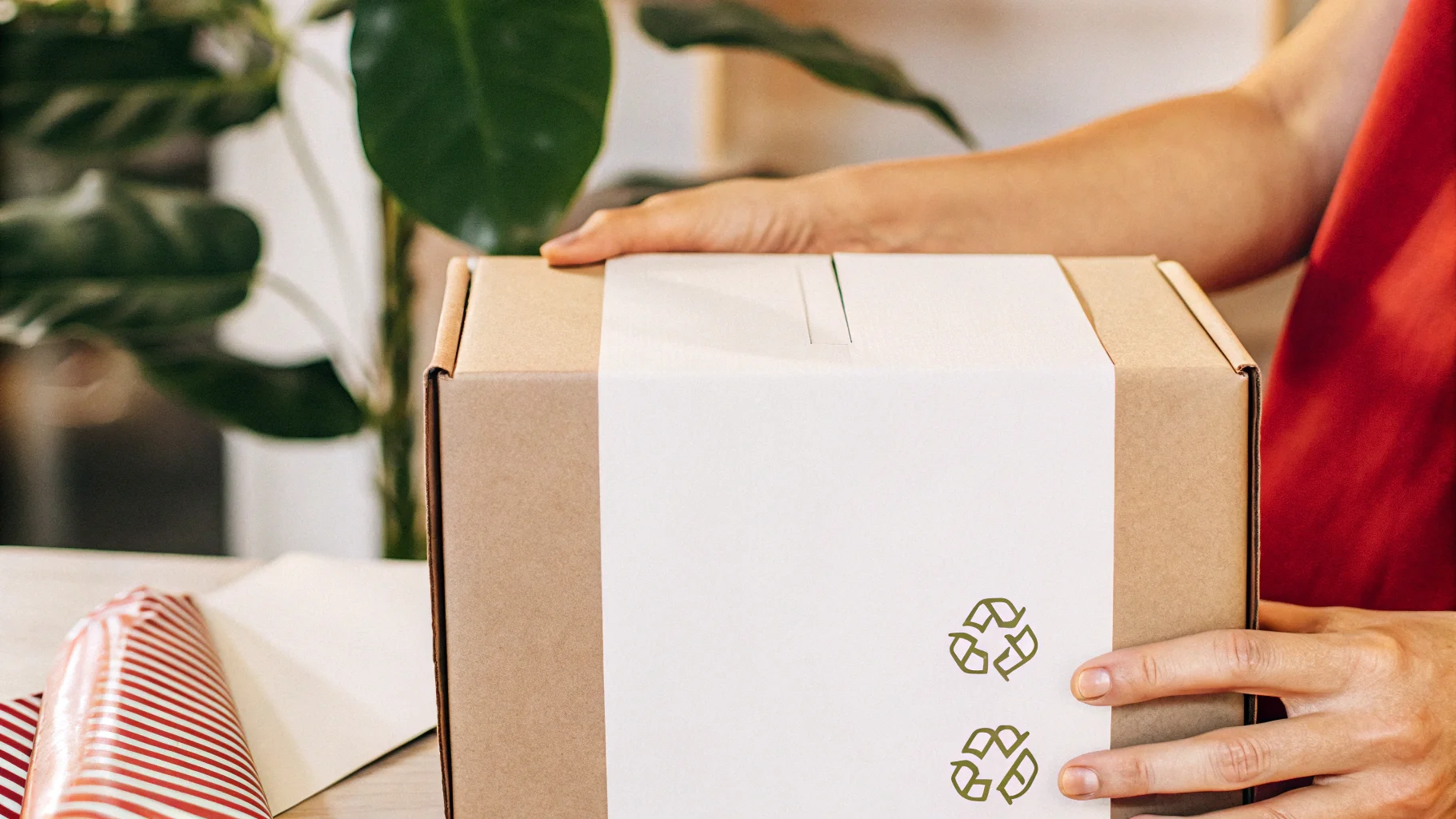
I have seen brands jump on a new "eco" material without doing their homework. It almost always creates problems later. One client chose a beautiful new bioplastic, but it was not available in the quantities they needed for their second production run. They had to switch materials, which confused customers and cost them a lot of money. To avoid this, you need a more structured approach. Think through these four areas before you commit to anything.
1. Product and Packaging Compatibility
Your packaging has one primary job: to protect your product. If it fails, the product is wasted. That is the worst environmental outcome. You have to test how your formula interacts with the packaging material. For example, some essential oils can degrade certain types of plastics over time. A water-based serum might compromise the integrity of some untreated paper-based materials. Always get samples and conduct stability testing for the expected shelf-life of your product.
2. Supply Chain and Logistics
Can you get this material reliably and at a consistent price? Where does it come from? A heavy glass container made in Europe and shipped to the US has a much larger carbon footprint from transport than a lightweight, recycled plastic container made domestically. From my factory perspective, a steady and predictable supply chain4 is critical. Ask potential suppliers about their capacity, lead times, and quality control.
3. Full Lifecycle Impact
Do not just look at the material itself. Look at the entire journey. This is often called a Lifecycle Assessment (LCA)6. Glass is infinitely recyclable, which is great. But it is also heavy, which means it uses more energy to transport. Post-consumer recycled (PCR) plastic is lightweight and reuses waste, but its recycling process can be energy-intensive. There is no perfect answer. You have to weigh the trade-offs based on what is most important for your brand's sustainability goals.
4. Brand Alignment and Customer Experience
Does the packaging fit your brand's image and price point? A luxury face oil in a simple aluminum bottle might feel disconnected to a customer. Does your customer understand what to do with the packaging at the end of its life? If you choose a compostable material, but most of your customers do not have access to industrial composting facilities, that packaging will likely end up in a landfill. Be realistic about your customers' habits.
What are the best sustainable cosmetic packaging1 options?
Glass, plastic, aluminum, paper... The options can be overwhelming. You might worry about picking the wrong one for your brand and your product. Let's compare the most common choices side-by-side so you can see the pros and cons clearly.
The most popular sustainable options include PCR plastic7, glass, aluminum, bamboo, and paper. Refillable systems are another great choice. Each has benefits and drawbacks. PCR plastic7 is lightweight, while glass feels premium but is heavy. The 'best' choice depends on your product and priorities.
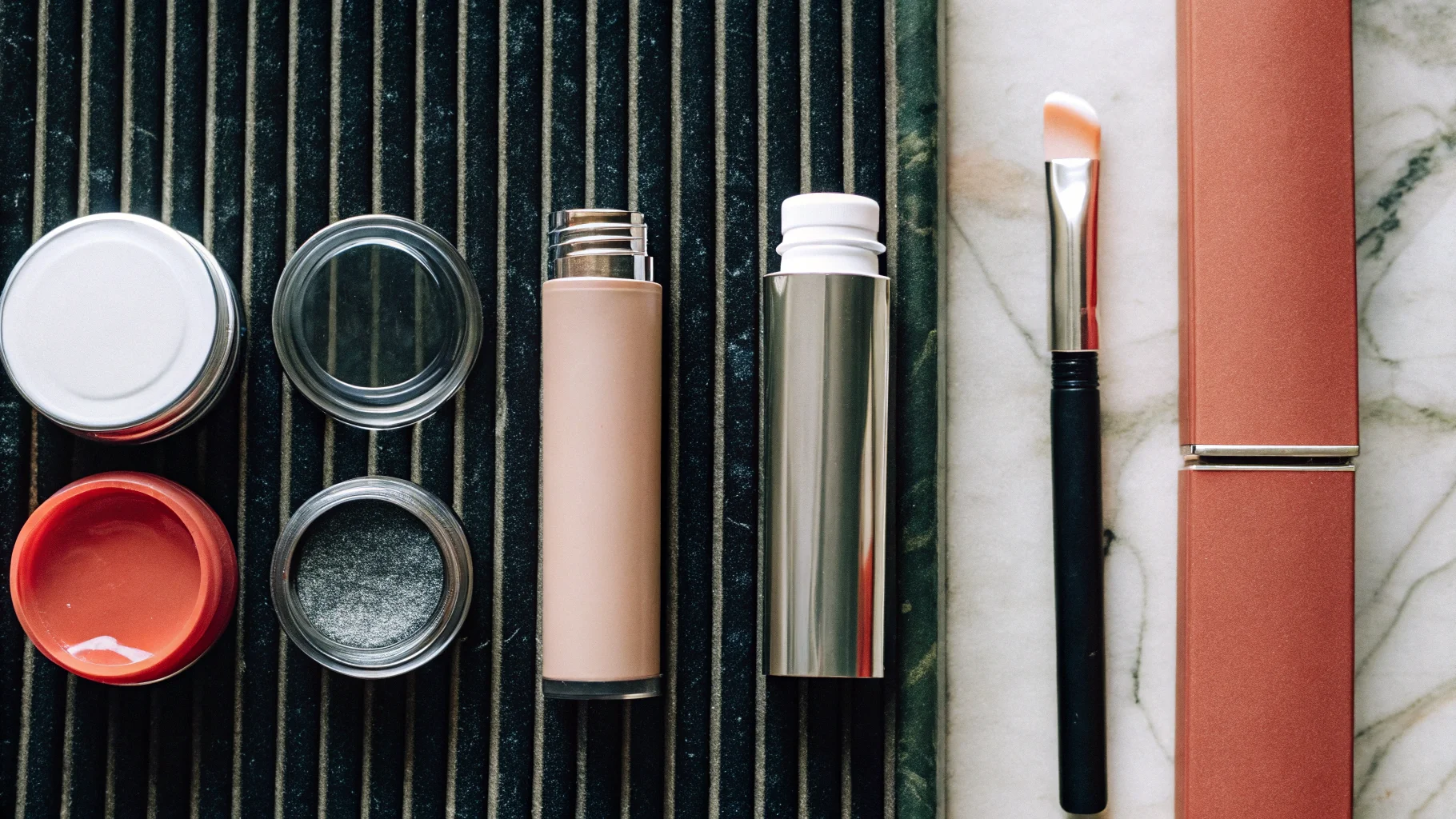
There is no single "best" material. The right choice is a balance. It depends on your product's needs, your budget, your brand's message, and what your customers will actually do with the empty container. In my experience, the most impactful choices are often the most practical ones. A well-managed system using recycled plastic can be a huge win. Here is a quick comparison to help you see how these materials stack up.
Quick Comparison of Sustainable Materials
| Material | Pros | Cons | Best For |
|---|---|---|---|
| PCR Plastic | Lightweight for shipping, uses recycled waste, reduces new plastic production, often affordable. | Can have color/clarity variations, not all types are easily recycled everywhere. | Lotions, serums, cleansers, toners. Great for e-commerce brands wanting to lower shipping weight. |
| Glass | Feels premium and luxurious, infinitely recyclable, excellent at protecting contents. | Heavy to ship (high carbon footprint), breakable, often more expensive. | Face oils, serums, high-end creams, foundations. |
| Aluminum | Lightweight, highly and infinitely recyclable, provides a great light barrier. | Dents easily, can have an industrial feel, internal liner may be needed. | Deodorants, dry shampoo, balms, solid perfumes. |
| Bamboo | Fast-growing renewable resource, has a natural and high-end look. | Often combined with a plastic inner liner (making it not recyclable), can be expensive, supply chain4 can be complex. | Outer casing for lipsticks, powder compacts, jar lids. |
| Paper/Cardboard | Renewable, recyclable, and compostable (if not coated), lightweight. | Not suitable for liquids or wet products unless lined (which impacts recyclability). | Secondary packaging (boxes), powders, solid bars (soap, shampoo). |
| Refillable Systems | Drastically reduces single-use packaging, builds customer loyalty. | Requires logistical planning for refills (in-store or pods), higher initial customer cost. | Skincare systems, shampoos, foundations. |
This table shows that every choice has a trade-off. Your job is to pick the trade-offs that make the most sense for your business and your sustainability goals.
How do you know which sustainable packaging is right for your brand?
You have seen the options and you understand the pros and cons. Now comes the hard part: making a decision. This single choice can help define your brand's identity and its real-world impact. I will help you match the right material to your specific needs.
To find the right packaging, first decide your top priority: Is it a luxury feel, a low carbon footprint, or using recycled content? Second, determine what is practical for your production and budget. Your best answer is where your brand values meet operational reality.
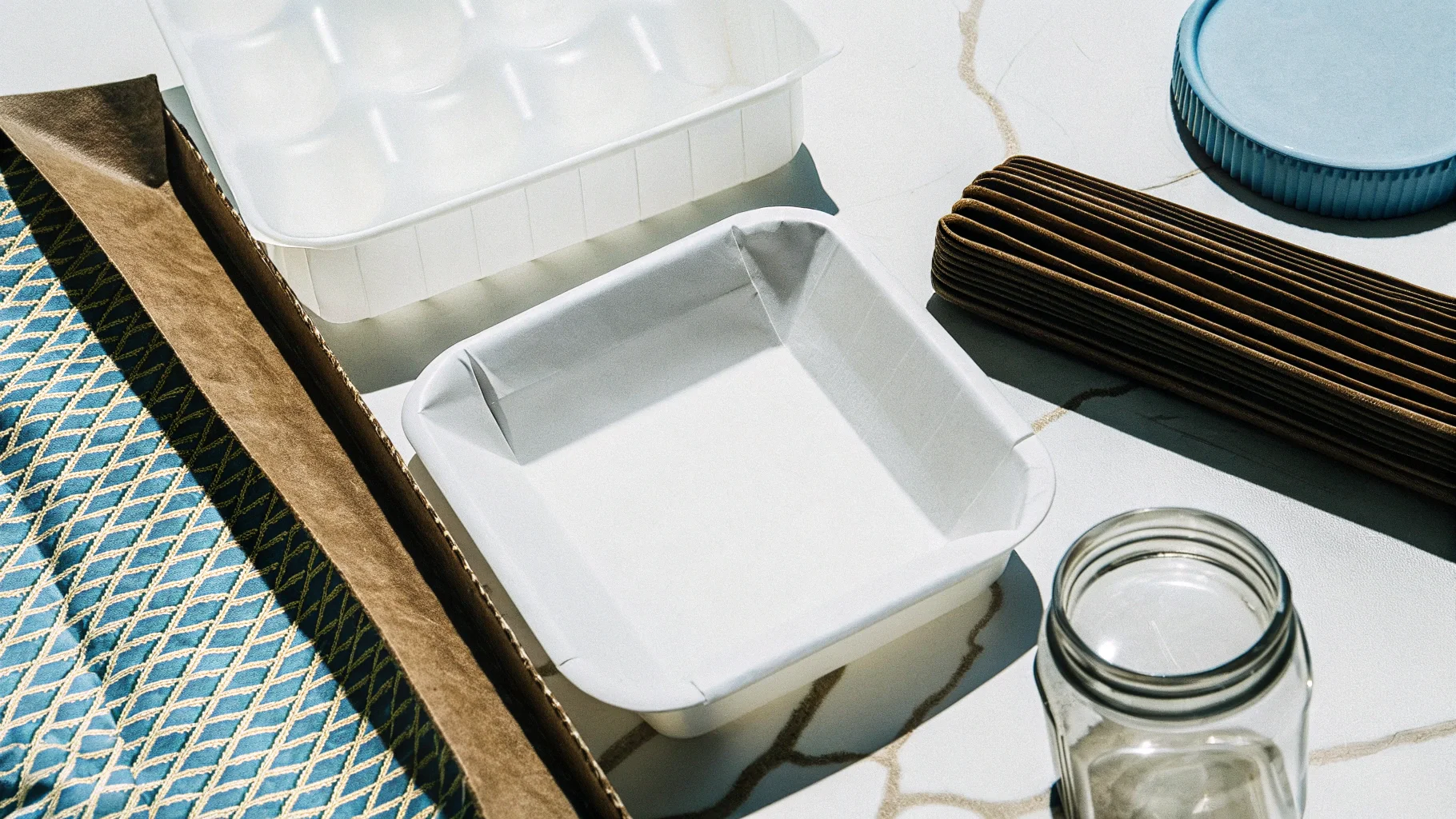
The perfect solution on paper is useless if you cannot execute it. I once worked with a startup that wanted to use 100% ocean-bound plastic. It was a great story. But the material was incredibly expensive and the supply was inconsistent. They burned through their budget before they even launched. A better starting point would have been a more accessible 30% PCR plastic7 container. It's about progress, not immediate perfection. Follow these steps to make a smart choice.
A 4-Step Framework for Choosing
-
Step 1: Define Your Primary Goal. You cannot optimize for everything at once. What is your number one priority?
- If it's reducing plastic waste: Focus on PCR plastic7, glass, aluminum, or solid product formats.
- If it's lowering your carbon footprint: Prioritize lightweight materials like PCR plastic7 or aluminum, and source them locally if possible.
- If it's a luxury brand image: Glass is a classic choice, but high-quality, heavy-walled PCR or bioplastics can also work.
-
Step 2: Analyze Your Product's Needs. What does your formula require to stay safe and effective? Is it an oil, a powder, or a water-based liquid? Is it sensitive to light or air? This will immediately rule out some materials. For example, a light-sensitive Vitamin C serum needs an opaque or dark-colored container, like amber glass or aluminum.
-
Step 3: Evaluate Your Budget and Scale. Be honest about your numbers. Glass and bamboo are generally more expensive per unit than PCR plastic7. Do you have the warehouse space to store heavier materials? Can your budget handle higher shipping costs for heavy packaging? Your operational and financial reality is a critical part of the decision.
-
Step 4: Test, Test, and Test Again. Once you have a shortlist, get samples. Put your product in them. See how they look and feel. Ship them to yourself to see how they hold up. There are no shortcuts here. Testing is the only way to prevent a costly packaging failure down the line.
What common mistakes should your brand avoid with sustainable packaging?
You are excited to go green with your packaging. That is great. But some common pitfalls can undermine your efforts and even mislead your customers. You might even make things worse for the environment. Let's look at the mistakes I see brands make all the time.
Avoid these key mistakes: 'greenwashing8' with vague claims, choosing a material that is not actually recyclable for your customers, and ignoring the full lifecycle. Another big one is choosing a trendy material over a more practical, impactful one like well-sourced PCR plastic7.
Making a mistake here doesn't just cost money. It can damage your brand's credibility with customers who are trying to make good choices. The goal is to be transparent and genuinely helpful. From my viewpoint on the factory floor, I see brands get tripped up by the same issues again and again. Here are the big ones to watch out for.
1. "Greenwashing"
This is the most common mistake. It means using vague, misleading terms like "eco-friendly," "green," or "earth-friendly" without any specific proof. These words are meaningless and can get you in trouble.
- How to avoid it: Be specific. Instead of "eco-friendly," say "Made from 50% post-consumer recycled plastic" or "Packaged in a fully recyclable aluminum tube." Give your customers real information they can trust.
2. Ignoring the Real End-of-Life
You might choose a "compostable" plastic, thinking you're doing the right thing. But most of these materials only break down in industrial composting facilities, which are not available to most people. So, your compostable container ends up in a landfill, where it may not break down at all.
- How to avoid it: Research the recycling and composting infrastructure where most of your customers live. Choose materials that are widely accepted in curbside recycling programs, like PET (#1) plastic, glass, and aluminum.
3. Forgetting the Little Things
You chose a recyclable glass jar. Great! But what about the label, the ink, and the plastic cap? Often, these smaller components can contaminate the recycling stream. A beautiful jar with a non-recyclable label or a mixed-material pump can make the entire package unrecyclable.
- How to avoid it: Think about the entire package. Use "wash-off" adhesives for labels. Try to use a "monomaterial" design where the bottle and cap are made of the same type of plastic.
4. Sacrificing Product Safety
In the rush to be sustainable, some brands choose packaging that doesn't properly protect the product. If your cream goes bad or your serum gets contaminated because the packaging failed, both the product and the package are wasted. This is the least sustainable outcome.
- How to avoid it: Always prioritize product stability and safety. Conduct thorough compatibility and shelf-life testing before you commit to a material.
What are the future trends in sustainable packaging?
The world of sustainable packaging is changing incredibly fast. New materials and ideas are appearing all the time. You do not want your brand to be left behind. Let's take a quick look at what is coming next so you can stay ahead of the curve.
The future is about material science and smarter systems. We will see more water-soluble packaging, materials grown from mushrooms (mycelium), and smart packaging with QR codes for recycling info. The biggest trend is the shift from single products to mainstream refill and return systems.
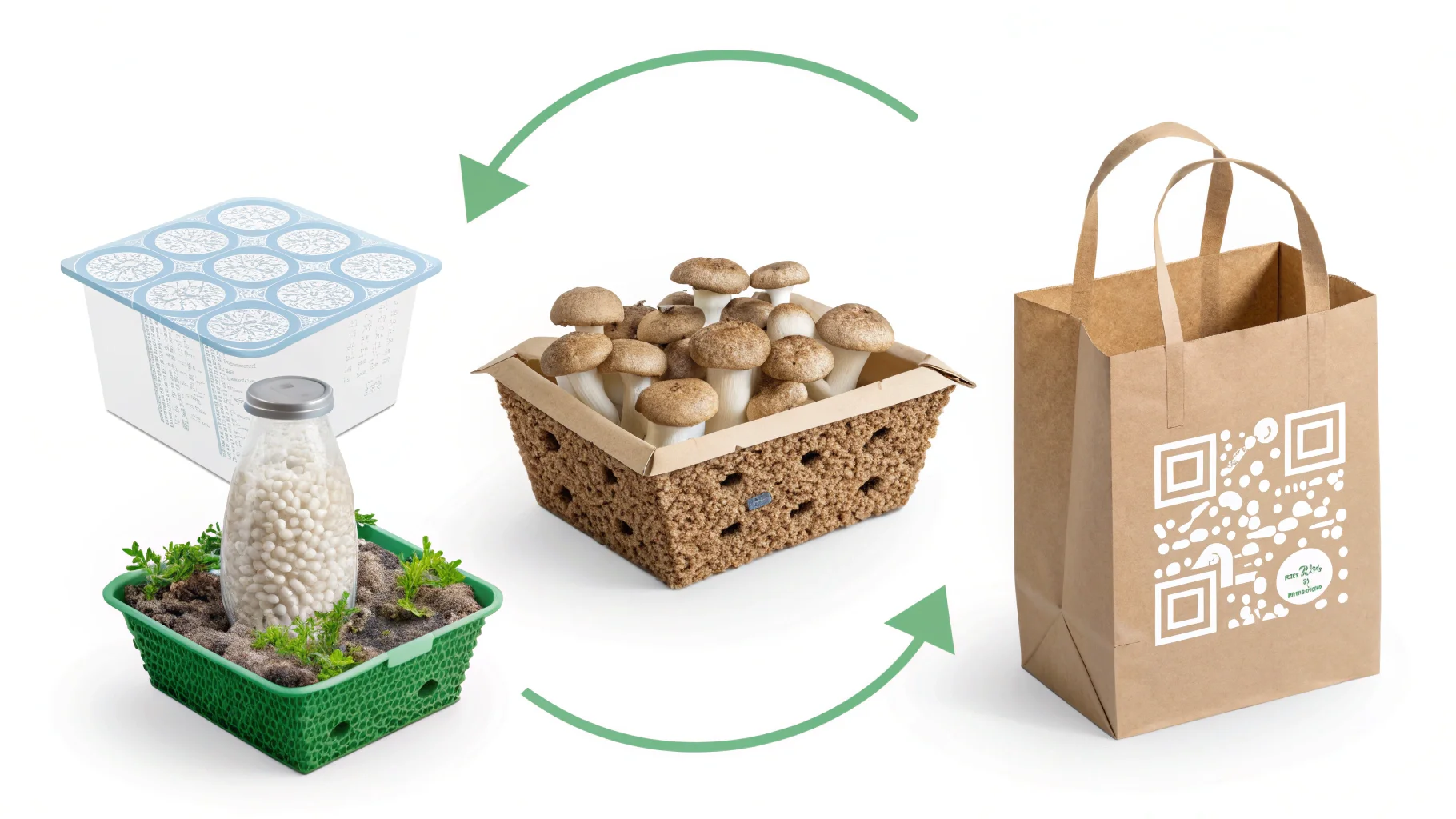
While it is important to be practical today, you should also keep an eye on the future. The innovations that seem small now could become the industry standard in five or ten years. From a manufacturing perspective, we are always watching these trends to see which ones are becoming scalable and reliable. Here are a few key areas I am watching closely.
1. Advanced Material Innovation
Scientists are developing amazing new materials. We are seeing things like:
- Mycelium: The root structure of mushrooms can be grown into custom shapes for protective packaging, replacing styrofoam.
- Seaweed and Algae: These fast-growing organisms can be turned into bioplastics and even water-soluble films.
- Pulpables: Molded fiber from sources like sugarcane (bagasse) is becoming more refined and can be used for complex shapes. A word of caution: many of these are still in early stages and are not yet ready for mass production at a low cost. But they show where we are heading.
2. The Rise of "Systems" over "Products"
The biggest shift is a move away from thinking about a single, disposable package. The future is in systems.
- Refill Pods: Brands will increasingly sell a durable "forever" container and then sell lightweight, simple refill pods. This drastically cuts down on waste.
- Take-Back Programs: More brands will create easy programs for customers to mail back their empty containers for proper recycling or reuse. This takes the burden off the customer.
3. Smarter Packaging
Technology will play a bigger role. Imagine a QR code on every package. A customer could scan it and get instant, location-specific instructions on exactly how to recycle that bottle, cap, and pump in their town. This level of clarity would dramatically increase recycling rates. It also helps brands be completely transparent about their materials and supply chain.
Conclusion
Choosing sustainable packaging is a journey, not a final destination. Start with one practical, measurable step. Focus on real progress, not perfection, and build a solution that truly works for your brand.
Explore this link to understand the true meaning and importance of sustainable cosmetic packaging. ↩
Learn how different packaging choices can significantly impact the environment. ↩
Find out how a circular system can revolutionize your packaging approach and reduce waste. ↩
Learn how a reliable supply chain is crucial for sustainable packaging solutions. ↩
Explore the environmental costs associated with different packaging materials. ↩
Understand the importance of LCA in evaluating the sustainability of packaging materials. ↩
Explore the benefits of using post-consumer recycled (PCR) plastic in your packaging. ↩
Understand the concept of greenwashing and how to avoid misleading claims. ↩