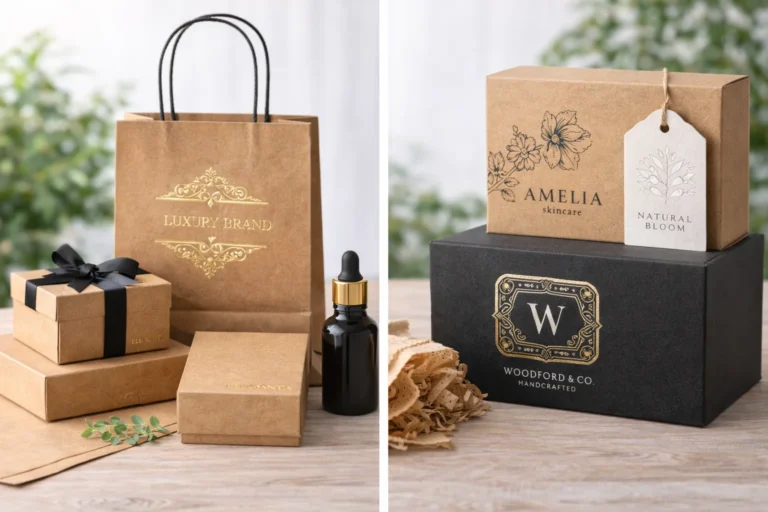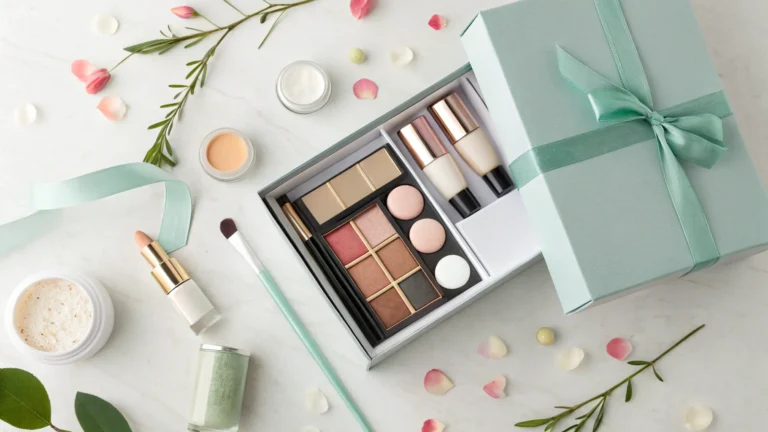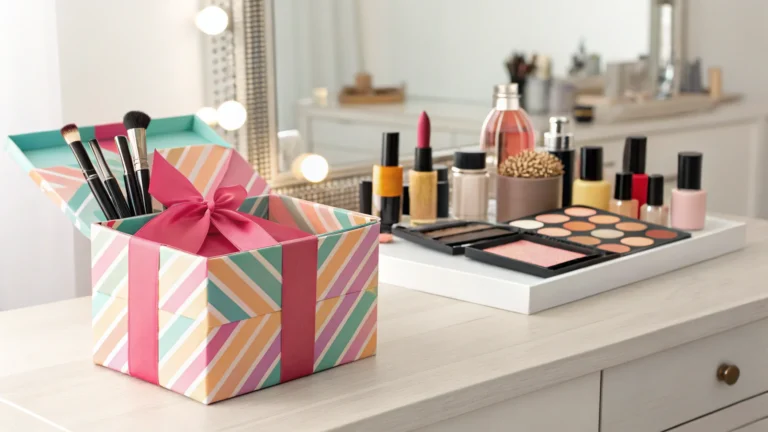
Are you struggling to make your beauty brand stand out? The market is crowded. Your packaging might be getting lost on the shelf, failing to communicate the quality of your product.
The key to winning is using luxury packaging1 that creates a memorable unboxing experience2. This involves choosing premium materials3, unique structural designs4, and finishes that feel special to the touch. This approach elevates your product's perceived value and builds a stronger connection with your customer from the first look.
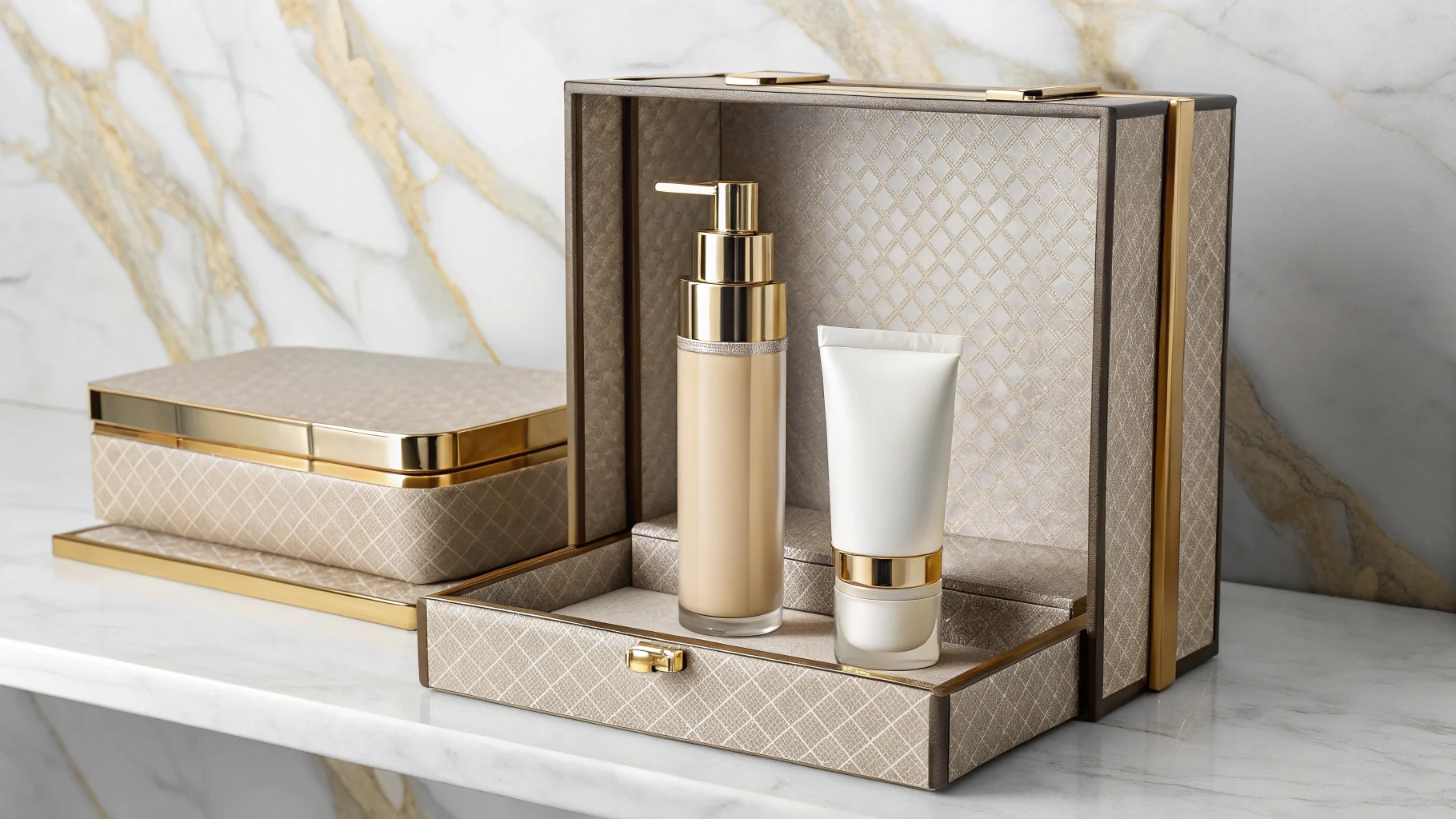
This all sounds great, but how do you actually do it? It’s not just about picking a pretty box. The process starts much earlier than most people think. From my years in manufacturing, I’ve seen where brands go right and where they go wrong. It’s about making smart choices from the very beginning to ensure the final product is perfect, consistent, and profitable. Let's break down what you need to know to make your packaging a true asset for your brand.
What Defines Luxury Cosmetic Packaging Today?
Your product looks premium, but is the packaging an afterthought? Many brands find their packaging doesn't match the quality inside, creating a disconnect that cheapens the entire experience for the customer.
Today, luxury cosmetic packaging5 is defined by a complete sensory experience6. It’s not just about looking good. It's about the weight of the container, the sound the cap makes, the texture of the box, and a design that tells your brand’s story in an instant.
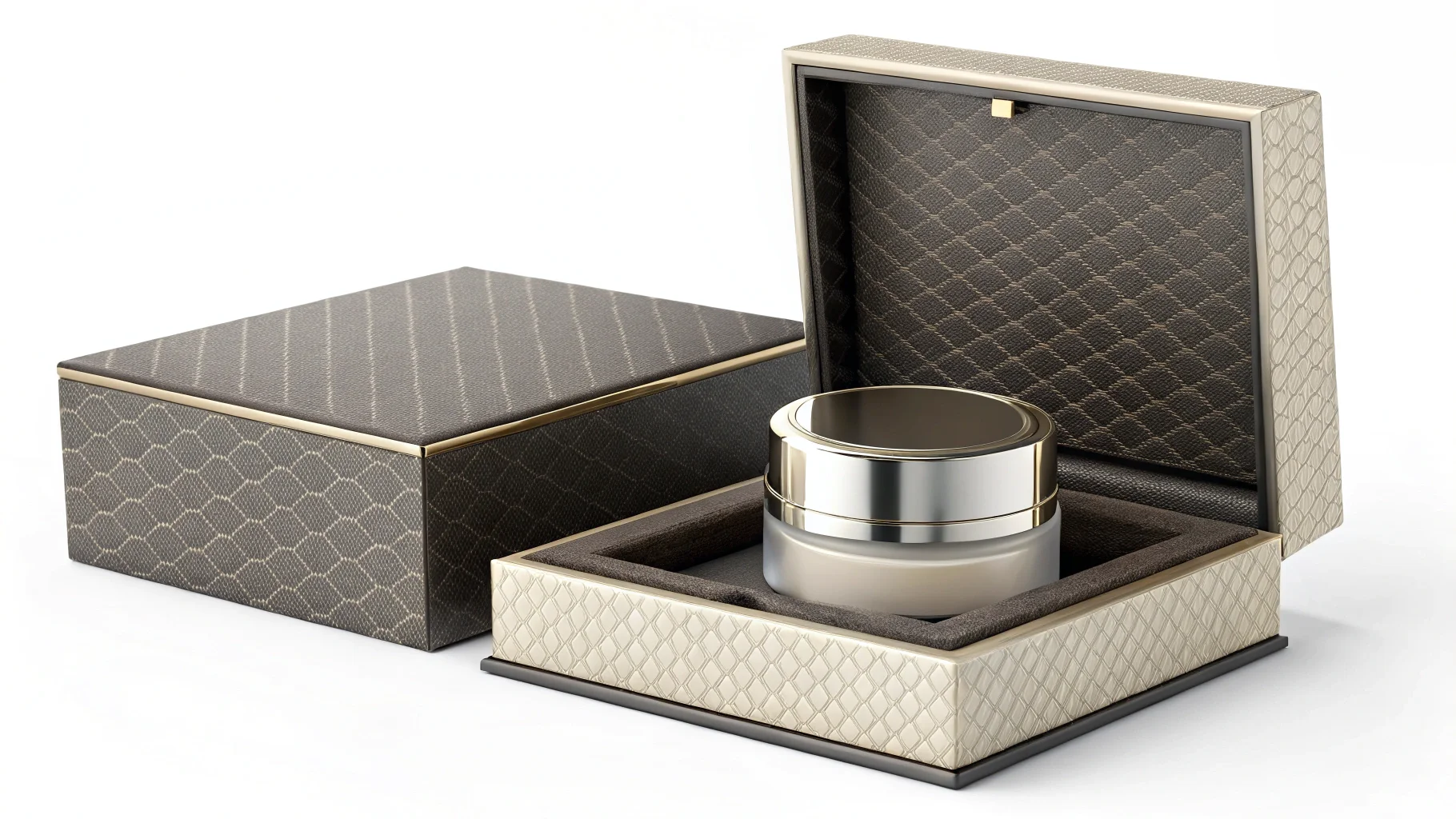
I believe we've moved past the idea that luxury just means shiny and expensive. Now, it's about thoughtfulness and detail. When a customer picks up your product, they should feel the quality. This is where the manufacturing process7 is so important. The right material choices and precise tooling are what create that satisfying 'click' or that perfect, weighty feel in the hand. I remember working on a project for a high-end serum. We spent weeks testing different weights for the glass bottle and prototyping cap closures. The client was worried about the time, but the final product had a closure sound that became an iconic part of their brand. That's the level of detail that defines luxury now. It's an emotional connection built through physical interaction, and it all starts with planning the technical details long before the first unit is ever made.
Why Does Luxury Packaging Matter for Brand Positioning?
Do you feel like your brand isn't seen as "premium," even with a high-quality formula? Your packaging might be sending the wrong message, placing you alongside budget brands in the customer's mind.
Luxury packaging is critical because it's the first physical interaction a customer has with your brand. It immediately communicates value, justifies a higher price point, and positions your product as a desirable, high-end item. It builds trust and sets expectations before the product is even used.
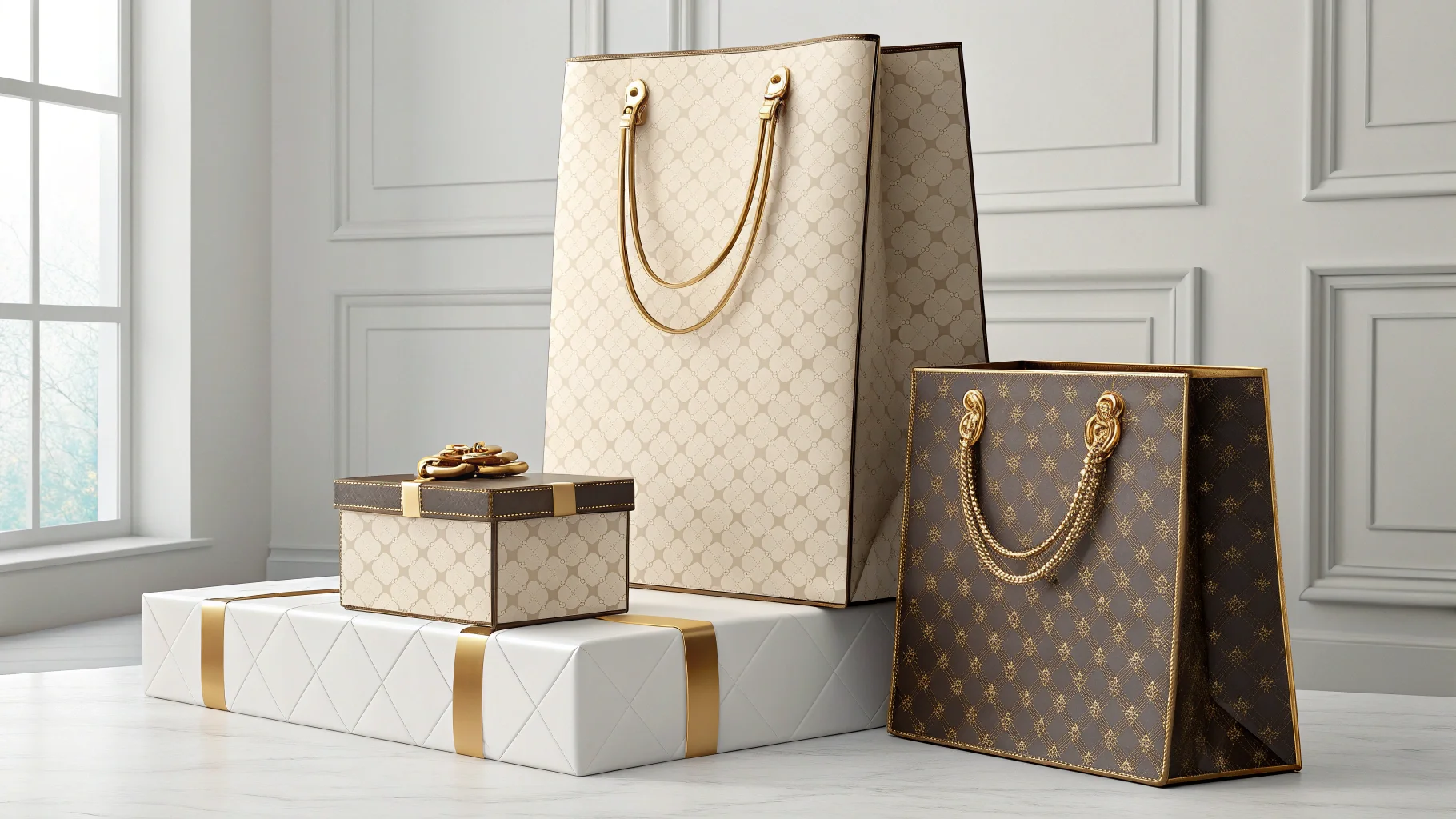
Think about the last time you bought something that felt truly special. The packaging was part of that feeling, right? It’s the silent salesperson for your brand. In my experience, the investment in premium packaging pays for itself many times over. It directly influences how much a customer is willing to pay. I once consulted for a skincare brand that was struggling. Their cream was fantastic, but it came in a standard plastic jar. We switched to a heavy, frosted glass jar with a metal-plated lid. They kept the formula exactly the same but were able to increase their price by 40%. Sales didn't just hold steady; they tripled. Why? Because the packaging finally matched the quality of the product inside. It gave customers the confidence that they were buying something exceptional. That’s the power of positioning through packaging.
What Are the Key Trends in Luxury Cosmetic Packaging?
Is your brand’s packaging starting to look dated? Following old trends can make your product invisible on a modern shelf, causing you to lose out to more current-looking competitors.
The biggest trends right now are minimalism8, sustainability9, and personalization10. Brands are using clean designs with unique fonts, eco-friendly materials that don't sacrifice quality, and elements like custom engraving or monogramming to create a one-of-a-kind experience for their customers.
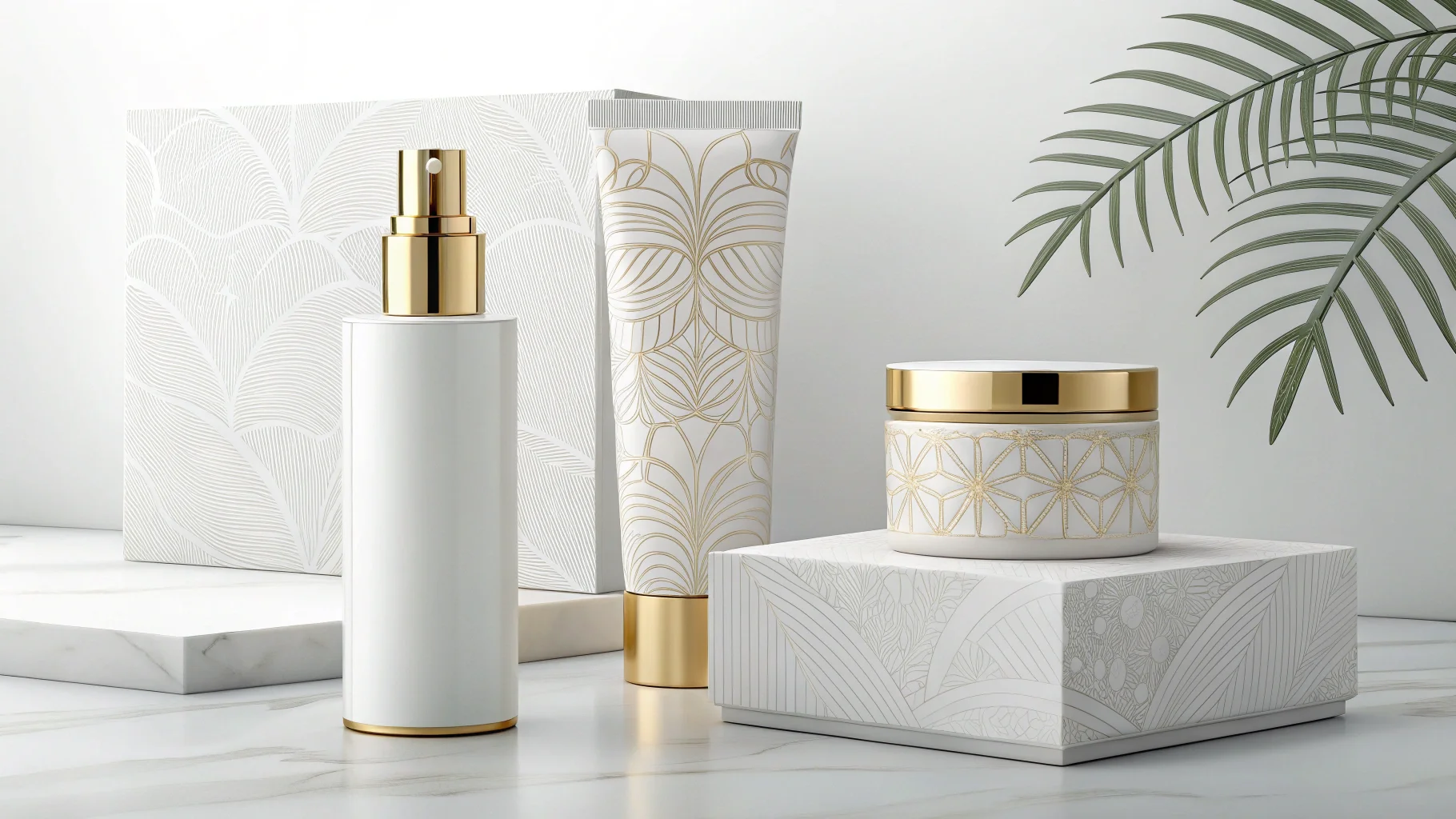
From a manufacturing standpoint, these trends present exciting challenges. Minimalism, for example, isn't as simple as it looks. It demands absolute precision. With a simple design, every tiny flaw in the material or printing is magnified. It requires superior quality control11. Sustainability is another huge driver. We're constantly exploring new materials and processes to meet this demand without compromising the luxury feel. It's about finding that perfect balance. And personalization10 requires a flexible production line. I've seen how these trends directly impact a brand's success. It’s not about chasing every new fad, but about understanding which trends align with your brand's core identity.
Here’s a quick breakdown of how I see these trends playing out:
| Trend | Description | What it Means for Your Brand |
|---|---|---|
| Minimalism | Clean lines, simple color palettes, and elegant typography. | Focuses attention on the product and brand name. Conveys confidence and sophistication. |
| Sustainability | Using refillable containers, recycled materials, and mono-material designs. | Appeals to the eco-conscious luxury consumer. Shows brand responsibility. |
| Personalization | Custom-printed messages, monogramming, or unique color combinations. | Creates a deep, personal connection with the customer and makes the product highly giftable. |
| Sensory Details | Focus on texture, weight, and sound (e.g., magnetic closures). | Elevates the unboxing into a memorable, tactile experience that screams quality. |
Are There Sustainable Solutions in Luxury Cosmetic Packaging?
Are you worried that creating a luxury feel means you have to compromise on sustainability9? Many brands believe they must choose between premium packaging and being eco-friendly, alienating a growing market segment.
Yes, absolutely. Sustainable luxury is a huge movement. The best solutions include refillable systems12, using mono-materials for easy recycling, and opting for innovative, FSC-certified paper stocks. Glass and aluminum are also excellent, infinitely recyclable choices that feel premium.
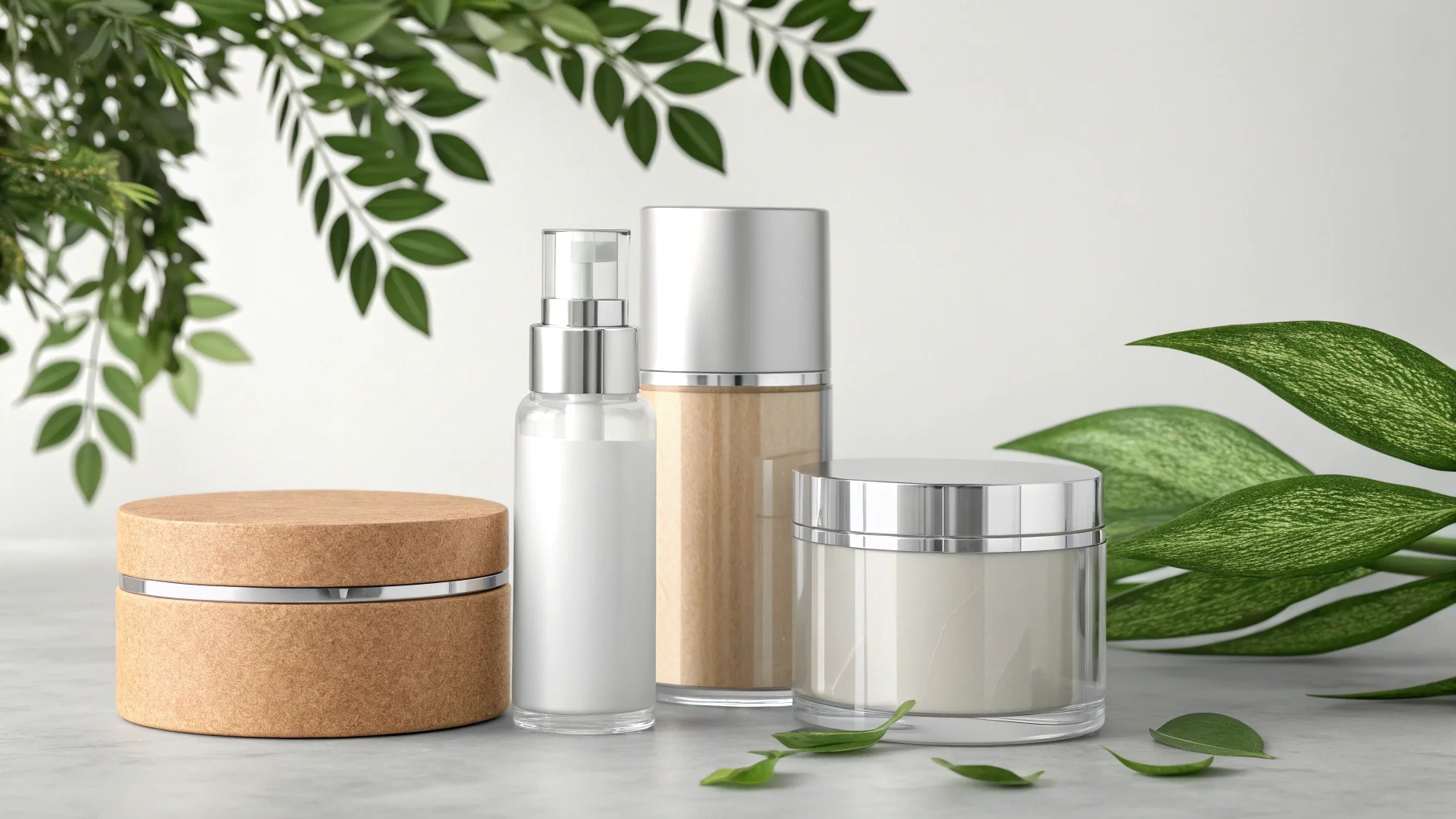
The key is to plan for sustainability9 from the very start. It's not something you can easily add on later. I always tell my clients to think about the entire lifecycle of their packaging. A refillable system is a great example. You might invest more upfront in a beautiful, durable primary container, but you create a long-term relationship with the customer who keeps coming back for the refill. From a production view, this changes everything. We focus on the durability of the main component and the cost-efficiency and recyclability of the refill pod. I've worked on projects using PCR (post-consumer recycled) plastics that look and feel just as good as virgin materials. It’s about working with a supplier who knows how to source these materials and mold them correctly. Sustainability is no longer a compromise on luxury; it's a new definition of it.
What Material and Design Choices Are Best for High-End Packaging?
Do you feel overwhelmed by all the packaging material options? Choosing the wrong one can lead to production issues, high costs, and a final product that doesn't feel as luxurious as you imagined.
For a high-end feel, heavy glass, cool-touch metals like aluminum or zamac, and high-density papers with soft-touch finishes are top choices. For design, focus on unique structural shapes, magnetic closures, and subtle embellishments like embossing or foil stamping instead of loud graphics.
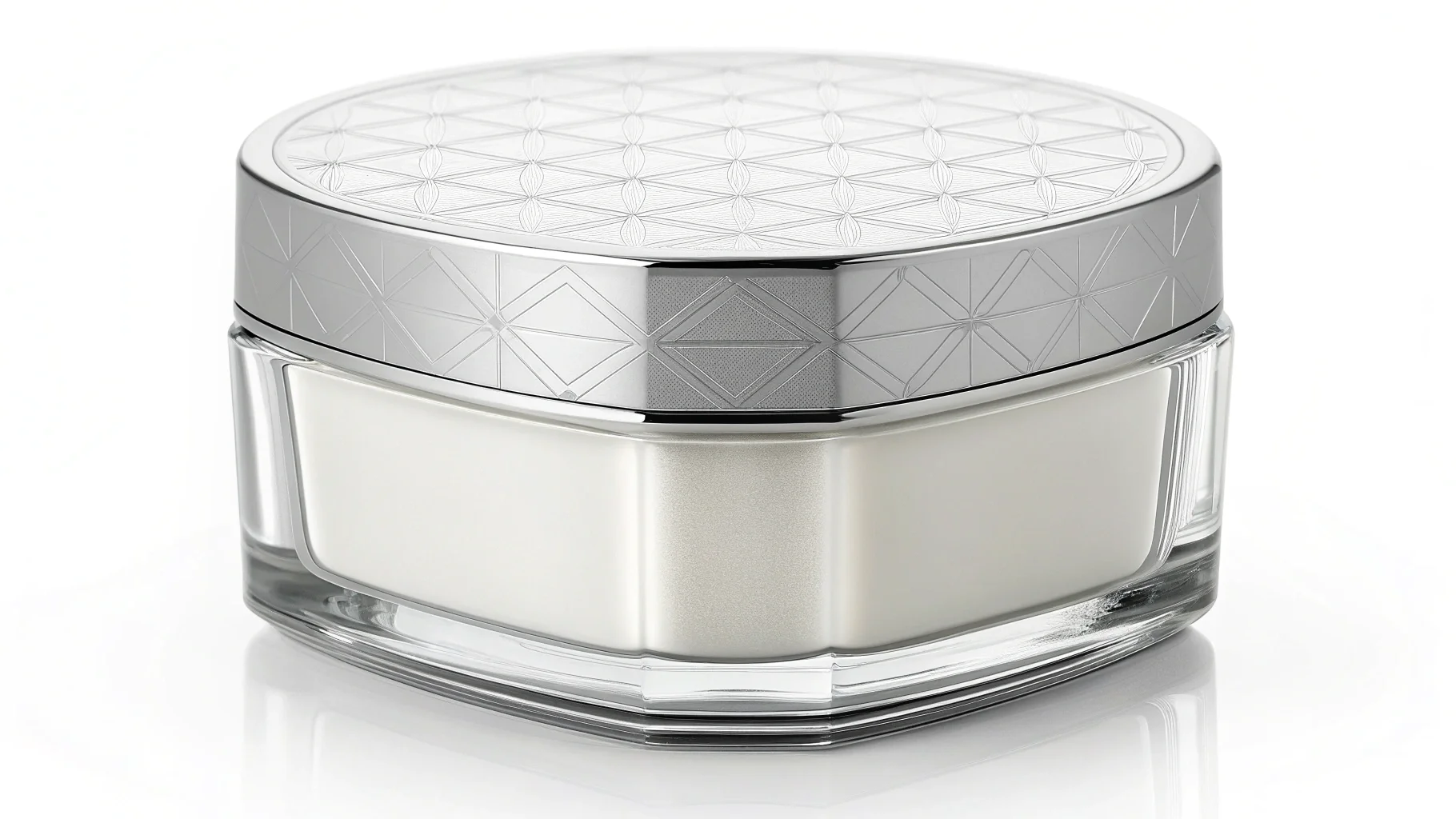
The material you choose dictates the entire production process. It's the most important decision you'll make at the beginning. If you choose glass, you need a supplier with expertise in molding, frosting, and color coating. If you want a custom metal cap, that requires specialized tooling. This is where my insight about early involvement is critical. A brand once came to me with a beautiful design that combined two materials that were impossible to bond with any consistency. They had already paid for the design. We had to go back to the drawing board, which cost them time and money. If they had talked to a manufacturer first, we could have suggested a better material combination to achieve the same look without the production headache. Here's a simple way I help clients think about it:
| Material | Luxury Feel | Sustainability | Cost |
|---|---|---|---|
| Glass | High (weighty, premium) | High (infinitely recyclable) | Medium-High |
| Aluminum | High (cool, modern) | High (infinitely recyclable) | Medium |
| Zamac | Very High (heavy, cool) | Medium (recyclable) | High |
| FSC Paper/Board | High (tactile, natural) | High (renewable, recyclable) | Medium |
| PCR Plastic | Medium-High (versatile) | High (uses recycled content) | Low-Medium |
What Are the Best Luxury Packaging Solutions for Different Product Categories?
Are you using a one-size-fits-all approach to your packaging? The needs of a liquid foundation are very different from a face cream, and the wrong packaging can lead to product waste or a poor user experience.
For different categories, you need specialized solutions. Skincare often benefits from airless pumps to protect formulas. Fragrances demand unique glass bottle shapes and fine-mist sprayers. Makeup requires compacts with satisfying closures and components that feel sturdy and precise during use.
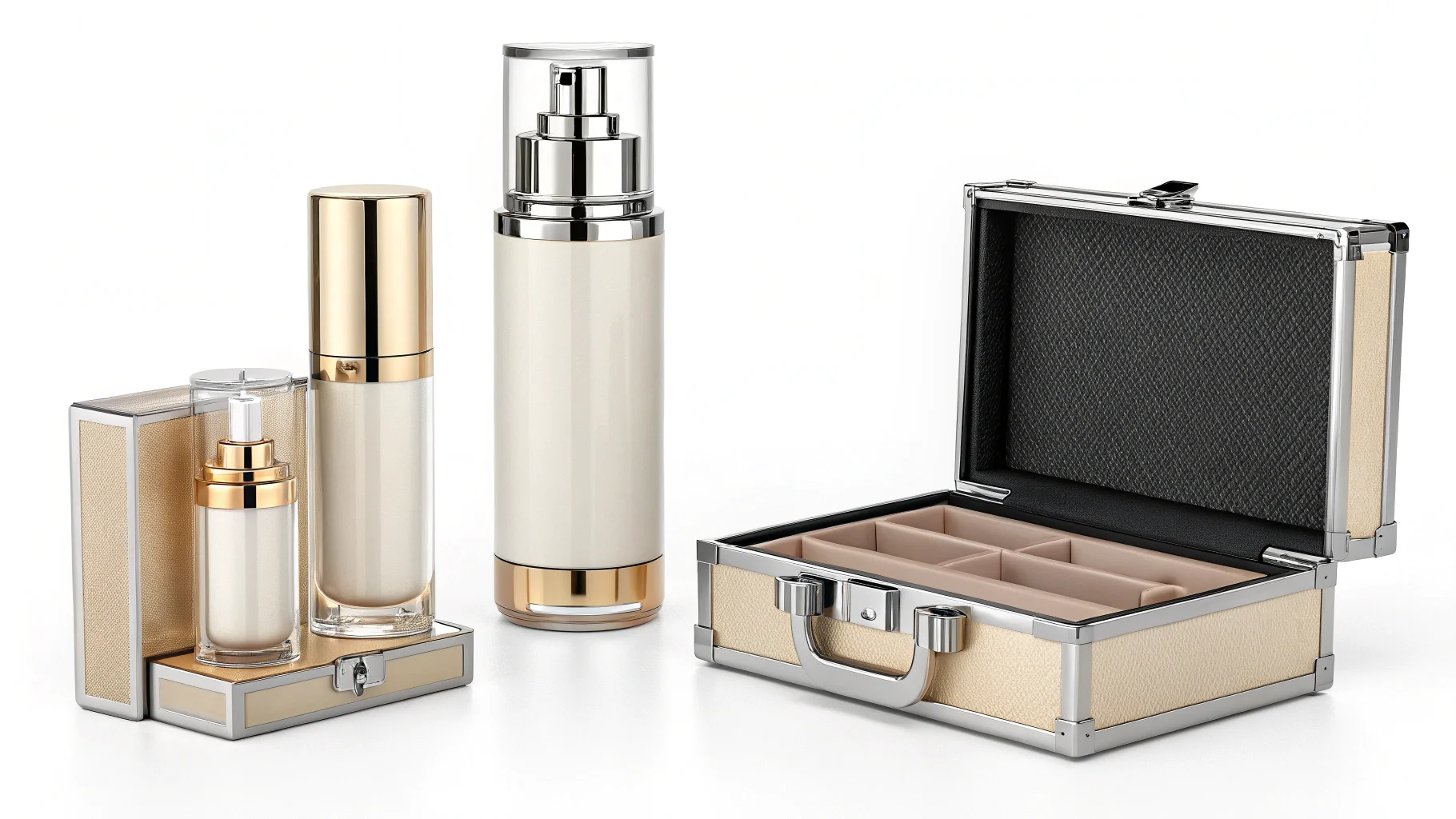
I love the challenge of finding the perfect packaging for a specific product type. It's a mix of science and art. For serums, we have to consider formula protection. An airless pump is great because it prevents air and bacteria from getting in, which is crucial for delicate active ingredients. For heavy creams, a wide-mouth glass jar with an inner protective disk conveys richness and makes it easy for the user to get every last bit of product. With color cosmetics, it's all about the in-use experience. Think of a lipstick. The click of the cap and the smooth twist-up mechanism are part of the ritual. Getting that right involves precise engineering and tooling. It’s these small, category-specific details that make a product feel truly luxurious and well-designed, not just like a generic container. This is why a good partner will ask about your formula and how customers will use it, not just what you want the box to look like.
What Challenges Do Brands Face in Luxury Cosmetic Packaging?
Are you worried about the potential pitfalls of creating luxury packaging1? Brands often face budget overruns, production delays, and quality control11 nightmares that can damage their reputation before they even launch.
The biggest challenges are managing high costs, ensuring consistent quality across large production runs, and sourcing unique materials13. Many brands also struggle with long lead times, which can disrupt their launch schedules. These issues often stem from a lack of manufacturing expertise in the design phase.
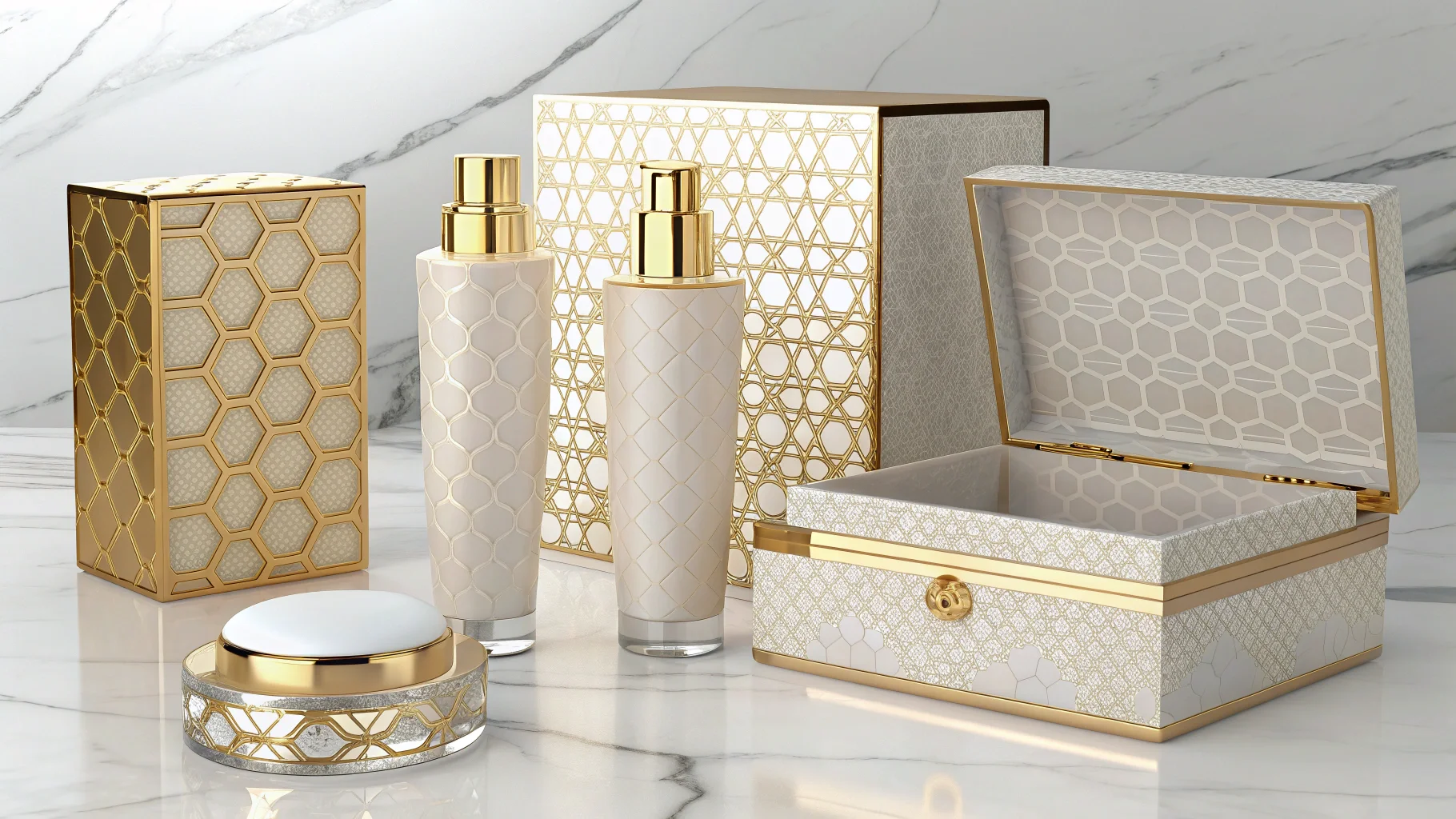
This is where I see brands get into the most trouble. They fall in love with a complex design without understanding the manufacturing implications. This is the core of my philosophy: successful luxury packaging1 starts long before mass production. A brand might design a beautiful cap that requires a multi-step assembly process. On a few prototypes, it looks great. But producing 100,000 of them with perfect consistency is a huge challenge. The cost per unit skyrockets, and the failure rate can be high. I’ve seen this happen over and over. A brand will come to me with a finished design, and I have to be the one to tell them it’s not manufacturable at their target cost. By involving a manufacturing partner early, we can guide the design. We can say, "You can get 95% of that look with this simpler process, and it will cut your costs by 30% and guarantee consistency." That early conversation saves so much pain later on.
How Do You Choose the Right Luxury Packaging Partner?
Do you know what to look for in a packaging supplier14? Choosing the wrong partner can be a costly mistake, resulting in poor quality, missed deadlines, and a product that fails to impress your customers.
Choose a partner, not just a supplier. Look for a company that wants to be involved early in the design process. Ask about their quality control11 systems, their experience with the specific materials you want to use, and ask to see samples of their work.

When you're vetting a partner, don't just ask about price. Price is important, but in luxury, quality and reliability are everything. I always recommend asking them to walk you through their process. How do they go from a design concept to a final, mass-produced item? A good partner will talk about tooling, material testing, and multi-stage quality checks. They should act like a consultant, offering suggestions to improve your design for manufacturability and cost-effectiveness. Ask them about problems they've solved for other clients. Their answers will tell you if they are just order-takers or true problem-solvers. Remember, this partner is responsible for the physical representation of your brand. You need someone who is as obsessed with the small details as you are. The right partner protects your brand image and your profit margins by ensuring your packaging is perfect, every single time.
Conclusion
Ultimately, winning with luxury packaging isn't just about trends. It's about a partnership that blends beautiful design with smart manufacturing to create a product that feels as good as it looks.
Explore how luxury packaging can elevate your brand's image and customer experience. ↩
Learn techniques to enhance customer satisfaction through thoughtful unboxing. ↩
Discover high-quality materials that can enhance the perceived value of your products. ↩
Find innovative packaging designs that can set your brand apart on the shelf. ↩
Explore the key elements that make cosmetic packaging feel luxurious and appealing. ↩
Understand how sensory details can elevate the unboxing experience for customers. ↩
Gain insights into how manufacturing choices affect packaging quality and brand image. ↩
Discover how minimalist designs can convey sophistication and focus on your product. ↩
Learn about sustainable practices that can enhance your brand's appeal to eco-conscious consumers. ↩
Explore ways to create a unique customer experience through personalized packaging. ↩
Discover essential quality control measures to ensure consistency and excellence in packaging. ↩
Explore how refillable systems can enhance customer loyalty and sustainability. ↩
Discover innovative materials that can elevate your packaging and brand perception. ↩
Get tips on selecting a reliable packaging partner that aligns with your brand's vision. ↩