Struggling to make your brand stand out? Your packaging looks generic and fails to attract customers. I'll show you how to create boxes that sell your product.
Creating the ultimate custom cosmetic box1 involves a clear strategy. You need to align your brand identity2 with material choice, functional design3, and manufacturing realities. This ensures your packaging is beautiful, practical, and produced on budget, making a strong first impression4 on your customers.
I've seen so many brands stumble with their packaging. They focus on the wrong things and end up with something that looks cheap or is impossible to produce. But it doesn't have to be that way. Let's break down how to get it right, step by step, so you can avoid the common pitfalls and create something you're proud of.
Why do custom cosmetic box1es matter so much?
Is your product amazing but ignored on the shelf? Generic packaging makes you invisible. Custom boxes grab attention and tell your brand's story before the customer even opens them.
Custom cosmetic boxes are your brand's silent salesperson. They create the first physical connection with a customer, communicating quality, values, and what makes your product unique. Good packaging builds trust and justifies a premium price, turning a browser into a buyer.
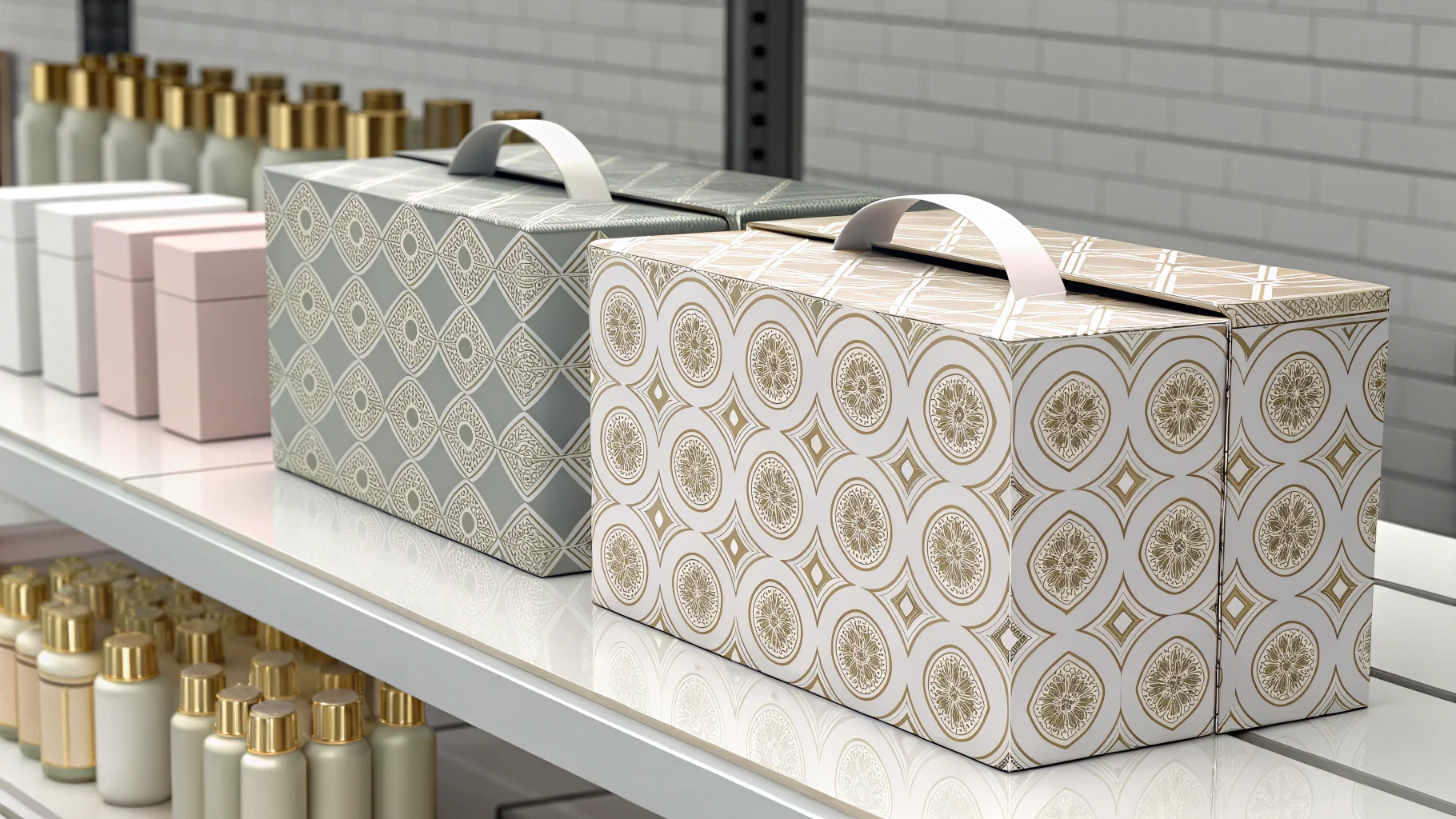
Your box is often the first thing a customer touches. It's their first handshake with your brand. A flimsy, poorly designed box communicates that the product inside might also be low quality. A sturdy, beautiful box does the opposite. It builds anticipation and excitement. I remember a client who sold a fantastic face cream. Their sales jumped over 30% after we redesigned their box. The product inside was exactly the same. The only change was the packaging. It finally communicated the quality that was always there. It’s a marketing tool that works for you 24/7, on the shelf and in the customer's home. It’s your chance to make a statement.
The First Handshake
The physical feel of the box is critical. A heavy, rigid box feels more luxurious than a thin, foldable carton. The texture, the weight, and the way it opens all contribute to the customer's perception of your brand.
Communicating Brand Value
Your packaging should instantly tell your story. Are you a fun, vibrant brand? Or are you a clinical, science-backed brand? The colors, fonts, and materials you choose should all work together to send a clear message.
| Feature | Generic Box | Custom Box |
|---|---|---|
| First Impression | Forgettable | Memorable, intriguing |
| Brand Story | Non-existent | Clearly communicated |
| Perceived Value | Low | High, justifies price |
| Customer Loyalty | Weak | Stronger connection |
What are the most common design challenges5?
You have a great design idea, but it's too expensive to make. Or it looks amazing on screen but terrible in real life. These design traps can kill your project.
The biggest design challenges5 are balancing aesthetics with budget and manufacturability. Many brands create designs that are too complex for production or choose materials that don't protect the product. Overlooking these practical details leads to costly delays and poor results.
I see this happen all the time. A designer creates a beautiful concept on their computer. The brand falls in love with it. Then, they send it to a manufacturer, and reality hits. The design requires a special cutting tool that costs a fortune. The specific color they chose is impossible to match consistently across a large production run. The entire project grinds to a halt. This is why you must think about the "three-legged stool" from the very beginning. The three legs are Design, Budget, and Production. If one leg is too short or too long, the whole thing falls over. You need all three to be in balance. This balance is achieved through communication. A simple conversation between the designer and the manufacturer early in the process can prevent these massive headaches later on.
The Budget vs. Beauty Problem
Everyone wants a beautiful box, but not everyone can afford complex finishes and premium materials. The challenge is to create a high-end feel within your budget. Sometimes, a simpler design on a better material is more effective than a complex design on cheap paper.
The Digital to Physical Gap
Colors look different on a screen than they do on paper. A thin line might look great in a design file but disappear when printed. You must always get a physical prototype to see how your digital design translates into a real-world object.
What trends are shaping cosmetic packaging right now?
Worried your packaging looks dated? Trends change fast, and falling behind can make your brand seem irrelevant. Keeping up feels impossible, but some trends have real staying power.
Current trends focus on minimalism6, sustainability7, and interactive experiences8. Brands are using clean designs, recycled materials, and features like QR codes9. The goal is to create packaging that is not only beautiful but also responsible and engaging for the modern consumer.
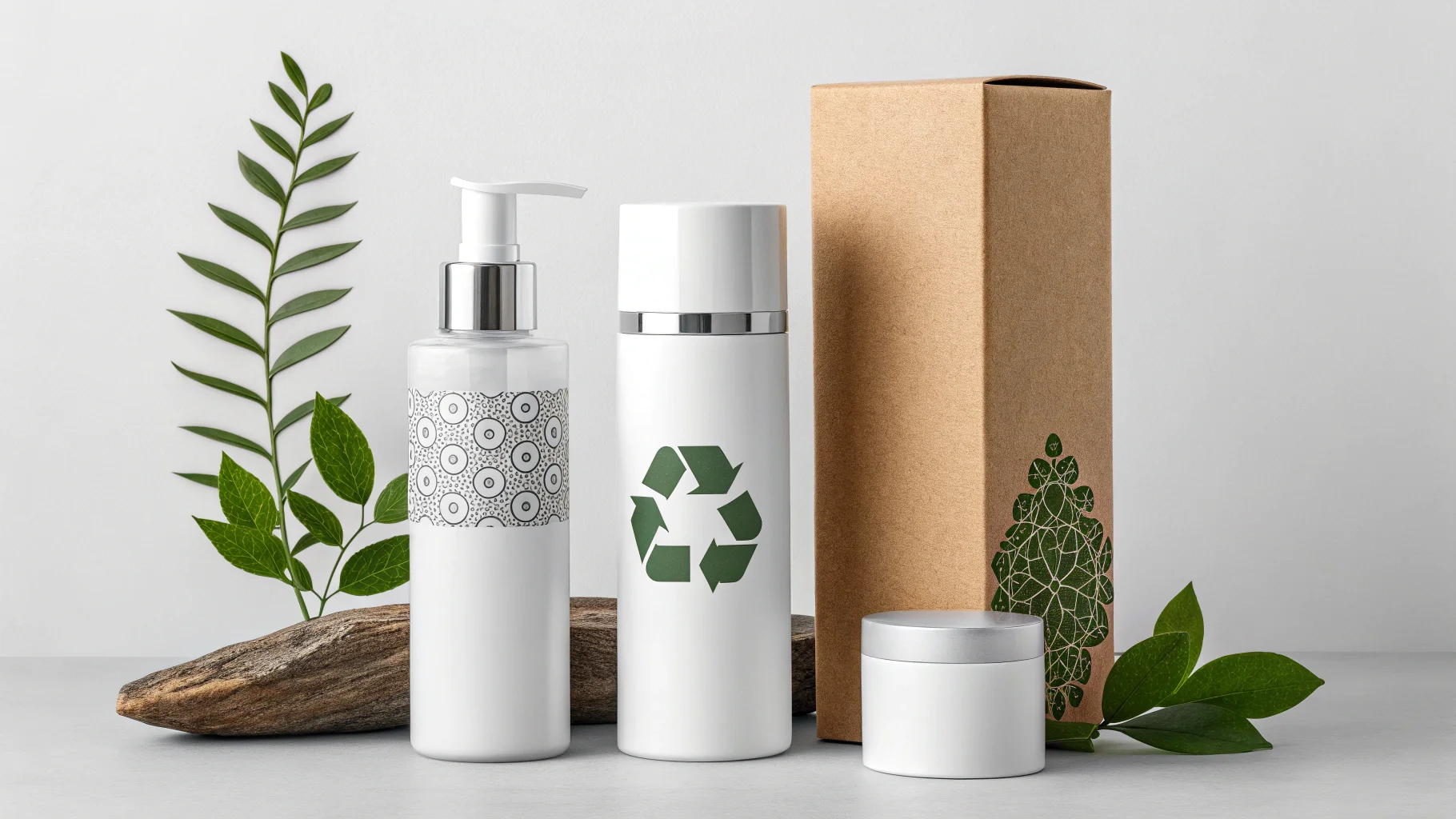
Minimalism is a huge trend, but it's often misunderstood. It isn't just about using less ink or fewer colors. It's about confidence. A minimalist design says that your product is so good, it doesn't need a loud, flashy box to sell it. However, you must be careful. True minimalism6 is very difficult to execute well. Because the design is so simple, any small flaw becomes immediately obvious. The printing must be perfect. The edges of the box must be perfectly sharp. The material quality must be high. I have also seen many brands chase trends without thinking. They add a QR code just because it's popular, but it leads to a broken webpage. That is much worse than having no QR code at all. My advice is to choose trends that fit your brand's unique story and serve your customer. Always remember that reliable, repeatable production beats being trendy every single time.
Minimalism and Clean Lines
This trend focuses on typography, white space, and simple color palettes. It communicates sophistication and lets the quality of the product speak for itself.
The Rise of "Smart" Packaging
This involves integrating technology, like QR codes9 or NFC chips, into the packaging. This can link customers to tutorials, ingredient information, or exclusive content, adding value beyond the physical product.
How do you choose the right material for your boxes?
Your box feels flimsy and cheap. It gets damaged during shipping. Choosing the wrong material can ruin your customer's first impression4 and cost you money in returns.
To choose the right material, consider your product's weight, your brand's image, and your budget. Options range from simple paperboard for lightweight items to rigid board for luxury goods. The material must protect the product and communicate its value effectively.
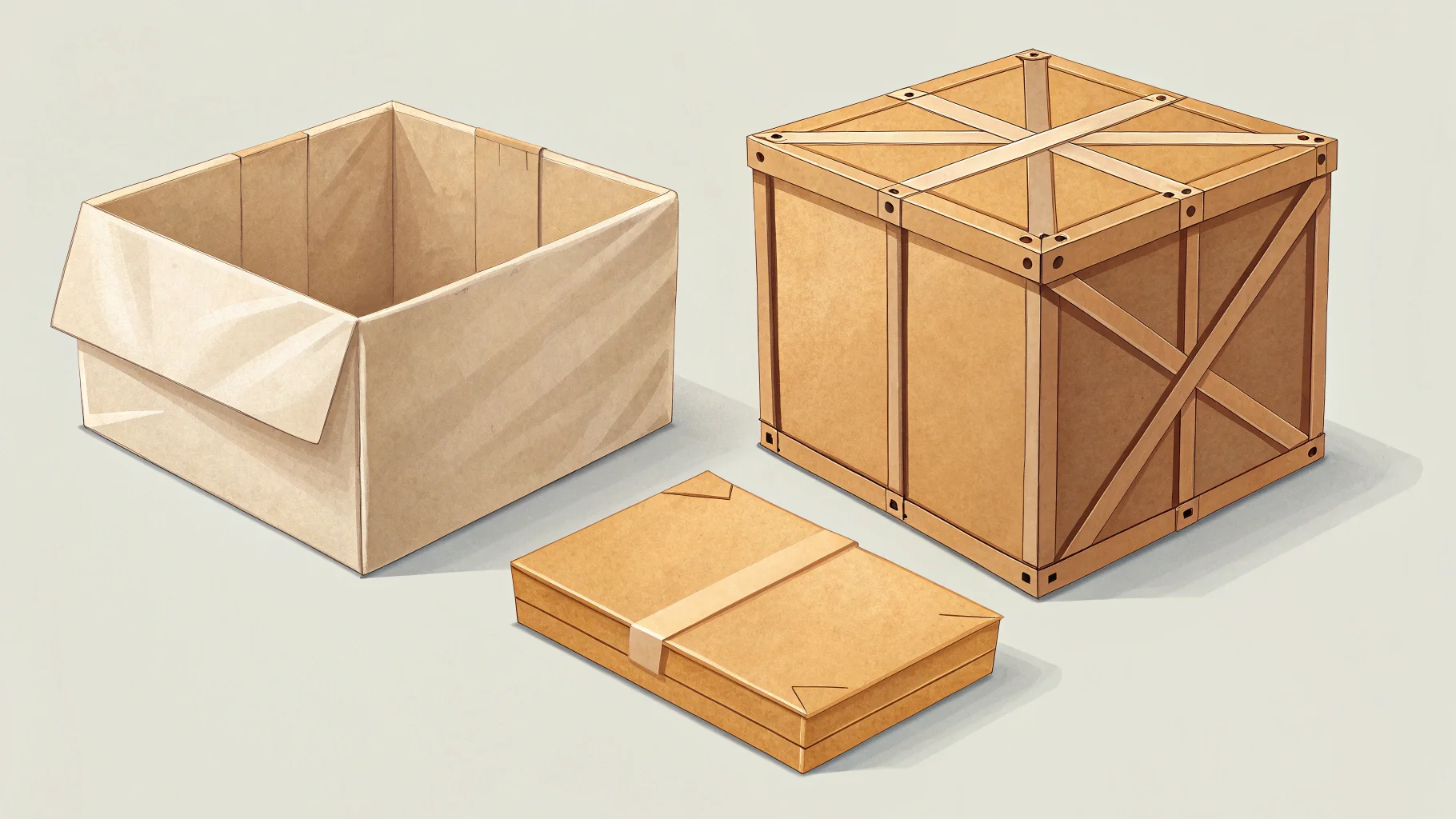
The material you choose is the foundation of your entire package. It is not just about how it looks. It's about how it feels in the customer's hand and how it performs. I once worked with a luxury skincare brand that wanted to use a very thin, recycled paper for their boxes. The idea fit their eco-friendly story perfectly. But their products were in heavy glass jars, and they were breaking during shipment. It was a disaster. We had to switch to a much stronger, thicker recycled board. It cost a little more per box, but it saved them a fortune in damaged goods and unhappy customers. The material must serve the product first. Once it is functional and protective, then you can focus on how it communicates your brand's message.
Common Material Types
The choice of material directly impacts the look, feel, and cost of your packaging.
Matching Material to Brand
A natural, organic brand might choose Kraft paper to convey an earthy feel. A high-tech, clinical brand might choose a smooth, bright white paperboard to look clean and modern.
| Material | Best For | Feel |
|---|---|---|
| SBS Paperboard | Lightweight items (lipsticks, powders) | Smooth, bright white, great for printing |
| Kraft Paper | Natural, eco-friendly brands | Earthy, textured, rustic |
| Rigid Board | Luxury sets, heavy glass items | Sturdy, premium, substantial |
| Corrugated | E-commerce shipping, subscription boxes | Strong, protective, durable |
What surface finishes10 can make your packaging stand out?
Your box looks flat and boring on the shelf. It doesn't have that premium feel11 you want. Simple finishes can transform your packaging from basic to breathtaking.
Surface finishes add texture and visual appeal to your boxes. Common options include matte or gloss lamination, spot UV for highlighting areas, and embossing or debossing for a 3D effect. These details elevate the perceived value and create a tactile experience12.
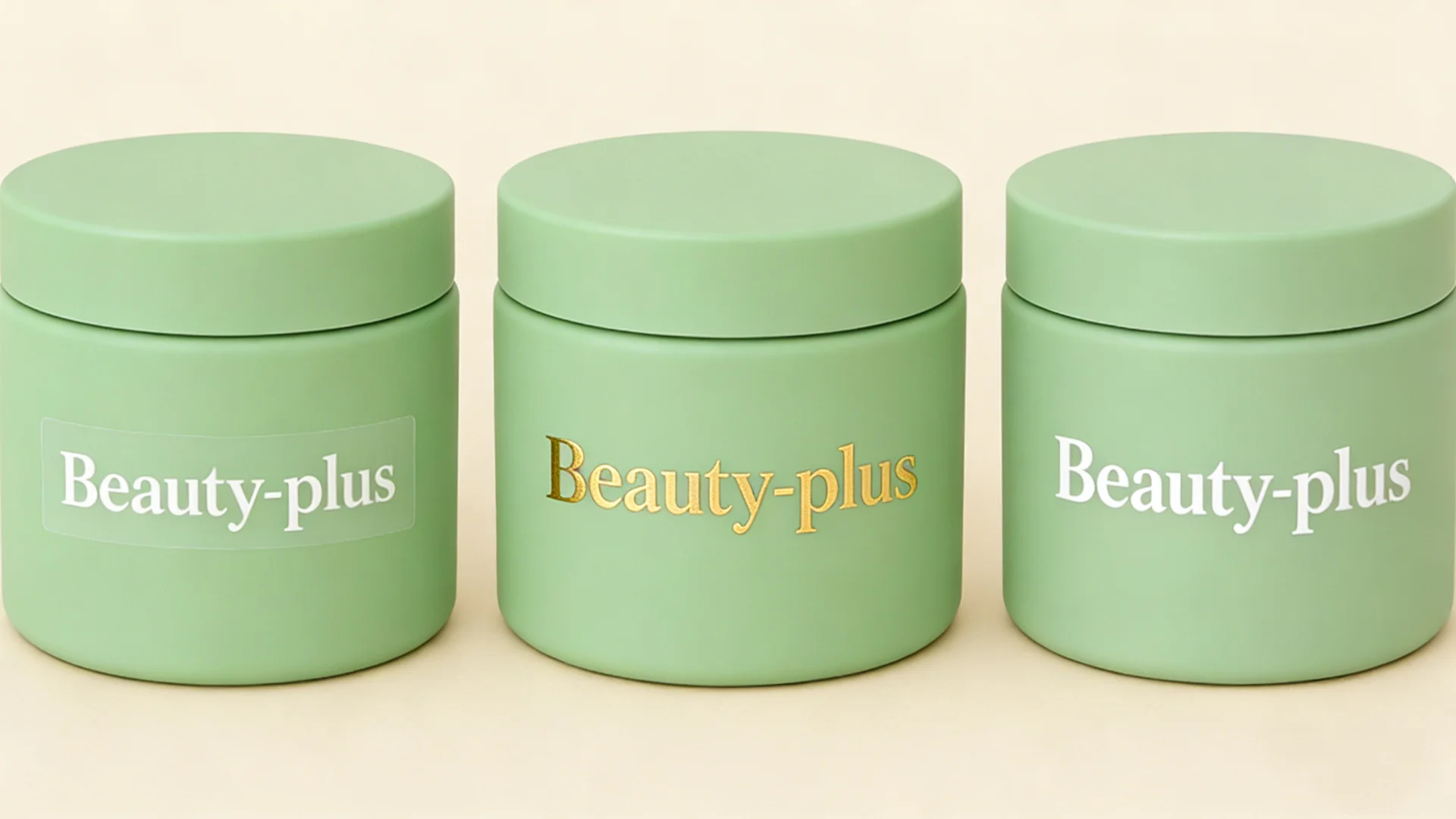
Finishes are where you can inject a lot of personality into your packaging. They are all about the sense of touch. A soft-touch matte lamination feels luxurious, modern, and quiet. A high-gloss UV coating feels energetic, slick, and bold. These choices should not be random. They should connect to your brand's identity. But there is a danger here. Many brands make the mistake of overdoing it. I have seen boxes with gold foil, embossing, spot UV, and a matte finish all at the same time. The result is a mess. It looks confusing and cheap. I always tell my clients that true luxury is about process control, not just adding more decoration. One or two well-executed finishes are far more powerful than five different effects competing for attention. Think about what you want your customer to feel, and let that guide your decision.
Creating a Tactile Experience
Finishes like embossing (raising a design) or debossing (imprinting a design) encourage the customer to touch and interact with the packaging. This creates a stronger physical connection to your brand.
Combining Finishes for Impact
A popular and effective combination is an overall matte lamination with a spot gloss UV on your logo. This creates a subtle contrast between the flat background and the shiny logo, making it pop.
How do you design a box for a great user experience13?
Customers struggle to open your box. The product falls out or is hard to remove. A frustrating unboxing experience can sour a customer's opinion of your amazing product.
A great user experience13 means the box is easy to open, protects the product perfectly, and feels satisfying to handle. Consider things like inserts to hold items in place, magnetic closures for a premium feel11, and structures that present the product beautifully upon opening.
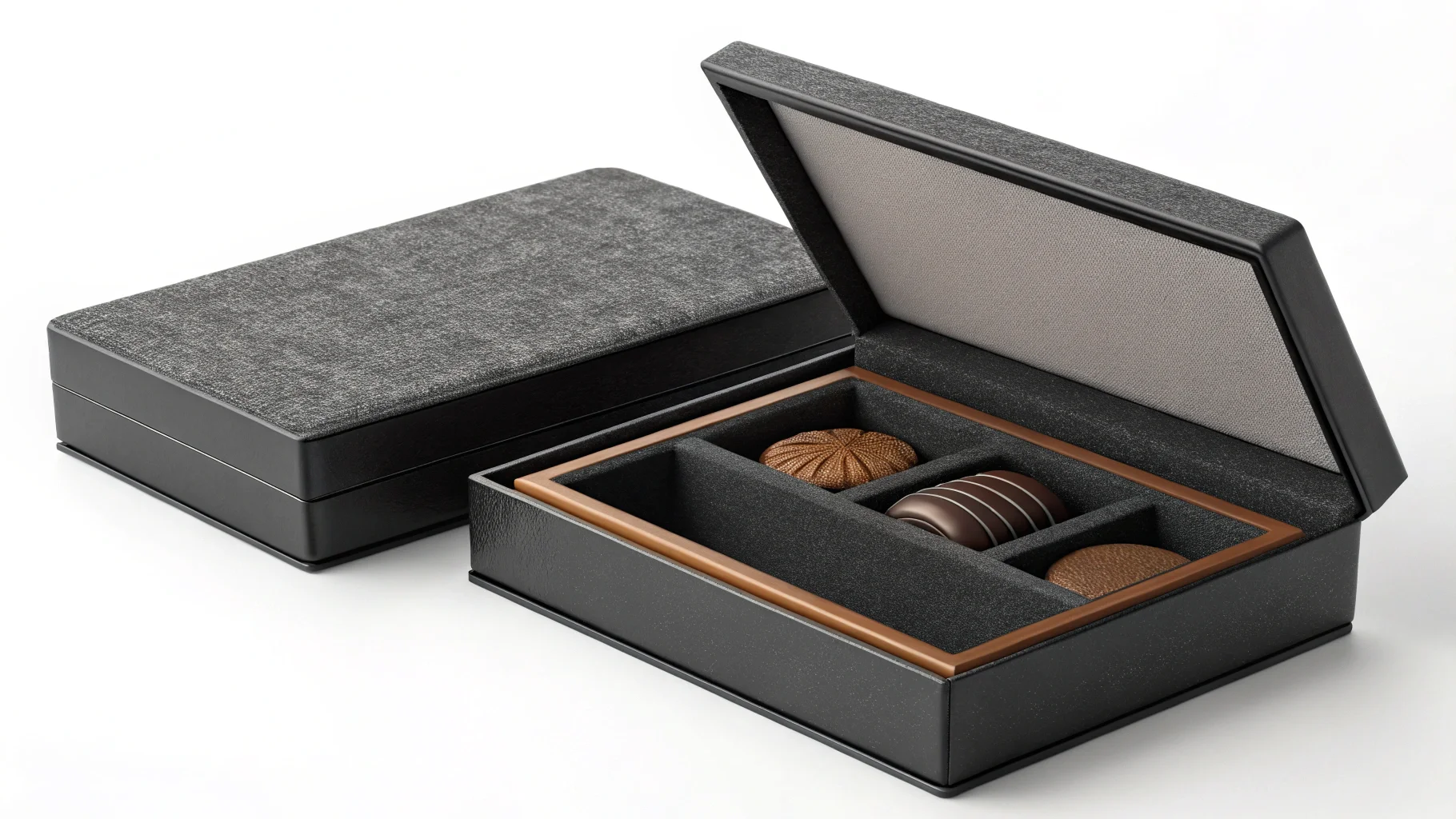
The unboxing experience has become part of the product itself. People even film themselves opening packages and post the videos online. You should think of it as a little ceremony. How does the lid come off? Is it a simple tuck flap, or does it lift off smoothly? Is there a satisfying click from a magnetic closure? What does the customer see first when they open it? I worked with a client who sold delicate vials of serum. Their old box just had the vials rolling around loose inside. We designed a simple custom foam insert with perfect cutouts for each vial. It was a small change, but it transformed the experience. The product suddenly felt more valuable, more secure, and more special. Customers even started mentioning the great packaging in their online reviews. Function is not boring. It is about showing respect for your customer and for your product.
The Unboxing Ritual
Think about the steps a customer takes to open the box. Can you create a "reveal" moment? Using tissue paper or an inner sleeve can add a layer of anticipation and make the experience feel more special.
Practicality is Key
A great user experience13 also includes practical considerations. Does the box stack well on a retail shelf? Is it easy for a store employee to handle? Can it survive the journey through the mail without being crushed? These details are just as important as the beautiful print on the outside.
How can you make your packaging sustainable in a practical way?
You want to be eco-friendly, but sustainable options seem too expensive or not protective enough. It feels like you have to choose between your values and your budget.
Practical sustainability7 involves choosing materials that are recycled, recyclable, or from responsible sources like FSC-certified forests14. It also means designing for minimal waste. Avoid excessive layers and use soy-based inks. The goal is a lower environmental impact that is still manufacturable.
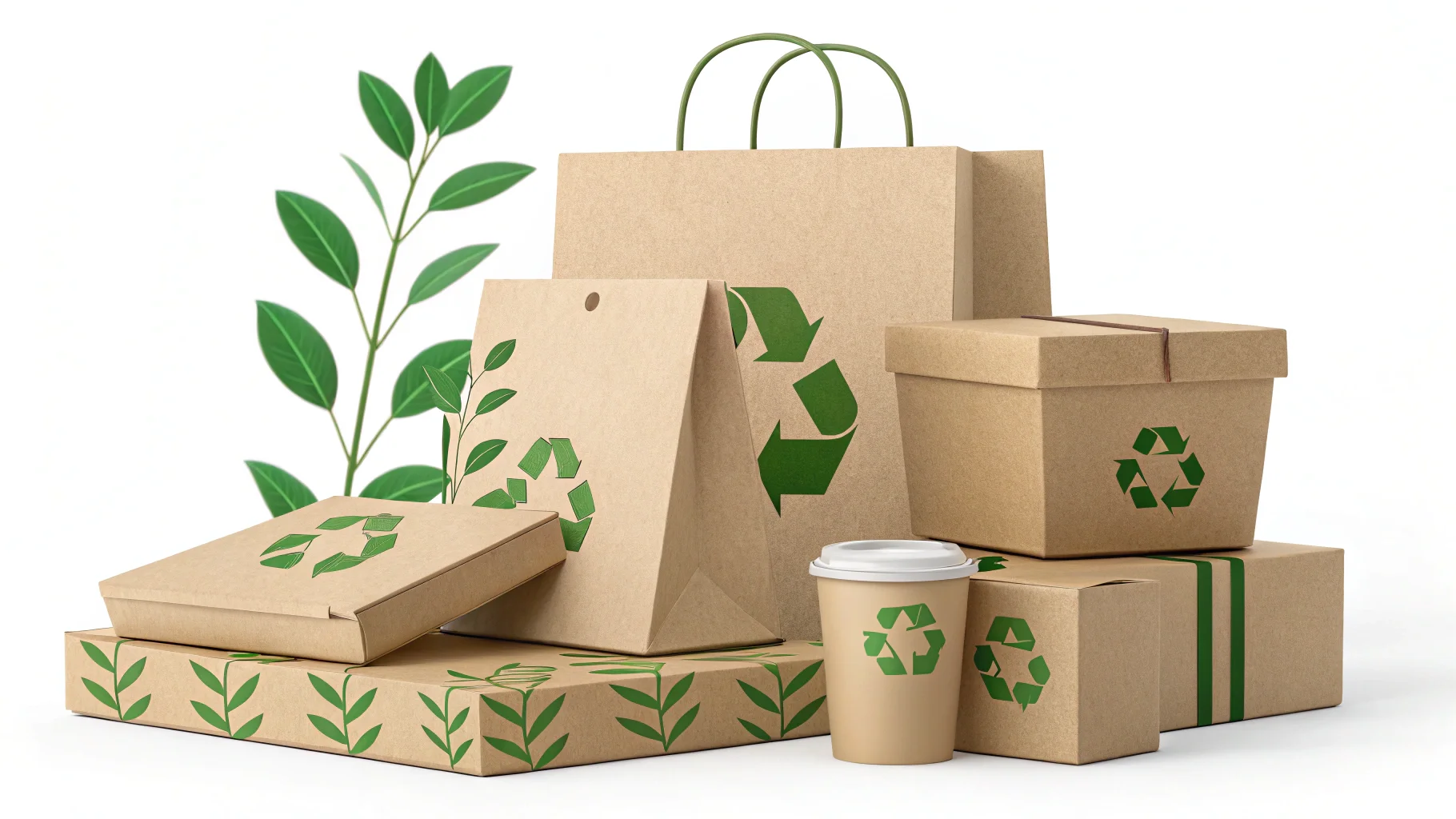
The word "sustainable" can feel big and overwhelming. Let's make it simple. Can your customer put the entire box in their recycling bin without having to separate different parts? Did you use paper that is already made from recycled materials? That is a fantastic start. Another thing I always push my clients to think about is "right-sizing15" their packaging. Don't put a tiny lipstick in a huge box that is mostly filled with plastic inserts. It's incredibly wasteful, it increases your shipping costs, and it honestly just annoys the customer. A well-designed, sustainable package uses the least amount of material necessary to protect the product effectively. This approach is good for the planet and good for your budget. It's not about making grand, expensive gestures. It's about making a series of smart, responsible choices throughout the design and production process.
Beyond the Buzzwords
Look for certifications like FSC (Forest Stewardship Council), which ensures the paper comes from responsibly managed forests. Ask your manufacturer about using vegetable or soy-based inks instead of traditional petroleum-based ones.
Designing for Less Waste
Think about the entire lifecycle of your package. Can you design it to be easily flattened for recycling? Can you avoid using plastic laminations that make paper non-recyclable? Simple structural design can often eliminate the need for extra glue or plastic inserts.
Why should you involve your manufacturer from the beginning?
Your final design is complete, but the manufacturer says it's impossible to produce. Now you're facing costly redesigns and major delays. This is a common and avoidable nightmare.
Involving your manufacturer early is crucial. They can provide feedback on your design's feasibility, suggest cost-effective materials, and identify potential production issues before they become problems. This collaboration saves time, reduces costs, and ensures a better final product.

This is the single most important piece of advice I can give you. I have seen this exact scenario play out hundreds of times. A brand will spend months working with a designer to perfect a concept in a vacuum. They fall in love with their design. Then they send the files to a manufacturer like me, and I have to be the bearer of bad news. I have to tell them the specific paper they chose always cracks on the fold lines. Or the beautiful thin font they used will fill with ink and become unreadable when printed. It's heartbreaking for them, and it causes huge delays. Bringing your manufacturing partner in at the start changes everything. It turns the process from a transaction into a partnership. We can look at a concept and say, "That's a great idea, but if we change this one angle by two degrees, we can produce it 20% faster and it will be much stronger." Early supplier involvement is not just a nice idea; it is the best way to reduce risk and save money.
The Cost of Waiting
Redesigning a project late in the game is expensive. You have to pay the designer again, and you lose valuable time you could have been selling your product. A one-hour conversation at the beginning can save you weeks of delays and thousands of dollars.
A Partnership, Not a Transaction
View your manufacturer as part of your team. They have years of experience and know what works and what doesn't. Use their expertise. Ask them questions. They want you to succeed because your success is their success.
What are the biggest mistakes brands make with their packaging?
You've invested a lot in your packaging, but it's not delivering results. Sales are flat, and customers aren't impressed. You might be making one of these common mistakes.
The biggest mistakes include over-designing the box, choosing trends that don't match the brand, and ignoring the manufacturing process until the end. Another key error is not testing the packaging for shipping durability, leading to damaged products and unhappy customers.
One of the most common mistakes I see is thinking that more decoration equals more luxury. Brands will add gold foil, ribbons, embossing, and five different finishes to a single box. The result is almost always a cluttered mess that looks cheap, not premium. I always say that true luxury is found in process control. It's a box with perfectly sharp 90-degree edges, flawless color consistency from the first box to the ten-thousandth, and a lid that fits with a satisfying, snug feel. That level of precision shows more quality and care than a dozen flashy effects ever could. Another big mistake is blindly chasing trends. Your packaging should be designed to have a long life. A design that looks super trendy today might look completely dated in a year. It is much better to focus on a timeless design that reflects your core brand values. Reliable, repeatable production will always be more valuable to your business than the flavor of the month.
More Is Not Always More
Simplicity is often more impactful. A clean, confident design can stand out more on a crowded shelf than a loud, busy one. Focus on one or two key features and execute them perfectly.
Forgetting the Journey
Many brands forget to test how their packaging holds up during shipping. I always tell my clients to mail a fully packaged product to themselves. See how it looks when it arrives. Is it dented? Is the product scuffed? This simple test can save you from a flood of customer complaints.
What actionable steps can you take to start today?
Feeling overwhelmed by all the details? You know you need better packaging but don't know where to start. Here is a clear, simple path to get you moving forward.
Start by clearly defining your brand identity and budget. Then, research materials and find a manufacturing partner you can collaborate with early. Create a simple design brief that outlines your goals for the packaging, including function, aesthetics, and sustainability requirements.
The most important thing is to not try to do this alone. The best packaging is born from collaboration. You need to get your key players talking to each other from day one. This means your designer, your marketing team, and your manufacturer should all be in the same room, or on the same video call, at the very beginning of the project. Each person brings a critical perspective. The marketing team knows the target customer. The designer knows aesthetics and visual communication. The manufacturer knows the physical realities of production. When these three work together as a team, you create packaging that is beautiful, speaks to your customer, and can actually be produced on time and on budget. That is the magic formula.
Your Quick-Start Checklist
Getting started can be the hardest part. Use this simple table to organize your first steps and build momentum.
Building Your Team
Your team is your greatest asset. Choose a designer who understands print and a manufacturer who is willing to be a partner, not just a vendor.
| Step | Action |
|---|---|
| 1. Define | Who is your customer? What is your brand story? What is your budget per box? |
| 2. Brief | Write a simple one-page document with your goals, inspiration, and requirements. |
| 3. Partner | Find a manufacturer you trust. Share your brief with them and ask for feedback. |
| 4. Design | Develop initial concepts with your manufacturer's input on feasibility. |
| 5. Prototype | Always get a physical sample. Test it. Hold it. Ship it to yourself. |
Conclusion
Creating the ultimate cosmetic box is a process. It requires balancing design, function, and manufacturing. By following these steps and collaborating early, you can create packaging that truly represents your brand.
Explore how custom boxes can enhance your brand's visibility and appeal to customers. ↩
Learn how aligning your packaging with your brand identity can attract more customers. ↩
Discover the importance of functional design in creating effective packaging solutions. ↩
Understand how first impressions can impact customer perceptions and sales. ↩
Identify the common pitfalls in packaging design and how to avoid them. ↩
Explore the principles of minimalism and how they can elevate your packaging. ↩
Learn practical ways to make your packaging more sustainable without compromising quality. ↩
Discover how interactive packaging can engage customers and enhance their experience. ↩
Discover how integrating QR codes can provide added value and information to customers. ↩
Discover how surface finishes can enhance the visual appeal and tactile experience of your packaging. ↩
Explore the design elements that can elevate your packaging to a premium level. ↩
Understand how tactile experiences can influence customer perceptions and satisfaction. ↩
Understand the role of packaging design in creating a positive user experience. ↩
Learn about the significance of using materials from responsibly managed forests. ↩
Explore the concept of right-sizing and its benefits for sustainability and cost. ↩