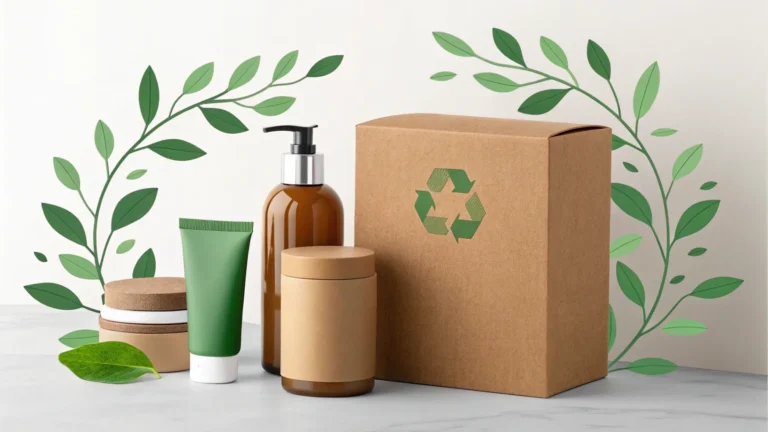
Your current packaging might be creating waste, turning off modern buyers. This damages your brand and the planet. I can show you how smart, eco-friendly packaging solves this problem for good.
Eco-friendly cosmetic packaging uses sustainable materials1 and minimalist designs2 to reduce environmental impact3. It helps brands attract conscious consumers4, meet regulations, and build a positive image by showing a real commitment to the planet. It’s a smart business move.
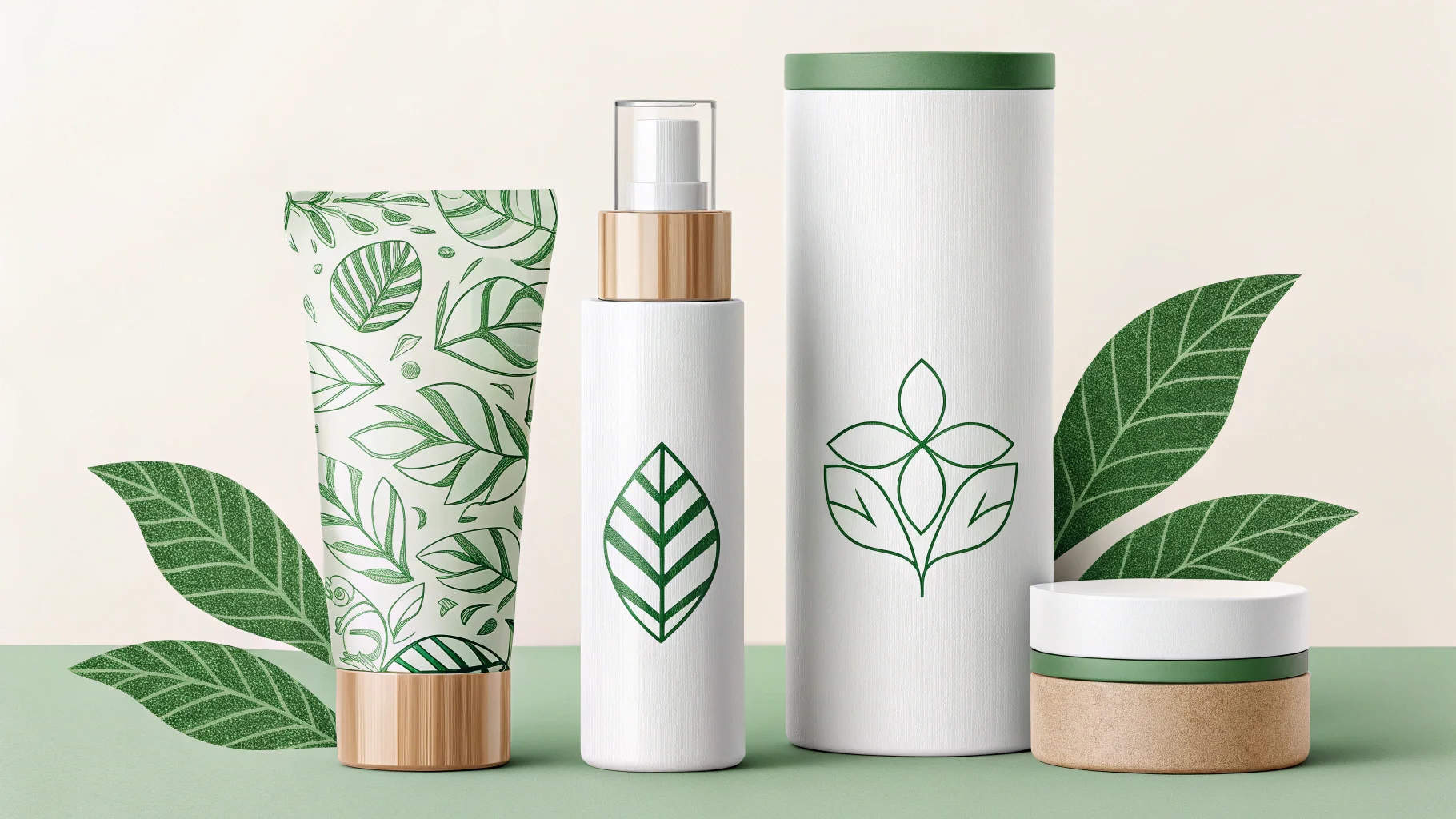
I’ve seen dozens of brands make the switch to sustainable packaging. It can feel like a huge task, but the rewards are even bigger. Customers don't just buy a product anymore; they buy into a brand's values. Getting your packaging right is one of the most visible ways to show them what you stand for. Let's break down how you can do it right and avoid the common pitfalls I've seen along the way.
What Is Eco-Friendly Cosmetic Packaging and Why Does It Matter in 2025?
Many brands feel confused by all the "eco-friendly" terms out there. This confusion can lead to accidental greenwashing5 and lost customer trust. Let's define it clearly so you can act with confidence.
It's packaging designed to be safe for the environment throughout its life. This means using recycled or renewable materials, minimizing waste, and ensuring it can be easily recycled or composted. In 2025, it's non-negotiable for customer loyalty6 and brand relevance.
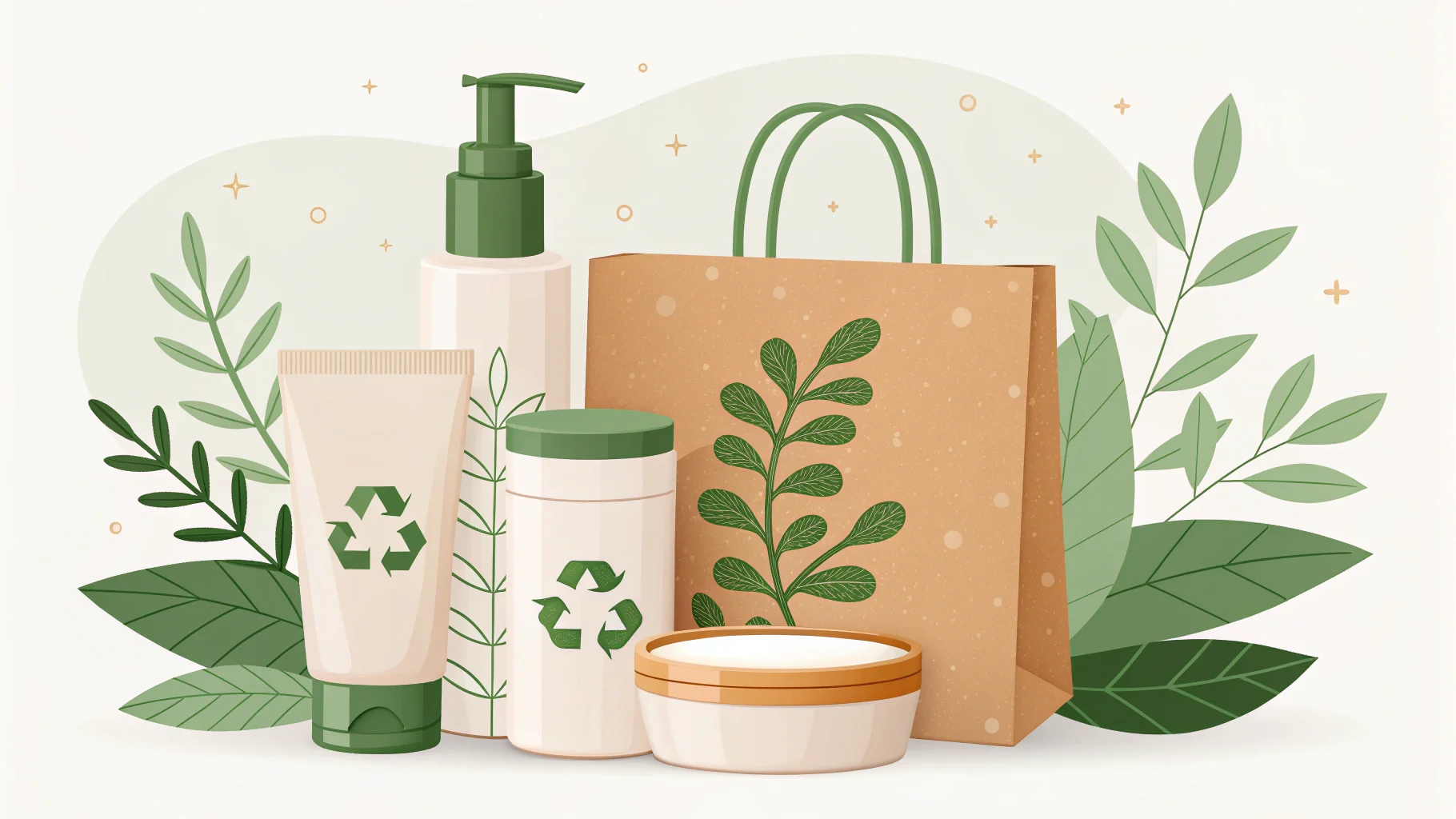
When I talk about eco-friendly packaging, I encourage clients to think about its entire journey. It's not just about the material you choose. It's a complete life cycle approach. I break it down into three main stages to make it easier to understand.
The Three Stages of a Packaging's Life
- Sourcing: This is where it all begins. Are the raw materials renewable, like bamboo or paper from managed forests? Or are they made from recycled content, like post-consumer recycled (PCR) plastics? The goal here is to reduce the demand for new, virgin resources from the planet.
- Use: This stage is about efficiency. Is the packaging lightweight to reduce shipping emissions? Is the design minimalist to use less material overall? This is also where refillable and reusable models come into play, extending the life of the primary container.
- End-of-Life: What happens after your customer is done with it? This is a critical question. Can it be easily recycled in most local systems? Is it certified compostable? The worst-case scenario is that it ends up in a landfill.
Understanding these stages helps you make smarter, truly sustainable choices7.
| Stage | Key Question | Example of a Good Choice |
|---|---|---|
| Sourcing | Where does the material come from? | Using FSC-certified paper8board. |
| Use | How efficient is the packaging? | A lightweight glass jar with a refill pod. |
| End-of-Life | What happens to it after use? | A mono-material aluminum tube. |
What Are The Common Materials Used in Eco-Friendly Cosmetic Packaging?
Choosing the right material feels overwhelming with so many options. A wrong choice can be costly, ineffective, and even bad for the environment. I will break down the most popular options to make it simple.
Brands often use post-consumer recycled (PCR) plastic, glass, aluminum, and FSC-certified paper8. Newer options include bamboo, mushroom packaging, and compostable bioplastics. The best choice depends on your product, brand aesthetic, and budget.
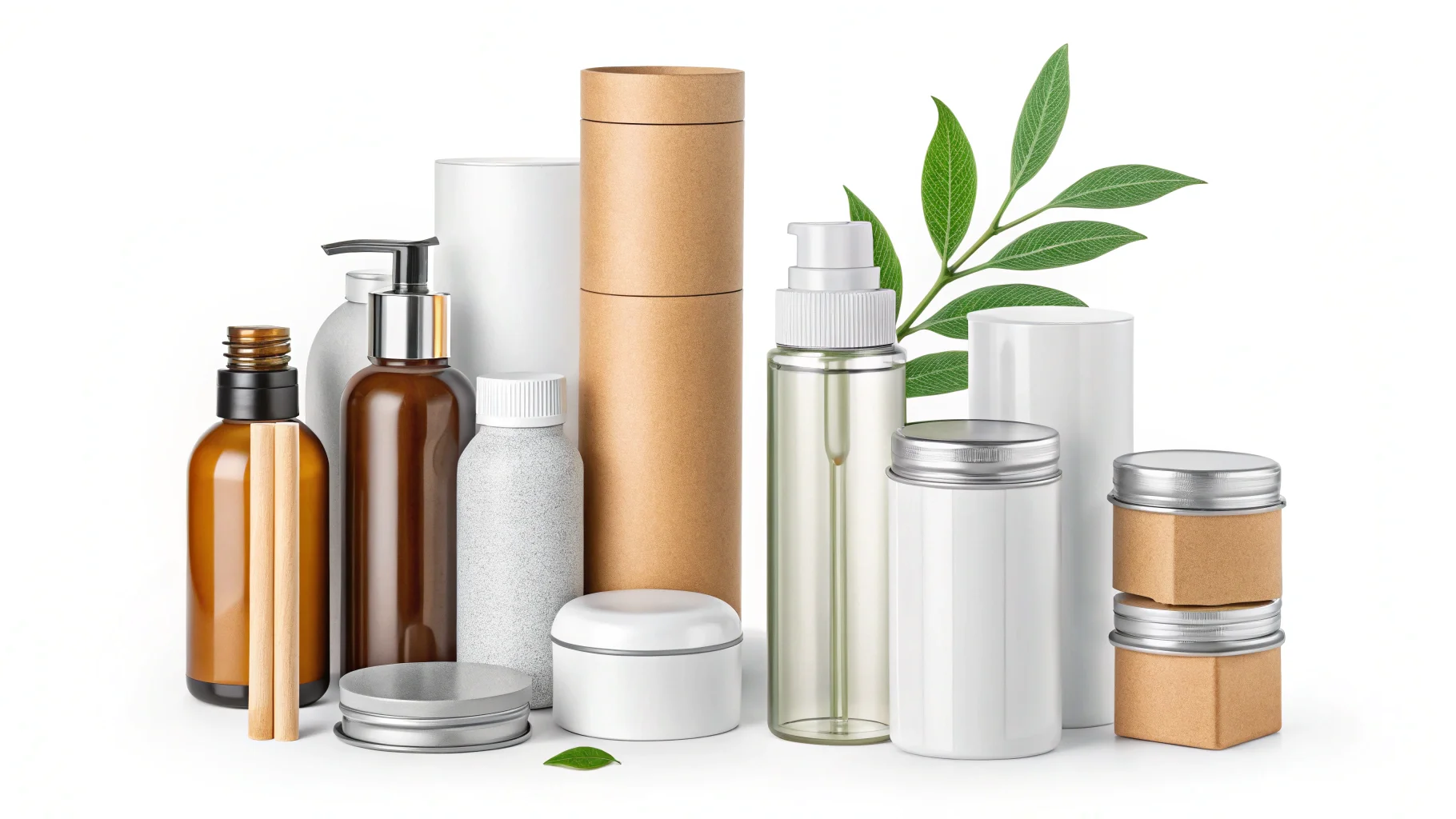
Over the years, I've worked with almost every type of "green" material available. Each one has its own set of benefits and challenges. There is no single "perfect" material. The best choice is always the one that fits your specific product, your brand's story, and your operational capabilities. Let's look at some of the most common materials I recommend to clients and compare them.
Comparing Sustainable Materials
This table should give you a quick overview to start the conversation. Remember to think about how your customers will handle the disposal. For example, glass is heavy to ship but is infinitely recyclable. Bamboo looks great but its end-of-life can be tricky.
| Material | Pros | Cons | Best For |
|---|---|---|---|
| PCR Plastic | Lightweight, versatile, uses recycled waste. | Can have color/quality variations. | Lotions, shampoos, cleansers. |
| Glass | Infinitely recyclable, premium feel, protects contents. | Heavy, breakable, higher shipping emissions. | Serums, creams, foundations. |
| Aluminum | Lightweight, highly recyclable, good barrier. | Dents easily, can be expensive. | Deodorants, balms, tubes. |
| FSC Paper | Renewable, compostable, lightweight. | Not suitable for wet products without a liner. | Secondary packaging, dry powders. |
| Bamboo | Fast-growing, renewable, attractive look. | Often has a plastic inner liner, hard to recycle. | Lids, compacts, outer cases. |
What Are 10 Practical Eco-Friendly Cosmetic Packaging Ideas?
You want sustainable ideas but often find only abstract concepts. This makes it hard to take real action. Here are ten concrete ideas you can start exploring for your brand right now.
Focus on refillable containers9, minimalist "naked" packaging, and seed paper that grows into plants. Also, consider single-material (mono-material) designs for easy recycling, water-soluble packaging, and offering product refills to reduce waste from the start.
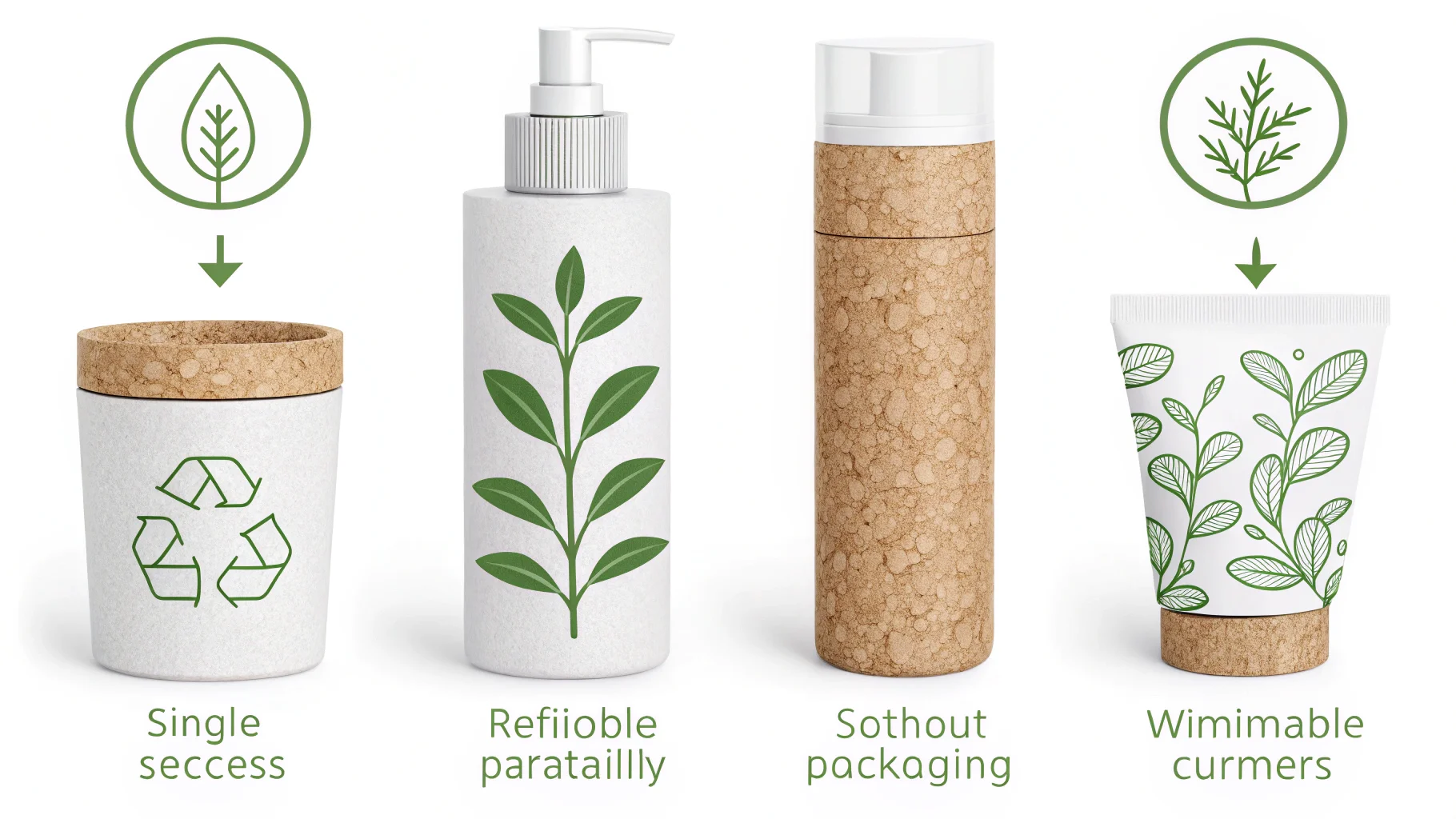
I always tell my clients that innovation in sustainability is about being practical, not just aspirational. You need ideas that work in the real world. Here are some of the most effective and creative strategies I've helped brands implement.
Actionable Ideas for Greener Packaging
- Refillable Systems: Design a beautiful, durable primary container and sell the product in simple, low-waste refill pods. This builds customer loyalty6 and drastically cuts waste.
- Mono-Material Design: Use only one type of material for the entire package (e.g., an all-aluminum tube and cap). This makes recycling incredibly easy for consumers.
- 'Naked' or Minimalist Packaging: If possible, remove the outer box. For solid products like shampoo bars, a simple paper band is often enough.
- Recycled Content: Actively choose materials with a high percentage of post-consumer recycled (PCR) content. This creates a market for recycled materials10.
- Lightweighting: Redesign your packaging to use less material. Can that glass jar be thinner? Can the box be smaller? Every gram saved matters.
- Water-Soluble Packaging: For single-use items like bath bombs or pods, consider packaging that simply dissolves in water, leaving no trace.
- Plantable Packaging: Use seed paper for your boxes or labels. After use, customers can plant it and grow flowers or herbs.
- Soy-Based Inks: Switch from petroleum-based inks to vegetable- or soy-based inks11. They are less harmful to the environment.
- Smart Structural Design: Forget glue. Use clever folding and tabs to create boxes that hold together on their own. This makes them easier to recycle.
- Compostable Materials: For items with a short life, look into certified home-compostable materials12 like PLA, but be sure your customers can actually compost them.
How Do You Choose the Right Sustainable Packaging for Your Cosmetic Brand?
You want the perfect eco-package but don't know where to start your search. This uncertainty can paralyze your progress and lead to poor decisions. I'll give you a simple framework for making a choice.
First, analyze your product's needs, like light protection or durability. Then, consider your brand's values and your customer's expectations. Finally, evaluate the entire lifecycle of the material, from sourcing to disposal, not just its "green" label.
I guide my clients through a decision-making process that I've refined over many projects. It’s not just about picking a material from a list. It’s a strategic choice that needs to align with your entire business. A rushed decision here can be very costly. Here are the steps I recommend you follow to make a confident and informed choice for your brand.
A Step-by-Step Guide to Selection
Step 1: Analyze Your Product's Needs
What does your formula require? Does it need protection from UV light? Does it need to be airtight? Is it a liquid, a solid, or a powder? The packaging's first job is to protect the product. A sustainable package that fails to do this creates waste, which isn't sustainable at all.
Step 2: Align with Your Brand Identity
What is your brand's price point and aesthetic? A luxury serum might feel right in heavy glass, while a fun, youthful brand might use colorful PCR plastic. Your packaging is a key part of your brand story. Make sure the material you choose tells the right one.
Step 3: Understand Your Customer
Where do your customers live? What are their local recycling capabilities? Choosing a material that can't be recycled in their area is not a real solution. You also need to know if they value convenience, luxury, or pure minimalism.
Step 4: Evaluate the Full Lifecycle
Don't just look at the material itself. Consider its entire journey. How much energy does it take to produce? How far does it have to be shipped? What happens to it after it's used? A true lifecycle assessment (LCA) is complex, but even asking these basic questions will lead you to a much better decision.
What Certifications and Compliance Should You Know?
Navigating the world of eco-certifications is like learning a new language. Misunderstanding the logos and acronyms can lead to making false claims. I'll clarify the most important ones for you.
Look for certifications like Forest Stewardship Council (FSC) for paper, Cradle to Cradle for circular design, and B Corp for overall business ethics. These logos provide third-party verification of your eco-claims, building trust with your customers.
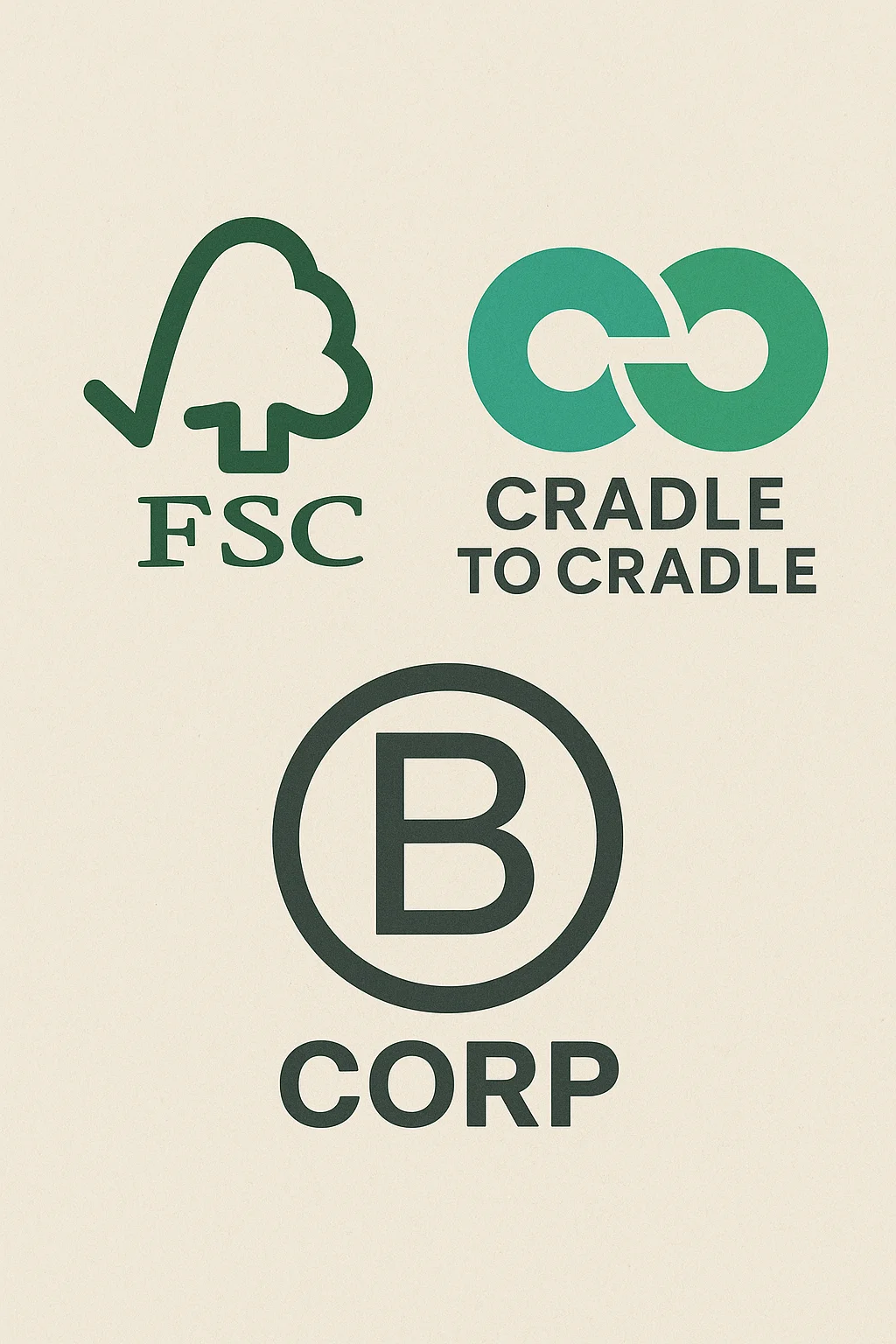
When I see a brand using a certification, it tells me they've done their homework. These logos aren't just for show; they are proof that a third party has verified your claims. This is the single best way to avoid greenwashing5 and build real credibility with today's savvy consumers. However, not all certifications are created equal. Some are about materials, while others are about the company as a whole. Here are a few of the most respected and relevant certifications for the beauty industry.
Key Certifications Explained
| Certification | What It Means | Why It Matters |
|---|---|---|
| FSC (Forest Stewardship Council) | Guarantees that paper and wood products come from responsibly managed forests that provide environmental, social, and economic benefits. | This is the gold standard for any paper or cardboard packaging. It assures customers that you are not contributing to deforestation. |
| B Corp Certification | A comprehensive certification that assesses a company's entire social and environmental performance, from supply chain to employee benefits. | This shows a deep, company-wide commitment to being a force for good. It's about more than just packaging; it's about your entire business. |
| Cradle to Cradle Certified® | A globally recognized measure of safer, more sustainable products made for the circular economy. It assesses products across five categories of sustainability. | This is for brands that are serious about circular design. It means your packaging is designed to be safely returned to nature or industry. |
| Climate Neutral Certified | This label means a company has measured its entire carbon footprint, offset it, and implemented plans to reduce future emissions. | It's a clear and powerful statement that your brand is taking full responsibility for its carbon emissions, which is a major concern for many consumers. |
What Are The Common Mistakes Brands Make with 'Eco' Cosmetic Packaging?
Brands try to be eco-friendly but often make critical errors along the way. These mistakes can backfire, costing them money and, more importantly, customer trust. Let's look at the common pitfalls to avoid.
A big mistake is "greenwashing5"—making misleading or vague claims. Another is choosing a "green" material that isn't recyclable in practice. Brands also forget that complex, multi-material "eco" packaging can be worse than a simple, recyclable alternative.
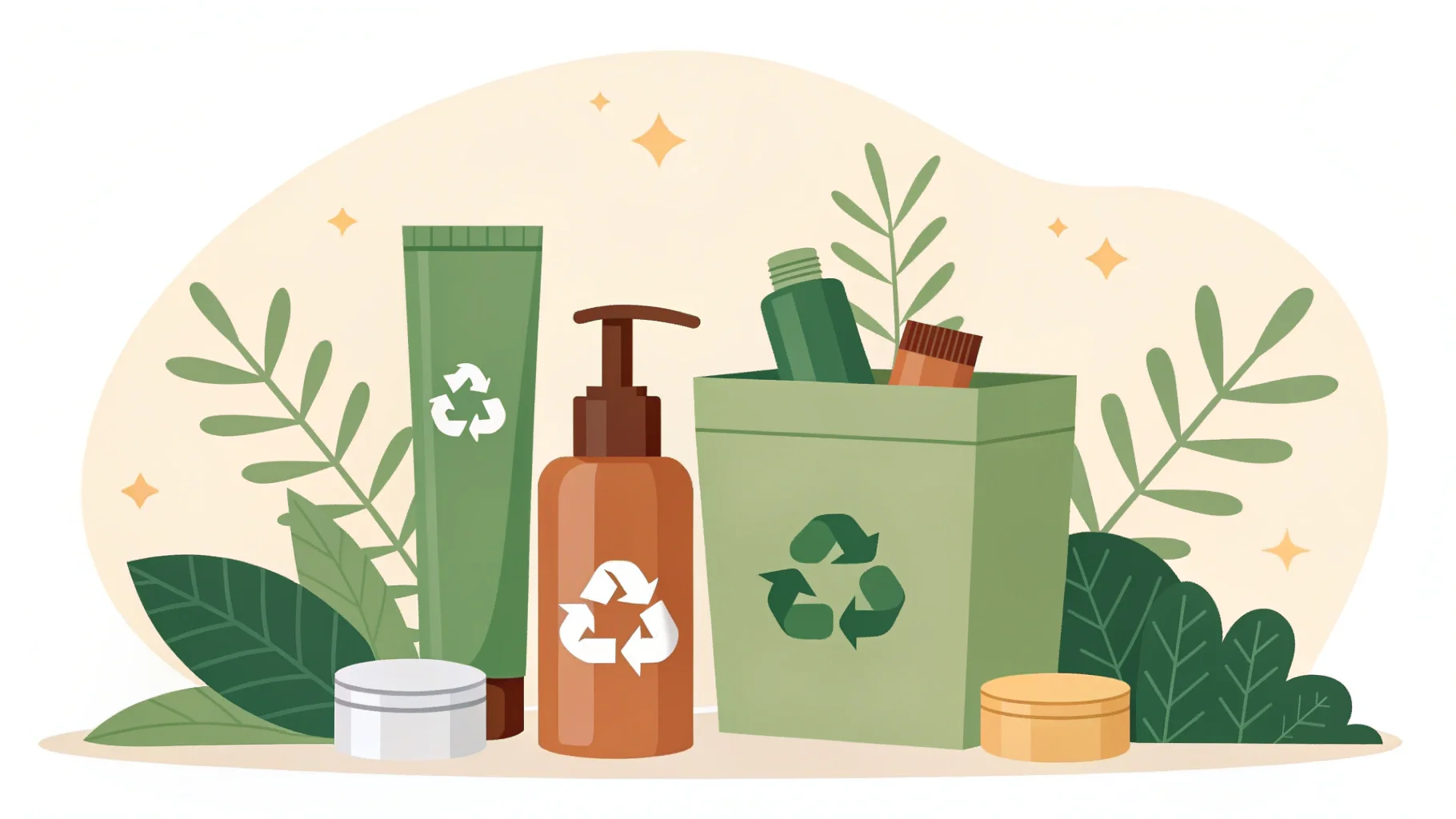
I've been in meetings where well-intentioned teams have presented what they thought was the perfect eco-friendly package. But a closer look revealed a critical flaw that would undermine all their efforts. It happens all the time. The road to sustainability is paved with good intentions, but you need to be aware of the common traps.
Pitfalls to Avoid on Your Journey
1. The "Greenwashing" Trap
This is the most dangerous mistake. Using vague terms like "eco-friendly" or "earth-kind" without any specific proof is a huge red flag for consumers. Always be specific. Instead of "eco-friendly box," say "box made from 90% post-consumer recycled paper and is fully recyclable."
2. Choosing a "Wish-cycled" Material
Some materials, like certain bioplastics or compostable plastics, seem great on paper. But they often require industrial composting facilities that are not available to the average consumer. If your customer has to throw it in the trash, it's not a sustainable solution. This is what I call "wish-cycling."
3. Overlooking Recyclability
I once saw a brand use a beautiful recycled paper tube for a lip balm. The problem? The mechanism inside was plastic, and the two materials were glued together. This made the entire package impossible to recycle. Always design for easy disassembly and use mono-materials whenever possible.
4. Forgetting About the Big Picture
A brand might switch to a heavy glass jar to avoid plastic. But if that jar is being shipped across the world, the carbon emissions from transport could be far worse than using a lightweight, locally-sourced PCR plastic container. You have to consider the entire system.
How Can Beauty Brands Be Sustainable Without Sacrificing Design?
You might fear that eco-friendly packaging has to look boring, brown, and cheap. This fear can make you hesitate to change your beautiful packaging. I'll show you that sustainability can actually enhance your luxury aesthetic.
The key is smart design. Use minimalist structures, high-quality mono-materials like glass or aluminum, and elegant typography. Embossing or clever paper folds can create a premium feel without using plastics or complex inks. Sustainability is the new luxury.
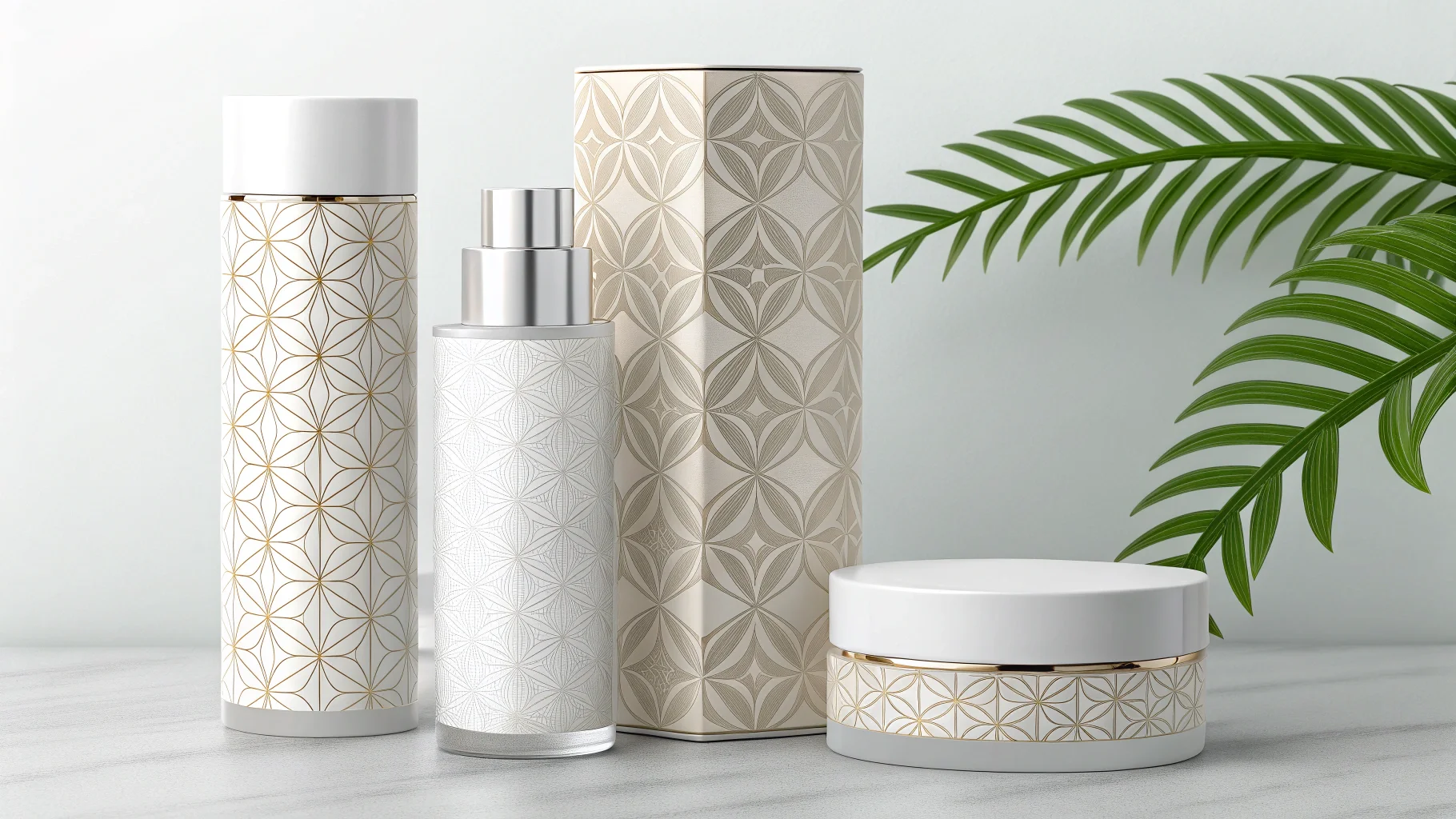
In my experience, the most successful eco-conscious brands don't see sustainability and design as a trade-off. They see them as two sides of the same coin. A well-designed package is efficient, thoughtful, and intentional. A sustainable package is exactly the same. The real magic happens when you stop thinking only about materials and start thinking about the entire structure.
The Power of Structural Minimalism
So many clients come to me asking, "What's the best new green material?" They want to swap their current plastic for something made from corn or algae. But I often steer the conversation in a different direction. I tell them that simplifying their packaging structure is often a much more impactful, and elegant, solution.
I worked on a project for a skincare brand that had a complex box with a separate inner platform to hold the bottle. They wanted to remake the whole thing out of a new, expensive eco-material. Instead, I suggested we redesign the box itself. We created a clever, single-piece folded design from standard FSC-certified paperboard. It eliminated the need for the platform and used 30% less material overall. The final package looked cleaner, more modern, and was far more sustainable. It also cost them less to produce. This is the power of smart design. Elegance and sustainability often come from reduction, not addition.
Conclusion
Eco-friendly packaging is not just a trend, it's a core business strategy. By choosing smart materials and simple, thoughtful designs, your brand can be both beautiful and responsible.
Learn about various sustainable materials that can reduce your environmental impact. ↩
Discover how minimalist designs can reduce waste and appeal to modern consumers. ↩
Explore the environmental impact of cosmetic packaging and how to mitigate it. ↩
Understand the values of conscious consumers to better align your packaging strategy. ↩
Find out how to avoid greenwashing and build trust with your customers. ↩
Understand the connection between sustainable packaging and increased customer loyalty. ↩
Learn how to make informed sustainable choices in your packaging design process. ↩
Understand the importance of FSC certification in promoting responsible forestry. ↩
Learn how refillable containers can significantly cut down on packaging waste. ↩
Explore the benefits of using recycled materials to enhance sustainability. ↩
Explore the environmental advantages of switching to soy-based inks. ↩
Find out which compostable materials are effective and environmentally friendly. ↩