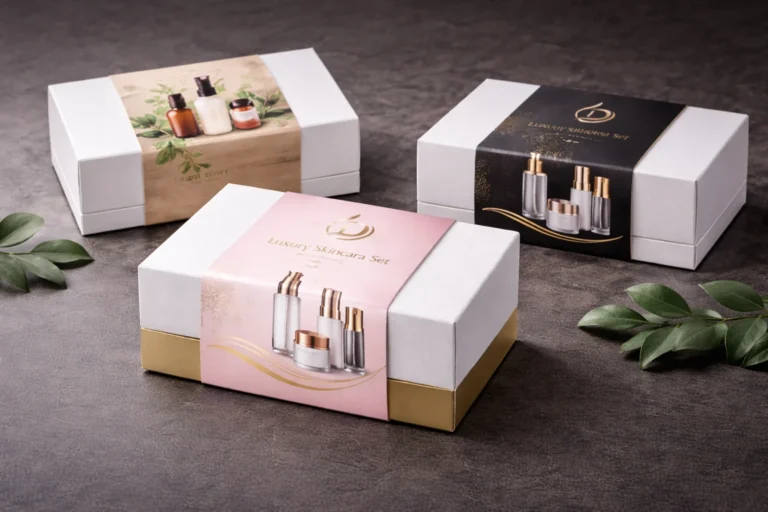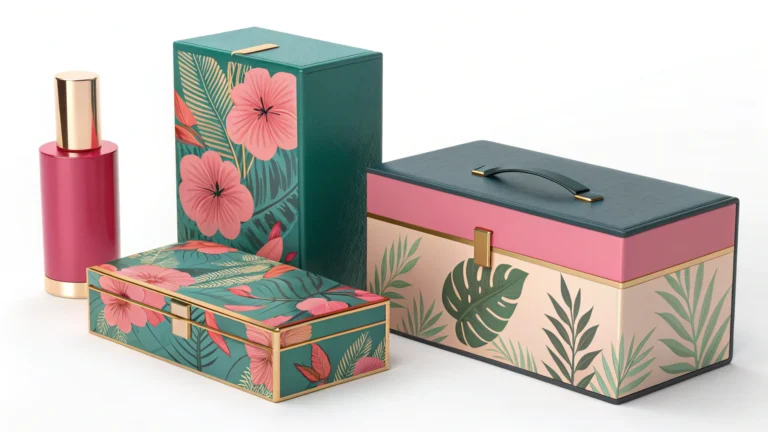
Are you feeling overwhelmed by the pressure to "go green"? This guide breaks down eco-friendly packaging1 into simple, practical steps, making sustainability achievable for your beauty brand.
To implement eco-friendly cosmetic packaging, brands should adopt a holistic strategy. This involves simplifying packaging design2, choosing materials with a high recycling rate3 like PET or aluminum, considering refillable systems4, and partnering with suppliers who can provide a transparent and scalable supply chain.
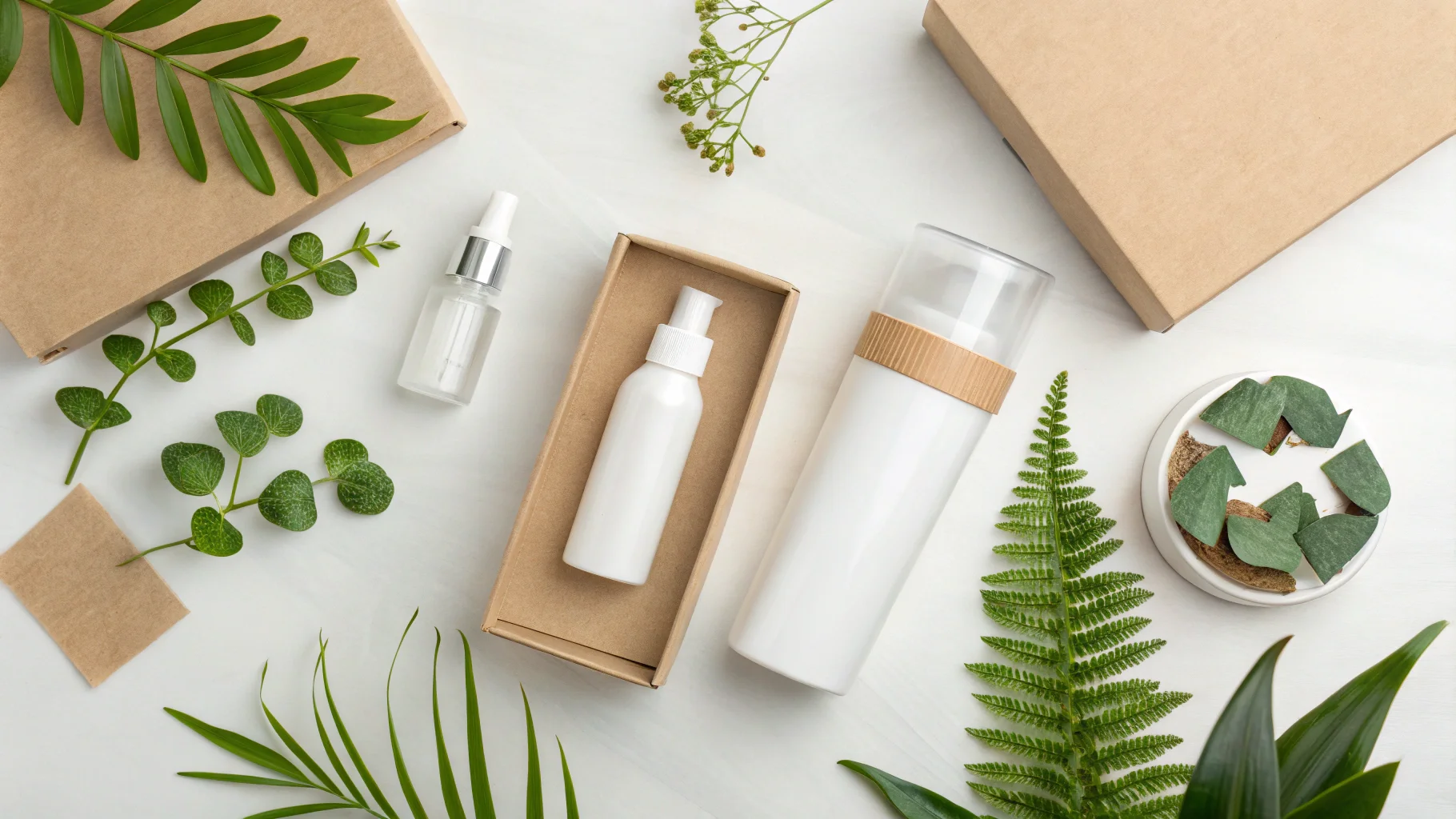
I've seen so many brands get stuck here. They want to do the right thing, but the path forward seems complicated and expensive. The good news is that it doesn't have to be. It's about making smart, informed choices, not chasing an impossible standard of perfection. Let's dive into what "eco-friendly" really means and how you can make it a reality for your business.
What Does Eco-Friendly Cosmetic Packaging Really Mean?
The term "eco-friendly" is everywhere, but what does it mean for your products? This vagueness can lead to poor choices or even accusations of greenwashing5. Let's get a clear definition.
Eco-friendly packaging is designed to minimize its environmental impact6 throughout its entire life. This includes sourcing raw materials, the energy used in manufacturing, shipping, consumer use, and finally, its disposal or recovery. It is a full-circle view, not just about one material.
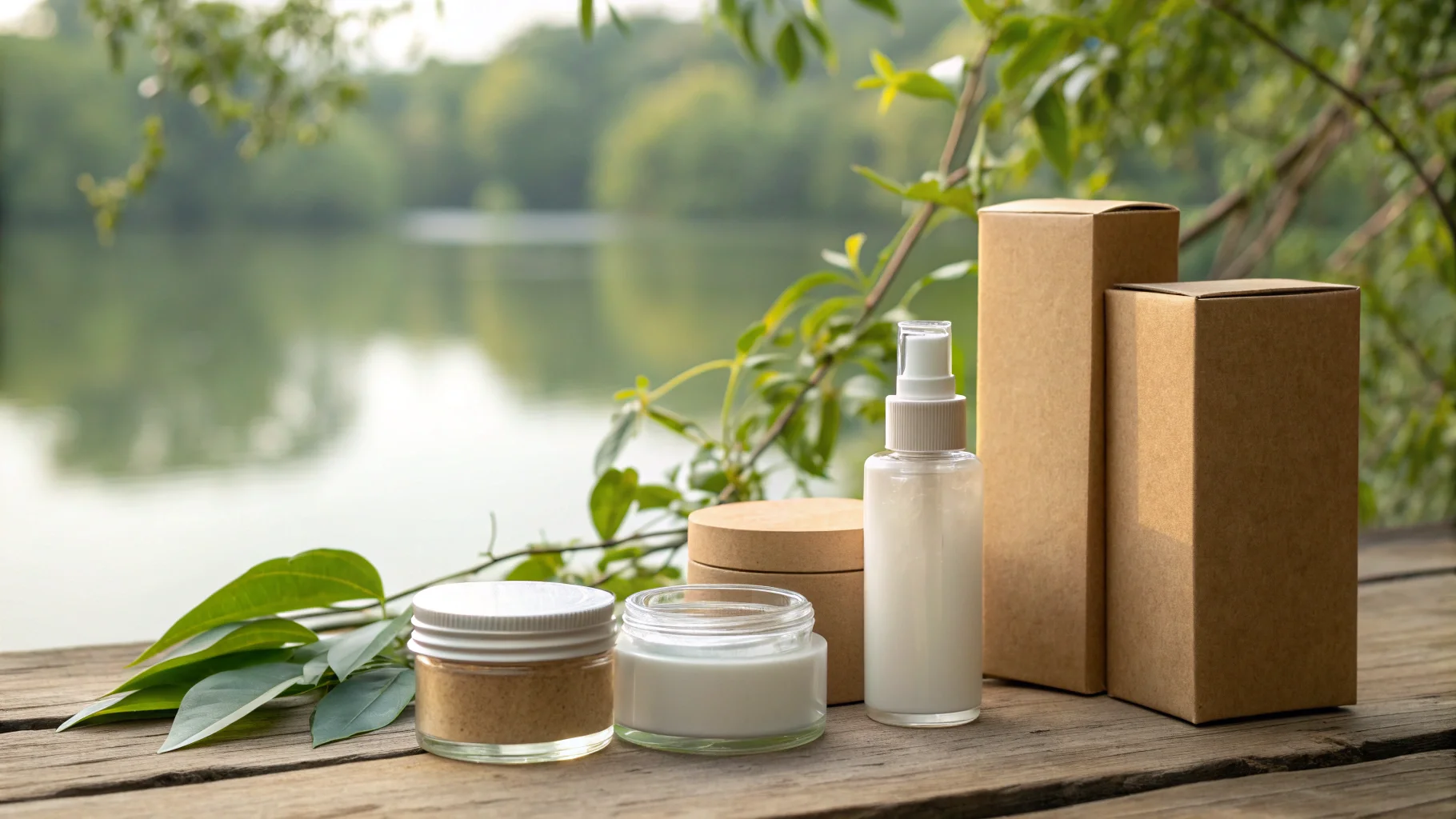
I remember a client who was fixated on using a specific bioplastic. It sounded great for marketing. But we discovered it couldn't be composted in most home systems and contaminated plastic recycling streams. The "eco-friendly" choice on paper was actually worse in reality. This is why understanding the full lifecycle is so important. We need to think beyond the label and look at the real-world impact.
The Packaging Lifecycle Explained
To truly grasp eco-friendly design, we must look at every stage. A choice that seems good at one stage might cause problems at another.
| Stage | Traditional Approach | Eco-Friendly Approach |
|---|---|---|
| Sourcing | Virgin, non-renewable materials (e.g., new plastic from oil). | Recycled, renewable, or responsibly managed materials (e.g., PCR plastic, FSC paper). |
| Manufacturing | Energy-intensive processes with high waste output. | Processes powered by renewable energy, designed to minimize water usage and waste. |
| Distribution | Bulky, heavy packaging, leading to higher fuel consumption. | Lightweight, compact designs that maximize shipping efficiency (e.g., no outer boxes). |
| End-of-Life | Designed for single use and landfill. Mixed materials that are hard to recycle. | Designed for circularity7: easily recyclable (mono-material8), reusable (refillable), or compostable. |
Thinking this way moves you from simply picking a "green" material to designing a "green" system.
Why Does Sustainable Packaging Matter for Your Beauty Brand?
You see competitors making sustainable claims. You might feel the pressure to follow, but you are not sure if it's worth the investment. Ignoring this shift can cost you customers and relevance.
Sustainable packaging is now a business necessity. It meets a powerful consumer demand9 for responsible brands, builds deep customer loyalty10, and helps you stay ahead of new regulations. It is a key way to stand out.
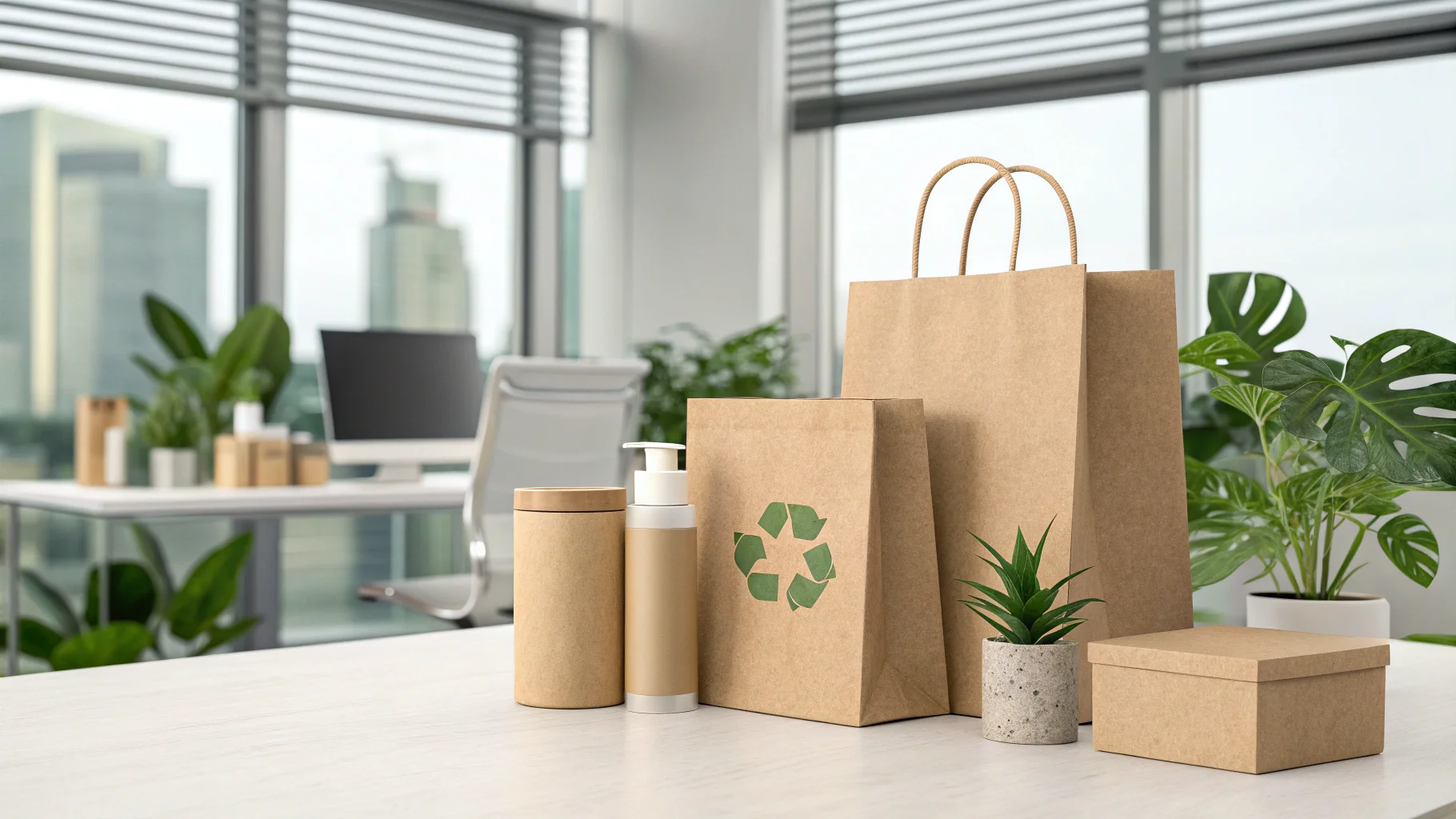
It's about more than just looking good. It's about being a brand that today's consumers want to support. They are actively looking for companies that align with their values. I've worked with brands that saw a direct increase in customer loyalty10 and positive social media mentions after making a transparent switch to more sustainable options. It becomes a core part of your brand story.
The Tangible Benefits of Going Green
Switching to sustainable packaging11 isn't just an ethical choice; it's a smart business move with measurable benefits. From attracting new customers to improving your bottom line, the advantages are clear.
Growing Consumer Demand
Today's beauty buyers are savvy. They research brands before they buy. A Nielsen study found that 73% of global consumers say they would definitely or probably change their consumption habits to reduce their impact on the environment. Your packaging is often the first and most tangible proof of your brand's commitment.
Enhanced Brand Reputation
In a crowded market, sustainability is a powerful differentiator. Brands that lead with authentic, eco-conscious practices build trust and a positive reputation. This isn't about "greenwashing5" with vague claims. It's about making real changes and communicating them honestly, which builds a loyal community around your brand.
Future-Proofing and Compliance
Governments worldwide are introducing stricter regulations on packaging waste, particularly single-use plastics. By proactively adopting sustainable practices, you not only comply with current laws but also prepare your business for future requirements, avoiding last-minute, costly changes.
What are the Core Principles of Sustainable Cosmetic Packaging Design?
You want to design new packaging, but adding sustainability rules makes it feel much harder. You worry about making a mistake. The key is to focus on a few simple, powerful principles.
The foundation of sustainable design is the "3 Rs": Reduce, Reuse, and Recycle. This means using less material overall, creating systems for refilling containers, and choosing materials that can be easily turned into something new.
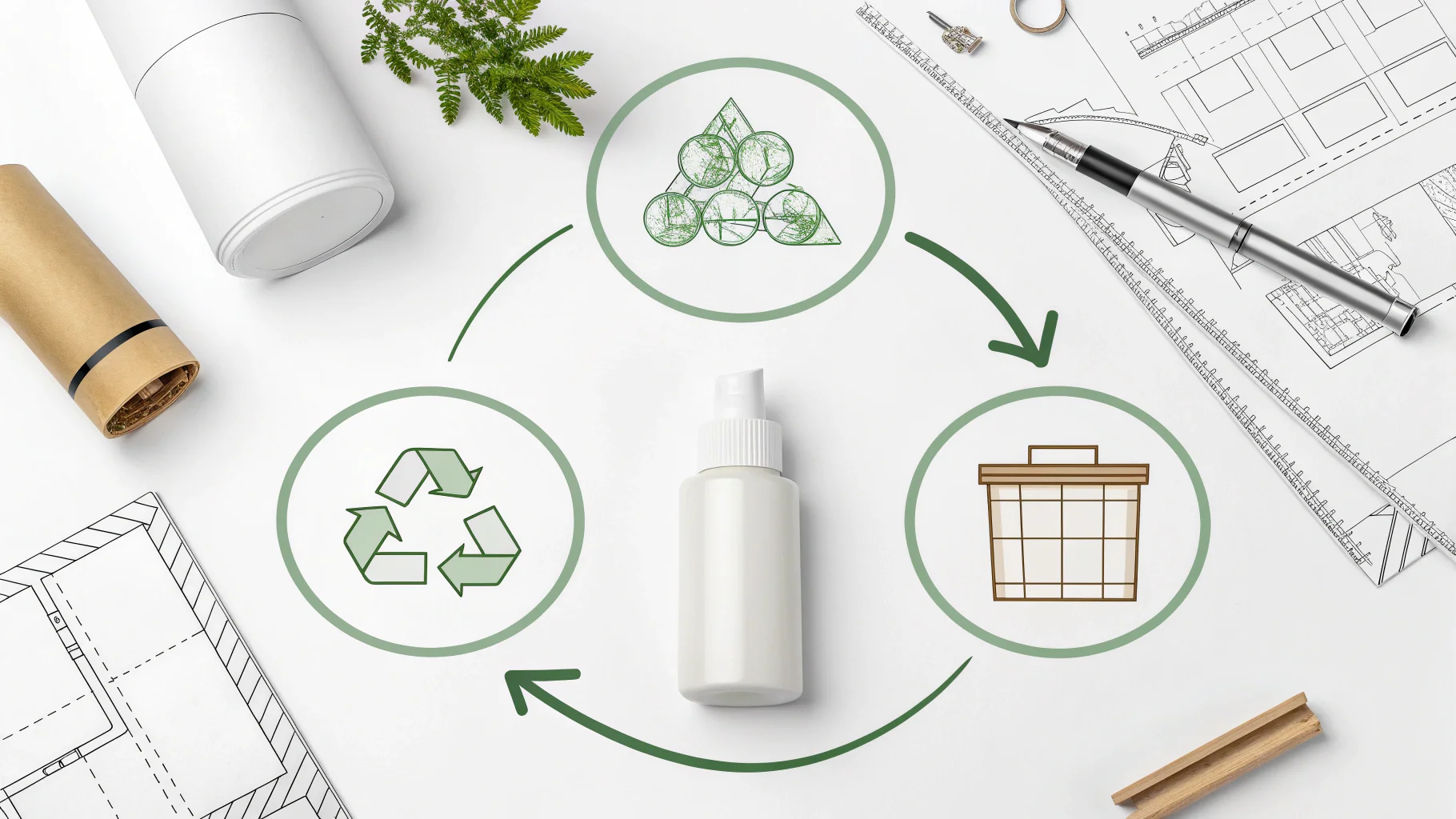
I often advise my clients to start with "Reduce" because it's the most impactful and can even save money. A brand I worked with eliminated the outer cardboard boxes on their serums. They were nervous at first, but customers loved the minimalist approach. It reduced waste and lowered their shipping costs. The simplest solution is often the best.
Applying the 3 Rs to Your Packaging
Let's break down how each principle can be applied directly to your cosmetic products.
Reduce: The Power of Simplicity
This is the most important "R". The most sustainable packaging11 is the packaging that doesn't exist.
- Eliminate Components: Can you remove the outer box, the plastic shrink-wrap, or the inner leaflet? Print necessary information on the box itself.
- Lightweighting: Work with your supplier to reduce the thickness and weight of your glass or plastic containers without compromising quality.
- Go "Naked": For solid products like shampoo bars or lotion bars, consider selling them with minimal wrapping, like a simple paper band.
Reuse: Building a Circular Model
Reuse turns a single-use item into a long-term asset, fostering incredible brand loyalty.
- Refillable Systems: Design beautiful, durable primary containers (like a glass jar for a face cream) and offer refills in simple, low-impact pouches or containers.
- In-Store Refill Stations: For brands with a physical retail presence, offering in-store refills can create a unique and engaging customer experience.
Recycle: Designing for End-of-Life
If packaging cannot be reduced or reused, it must be designed for easy recycling.
- Mono-Materials: Use a single material (e.g., 100% PET bottle and cap) instead of mixed materials. A bottle with a metal spring in the pump is much harder to recycle.
- Easy-to-Remove Labels: Use labels with "clean-peel" adhesive so customers can easily separate them from the container before recycling.
- Clear Communication: Use standard recycling symbols and clear language to tell your customers exactly how to recycle the packaging.
What are the Most Common Eco-Friendly Materials for Cosmetic Packaging?
The world of sustainable materials12 is confusing. You hear about PCR, PLA, glass, and aluminum. Choosing the wrong one is a costly mistake that can hurt your product and brand. Let's simplify the options.
Common choices include Post-Consumer Recycled (PCR)13 plastics, glass, aluminum, and FSC-certified paper14. Each has unique benefits and drawbacks. The best choice depends on your product, your brand's operations, and the recycling systems available to your customers.
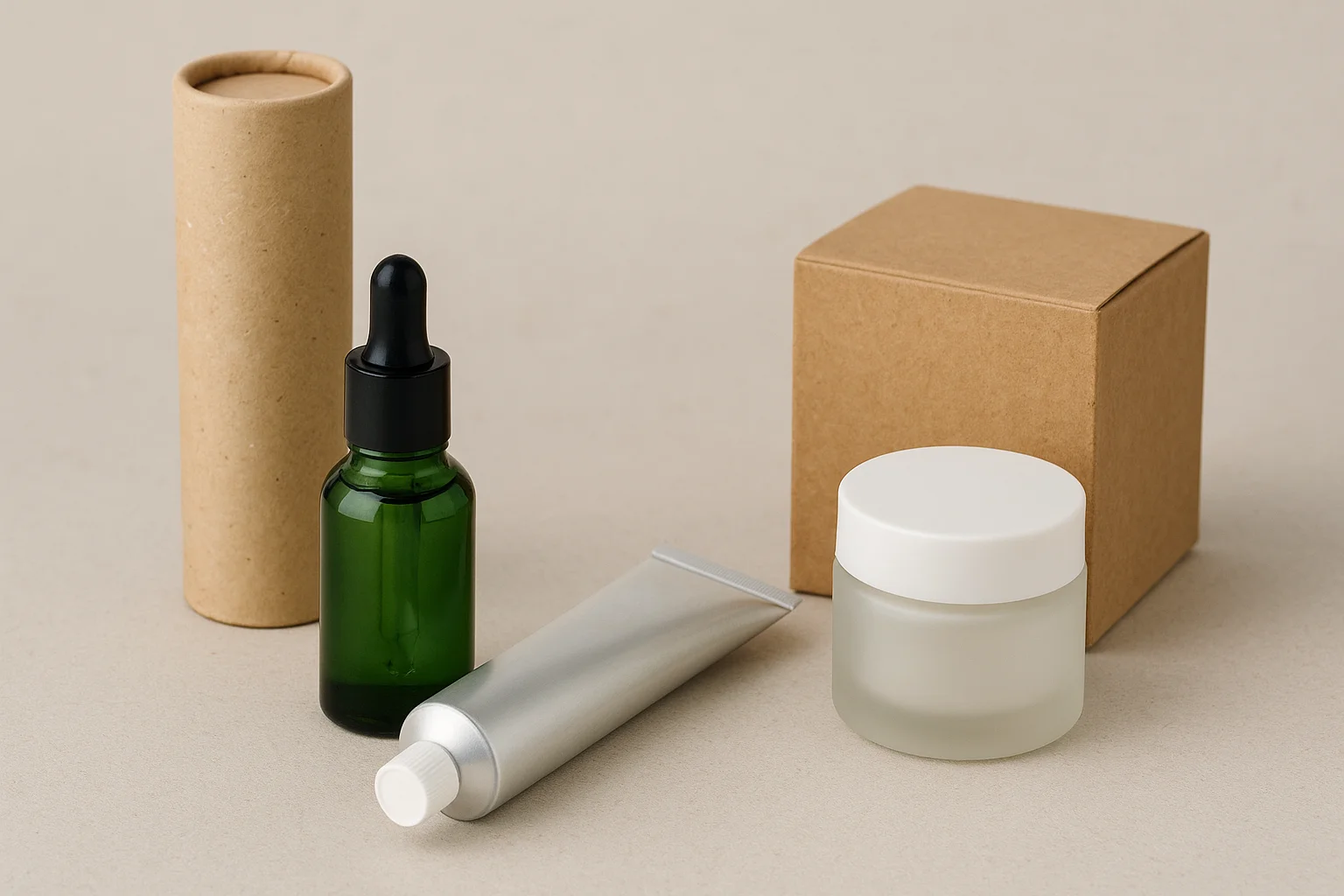
A startup I consulted for wanted to use a beautiful frosted glass for their entire line. It looked premium, but it was heavy and fragile. After analyzing their shipping costs and breakage rates, we realized lightweight, 100% PCR PET plastic was a much more practical and environmentally sound choice for their body lotions. It's about finding the right fit for the specific product.
A Practical Comparison of Materials
Choosing a material involves trade-offs. There is no single "best" material, only the best material for a specific application. This table breaks down the most common options to help you decide.
| Material | Pros | Cons | Best For... |
|---|---|---|---|
| PCR Plastic (PET, HDPE) | Lightweight, durable, uses existing waste, widely recyclable. | Can have slight color variations, not all plastics are equally recyclable. | Lotions, serums, shampoos, cleansers. |
| Glass | Feels premium, protects contents well, infinitely recyclable. | Heavy (high shipping emissions), fragile, energy-intensive to produce and recycle. | Face creams, serums, foundations, fragrances. |
| Aluminum | Lightweight, high recycling rate3, blocks 100% of light. | Dents easily, mining bauxite (raw material) is resource-intensive. | Deodorants, dry shampoos, tubes for creams. |
| Paper/Cardboard (FSC) | Renewable, biodegradable, easily recyclable. | Not waterproof (requires liner), can feel less premium for liquid products. | Secondary packaging (boxes), powders, solid bars. |
| Bioplastics (PLA) | Made from renewable resources like corn starch. | Often requires industrial composting (not backyard), can contaminate plastic recycling. | Use with extreme caution; best for closed-loop systems. |
How Do You Implement Eco-Friendly Packaging Step by Step?
You have the information, but you need an action plan. Without a clear process, a packaging redesign project can easily stall or go over budget. Let's outline a simple roadmap to get you there.
First, audit your existing packaging to find areas for improvement. Next, set clear goals, research sustainable materials12 and suppliers, design and test prototypes, and finally, communicate your sustainability story honestly to your customers.
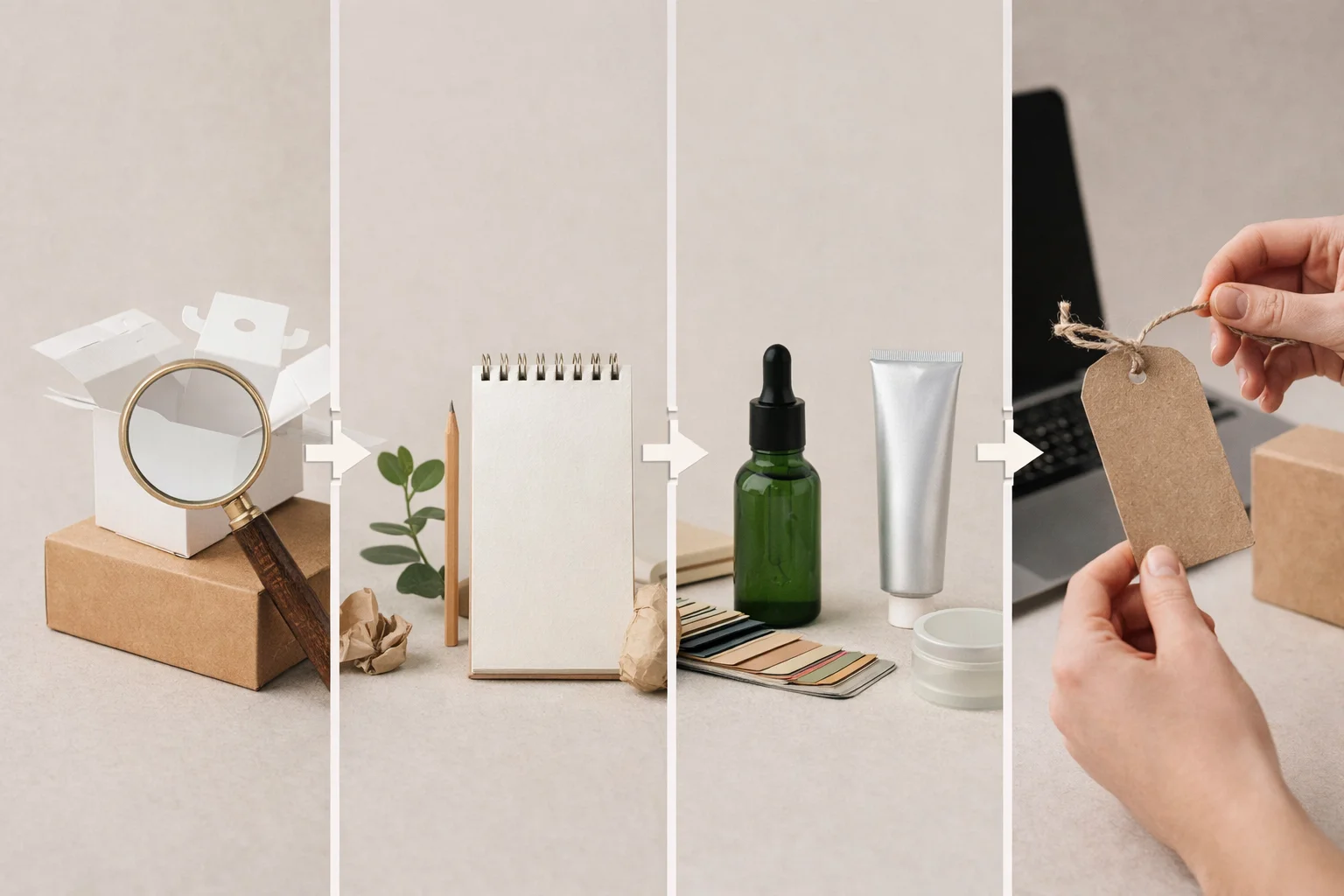
This step-by-step approach prevents you from feeling overwhelmed. I guide my clients through this exact process. We start small by auditing one product line. This gives us the data and confidence to make bigger changes across the entire brand. It’s a journey, and every journey starts with a single step. Let's walk through them together.
Your 5-Step Implementation Plan
Follow these steps to ensure a smooth and successful transition to more sustainable packaging11.
Step 1: Audit Your Current Packaging
Before you can improve, you need to know where you stand. Analyze one of your key products.
- List every component: The bottle, the cap, the pump, the label, the box, the insert.
- Identify the material of each component.
- Weigh each component.
- Ask: Can any component be eliminated? Can any material be switched to a more sustainable option?
Step 2: Set Clear and Realistic Goals
You can't do everything at once. Set specific, measurable goals. For example: "By next year, we will convert our best-selling serum bottle to 100% PCR PET and remove the outer box." This is much more effective than a vague goal like "be more sustainable."
Step 3: Research and Partner with Suppliers
Your suppliers are your most important partners in this process. Find suppliers who specialize in sustainable materials12. Ask them for documentation, like PCR content certification or FSC chain-of-custody numbers. Don't be afraid to ask tough questions about their own sustainability practices.
Step 4: Design, Prototype, and Test
Work with your supplier to create prototypes of your new packaging. Most importantly, you must test for compatibility and stability.
- Does the new material react with your formula?
- Does the packaging protect the product during shipping?
- How does it feel in the customer's hand?
Step 5: Communicate Your Story
Once you launch, tell your customers what you did and why. Be honest. If you switched to 50% PCR plastic, say that. Explain that it's a step in a longer journey. This transparency builds trust and makes customers feel like they are part of your mission.
What are the Common Challenges and Mistakes to Avoid?
You are motivated to make a change, but there are hidden pitfalls that can derail your project. Learning from the mistakes I've seen others make will save you significant time, money, and frustration.
Common mistakes include choosing materials that sound eco-friendly but are not recyclable in practice, failing to test for formula compatibility, underestimating supply chain issues15, and making exaggerated "green" claims that can lead to backlash.
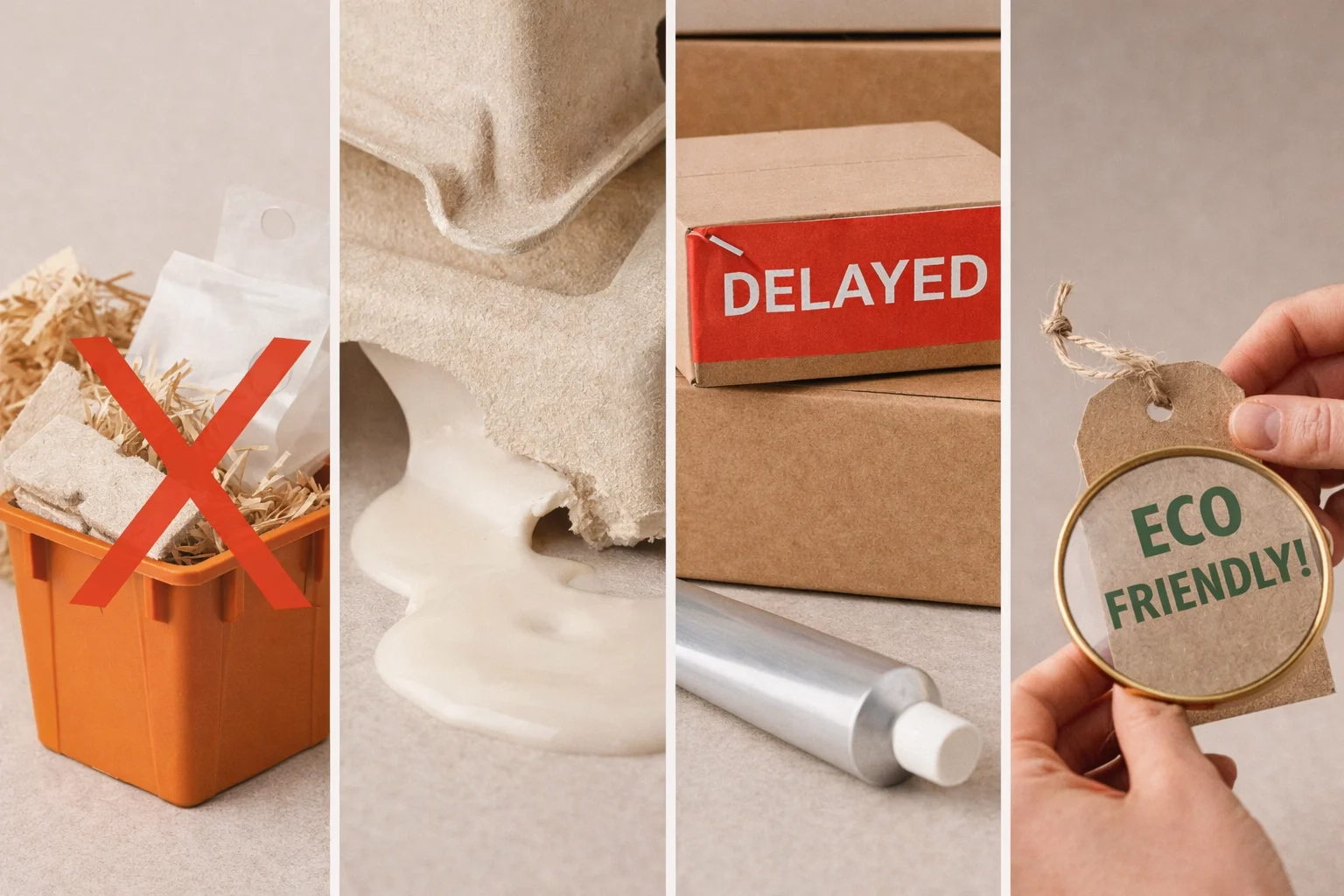
I once worked with a brand that switched to a compostable plastic for their sample sachets. The problem was that these materials only break down in industrial composting facilities, which are not accessible to most consumers. Customers were confused, and the brand was accused of greenwashing5. It was a well-intentioned mistake that could have been avoided with better research into the end-of-life reality for their customers.
Real-World Problems and How to Solve Them
Let's look at the most frequent issues I've encountered on real projects and how you can steer clear of them.
The "Not-So-Recyclable" Trap
Many materials are technically recyclable but not practically recyclable. Small items (like caps), flexible pouches, and packaging made of mixed materials often get filtered out at recycling facilities and sent to a landfill.
- Solution: Stick to widely recycled, mono-material formats. Check with your local recycling facility or use online resources to see what is actually being processed in your customers' regions.
Formula Compatibility Issues
You cannot assume your product will be stable in a new material, especially with PCR plastics or new bioplastics. Active ingredients can interact with the packaging, affecting the product's efficacy and safety.
- Solution: Always conduct rigorous stability testing. Test your final formula in the final packaging for several months under various conditions (heat, light) before committing to a full production run.
Supply Chain and Cost Hurdles
Sustainable materials, particularly high-quality PCR, can sometimes be more expensive and have longer lead times than their virgin counterparts.
- Solution: Talk to suppliers early in the process. Get accurate quotes and lead times. If the cost is higher, look for savings elsewhere, such as by reducing packaging weight or eliminating secondary boxes.
The Greenwashing Backlash
Consumers are tired of vague, misleading claims like "eco-friendly" or "earth-friendly." Using these terms without specific proof can damage your credibility.
- Solution: Be specific and honest. Instead of "eco-friendly," say "Our bottle is made from 100% PCR plastic and is fully recyclable." Transparency is your best defense.
So, What Actually Works for Real Cosmetic Packaging Projects?
All this theory is helpful. But you need to know what we see working day-in and day-out on real projects. Many "perfect" eco-friendly solutions fail when faced with the realities of production and logistics.
Practicality always wins. The most successful sustainable packaging strategies are the simplest. They focus on simplifying the packaging structure, using proven and widely recyclable mono-materials, and making changes that can scale with the business. It is about consistent progress, not unattainable perfection.
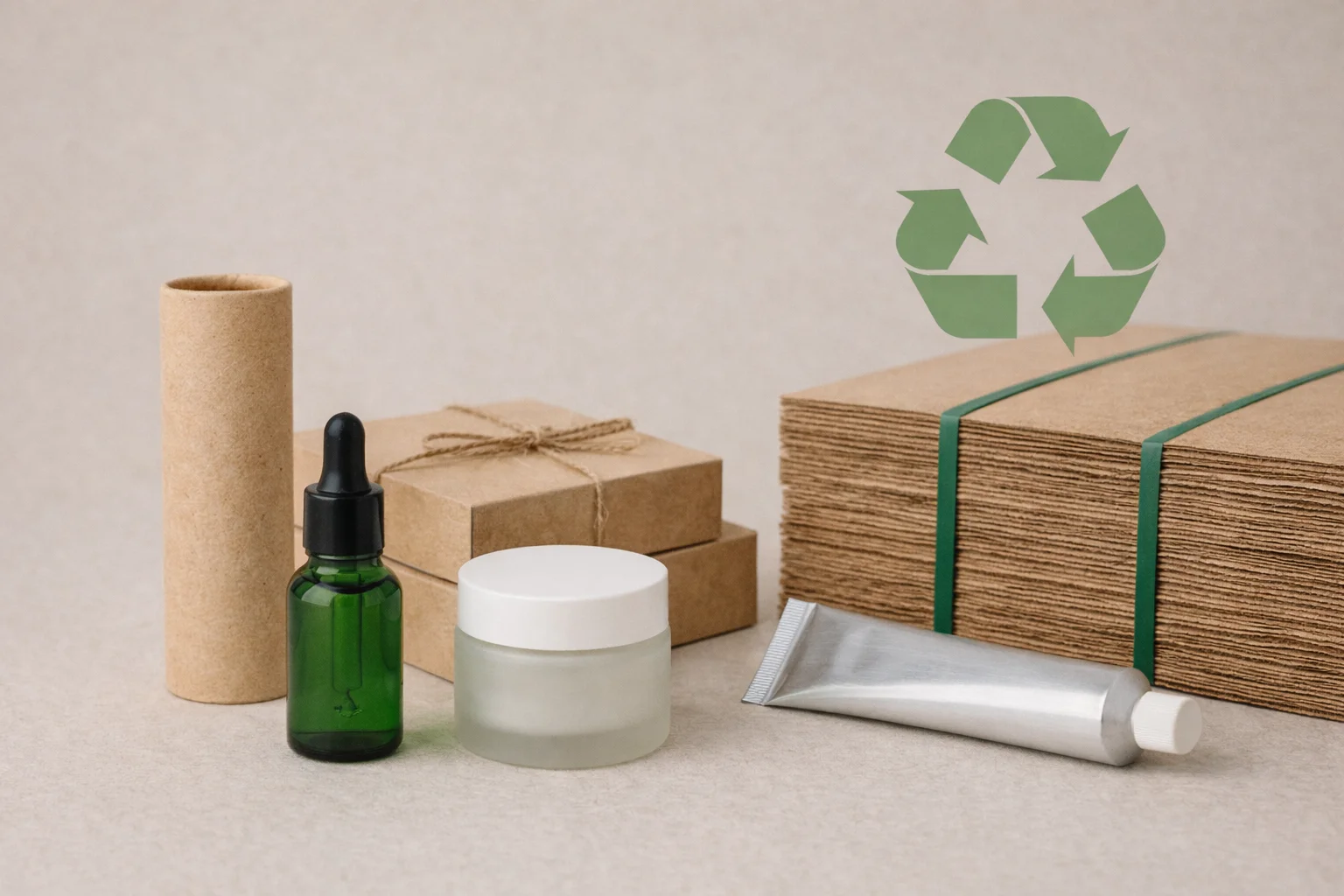
This is the core of the advice I give to every single client, from small indie brands to large established companies. I've seen more success from a brand switching from a complex, multi-material jar to a simple, 100% PET jar than from a brand chasing a new, unproven biomaterial. The goal is to make a real, measurable impact, and that almost always comes from simple, scalable, and honest solutions.
The Strategies That Deliver Real Results
Based on our experience with dozens of cosmetic packaging projects, here is what truly makes a difference.
The Power of Simplification
The most effective change you can make is to use less.
- Case Study: A skincare brand we worked with sold a serum in a glass bottle, inside a custom-molded plastic tray, inside a thick-walled paperboard box, all wrapped in cellophane. We helped them transition to a single, beautifully printed box made from FSC-certified, 100% post-consumer waste paper. This single change reduced their packaging weight by 60% and their costs by 25%. It was a huge win for the environment and their bottom line.
The Pragmatic Material Choice
Don't get distracted by trendy but impractical materials.
- What works: Mono-material PET, HDPE, and aluminum are packaging champions. They are lightweight, durable, and have some of the highest real-world recycling rates. Choosing a 100% PCR PET bottle is one of the most impactful and straightforward changes a brand can make today. It's a proven, effective solution.
Building a Scalable and Honest Strategy
Your sustainable efforts should be able to grow with you.
- How to do it: Start with your highest-volume product. Implement one or two key changes, like switching to a PCR material or removing an outer box. Measure the impact. Then, use that success story to roll out changes across other product lines. Be honest about this journey with your customers. Tell them what you've done and what you plan to do next. This builds a powerful, long-term connection.
Conclusion
Implementing eco-friendly packaging is a journey of practical steps. Focus on simplification, proven materials, and honest communication to build a truly sustainable brand your customers will love and support.
Explore how eco-friendly packaging can enhance your brand's image and attract environmentally conscious consumers. ↩
Discover the essential principles that guide effective sustainable packaging design. ↩
Discover which materials are most effective for recycling and how they can benefit your brand. ↩
Find out how refillable systems can enhance customer loyalty and reduce waste. ↩
Learn how to differentiate your brand from greenwashing practices and build genuine sustainability. ↩
Explore methods to assess and improve the environmental impact of your packaging choices. ↩
Understand the concept of circularity and how it can transform your packaging strategy. ↩
Find out how mono-materials can simplify recycling and improve sustainability. ↩
Learn about the factors influencing consumer preferences for sustainable products. ↩
Find out how adopting sustainable practices can strengthen your relationship with customers. ↩
Learn about the growing consumer demand for sustainable packaging and how it can boost your sales. ↩
Discover the best sustainable materials for your packaging needs and their pros and cons. ↩
Discover the advantages of using PCR plastic in your packaging for a greener approach. ↩
Learn about the benefits of using FSC-certified paper for sustainable packaging solutions. ↩
Understand the potential challenges in your supply chain when transitioning to sustainable packaging. ↩