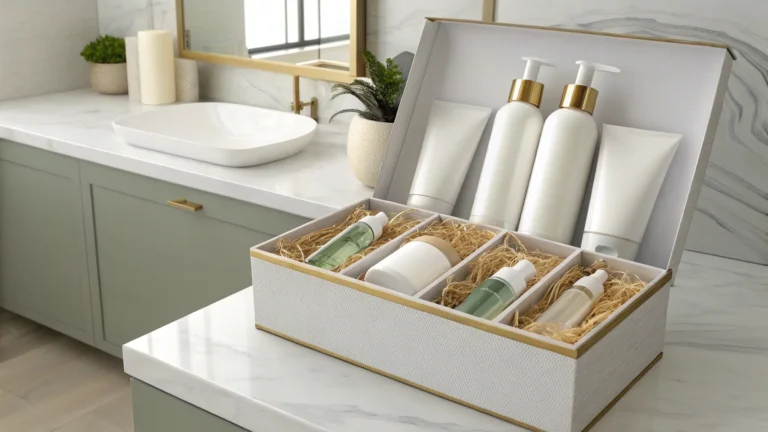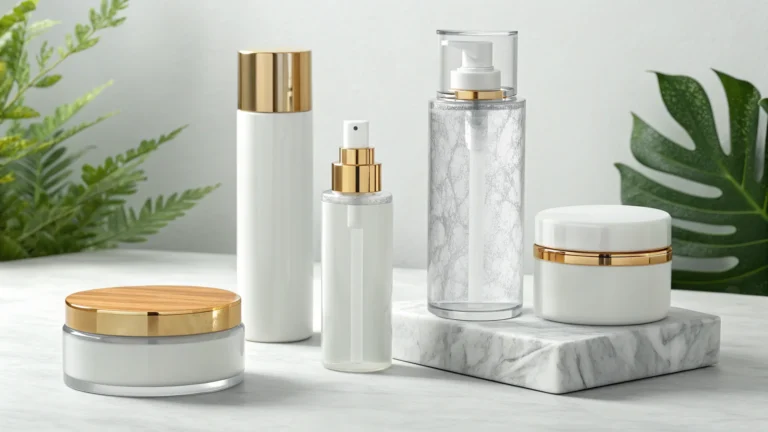
Worried about overspending on custom packaging1? The wrong choice can waste money and damage your brand. I'll guide you to find the perfect, affordable box for your cosmetics.
To choose the right custom cosmetic box2 without overpaying, you must balance material costs3, design complexity4, and order quantity5. Focus on packaging1 that protects your product, reflects your brand's value, and fits your current business stage. This ensures you get value, not just a high price tag.
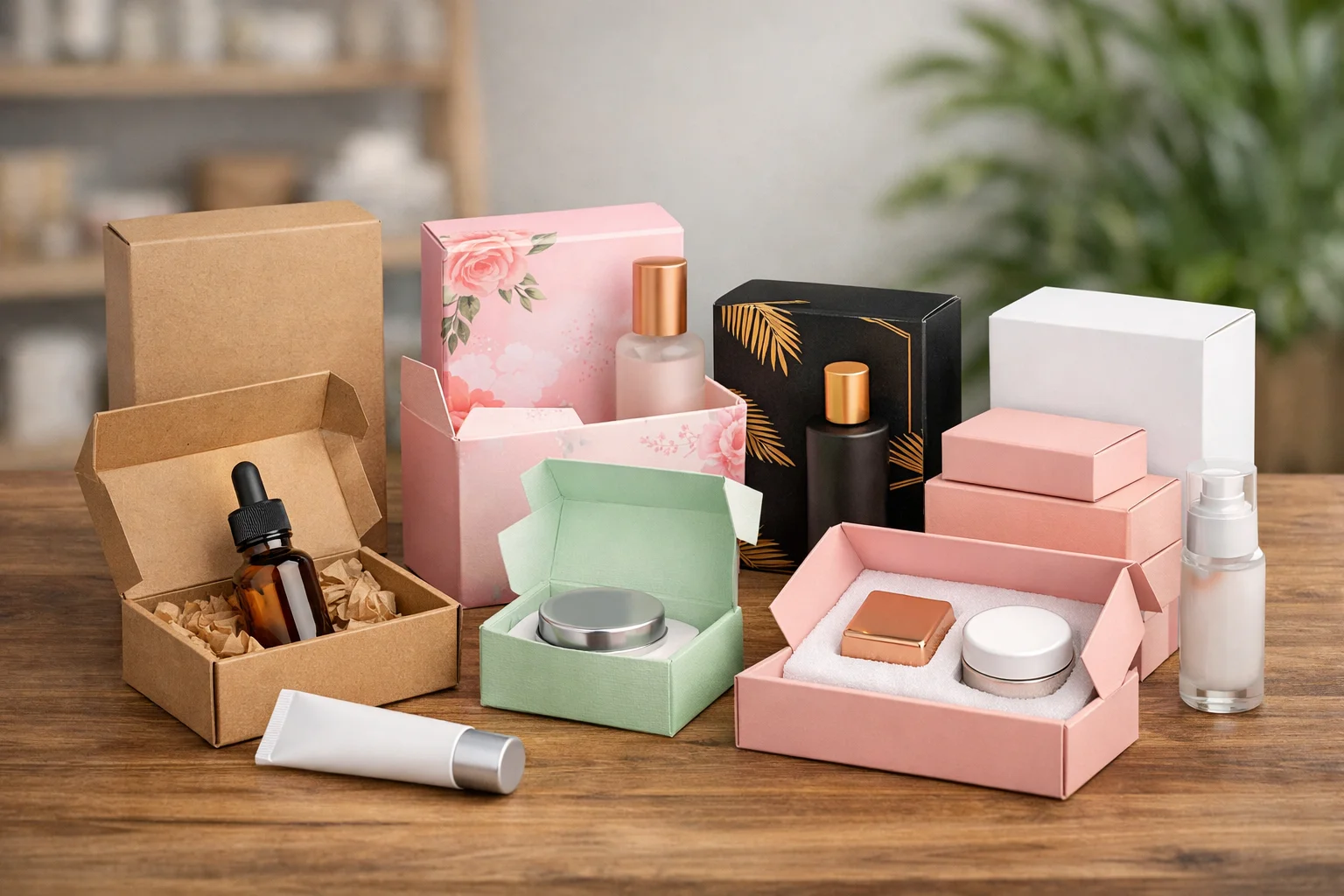
Choosing the right box seems complicated. But it's not. I've been in the packaging1 business for years, and I've seen brands make the same mistakes over and over. The good news is that you can avoid them. It all starts with understanding why this decision is so important. Let's break it down, step by step, so you can make a choice you feel confident about. This guide will give you the clarity you need.
Why Do Custom Cosmetic Boxes Matter More Than You Think?
Think packaging1 is just a box? This mistake costs brands thousands. Your box is your first impression, a silent salesperson, and a key part of your customer's experience.
Custom cosmetic boxes matter because they do more than just hold a product. They communicate your brand's story, create a memorable unboxing experience6, and protect your cosmetics. Good packaging1 can directly increase perceived value7 and customer loyalty8, making it a powerful marketing tool, not just an expense.
The First Touchpoint
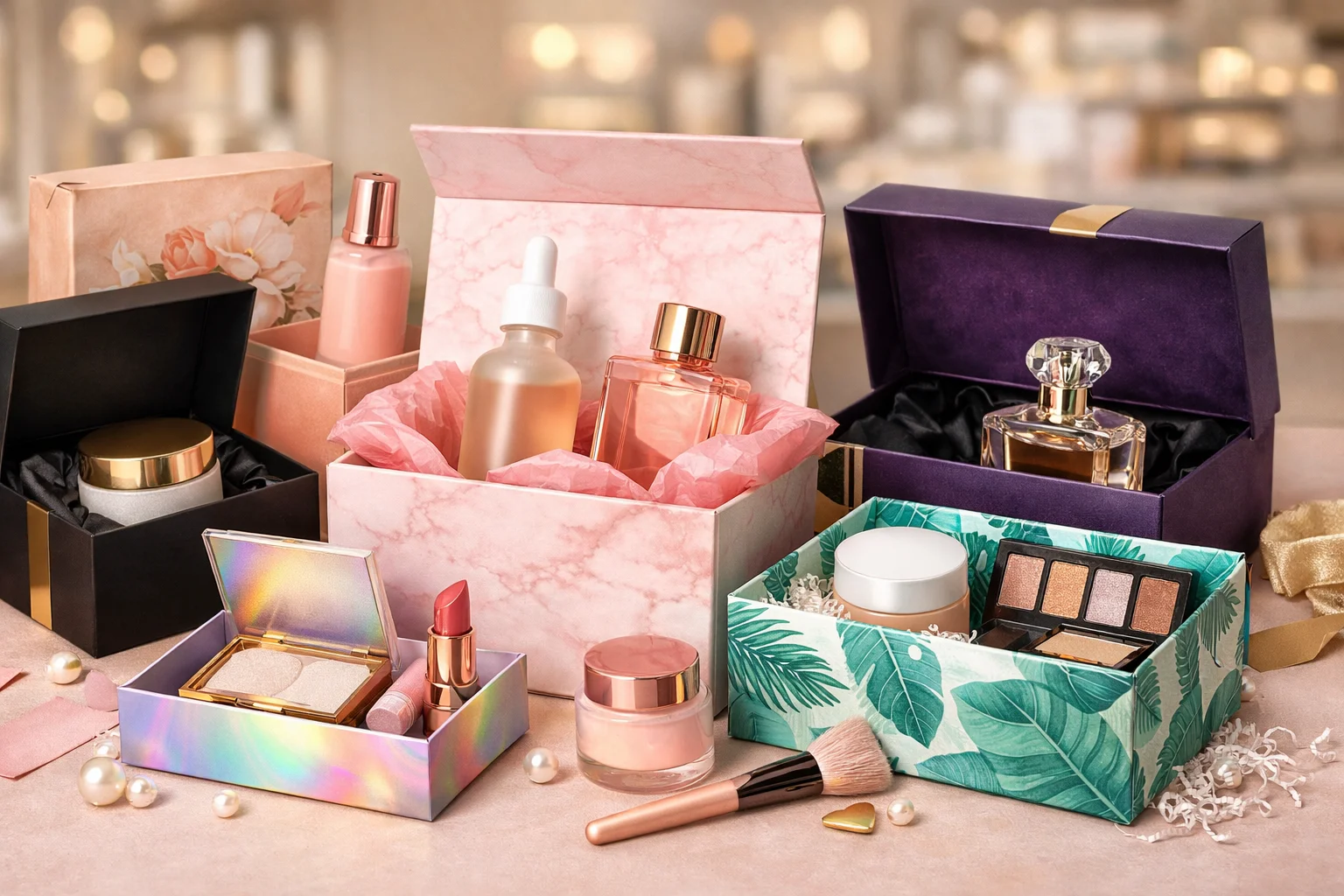
Your custom box is often the first physical interaction a customer has with your brand, especially with online sales. Before they even touch the lipstick or serum, they touch the box. Does it feel cheap or luxurious? Is it sturdy or flimsy? These small details send a powerful message about the quality of the product inside. I once worked with a skincare brand that switched from a standard mailer to a soft-touch, branded box. Their customer complaints about damaged products dropped to zero, and their social media mentions skyrocketed.
The Unboxing Experience
In today's market, the unboxing is part of the product. People share these experiences online, which is free marketing for you. A well-designed custom box turns a simple delivery into an exciting event. Here's a quick comparison:
| Feature | Generic Stock Box | Custom Branded Box |
|---|---|---|
| Brand Impression | Forgettable, basic | Memorable, professional |
| Customer Feeling | Transactional | Special, valued |
| Social Media Shareability | Low | High |
| Perceived Product Value | Standard | Elevated |
What Are Custom Cosmetic Boxes? (Simple Explanation)?
Confused by packaging1 jargon? You're not alone. Terms like "custom" can seem intimidating. But it's actually simple and gives you total control over your brand's look.
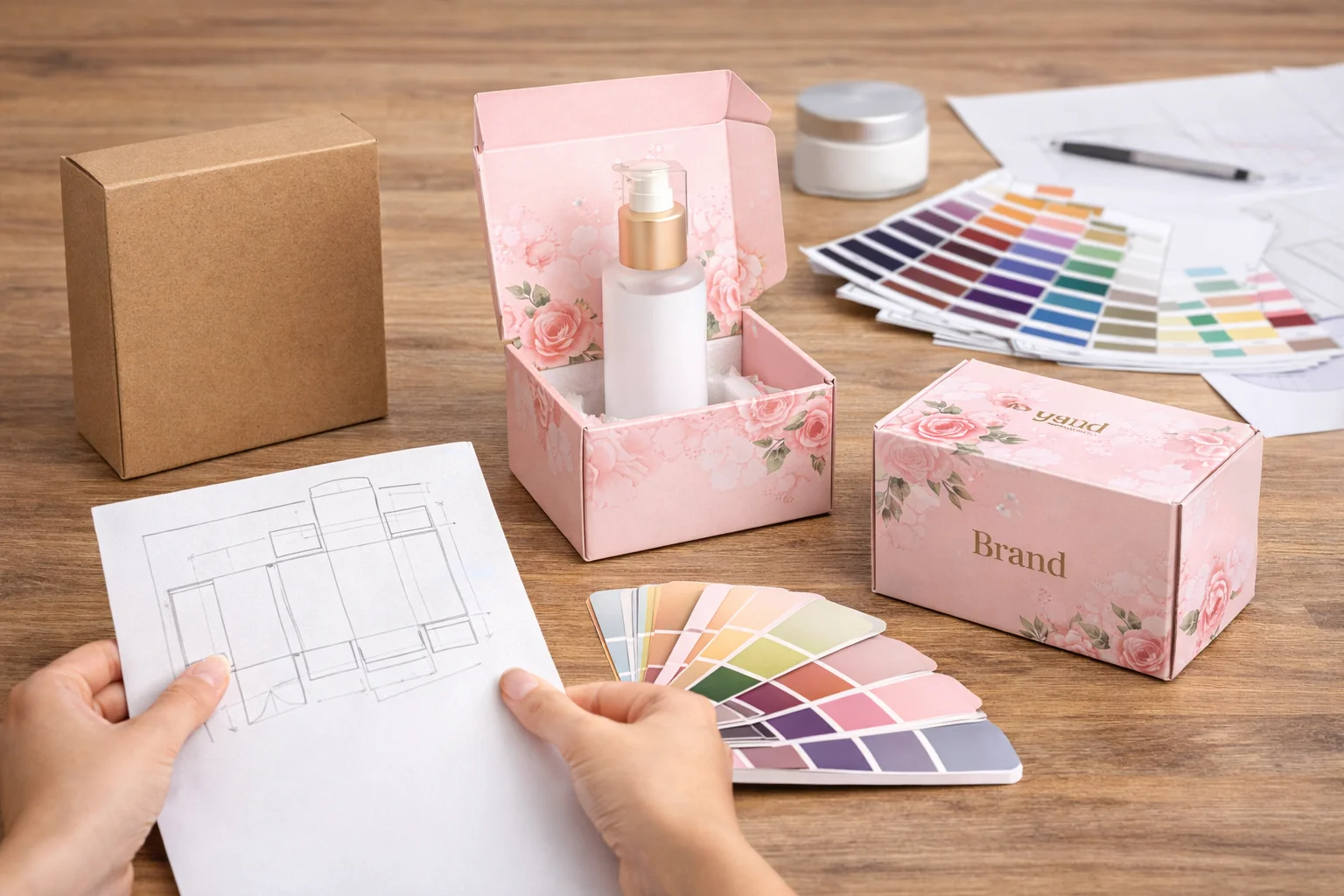
A custom cosmetic box2 is packaging1 designed specifically for your product and brand. Unlike a generic, off-the-shelf box, you choose the exact size, material, color, printing, and finish. This means it fits your product perfectly and carries your unique branding, from the logo to the brand colors.
Beyond the Brown Box
When people hear "box," they often picture a standard brown shipping box. But custom packaging1 is a whole different world. It’s not about just finding a box that fits; it's about creating a box that sells. I've seen brands transform their sales just by upgrading their packaging1. Think of it as the difference between buying a suit off the rack and getting one tailored. The tailored suit just fits better and makes you look sharper. Your packaging1 works the same way for your product. It’s a perfect fit that presents your brand in the best possible light.
Key Customization Elements
You have control over several key elements when you go custom. Each choice affects the final look, feel, and cost.
| Element | Description | Impact |
|---|---|---|
| Size & Shape | Made to your product's exact dimensions. | Perfect fit, less waste, better protection. |
| Material | Paperboard, corrugated, rigid, etc. | Affects durability, perceived quality, and cost. |
| Printing | Offset, digital; CMYK, Pantone colors. | Determines color accuracy and visual quality. |
| Finishes | Gloss, matte, spot UV, foil stamping. | Adds a premium feel and visual appeal. |
| Inserts | Foam, paper, or molded pulp inserts. | Secures the product inside the box. |
How Do Custom Boxes Influence Brand Positioning?
Is your packaging1 telling the right story? A cheap-looking box can make your luxury serum seem low-quality. Let's align your packaging1 with your brand's true value.
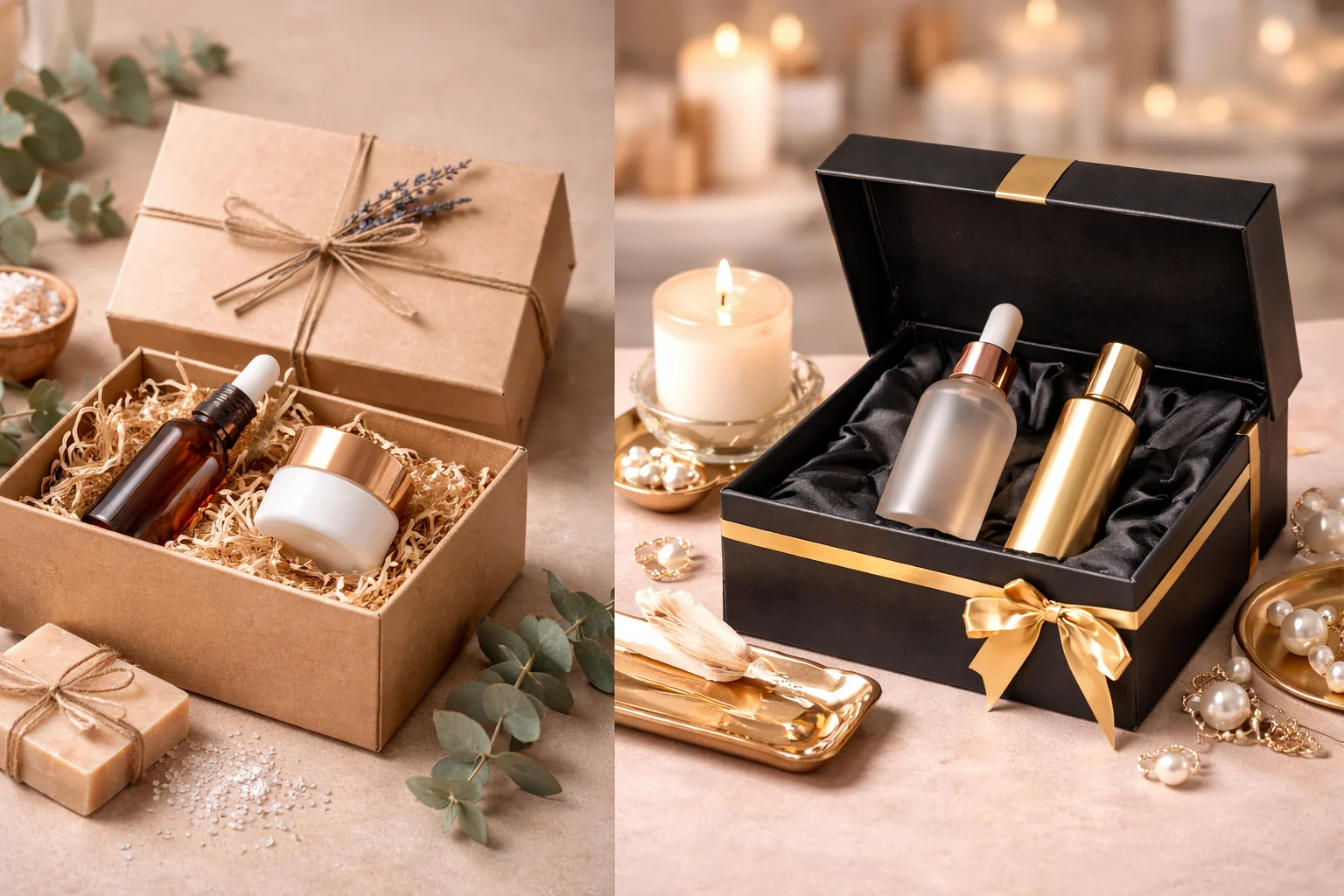
Custom boxes directly influence brand positioning9 by visually communicating your market level. A minimalist, recycled paper box positions you as eco-friendly and natural. A heavy, rigid box with gold foil suggests luxury and high-end quality. Your packaging1 choices tell customers who you are before they even use the product.
Telling Your Brand Story
Your brand has a personality. Is it fun and vibrant? Is it serious and clinical? Or is it luxurious and exclusive? Your packaging1 should reflect that personality. The colors, fonts, and materials you choose are all part of your brand's language. I remember a client selling organic face oils. They were using a glossy, black box that screamed "nightclub." It didn't match their "natural, earthy" brand at all. We switched them to a simple, uncoated kraft paper box with green print. Their sales improved because customers finally understood what their brand was about. The packaging1 told the right story.
Positioning Examples
Your packaging1 choices are signals to your ideal customer. Here’s how different styles position a brand:
| Brand Position | Packaging Characteristics | Target Customer |
|---|---|---|
| Luxury / Premium | Rigid box, foil stamping, soft-touch finish. | Seeks exclusivity and high quality. |
| Eco-Friendly / Natural | Kraft paper, recycled materials, simple print. | Values sustainability and clean ingredients. |
| Clinical / Dermatological | White box, clean typography, minimalist design. | Looks for effective, science-backed solutions. |
| Fun / Youthful | Bright colors, playful graphics, unique shapes. | Wants trendy, affordable, and expressive products. |
What Are the Most Popular Materials for Cosmetic Packaging Boxes?
Feeling overwhelmed by material options? Choosing the wrong one can lead to damaged products or high costs. I'll break down the most popular choices for you simply.
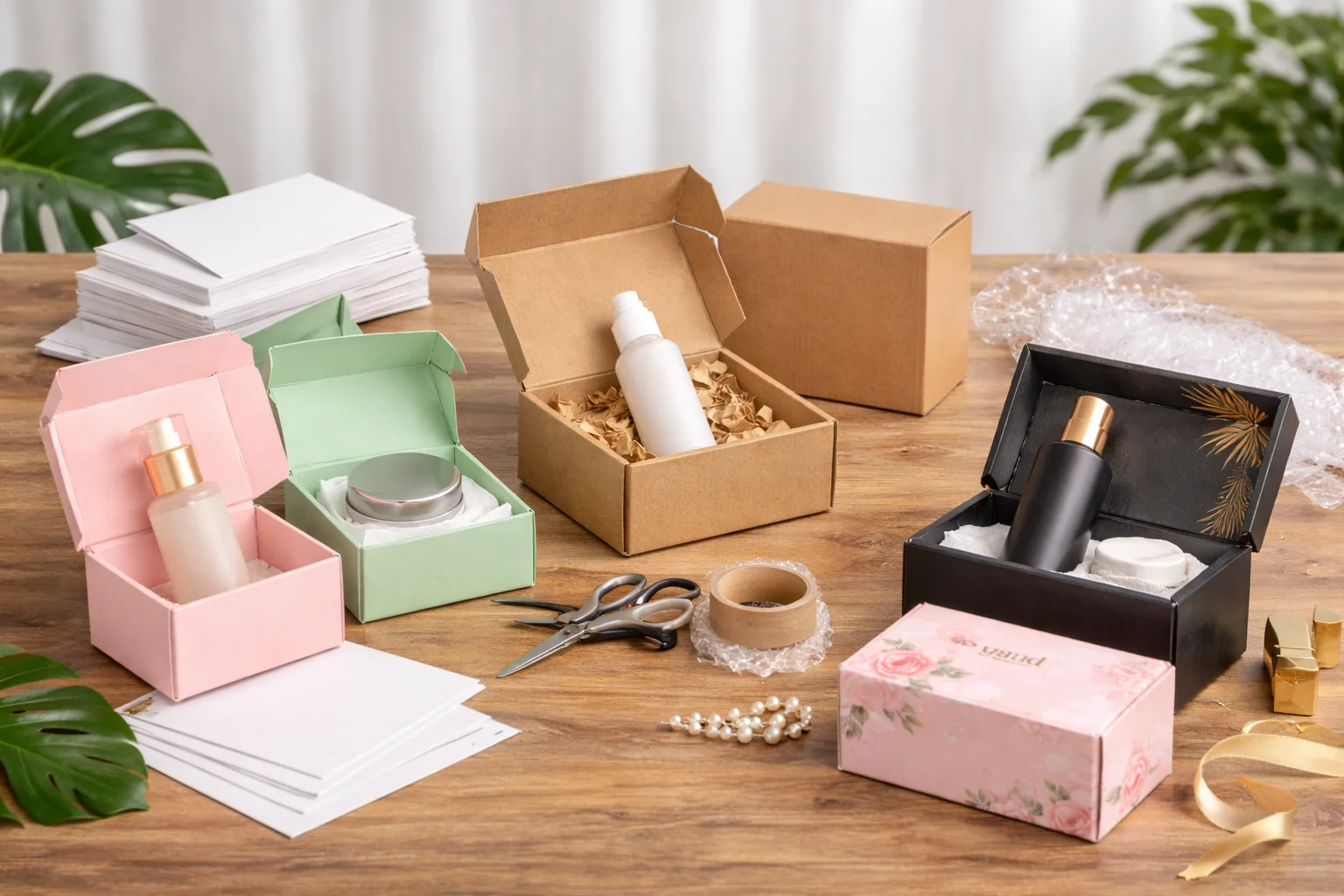
The most popular materials for cosmetic boxes are folding cartons (paperboard), corrugated cardboard, and rigid boxes10. Paperboard is great for lightweight items. Corrugated is best for shipping and heavier products. Rigid boxes offer a premium, gift-like feel for luxury cosmetics. Each has different costs and benefits.
The Everyday Workhorse: Paperboard & Corrugated
For most cosmetic products you see on a store shelf, like a lipstick or a foundation, the box is made from paperboard (also called a folding carton). It's lightweight, prints beautifully, and is cost-effective. It's the go-to for individual product boxes. When you need to ship those products, or if the product itself is heavy or fragile (like a glass jar set), you need corrugated cardboard. It has that wavy layer of paper in the middle, which provides cushioning and strength. Many brands use a printed corrugated box as their main shipping box to create a great unboxing experience6.
The Premium Choice: Rigid Boxes
If you want to scream "luxury," you use a rigid box. These are the thick, sturdy boxes that don't fold flat, like the ones used for iPhones or high-end perfume sets. They are more expensive, but the perceived value7 is unmatched.
| Material | Best For | Pros | Cons |
|---|---|---|---|
| Paperboard | Individual product boxes, lightweight items. | Cost-effective, great print quality. | Not very strong, offers minimal protection. |
| Corrugated | Shipping boxes, heavier product sets. | Strong, protective, good for shipping. | Bulky, rougher surface for printing. |
| Rigid Box | Luxury goods, gift sets, PR kits. | Extremely durable, premium feel. | Expensive, higher shipping/storage costs. |
What is the Real Cost of Custom Cosmetic Boxes (That Most Brands Ignore)?
Worried about the price per box? Many brands focus on that and miss the hidden costs11. This oversight can destroy your profit margins. Let's uncover the true total cost.
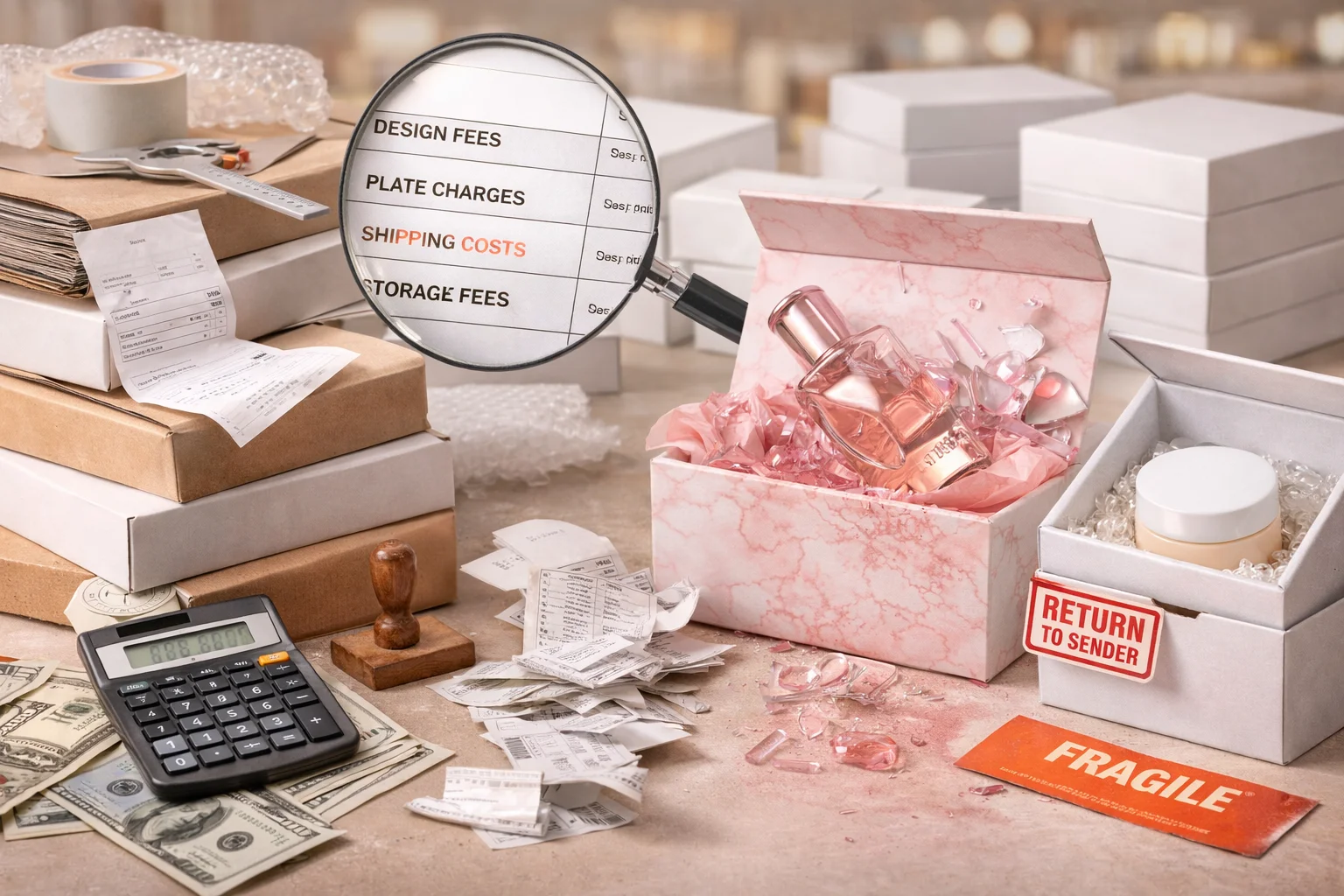
The real cost of custom boxes goes beyond the per-unit price. It includes design fees, plate charges for printing, shipping costs from the supplier, and storage fees. More importantly, a poorly designed box can lead to product damage and returns, which is a huge hidden expense.
Beyond the Unit Price
When I give a quote, a brand's first question is always "What's the price per box?" It's a fair question, but it's only part of the picture. You need to think about the total cost of ownership. For example, some printing methods12 require "printing plates," which is a one-time setup fee that can be hundreds of dollars. You also have to pay to ship the empty boxes from me to your warehouse. And if you order a huge quantity to get a lower unit price, where will you store them? All these things add up.
The Cost of a Bad Box
The biggest hidden cost is the cost of failure13. A brand insisted on using a very thin paperboard for their glass serum bottles to save 20 cents per box. They ended up with a 15% damage rate. The cost of replacing those products and re-shipping them far outweighed the initial savings. A good box is an investment in protecting your product and your reputation.
| Visible Costs | Hidden Costs |
|---|---|
| Price per box | Shipping/freight for empty boxes |
| Setup/Plate fees | Warehousing/storage costs |
| Design service fees | Cost of product damaged in transit |
| Taxes | Cost of returns and customer service |
| Lost sales from a bad brand impression |
How Do You Choose the Right Box for Your Product?
Choosing a box feels like a huge decision. You're afraid of making a costly mistake. Don't worry, I'll give you a simple checklist to follow.
To choose the right box, first consider your product's needs: its size, weight, and fragility. Then, align the packaging1 with your brand positioning9 (luxury, eco-friendly). Finally, factor in your budget and order quantity5. The right box is the perfect balance of protection, branding, and cost.
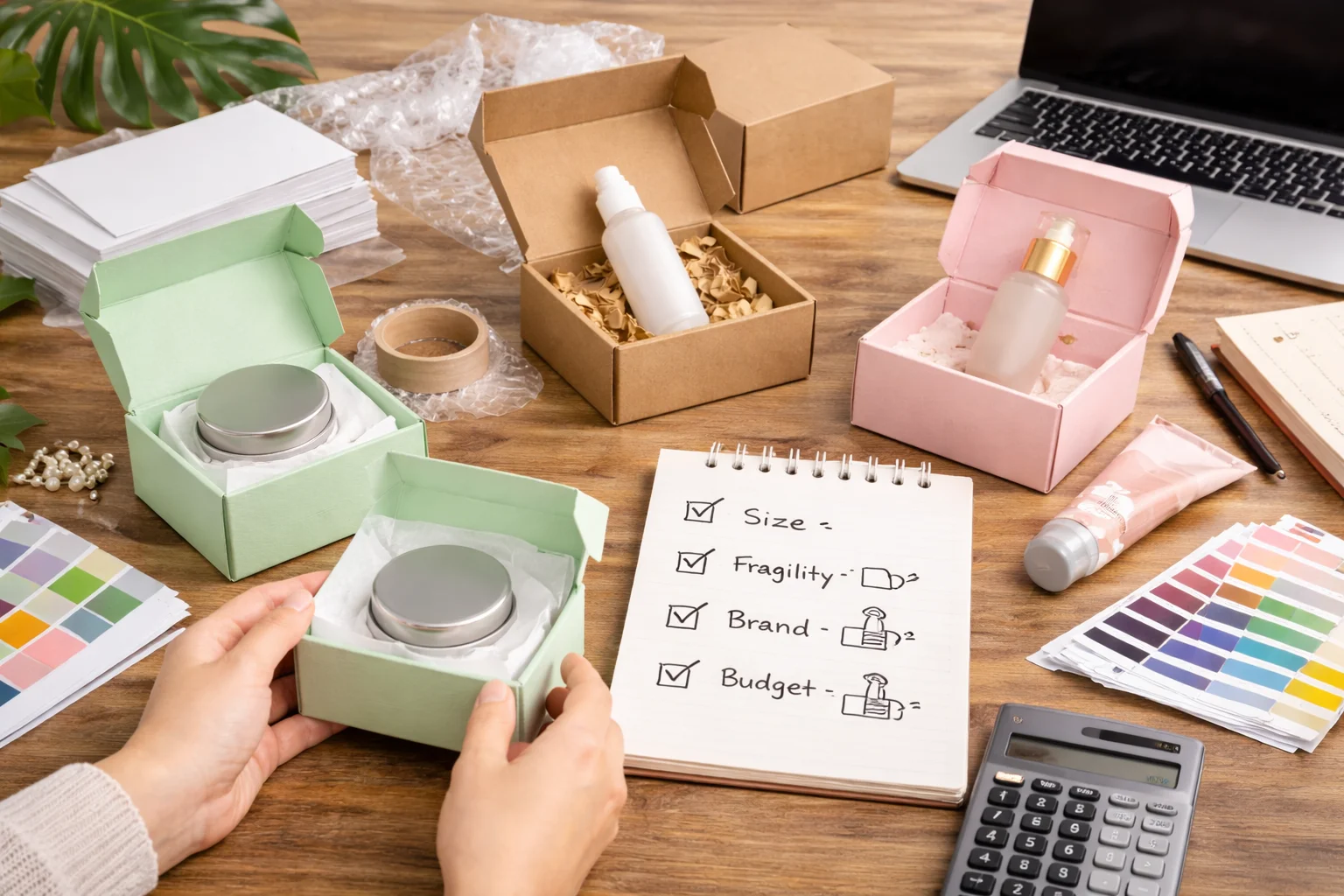
Step 1: Product First
Before you even think about colors or logos, look at your product. Is it a small, sturdy lipstick? A simple paperboard box will do. Is it a heavy glass jar of cream? You'll need thicker paperboard or even an insert to hold it securely. I always ask for a product sample first. We need to measure it precisely and understand how it needs to be protected. A box that is too big lets the product rattle around, and one that is too small can break. The fit is the most important technical detail.
Step 2: Brand & Budget
Once protection is sorted, think about your brand. What message do you want to send? This will guide your choice of material, finish, and design complexity4. A luxury brand might invest in a rigid box with foil, while an indie brand might prefer a simple, earthy look. Then, be realistic about your budget. How many boxes do you need? Your order quantity5 will heavily influence your per-unit cost. It's a balancing act.
| Question to Ask | Why It Matters |
|---|---|
| How fragile is my product? | Determines the required material strength and if inserts are needed. |
| What is my brand's personality? | Guides the visual design, materials, and finishes. |
| What is my budget per unit? | Sets realistic limits on complexity and materials. |
| How many boxes do I need now? | Affects unit price and potential storage needs. |
What Common Mistakes Do Brands Make When Ordering Custom Boxes?
Eager to get your boxes? Rushing the process can lead to expensive errors. I've seen brands make the same simple mistakes, costing them time and money.
The most common mistakes are not ordering a physical sample before mass production, misjudging lead times, and designing without considering production limits. Another big error is ordering too many boxes just to lower the unit price, which leads to high storage costs and wasted inventory if the design changes.
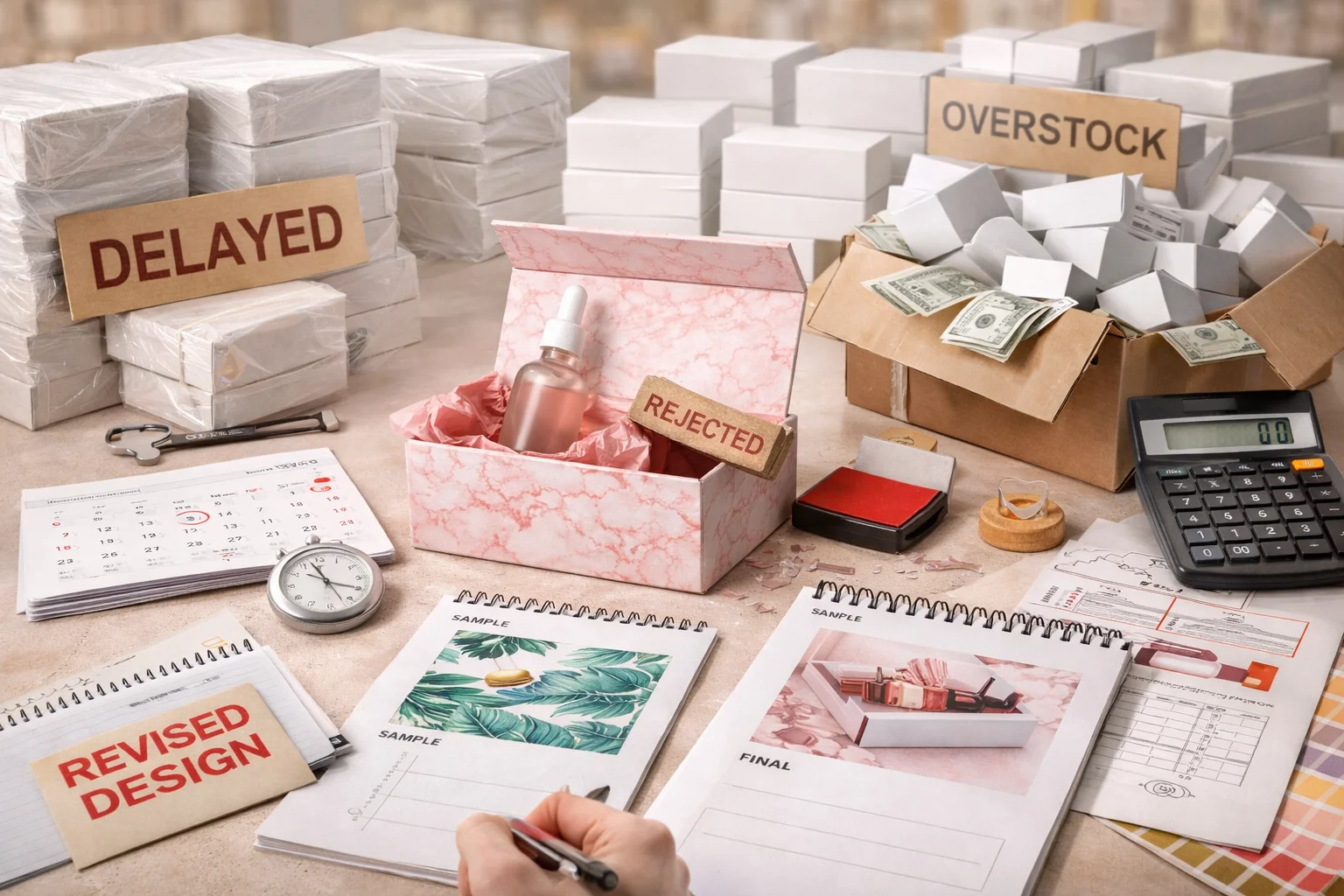
The 'No Sample' Mistake
This is the biggest and most painful mistake I see. A brand approves a digital 3D mockup, and it looks perfect. So they skip the physical sample to save time. When 10,000 boxes arrive, the color is slightly off, or the box doesn't close as smoothly as they thought. Now it's too late. A digital proof can't show you how a material feels or how the light reflects off a finish. Always, always get a physical sample in your hands before you approve the full order. It's the best insurance policy you can buy.
The Quantity Trap
It's tempting to order a huge quantity. The price per box drops, and it feels like a great deal. But for a new brand, this can be a disaster. What if you decide to change your formula in six months? You're stuck with thousands of outdated boxes. What if the product doesn't sell as well as you hoped? That's cash tied up in cardboard. It's better to start with a smaller order, even if the unit price is higher. You maintain flexibility and reduce your financial risk.
How Do You Choose a Reliable Cosmetic Packaging Supplier?
Afraid of choosing the wrong supplier? A bad partner can cause delays and quality issues. You need a supplier who is more than just a printer; you need an expert.
To choose a reliable supplier, look for experience in the cosmetic industry. Check their portfolio and ask for client references. A good supplier communicates clearly, understands branding goals14, provides physical samples, and is transparent about production timelines and costs. They should act as a partner, not just a vendor.
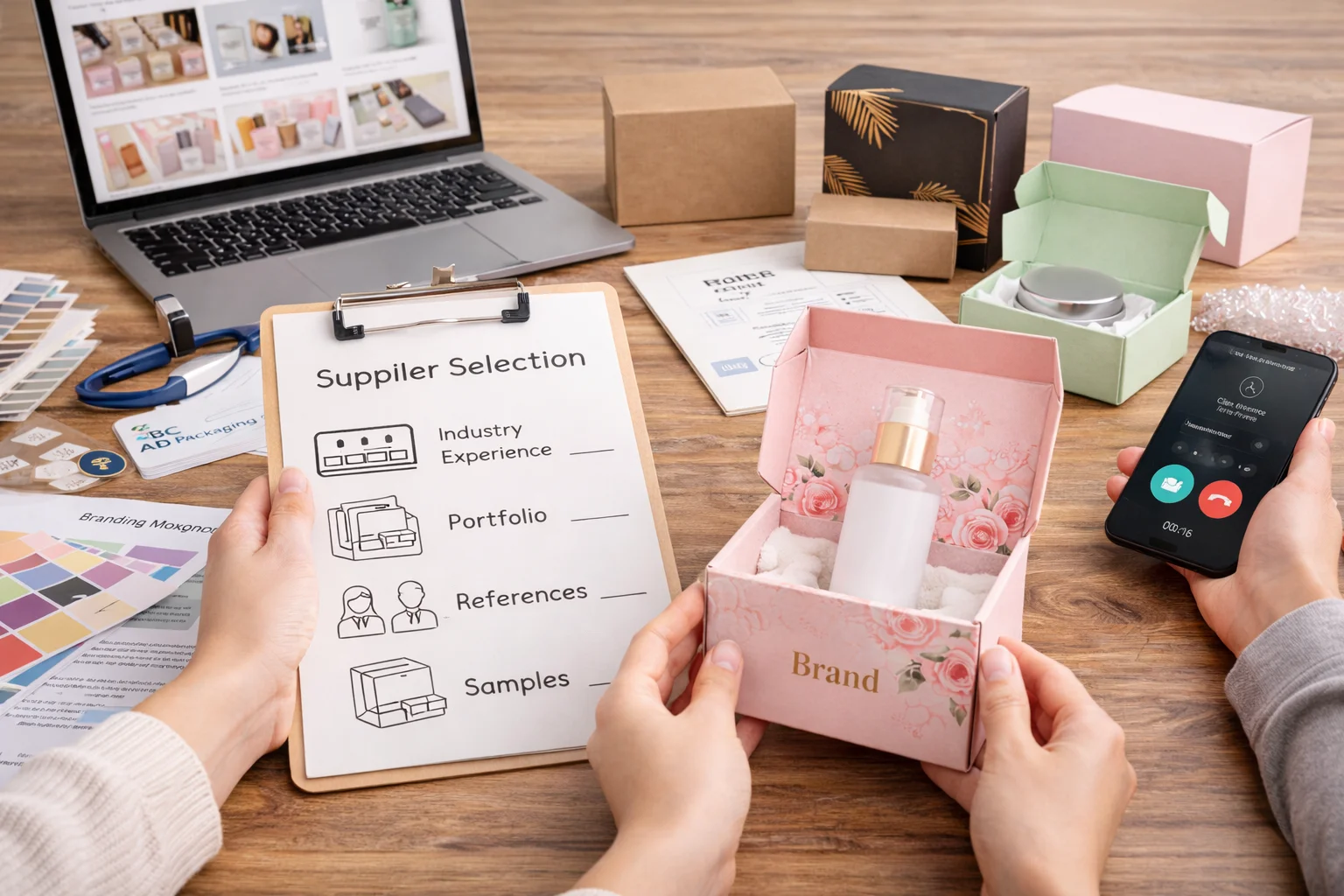
Look for Expertise, Not Just Price
Don't just Google "cheap custom boxes" and pick the first result. You need a supplier who specializes in cosmetics. They will understand the unique requirements, like ensuring inks are safe and that the packaging can withstand oils. Ask to see examples of their work with brands similar to yours. A good supplier should offer advice. If they just take your order without asking questions about your product, your brand, or your goals, that's a red flag. They are a printer, not a packaging partner. I always want to understand the brand's vision so I can recommend the best, most cost-effective solution.
Communication is Key
A reliable supplier is a good communicator. They should be easy to reach and provide clear, regular updates. They will explain the process, define technical terms, and be upfront about potential challenges and timelines. Before you commit, see how they respond to your initial inquiry. Are they responsive? Do they answer your questions thoroughly? This initial interaction is often a good indicator of what the working relationship will be like.
Are Custom Cosmetic Boxes Worth It for Small Brands?
Just starting out? You might think custom boxes are an unaffordable luxury. This belief can hold your small brand back from looking professional and competing with bigger players.
Yes, custom cosmetic boxes are absolutely worth it for small brands. They help you stand out on crowded shelves and online, build brand recognition, and create a professional image from day one. You don't need to start with expensive options; even simple, well-designed custom boxes make a huge impact.
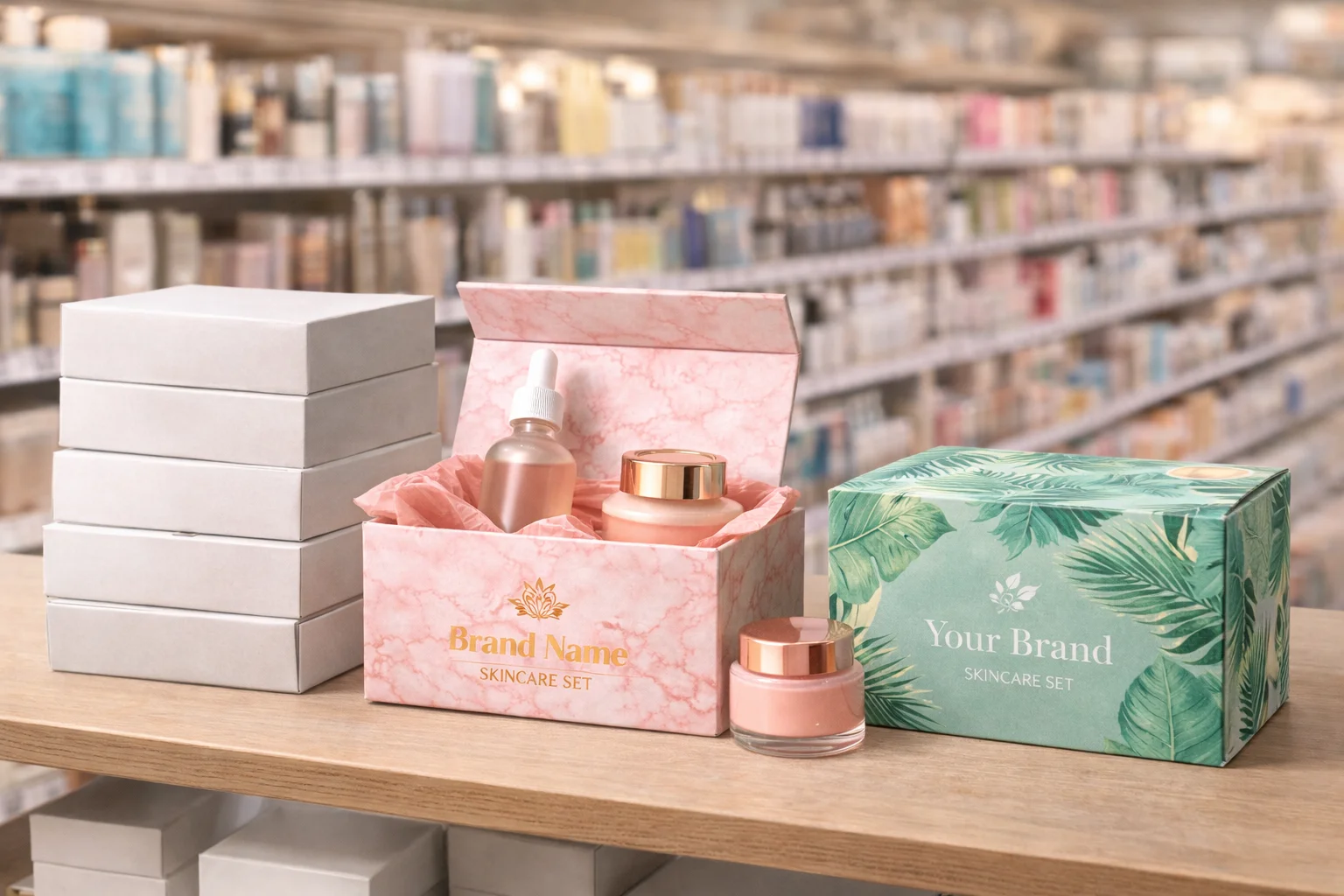
Punching Above Your Weight
As a small brand, you are competing against established giants. Your product might be amazing, but if it's in a generic box, customers may not give it a chance. Professional custom packaging is your secret weapon. It instantly makes your brand look more credible and established. It's a signal to customers that you are serious about quality. I've worked with many startups who saw a direct sales lift after upgrading from stock packaging to a simple custom box. It helps them "punch above their weight" and compete for customer attention.
Starting Smart
"Custom" doesn't have to mean "expensive." You don't need to start with rigid boxes and six layers of foil. A small brand can make a huge impact with a well-designed folding carton. The key is to start with a smaller order quantity, maybe 500 or 1,000 units. Yes, the price per box will be higher, but your total cash outlay is low. This lets you test the market and maintain flexibility without risking a huge amount of capital. It's a smart, strategic investment in your brand's future.
Conclusion
Choosing the right custom box is a strategic decision. Balance protection, branding, and budget to find packaging that helps your cosmetic brand grow without overspending on unnecessary features.
Learn about the critical role packaging plays in shaping customer perceptions and driving sales. ↩
Explore how custom boxes can enhance your brand's image and customer experience. ↩
Get insights into various materials and their costs to make informed packaging decisions. ↩
Find out how the complexity of your design can affect overall packaging expenses. ↩
Learn how your order size can influence pricing and storage considerations. ↩
Discover tips to create an unforgettable unboxing experience that boosts customer loyalty. ↩
Explore the connection between packaging quality and perceived product value. ↩
Find out how effective packaging can foster customer loyalty and repeat purchases. ↩
Understand how your packaging choices can communicate your brand's value and attract the right customers. ↩
Discover why rigid boxes are a popular choice for luxury cosmetic products. ↩
Uncover the often-overlooked expenses that can impact your packaging budget. ↩
Get familiar with various printing techniques to choose the best one for your brand. ↩
Learn about the potential financial repercussions of poor packaging choices. ↩
Explore how to ensure your packaging reflects your brand's identity and values. ↩