Tired of buying full-size products you hate? Beauty boxes promise discovery, but often deliver disappointment. Is there a better way to find new favorites without wasting your money?
Yes, some beauty boxes1 are worth it in 2026, but not all. The best ones have stable supply chains, ensuring consistent, high-quality products2. They focus on reliable curation3 over clearing out old inventory, giving you real value and a great discovery experience4 every month.
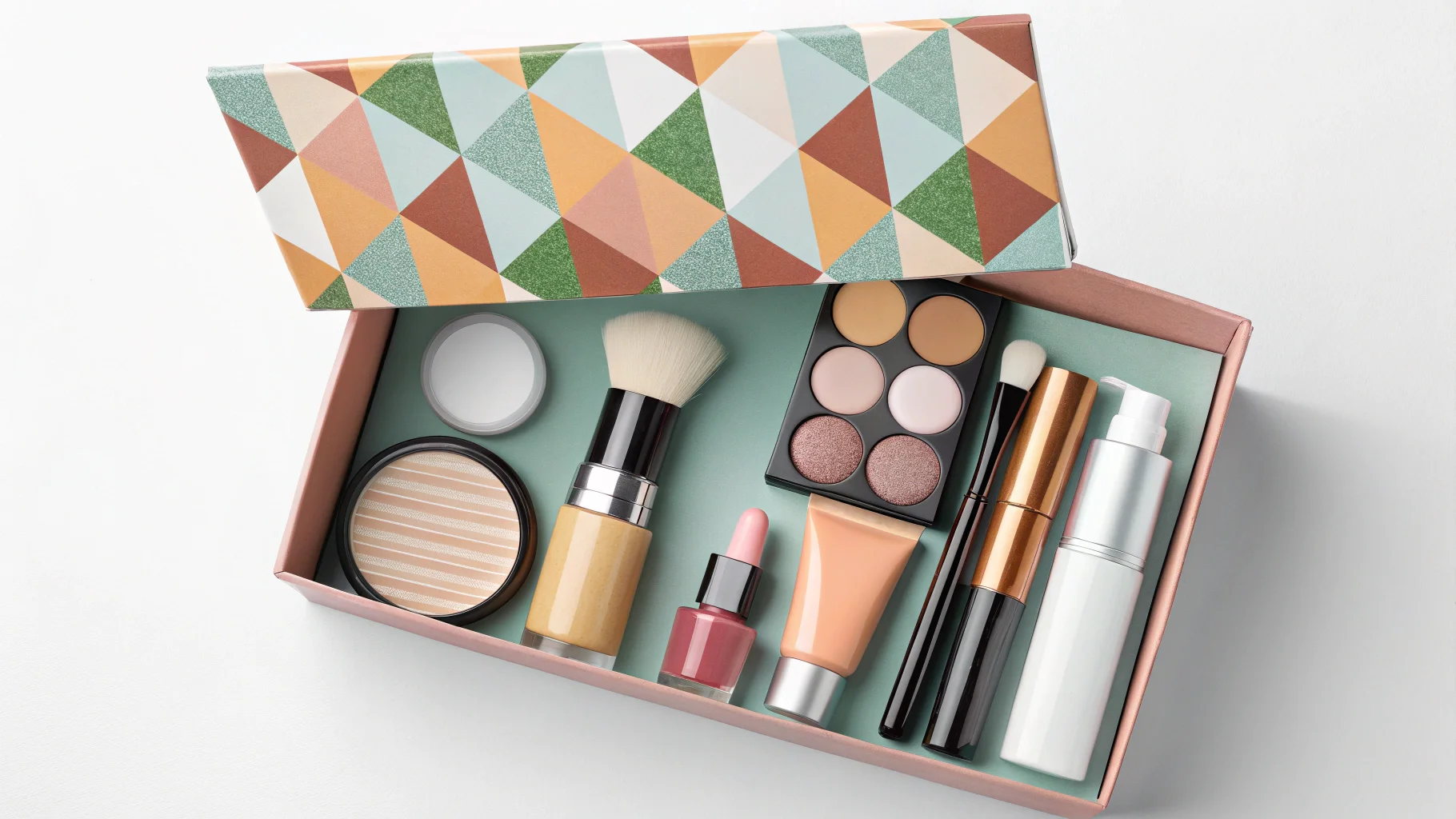
I'm sure you've seen them all over social media. A beautiful box arrives, and inside is a treasure trove of makeup and skincare. It seems like the perfect way to treat yourself and discover new holy-grail products. But as someone who has been on both sides of this industry, I know there's a lot more to it than what you see in an unboxing video. Let's dig into whether these subscriptions are still a smart buy as we head into 2026.
Why did beauty subscription boxes become so popular?
Remember the excitement of getting a surprise package? Beauty boxes captured that magic. They promised a curated selection of new makeup and skincare delivered right to your door each month.
They became popular because they offered a low-cost way to discover new brands and products. For a small monthly fee, you got the thrill of a surprise gift. It also gave you the chance to try luxury items5 you might not otherwise buy.
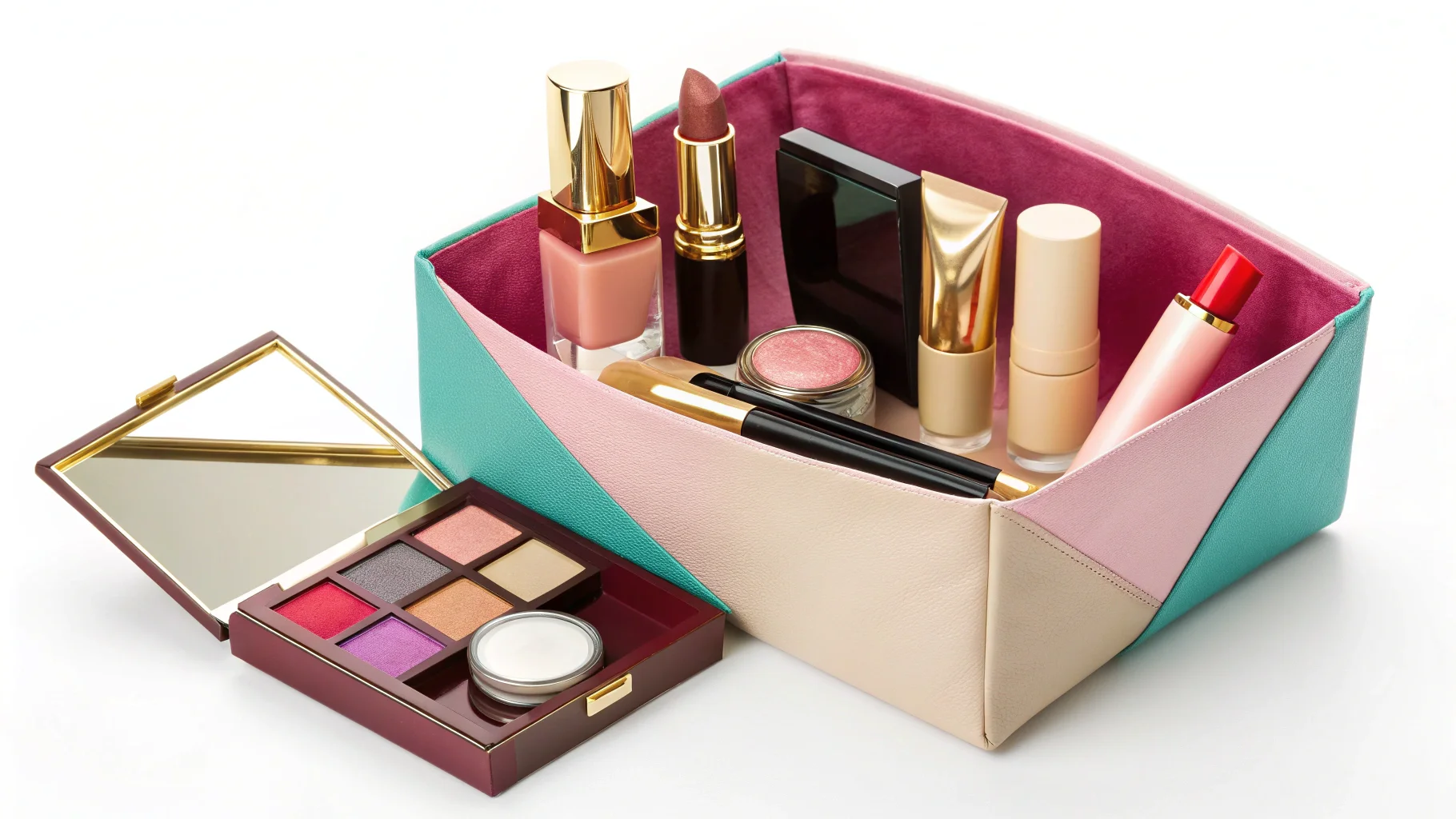
The rise of beauty boxes1 in the early 2010s was a perfect storm. It combined our love for mail with the growing influence of social media. Here’s a breakdown of why they took off.
The Unboxing Phenomenon
YouTube and Instagram created a new kind of celebrity: the influencer6. Unboxing videos became a huge trend. Viewers loved watching someone's genuine reaction to opening a surprise package. Companies like Birchbox and Ipsy capitalized on this perfectly. They created a product that was made to be shared online. The experience of opening the box was just as important as the products inside.
The Promise of Discovery
The beauty world can be overwhelming. There are thousands of products, and it's impossible to try them all. Beauty boxes solved this problem. They positioned themselves as expert curators. They promised to cut through the noise and send you only the best new things. For a low monthly price, you could experiment with different brands and formulas without committing to a full-size product. It felt like having a personal shopper7 for your makeup bag. This promise of easy, affordable discovery was a major reason for their popularity.
What was my real experience with beauty boxes1?
I was so excited for my first box. I pictured amazing, full-sized products from brands I loved. But after a few months, my drawer was just filled with tiny samples I never used.
My experience was a rollercoaster. The first box felt magical, but the excitement faded fast. I received mismatched shades and products for skin types that weren't mine. It soon felt less like a curated treat and more like a random bag of leftovers.
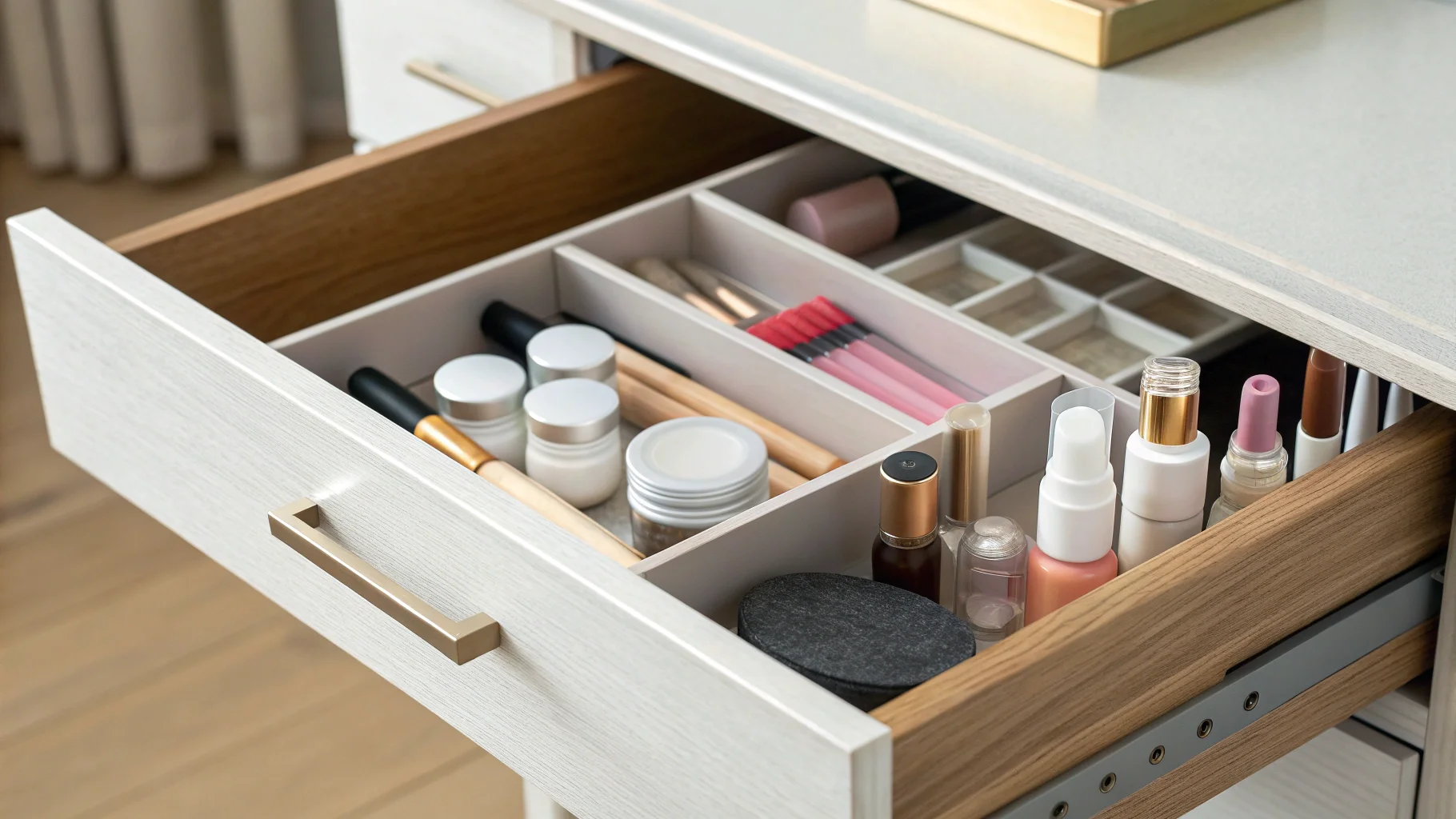
My journey with beauty boxes%%%FOOTNOTE_REF1%%% started with high hopes but ended in what I call "[product fatigue](https://en.wikipedia.org/wiki/Goop(company))8." Let me walk you through it month by month.
Month 1: The Honeymoon Phase
My first box was amazing. It had a deluxe sample of a popular serum, a trendy lip color, and a few other interesting items. I used almost everything. I felt like I had found the ultimate life hack for discovering new beauty products. I immediately told my friends they had to sign up. The value seemed incredible, and the surprise was genuinely fun.
Months 2-3: The Reality Check
The second and third boxes were less impressive. I got a foundation stick in a shade that was three tones too dark for me. I received a heavy-duty moisturizer, even though my profile said I have oily skin. The "hero" products were from brands I had never heard of. I started to notice that most items were tiny samples, not the deluxe or full sizes I had hoped for. The excitement of the surprise started to get replaced by a small feeling of disappointment.
Month 4: The Breakup
By the fourth month, my bathroom drawer was overflowing. I had a collection of foils, tiny tubes, and weirdly colored eyeliners. I realized I was paying for clutter. The table below shows my "Hit vs. Miss" ratio over time. It became clear the service wasn't a good fit for me. I canceled my subscription.
| Month | Hits (Products I Used) | Misses (Products I Didn't Use) |
|---|---|---|
| Month 1 | 4 | 1 |
| Month 2 | 2 | 3 |
| Month 3 | 1 | 4 |
| Month 4 | 1 | 4 |
What do you actually get vs. what you expect?
You see influencer6s unboxing amazing products. You expect full-sized serums and popular palettes. But is that what really arrives in your $25-a-month subscription box?
You often expect full-sized, popular products but actually get deluxe samples and items from lesser-known brands. While you might find a hero product, you'll also get many things that don't work for you, like mismatched foundation shades or products for different skin types.

The gap between marketing and reality is where most subscribers get disappointed. The Instagram-worthy unboxings are often PR packages, which are different from what a regular paying customer receives. It's important to have realistic expectations.
Expectation vs. Reality
Let's break down the common disconnects. Brands use these boxes as a marketing tool, so the contents are chosen to benefit them as much as you.
| Your Expectation | The Likely Reality |
|---|---|
| Full-sized products from top brands. | Mostly deluxe samples and some full sizes from indie or new brands. |
| Products perfectly matched to my profile. | Some personalization, but many generic items sent to everyone. |
| A high-value box every single month. | Value that fluctuates. Some months are great, others are not. |
This happens because the primary goal for many brands is not to give you a deal, but to get their product into your hands. They provide samples or overstock items to the subscription service for a very low cost. The box is a vehicle for product discovery and marketing, not a discount store. So, you'll get a mix of everything, including things that aren't a perfect fit.
Ever wonder how they can send you "valuable" products for such a low price? It feels too good to be true. And the business model shows why that is sometimes the case.
The business model often relies on brands wanting to offload excess inventory10 or market new items cheaply. Beauty boxes get these products for free or at a very low cost. Your subscription fee covers their operations, and they profit from the volume of subscribers.
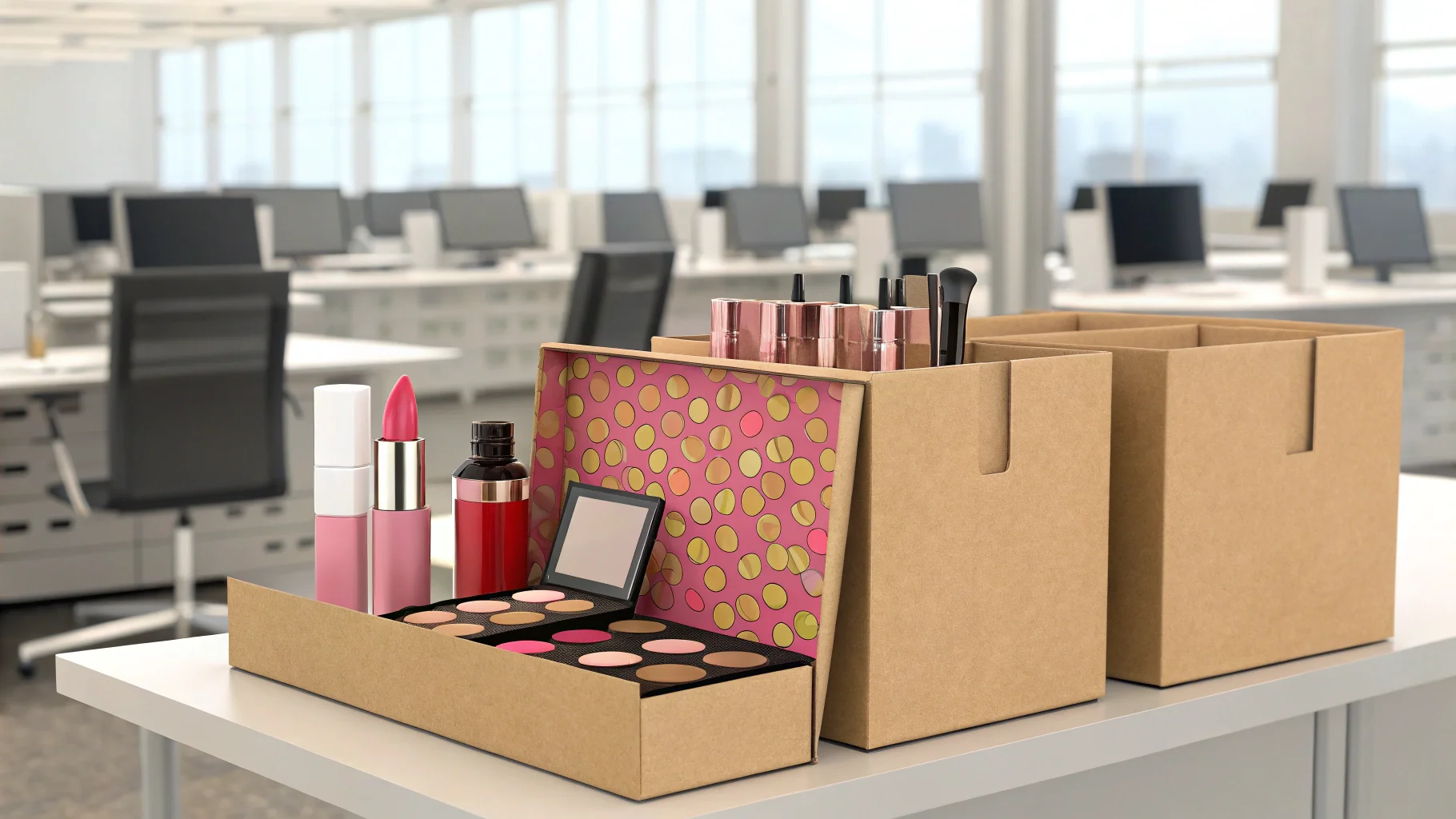
Understanding the business model is key to understanding the products you receive. It's less of a retail model and more of a marketing and logistics operation.
A Marketing Channel for Brands
For a beauty brand, getting a sample into the hands of 100,000 potential customers is powerful. It's often cheaper and more effective than running digital ads. So, brands provide their products to subscription services for a fraction of the retail cost, or even for free. They see it as a marketing expense. This is why you often get new-to-market products or items from brands trying to grow their audience.
The Problem of Excess Inventory
Sometimes, a brand produces too much of a product or is about to discontinue a certain shade. What do they do with this extra stock? Selling it to a subscription box service is a great option. It allows them to clear out their warehouse and recoup some cost. This is why you might receive a lipstick in a strange color or a product near its expiration date. The box is a channel for liquidating inventory, which leads to inconsistent quality for you, the subscriber.
What are the pros and cons11 of makeup subscription boxes?
Are you thinking about subscribing to a beauty box? They seem like a great deal. But it's easy to get caught up in the hype and overlook the downsides.
The main pro is discovering new products at a low cost. It's fun and introduces you to brands you'd never try. The main con is the lack of personalization and the accumulation of product waste. You often get items you can't or won't use.
Deciding if a beauty box is right for you means weighing the good against the bad. I've found that your personality and beauty habits will determine which side of the scale you land on. Here's a simple breakdown to help you decide.
| Pros | Cons |
|---|---|
| Discovery: Try new brands and products you'd never pick yourself. | Product Waste: You accumulate items you won't use. |
| Value: The total retail value of the products is often higher than the subscription cost. | Lack of Customization: Items often don't match your skin type or preferences. |
| Fun Factor: The surprise of unboxing a gift to yourself each month is exciting. | Sample Overload: Your drawers fill up with tiny products that are hard to use up. |
| Convenience: Products are delivered directly to your door. | Inconsistent Value: Some months are great, while others are disappointing. |
The "value" pro is the most debated. While the stated retail value is high, the actual value to you is only based on the products you will genuinely use. If you only use one out of five items, the box may not be a good deal after all.
Who do beauty subscription boxes make sense for?
You love makeup but feel overwhelmed by all the choices at the store. You want to experiment without committing to expensive, full-sized products. A box might be perfect for you.
Beauty boxes are great for beginners who are building a collection and want to learn about different product types. They also work for "product junkies" who love trying new things and don't mind getting a mix of hits and misses. It's all about the journey.
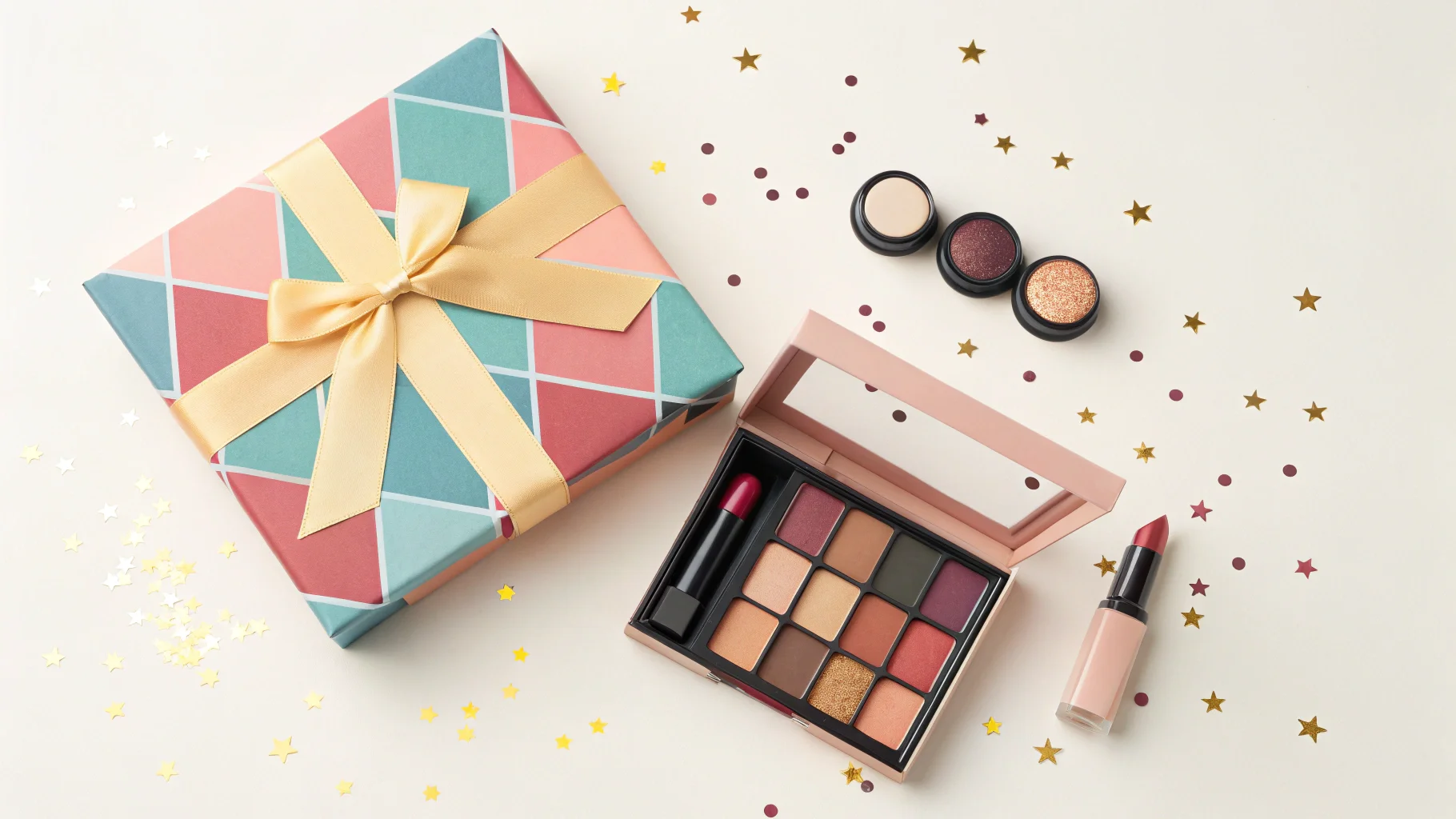
Despite my own mixed experience, I believe beauty boxes1 can be fantastic for certain types of people. It all comes down to your goals and your mindset. If you fit into one of these categories, a subscription could be a great investment.
The Beauty Beginner
If you are just starting with makeup and skincare, a beauty box is like a crash course. You don't know what you like yet, so getting a variety of items is a huge benefit. You can try a primer, a liquid lipstick, a gel moisturizer, and a clay mask all in one or two boxes. This allows you to learn about different product categories and find out what works for you without spending a fortune on full-sized items.
The Adventurous Experimenter
This person loves trying new things. They get bored using the same products every day. For them, the surprise element is the best part. They don't mind if a product isn't a perfect hit, because they enjoy the process of testing it out. They see their subscription as an entertainment budget as much as a beauty budget. They are "product junkies" who love the thrill of the new.
Who should probably skip beauty boxes1?
Do you have very specific needs12 for your skin? Or maybe you already have a bathroom cabinet full of products you love? A beauty box might just add to your clutter.
You should skip beauty boxes1 if you have sensitive skin, allergies, or very specific preferences. They are also not a good fit for minimalists or people who already know which brands and products work for them. The lack of control will likely be frustrating.
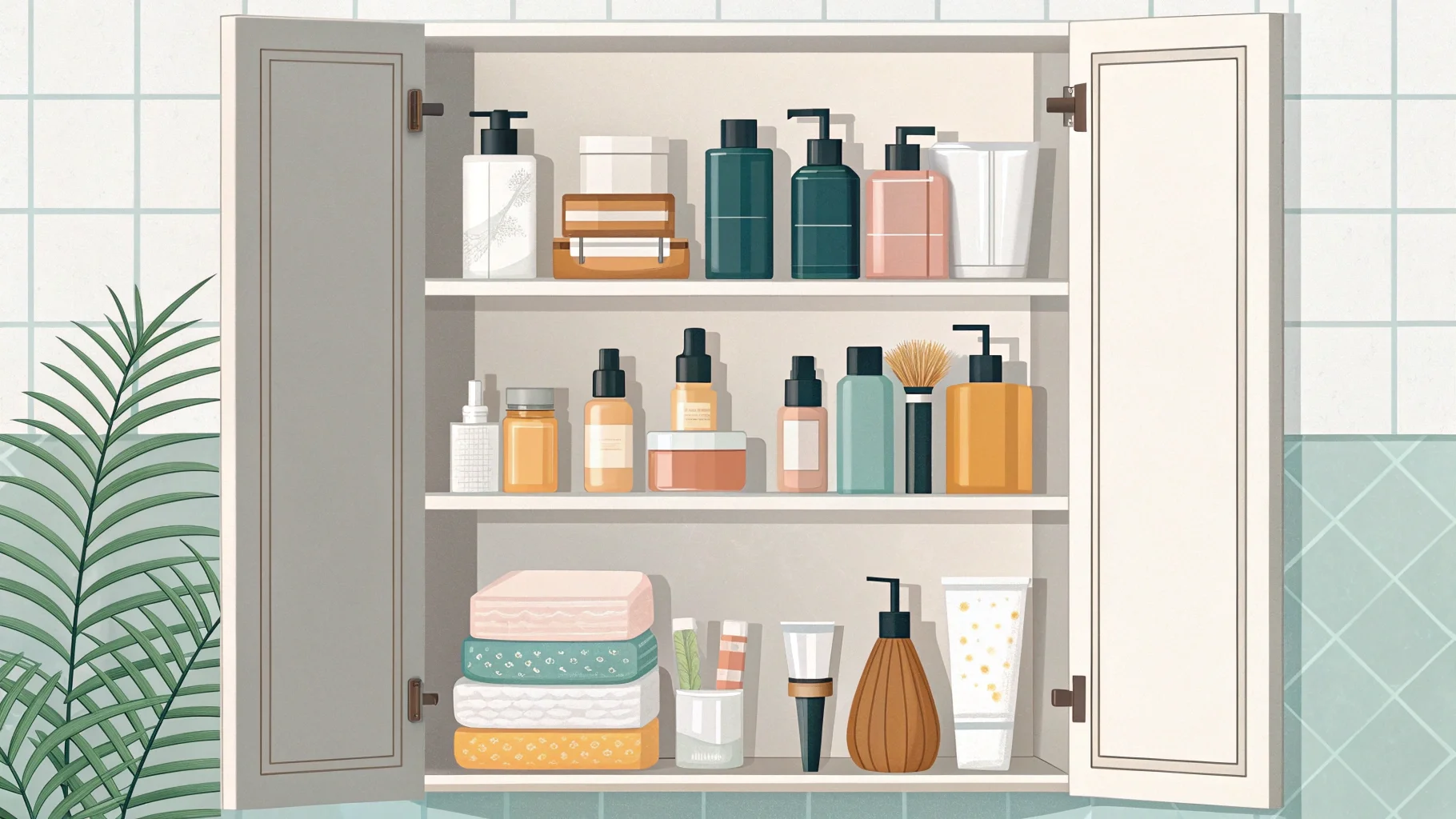
Just as beauty boxes1 are perfect for some, they are a complete waste of money for others. If you recognize yourself in the descriptions below, you should probably save your monthly fee and buy the products you already know and love.
The Person with Specific Needs
If you have sensitive skin, acne, rosacea, or specific allergies, a random assortment of products is a bad idea. You need to be very careful about the ingredients you put on your skin. A surprise serum could cause a breakout or a reaction. The same goes for people who only use vegan, cruelty-free, or clean beauty products. While some boxes cater to these needs, most general subscriptions will send you items you cannot use.
The Brand Loyalist
You have used the same foundation for ten years. You have a favorite moisturizer that you buy again and again. If this is you, a beauty box will not serve you. You already know what works, and you aren't interested in switching. A box full of new things will just feel like a waste, and the products will likely go unused. You are better off investing in your tried-and-true favorites.
Are beauty subscription boxes worth it in 2026?
The beauty box world has changed. With so many options, it's hard to know if they're still a good deal or just a gimmick that's past its prime.
Yes, they can be worth it in 2026 if you choose wisely. The best boxes now focus on quality and consistency13. Look for services that have strong, stable relationships with brands, not just those clearing out old stock. Value is now about reliability.
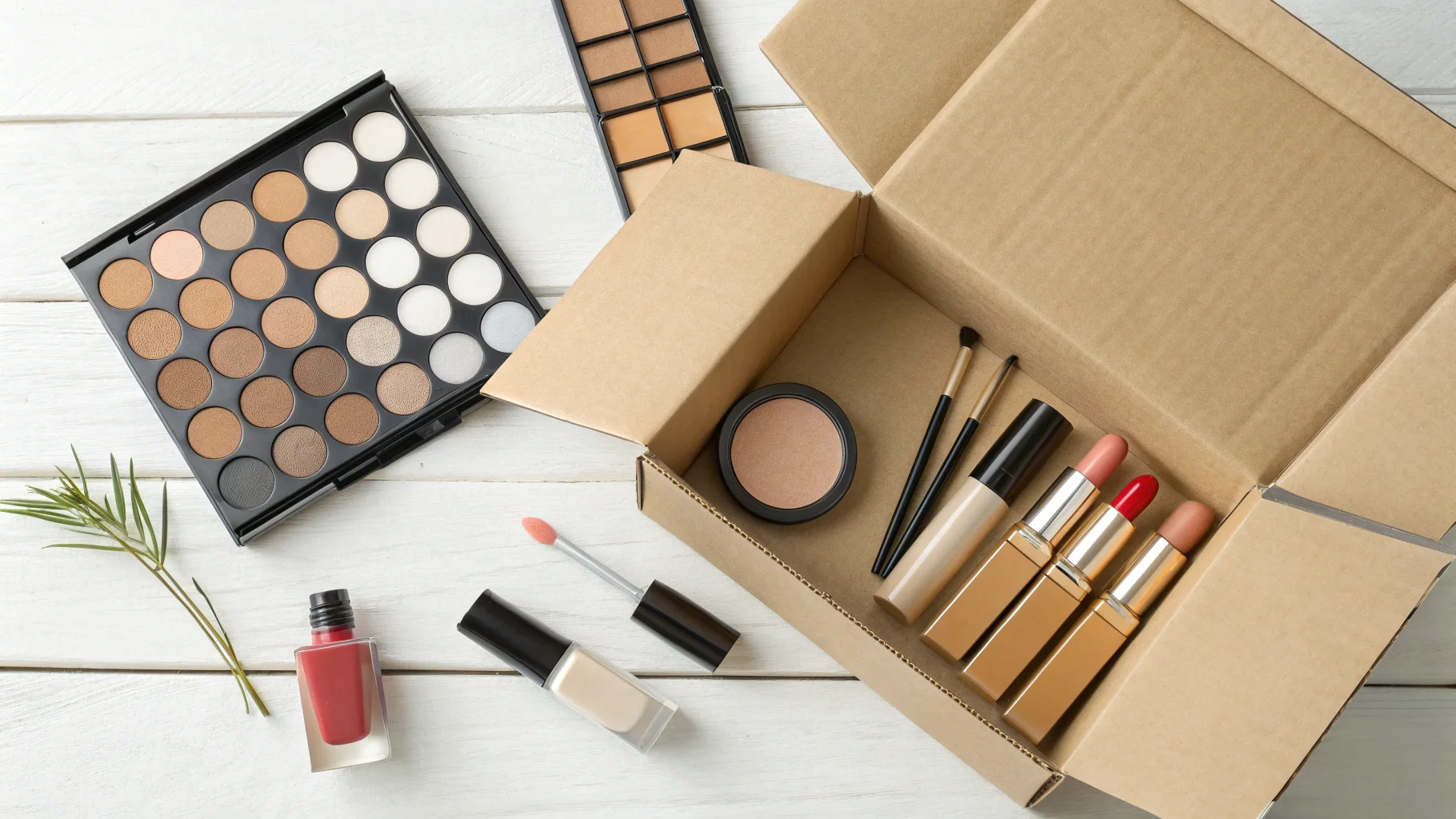
The subscription box model has had to evolve to survive. The initial excitement has worn off, and customers are now smarter. We demand more than just a random bag of samples.
The Shift from Hype to Quality
In the early days, the surprise was enough. Now, customers want real value and useful products. The most successful subscription services in 2026 understand this. They have moved away from the "grab bag" model, which relied on whatever leftover inventory they could get. Instead, they are acting more like true curators. They are building a reputation for quality and trust. They know that sending a subscriber a foundation in the wrong shade or an expired product is the fastest way to lose them.
What Defines a "Good" Box in 2026?
A good box today is defined by its supply chain. Does the service have strong, long-term partnerships with brands? Or are they just taking whatever they can get for cheap? A service with stable relationships can better predict its inventory. This leads to better shade matching, fresher products, and a more consistent experience month to month. When you're researching a box, try to find out how they source their products. The best ones are transparent about their partnerships and curation process.
What is the final thought from an industry and supply chain perspective?
We've talked about the user experience. But to truly understand a beauty box's value, you have to look at how it's made. The secret is in the supply chain.
From an industry view, the biggest issue is not price, but consistency. Boxes that rely on random excess inventory from brands often have problems with product freshness and shade continuity. The best boxes in 2026 are those with controlled supply chains and stable supplier partnerships.

As someone who works with manufacturing and supply chains, I see the beauty box industry from a different angle. The real story of a box's quality isn't told in its marketing, but in its logistics.
Excess Inventory vs. Stable Partnerships
There are two main ways a subscription box sources products. The first is by taking on excess inventory from brands. This is unpredictable. One month, a brand might have a surplus of a fantastic serum. The next month, the only surplus available is a failed lipstick shade. This leads to the wild swings in quality that so many subscribers complain about. The second model is based on stable, planned partnerships. Here, the subscription service works directly with brands months in advance to secure or even co-develop products for their boxes.
The Impact on Product Quality
This difference in sourcing has a direct impact on your experience. A box built on stable partnerships can deliver much better consistency. They can ensure formulations are fresh and haven't been sitting in a warehouse for a year. They can get a better range of shades to improve personalization. In 2026, the best beauty boxes are no longer about hype. They are about supply chain control. That control is what ultimately determines the long-term value and quality you receive as a subscriber.
Conclusion
In 2026, a beauty box's worth is not in the surprise, but in its supply chain. Choose services with stable partnerships for consistent quality and true value for your money.
Explore the latest beauty boxes that offer quality products and reliable curation for a great discovery experience. ↩
Find out which beauty boxes prioritize high-quality products and consistent delivery for subscribers. ↩
Understand the importance of reliable curation in beauty boxes for a satisfying subscription experience. ↩
Learn how to make the most of your beauty product discovery journey with curated boxes that truly deliver. ↩
Discover luxury beauty items that subscription boxes offer, giving you a taste of high-end products. ↩
Explore the role of influencers in shaping beauty subscription box trends and consumer expectations. ↩
Discover how beauty boxes can serve as a personal shopper, helping you find products that suit you. ↩
Learn about product fatigue and how it affects subscribers' experiences with beauty boxes. ↩
Uncover the business model behind beauty boxes and how it affects the products you receive. ↩
Learn how beauty boxes manage excess inventory and what it means for subscribers. ↩
Evaluate the pros and cons of beauty subscription boxes to determine if they're right for you. ↩
Learn how beauty boxes can meet specific skin needs and the importance of customization. ↩
Explore what makes a beauty subscription box high-quality and consistent in 2026. ↩